The global air freight market is entering a more critical phase, as a deepening jet fuel crisis begins to threaten operational stability through the second quarter and beyond. What initially appeared as a short-term shock linked to Middle East disruption is now developing into a structural constraint on global air cargo operations.
The continued closure of the Strait of Hormuz has removed a key artery for global energy flows, restricting access to around 20–25% of the world’s oil supply. While a ceasefire has eased immediate geopolitical tensions, fuel supply chains remain disrupted, with refining output constrained and replenishment cycles extended.
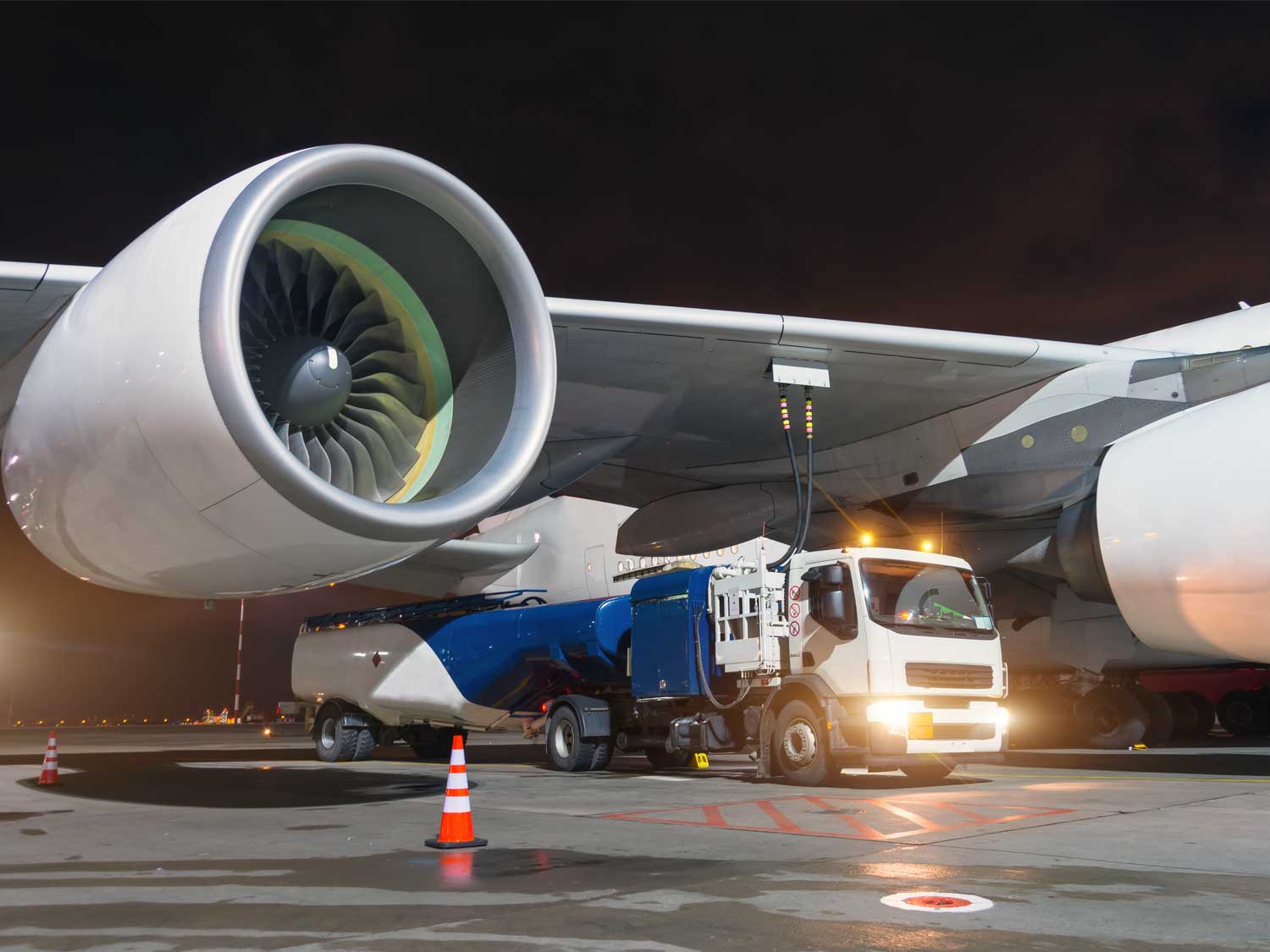
As a result, jet fuel prices have more than doubled since late February, significantly outpacing the rise in crude oil prices. In some regions, prices have increased by over 100%, while forward markets indicate elevated levels that will persist through the rest of the year. This has fundamentally altered cost structures across the aviation sector, where fuel typically accounts for close to 30% of operating expenses.
Capacity cuts spread
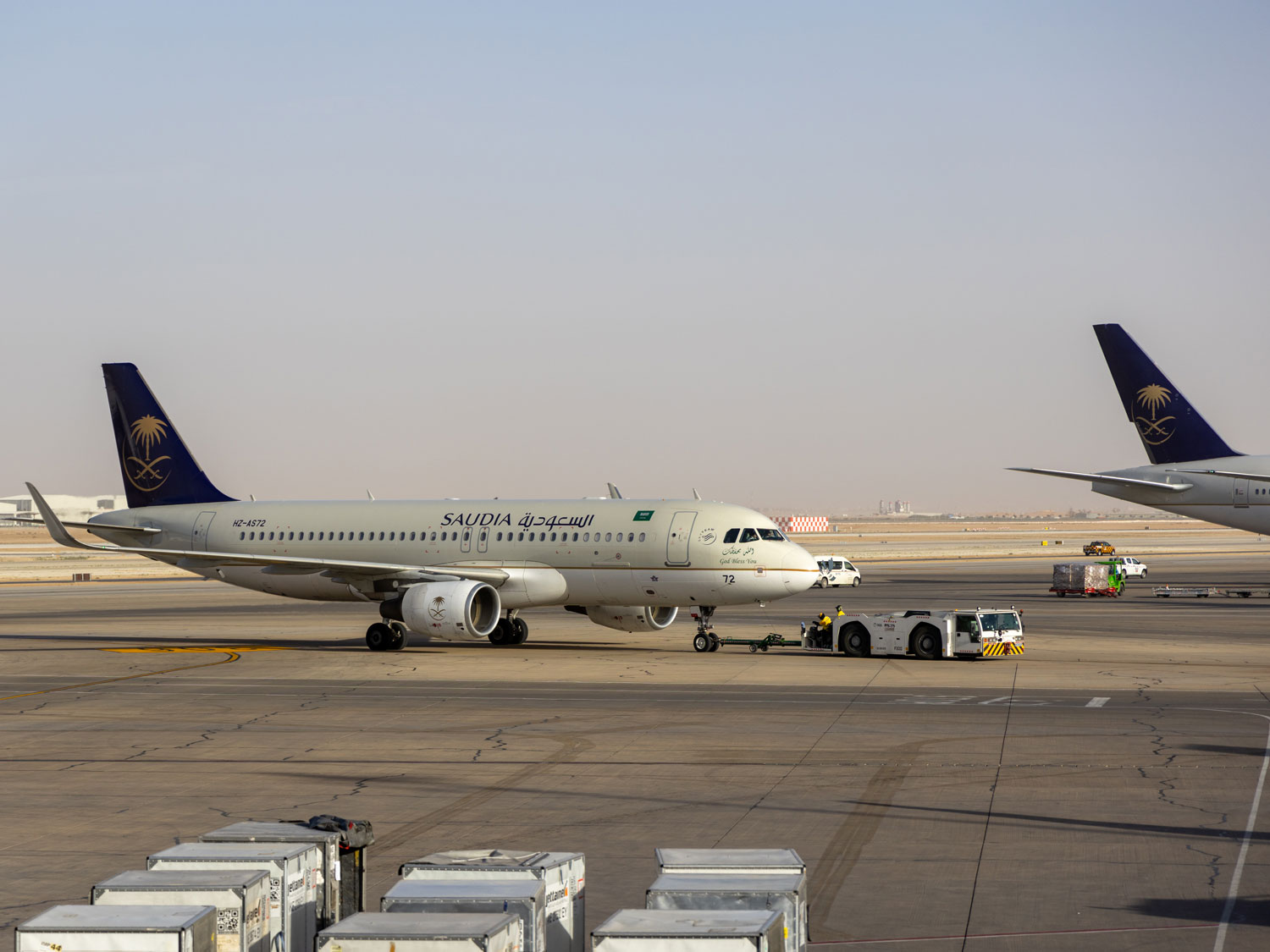
In response to the fuel crisis airlines are implementing capacity reductions across multiple regions, with several major carriers trimming services to manage rising operating costs and preserve profitability.
Cathay Pacific has announced capacity cuts of around 2% from mid-May through June, alongside the suspension of certain Middle East routes. Other carriers, including United Airlines, Air India, Air New Zealand and Vietnam Airlines, have taken similar steps, reducing flight frequencies, cancelling services and tightening operational expenditure.
In Asia, where reliance on Gulf-sourced fuel is particularly high, the impact has been more severe. Some carriers have reduced flight activity significantly, while others have moved into cost-control or contingency modes. Across key Gulf-facing hubs, flight volumes have fallen to roughly one-third of normal levels, reflecting both operational constraints and reduced network viability.
European markets are now beginning to feel the effects. Industry bodies have warned that airports across the EU could face a systemic jet fuel shortage within weeks if supply routes are not restored. With the summer travel season approaching, rising demand for aviation fuel is expected to intensify pressure on already constrained supply chains.
Airlines are responding by reviewing contingency plans. These include further capacity reductions, grounding older aircraft and reallocating fleets towards more fuel-efficient operations. In some cases, carriers are preparing to cut capacity by up to 5% if conditions deteriorate, highlighting the scale of the challenge now facing the sector.
Surcharges surge as cost pressures feed through to rates
On key routes, fuel surcharges have risen dramatically. In some cases, increases of nearly 300% have been recorded month-on-month, with additional uplifts in security-related charges on lanes affected by Middle East disruption. Across global markets, around half of all monitored airfreight routes have seen monthly price increases of 20% or more.
These changes are being driven by a dual pressure: reduced effective capacity and rising operating costs. The withdrawal of capacity from Middle Eastern hubs, which previously handled a significant share of Asia–Europe cargo flows, has forced a reconfiguration of global networks. At the same time, higher fuel costs are increasing the cost per available tonne kilometre across all long-haul routes.
A prolonged disruption with structural implications
The jet fuel crisis is no longer a short-term disruption. Even if geopolitical conditions stabilise, the structural impacts on fuel supply chains, refining capacity and global air networks will take time to resolve.
Europe’s reliance on imported jet fuel has been exposed, with limited domestic refining capacity increasing vulnerability to external shocks. Calls are growing for coordinated action, including joint procurement, alternative sourcing strategies and regulatory adjustments to improve supply resilience.
For air freight markets, the outlook remains uncertain. Capacity is tightening, costs are elevated and volatility is likely to persist through May, June and beyond. The balance between supply and demand is being shaped less by cargo volumes and more by the availability and cost of fuel.
Metro supports customers through these conditions with agile air freight solutions, proactive routing strategies and real-time market insight. As fuel-driven disruption reshapes global air cargo, having the right partner in place is critical to maintaining flow, controlling cost and protecting supply chain performance.
EMAIL Managing Director Andy Smith.