When disruption threatens critical deliveries, switching shipments from ocean to air freight can protect supply chains, but converting distressed ocean freight into air cargo is rarely straightforward, and delaying the decision can significantly increase complexity.
When maritime disruption forces an urgent change of transport mode, planning ahead can make the difference between a manageable delay and an expensive supply chain emergency.
The central consideration is not simply whether air freight costs more than ocean transport. It is whether the commercial consequences of waiting outweigh the additional expense of moving goods by air.
The hidden cost of waiting
Ocean freight remains substantially cheaper than air transport and for many shipments, accepting an additional two or three weeks in transit may therefore be commercially reasonable. However, the calculation changes when delays threaten production schedules, retail launches, contractual commitments or critical inventory levels.
A shipment that appears manageable after two days of disruption may become a serious commercial problem after ten. However, by that stage, other businesses may also be competing for limited air capacity, increasing costs and reducing the options available.
Airlines typically commit significant portions of their capacity through advance contracts. Unexpected demand must compete for whatever space remains, often at premium rates, which his why it is important to assess the commercial consequences of delay early.
Distressed ocean freight cannot simply be transferred to an aircraft
The practical challenges of switching transport modes are often underestimated.
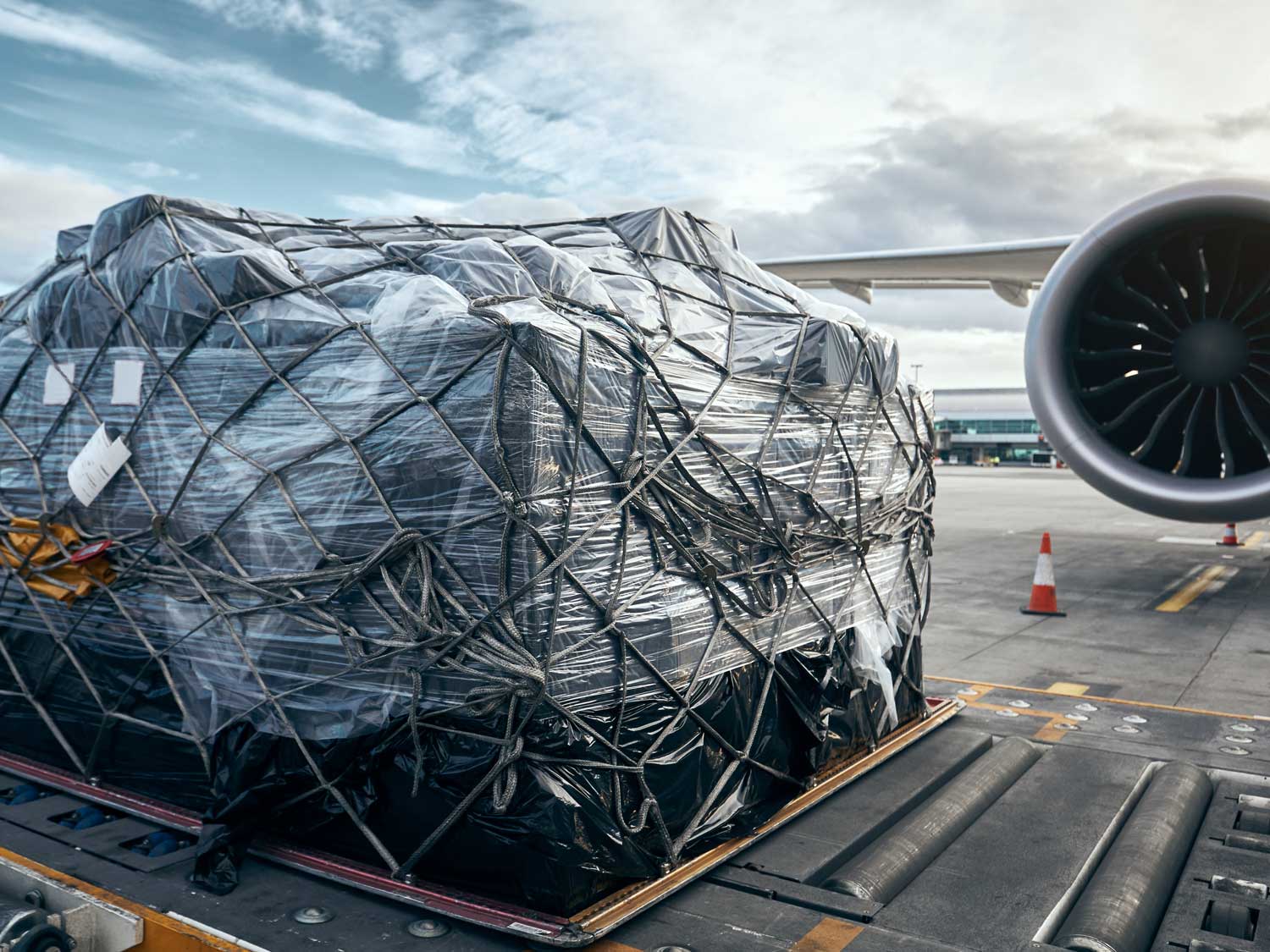
A container booked for ocean transport cannot simply be delivered to an airport and loaded onto an aircraft. Converting distressed ocean freight into air cargo requires different documentation, handling procedures and operational arrangements.
Air cargo requires air waybills and compliance with different transport regulations. Cargo may need to be separated, repacked, remeasured and reclassified before an airline can accept it.
Additional considerations include dangerous goods restrictions, lithium batteries, aircraft loading limitations, cargo dimensions and the suitability of existing packaging.
For goods already inside a container, the process may also involve arranging release from the ocean carrier, recovering the shipment from a port or terminal and transferring it to an appropriate air freight facility.
Each stage takes time and requires coordination between multiple parties. Even when aircraft capacity is available, the shipment itself may not be ready to fly.
The entire movement, from cargo recovery and preparation through to customs clearance and final delivery, must be coordinated to ensure that switching modes delivers the expected time savings.
Not every shipment needs to fly
One of the most effective ways to manage distressed ocean freight is to avoid treating the entire shipment as an emergency.
A container may contain products with very different commercial priorities. Some goods may be essential to maintaining production, fulfilling urgent orders or preventing stock-outs, while others can tolerate an extended ocean transit.
By identifying the most time-critical inventory, shippers can transfer selected products to air freight while leaving the remainder to continue by sea.
This selective approach can protect business continuity without incurring the expense of converting an entire container to air cargo.
Depending on the origin, destination and available services, sea-air combinations may also provide an intermediate solution, balancing transit time and cost.
The key is understanding which goods genuinely require faster transport and which can remain within the original supply chain.
Planning before disruption changes the outcome
The strongest contingency plans are developed before shipments become distressed.
Businesses that identify critical products, establish alternative routings and agree decision-making procedures in advance can respond more quickly when disruption occurs.
Metro recommends five practical steps to improve preparedness:
- Prioritise critical inventory: Identify products whose late arrival would create the greatest commercial impact.
- Establish decision triggers: Determine when a developing delay should prompt consideration of alternative transport.
- Prepare cargo information: Ensure packaging specifications, dimensions, classifications and documentation are available for a potential mode switch.
- Review alternative capacity: Assess possible air and sea-air options before disruption increases demand.
- Calculate the real cost of delay: Compare additional transport expenses with the financial consequences of interrupted production, missed deliveries or lost sales.
Digital shipment visibility supports these decisions by helping businesses identify developing delays and assess the time available to respond.
However, visibility alone cannot resolve disruption. The real advantage comes from combining reliable information with the ability to act.
Connecting ocean and airfreight
When ocean freight is delayed, the best response is not always to switch to air. It may involve rerouting, prioritising critical cargo, combining transport modes or maintaining the original movement while managing inventory elsewhere.
Metro's supply chain management platform, MVT, reports down to SKU level, giving customers the visibility needed to identify critical product lines, assess their exposure and prioritise the cargo that needs to move urgently.
This detailed visibility allows Metro's freight specialists to help customers break down shipments, isolate time-sensitive products and evaluate selective airfreight or multimodal alternatives, rather than incurring the cost of transferring entire orders or shipments.
By combining product-level intelligence with practical freight expertise, Metro helps customers make faster, better-informed decisions that balance cost, speed and supply chain continuity.