For much of the recent past, freight markets have lurched from one disruption to another. Pandemic recovery, conflict in the Red Sea, tariff uncertainty and conflict in the Middle East have each triggered periods of higher freight rates before conditions gradually eased.
This time, however, the market appears to be changing for different reasons.
While geopolitical events continue to influence global shipping, they are no longer the only force keeping container capacity tight. Strong international trade, sustained investment in new industries and persistent congestion across global transport networks are all helping to support freight rates, suggesting the market may remain firmer than many shippers anticipated.
Global trade continues to absorb available capacity
One of the strongest indicators is that cargo volumes continue to grow despite higher transport costs.
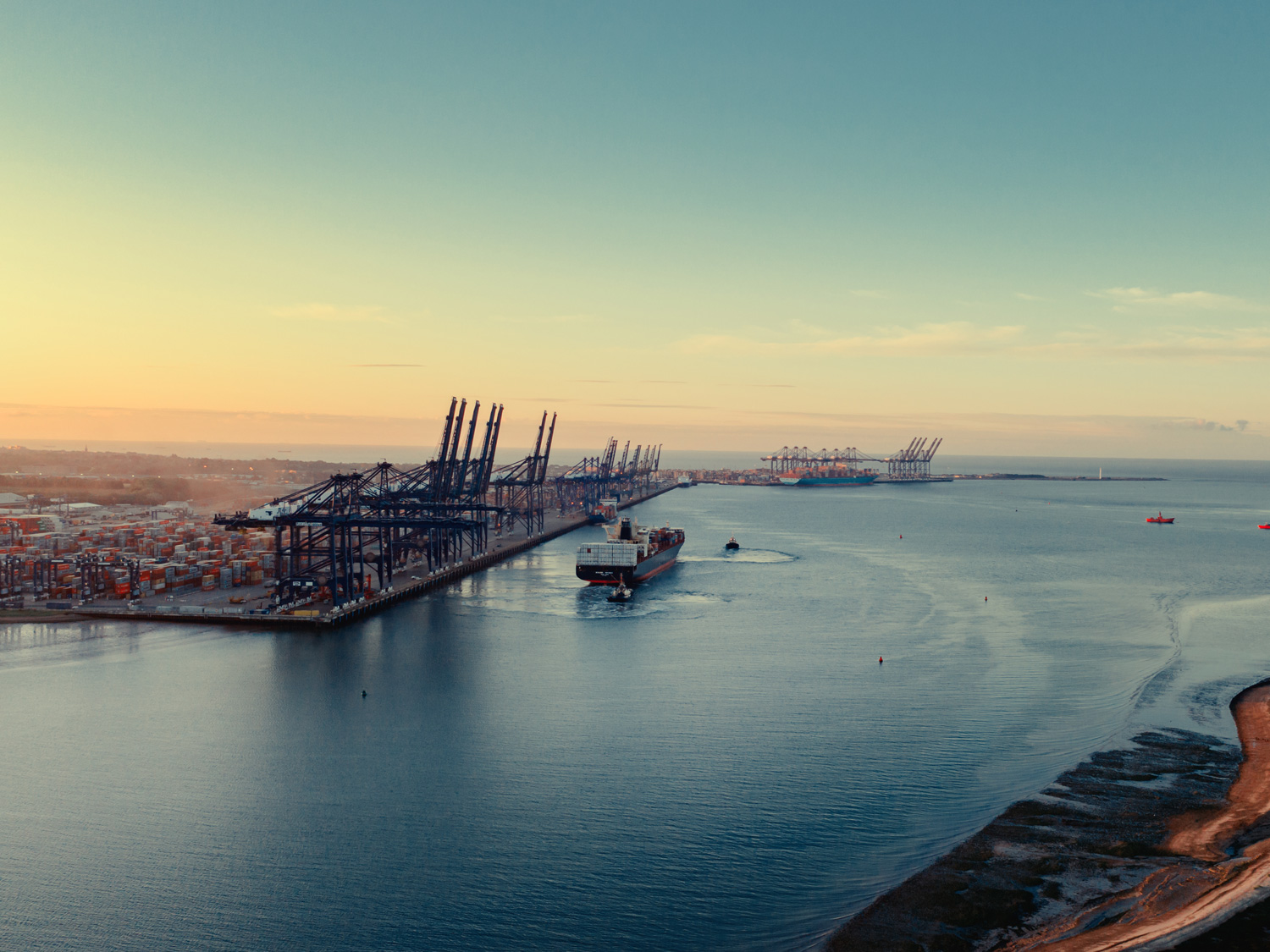
Global container traffic has increased by around 4% year on year, with Asia-Europe volumes rising approximately 12% and Asia-North America around 11%, with indexed rates rising 150% over two quarters.
Growth is also becoming more geographically diverse. Alongside resilient demand from Europe and North America, expanding trade with Africa and Latin America is absorbing additional vessel capacity that might previously have been available elsewhere.
At the same time, the mix of cargo moving through global supply chains is changing.
Rather than retailers replenishing inventories and other traditional sources of demand, increasing volumes are being generated by long-term investment in artificial intelligence infrastructure, data centres, batteries, electric vehicles and renewable energy technologies. These emerging industries will require sustained manufacturing and international transport over many years, creating a more durable source of freight demand than short-term consumer buying cycles.
More ships do not necessarily mean more capacity
Although shipping lines have ordered record numbers of new vessels, effective shipping capacity remains far tighter than headline fleet statistics suggest.
Only around 2% of the global container fleet is currently idle, while demand for charter vessels (particularly ships above 3,000 TEU) continues to strengthen. Carrier profitability also recovered sharply during the second quarter, reflecting healthier trading conditions after a difficult start to the year.
Meanwhile, operational constraints continue to reduce available capacity.
Most container services remain diverted around the Cape of Good Hope instead of using the Red Sea, significantly extending voyage times. Transit through the Strait of Hormuz remains uncertain following renewed regional tensions, while congestion at several major ports continues to delay vessel turnaround times.
Together, these factors mean carriers are deploying almost every available ship simply to maintain existing service networks.
Air freight points to the same underlying trend
Container shipping is not the only transport mode experiencing stronger market conditions.
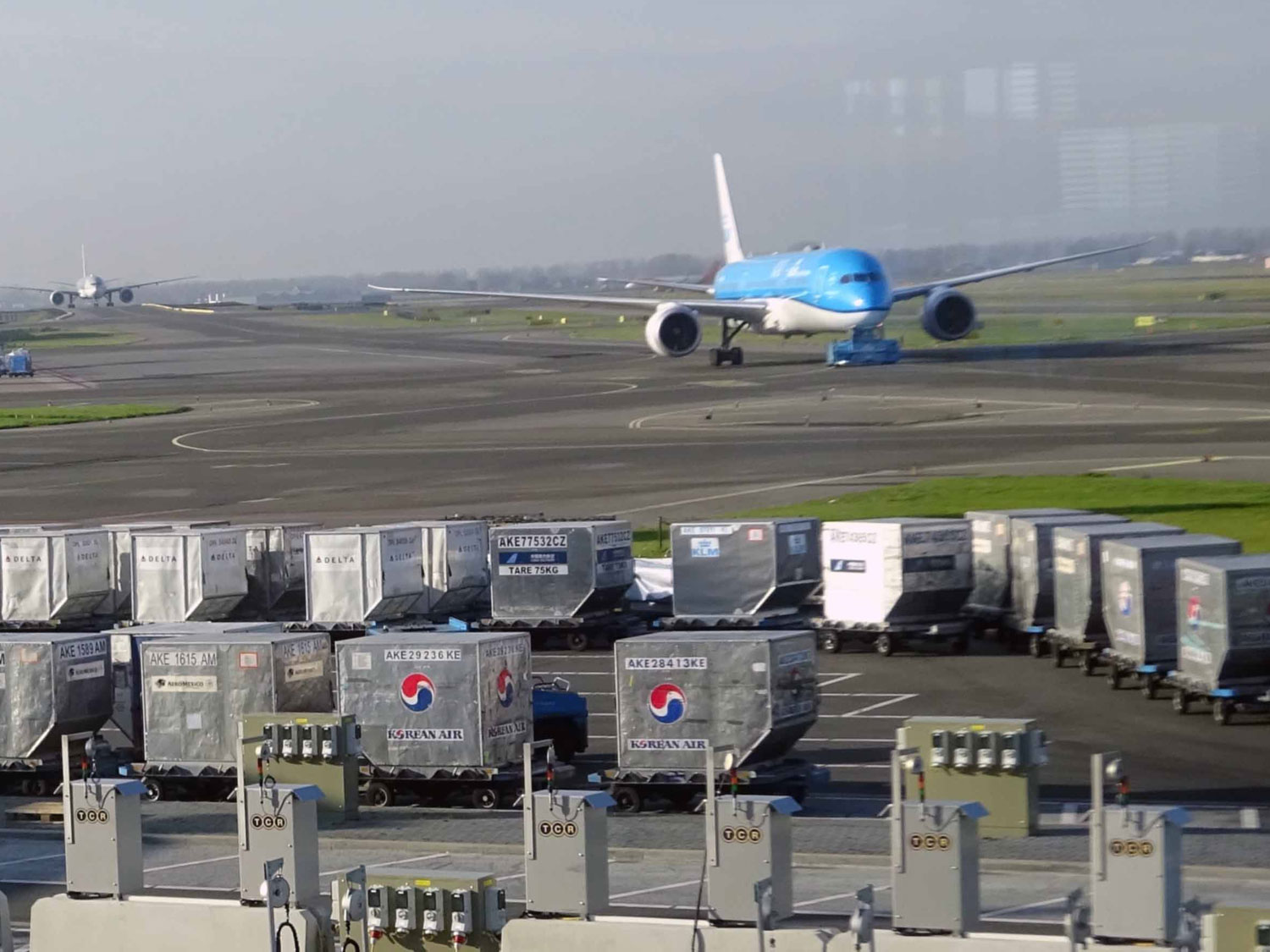
Air freight demand has also continued to strengthen since the second quarter, despite improving airline capacity and fewer operational disruptions, driving indexed rates up by a quarter in under six months.
When both ocean and air freight markets strengthen simultaneously, it indicates that demand for international transport is expanding across global supply chains rather than being driven solely by disruption affecting one particular trade route.
For cargo owners, that provides further evidence that today's freight market reflects broader structural demand rather than temporary geopolitical events alone.
Peak season is likely to remain challenging
Looking ahead, while some softening is probably inevitable, there is little indication that market conditions will change significantly before the end of the year.
Strong demand, limited spare shipping capacity, continuing port congestion and ongoing geopolitical uncertainty are all expected to support freight rates throughout the traditional peak season.
While some carriers have begun limited returns through the Suez Canal, these remain selective and do not yet represent a wider restoration of normal operating patterns.
As a result, businesses should continue planning for constrained capacity, longer booking lead times and freight costs remaining above historical averages.
Relief is coming, but not immediately
The substantial order-book of new container ships scheduled for delivery during 2027 and 2028 should eventually restore greater balance between supply and demand.
Until then, however, the combination of resilient trade growth and restricted effective capacity is likely to keep freight markets tighter than many expected earlier this year.
Rather than waiting for rates to fall, businesses should continue reviewing freight budgets, securing capacity early and building flexibility into their supply chain planning to reduce exposure to market volatility.
Metro can help you stay ahead of changing market conditions
Freight markets are evolving rapidly, making forward planning more important than ever. Whether you're reviewing sourcing strategies, managing peak season demand or looking to reduce transport costs through smarter routing and capacity planning, Metro's ocean freight specialists can help.
With global carrier relationships, flexible routing options and tailored supply chain solutions, we work alongside customers to secure reliable capacity and build resilient logistics strategies that keep cargo moving, whatever the market conditions.
EMAIL Metro’s Managing Director, Andrew Smith to discuss how we can support your international supply chain.