US ports to offer storage while others struggle

Sea freight rates from Asia continue to spike and remain on an upward trajectory

Between the start of April and last week, average spot rates from the Far East into North Europe increased by 31%, the US West Coast 30%, Mediterranean 25% and US East Coast 22%, with spot rates to Europe currently $6,000-$7,500 and analysts suggesting they may hit $10,000.

Market demand reached record levels in Q1 2024, up by 9.2% compared to Q1 2023, and coming at a time when the Red Sea situation was already putting pressure on shipping capacity, rate increases were inevitable. But it is the speed at which market turmoil has developed, that is creating nervousness in the market, with spot rates to Europe rising 6% in the last week.

Schedule reliability is still far from pre-pandemic levels, with Q1 on-time performance mooted to be just 27% which, combined with pockets of congestion, port omissions, delays and missed departures is having a massive impact on equipment availability at export hubs.

COVID-19 supply chain disruption is fresh in the memory of shippers and fearing a squeeze on capacity during the peak season many are importing more goods now. The traditional peak period, like the weather, is changing its seasons.

Much of these increased volumes are moving on the spot market, which is putting upwards pressure on rates, particularly as rising port congestion and equipment shortages are further diminishing available capacity. 

In addition, with the delays and the  impact on shipping schedules, caused through both carrier voluntary or involuntary port blankings, contract capacity is being reduced or completely removed, against agreements made earlier in the year, or at the backend of 2023. Sound familiar?

Long term rates on major trades have remained relatively flat in Q2, but with reduced space availability they are not covering the forecast allocations forcing shippers to find alternatives for the shortfall in demand for box movements. 

Short term spot and FAK rates are the only real mechanism as an alternative solution and this is currently absorbing all available container slots in the westbound Asia/ Europe trades.

Meanwhile, carriers will continue to make money from the spot market’s additional volumes ahead of the traditional peak season and that is what we have seen in the rate increases in May that look to continue, and possibly accelerate, as we enter June. 

The shipping lines are not the cause of the current situation, but there are advantages to a commodity driven model, where demand exceeds supply from their perspective.

However, the large BCO shippers are too aware that the bigger the gap gets between the spot and contract markets, the greater the risk that more of their cargo may get rolled, in favour of higher-yielding containers. This creates further demand and a willingness to pay higher rates, to ensure that product is shipped and deadlines can be met.

Even if there is capacity in the market, the fear factor can push up rates and shippers could be facing months of further elevated rates and increased delays, if higher demand continues to overtake available capacity.

However, the duration and scale of these price spikes could be less severe than those seen during the pandemic because volumes are increasing and not surging, which should mean that ports will (in time) be able to handle the higher volumes and strategies developed during the pandemic, like off-port container yards, are already in place. 

It is unlikely that this can be sustainable long term for any party or for the length of time seen during the Covid Pandemic days of lockdowns and increased consumer spending. There are other factors at play, in creating a similar environment to 2020/21 market conditions.

As we advised many weeks ago, the next large scale disruption which is beginning to really have a major effect is the lack of equipment where it is required in the manufacturing regions of Asia, due to shortages of available empty containers that are either ‘stuck’ on longer transiting vessels, or laying idle at destination (such as the Med) awaiting evacuation back to Asia. 

The impact in China is becoming very acute with a lack of available empty boxes creating bottle necks throughout the main gateways and congestion and queueing times increasing daily for vessels.

In addition, if the demand increase has been driven by an early start to the peak season, then we may expect demand-side pressure to begin easing off in a few months, although volumes and rates are likely to remain elevated for a while longer, due to the turbulence that is a consequence of the market conditions that are currently at play throughout the globe.

We will continue to update on the evolving situation, which is gathering pace due to many factors and dynamics. We do not foresee any short term rectification of the current market conditions which will undoubtedly continue to pay havoc with supply chains. 

We will always offer the best options available, being creative with the solutions that we offer – based on customer requirements – ensuring we always deliver against deadlines.

With carriers in the ‘driving seat’, they are cherry-picking which contracts to honour, rolling lower-yield containers and blanking vessels, to try and recover schedules.

With the market this challenging, there is no ’silver bullet’ and many shippers that try to play the spot market are coming unstuck.

Metro are leveraging our long-standing carrier relationships and sensible annual contracts, to guarantee our customers space and set rates.

To learn how we can enhance your ocean freight solutions, please EMAIL our Chief Commercial Officer, Andy Smith. 
Singapore boats at anchor 1440x1080 1

Global port congestion threat to capacity

The Red Sea crisis and the much longer sailing distances triggered by the diversion around Africa’s Cape of Good Hope (COGH) soaked up existing market overcapacity, which was just enough to cope with the extended COGH transit times, provided there were no additional disruptions to maritime supply chains.

The demand spike that began in Q1 caught everyone by surprise, but while speeding up vessels may have released additional capacity, increasing port congestion has eradicated any benefit from that capacity and is exacerbating an already serious situation.

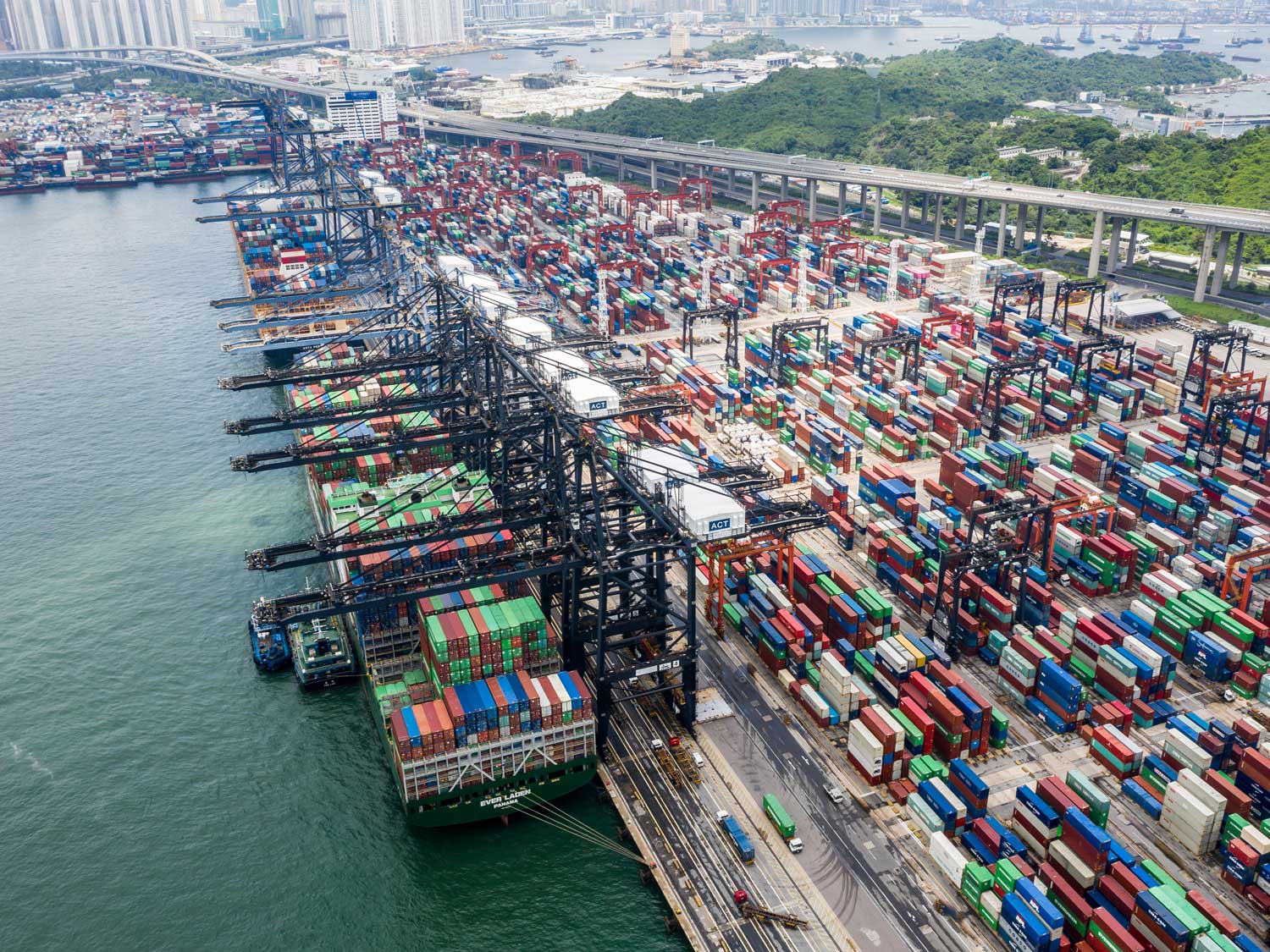
Port congestion in Asia and the Western Mediterranean has been gradually worsening for several months, but it is only now becoming plain that with zero excess capacity in the market to deal with new problems, port congestion is a critical issue.

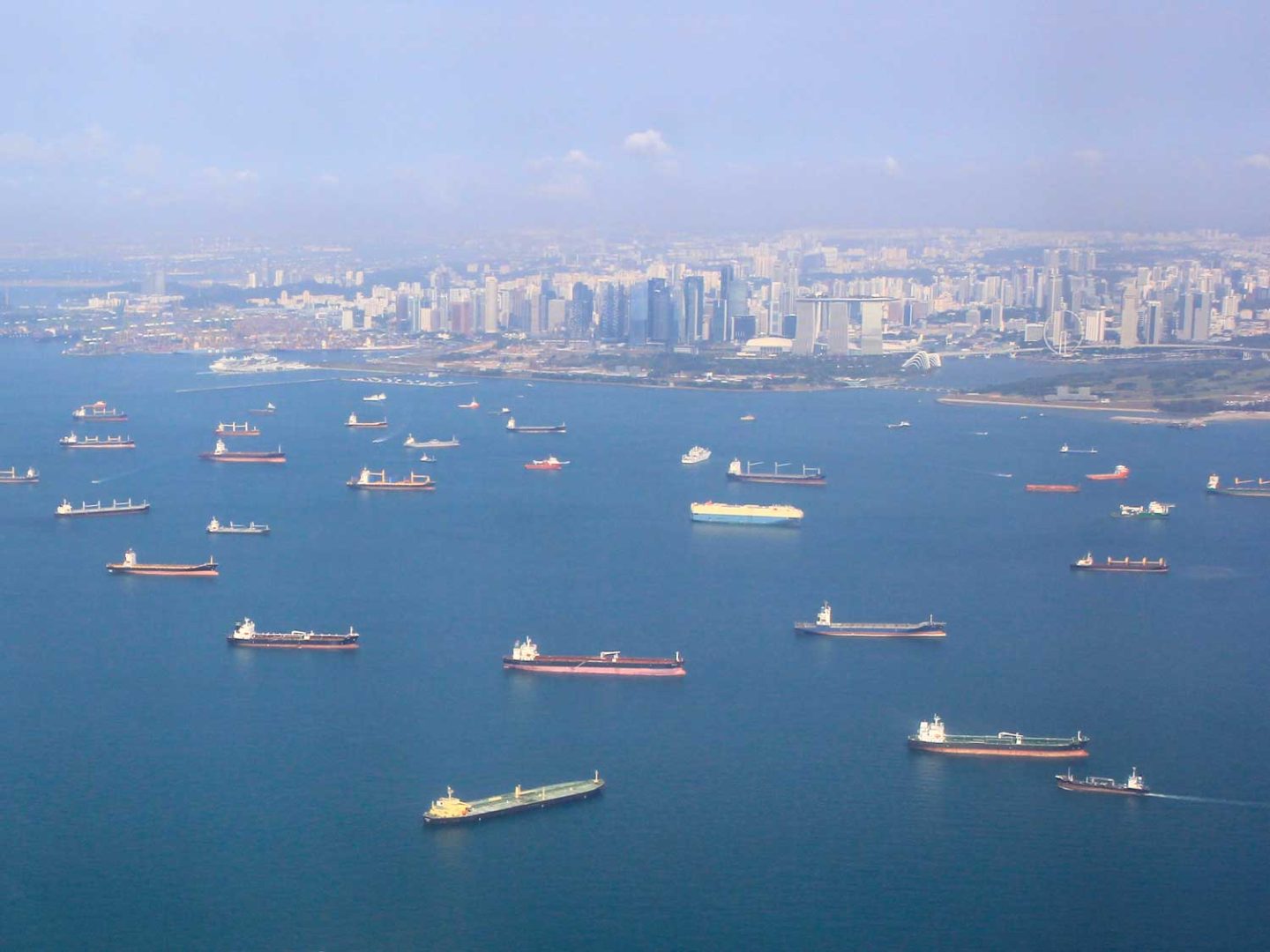
Shanghai, Ningbo, Qingdao and Singapore are particular chokepoints, with the latter’s berthing delays reaching seven days, forcing some carriers to omit planned calls, which will exacerbate the problem at downstream ports, that will have to handle additional volumes.

The delays have also resulted in vessel bunching, which contributes further to berthing delays and operations at downstream ports.

A current example of the accumulative impact of port congestion is ONE’s vessel, the MOL Presence, operating its Japan-Straits Malaysia loop. The vessel was six days late when it called at Hong Kong on the 12th May, which increased to seven days when it reached Port Klang in Malaysia, while congestion at Singapore means it would be 10 days late calling there on the 23rd May.

In terms of sailings on the westbound trade, 128 container vessels arrived in North Europe during April against an advertised 169. That’s a 25% reduction against expectations.

Western Mediterranean ports have been handling massively increased volumes as carriers from Asia drop boxes destined for the eastern Mediterranean and while they managed Q1 throughput, they are operating close to operational capacity, which means that any continuation or increase in volumes could lead to potentially serious congestion.

Port congestion and the consequential delayed vessel schedules is also creating issues with empty container availability, as boxes become delayed in transit, resulting in lower stock availability in the regions and at ports where they are needed. This impact is escalating daily on some trades and we will continue to update as this next challenge evolves at a fast rate.

The disruptions and higher sea freight prices from Asia could push even more volumes to sea/air solutions, that offer massively faster transit times than ocean, while being far less expensive than air freight.

It is important to note that while we are seeing dramatic increases on trades out of the Far East, the export spot market remains flat and there is also little movement on the Transatlantic trade.

We work closely with our network and carrier partners to monitor port congestion and equipment availability across Asia and Europe, with contingency plans to ensure product is delivered to market, without delay, until congestion finally subsides.

To learn how we can help you avoid disruption and port congestion, or to request our regular ocean market report, please EMAIL our sea freight director, Andy Smith, who can advise on the best solutions for your ocean supply chain. 

HKG port

Ex-Asia spot rate spiral turned into shooting star

Container shipping lines have announced significant rate hikes on all ex-Asia trade lanes, due to increased demand and increasing equipment challenges in more origins and it would be prudent to expect more of the same.

Effective capacity to North Europe has decreased by 5% compared to a year ago, due to the longer route around Africa, despite the deployment of 18% more vessel capacity. 

One leading carrier has suggested that capacity shortages could be as much as 20% and while the situation is not as grim as the carrier suggests, demand growth of 15% has taken the market by surprise with container equipment and vessels in short supply. 

It is difficult to see what precipitated the steep increase in demand over the last couple of weeks, which have been remarkably strong. It may be buyers pulling orders forward because they have concerns about global geopolitical uncertainties, or they need an additional two-week buffer of stock in transit. Or rates could be driven by a more general restocking to replenish inventories.

The speed and pace of change in the market has been phenomenal, replicating the lead-up to the peak of the pandemic, with demand hugely high. Add to that the early start of the traditional peak season in May, which is now seasonalising to the pre-pandemic model and it’s a potential nightmare scenario for importers.

Carriers are putting rates out and then withdrawing them because they have already been replaced with higher levels. 

FAK and spot rate quotes for most shipping lines are now closed until June, or later, so shippers can’t make a booking even if they are willing to pay premium prices.

Demand has grown consistently over the last two quarters and while new container ship deliveries continue, the diversion around the Cape of Good Hope, strong demand and additional summer service deployments are absorbing this capacity and we expect the lines to continue raising rates into the summer.

The ocean freight market has moved beyond ‘pay to play’, with carriers cutting back on contracts, blanking vessels and not carrying space forward. Shippers may look around and try to ‘play the market’ but everyone is in the same ‘boat’.

Metro are coping relatively well, thanks to our long-standing carrier relationships and sensible annual contracts, which guarantee us space and set rates.

To learn how we can enhance your ocean freight solutions, please EMAIL our Chief Commercial Officer, Andy Smith. 
Algeciras 1440x1080 1

Red Sea diversions create Western Mediterranean port congestion

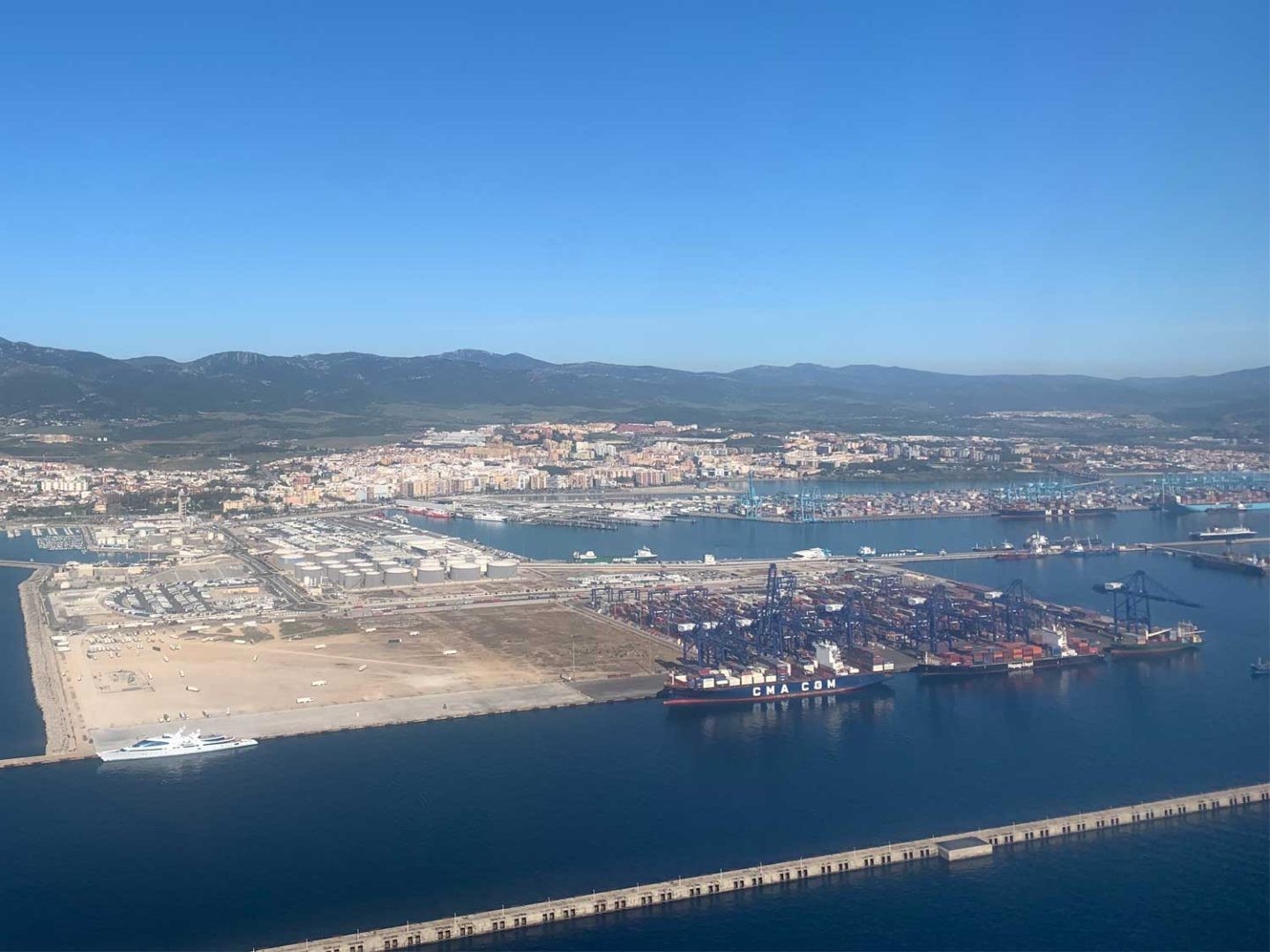
The mass diversion of container ships away from the Red Sea since December has raised fears of congestion across west Mediterranean container ports, as carriers from Asia drop boxes destined for the eastern Mediterranean.

Instead of entering the Mediterranean Sea dead end, created by the effective closure of the Suez Canal, Ultra-large container ships from the Far East are offloading containers at western Mediterranean ports such as Barcelona, with smaller feeder vessels transporting them to final central and eastern Mediterranean destinations.

Transhipment traffic in Barcelona was up year on year by 22%, 64% and 63% in January, February and March, while Algeciras, Valencia and Las Palmas grew at 7%, 18% and 33% in Q1 2024.

And while the ports managed the first quarter’s throughput, they are operating at (or are close to) operational capacity, which means that any continuation or increase in volumes could lead to a dangerously high level of utilisation and potentially serious congestion.

Alternatives, to spread volumes out, include the Moroccan hub of Tanger Med, but its utilisation is already sitting at 83%, so even a relatively small increase in volumes could fill it up.

The southern Portuguese port of Sines has capacity to handle an additional 1.4m teu, while the ports of Malaga and Castellon may also be worthy of consideration, to avoid a potential supply chain bottleneck, with storage yard capacity drying up at ports in the western Mediterranean.

The seven-day average vessel waiting time at Barcelona increased two days due to increased cargo flow, lowered productivity, IT issues and bad weather. Shipping lines are asking customers to pick up both their import units and empty containers as early as possible, due to congested line-up and increased waiting times.

One of the two container terminals at Algeciras confirmed that their facility was “quite full” and warned that “capacity is very limited”, leading them to restrict the amount of cargo accepted, to avoid severe congestion.

There are two potentially significant negative outcomes due to the current Mediterranean situation:

First, transshipment networks require more ships for the feeder services and carriers may remove ships from other trades, particularly those in North Europe, which could create a capacity squeeze and push rates up.

Second, port congestion creates a de-facto reduction of available vessel capacity, which leads to an increase in blank sailings, because there is a schedule gap when vessels are unavailable, which squeezes capacity and pushes up rates.

If you have any questions or concerns about the issues outlined in this article, or would like to discuss any aspect of your Mediterranean supply chain, please EMAIL our Chief Commercial Officer, Andy Smith.