
Retail & Consumer
Multi-modal transport with purchase order visibility. Customs, warehouse and distribution solutions that synchronise inventory flow through your global supply chain.

+
Years
Experience

M
Purchase
Orders

K
Vendors
Managed
Retail
- N Technologically driven visibility
- N Tailored supply chain management
- N Value added end-to-end solutions
Fashion and Garments
- N GoH & specialist handling
- N Global inventory visibility
- N SKU level control
eCommerce
- N Shipping & customs compliance
- N Warehouse & order fulfilment
- N Courier & returns management
Learn more

Retail News & Insights
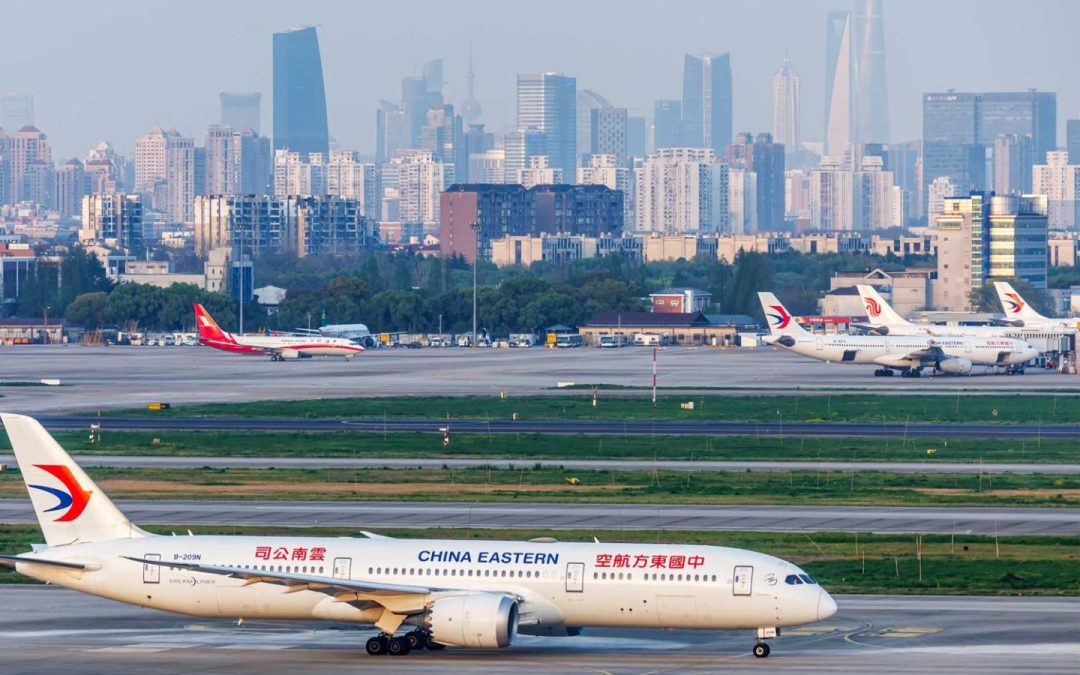
Regional airfreight demand and capacity diverge
The global airfreight market is becoming increasingly difficult to predict through headline averages. While worldwide volumes remain above last year’s levels, conditions are diverging sharply between individual origins and trade lanes as de-minimis regulation, technology demand, weather disruption and capacity…

US tariff uncertainty is becoming a permanent supply chain challenge
US importers face another period of significant trade policy change as the Trump administration expands its use of tariffs across countries, commodities and industries. The immediate challenge is understanding which measures apply and how they interact. The wider issue is…

Peak season survey reveals cautious confidence as demand strengthens
Metro’s Q3/26 Peak Season Survey suggests businesses are entering the second half of the year with growing confidence, despite ongoing uncertainty across global supply chains. While current shipping volumes remain mixed, the outlook for the next three months is positive….

Sterling strengthens against the US dollar; what it means for importers and exporters
The pound has been strengthening against the US dollar, improving sterling buying power for many UK businesses purchasing goods and services priced in dollars. For importers, that’s welcome news. A stronger pound can reduce the sterling cost of overseas purchases,…
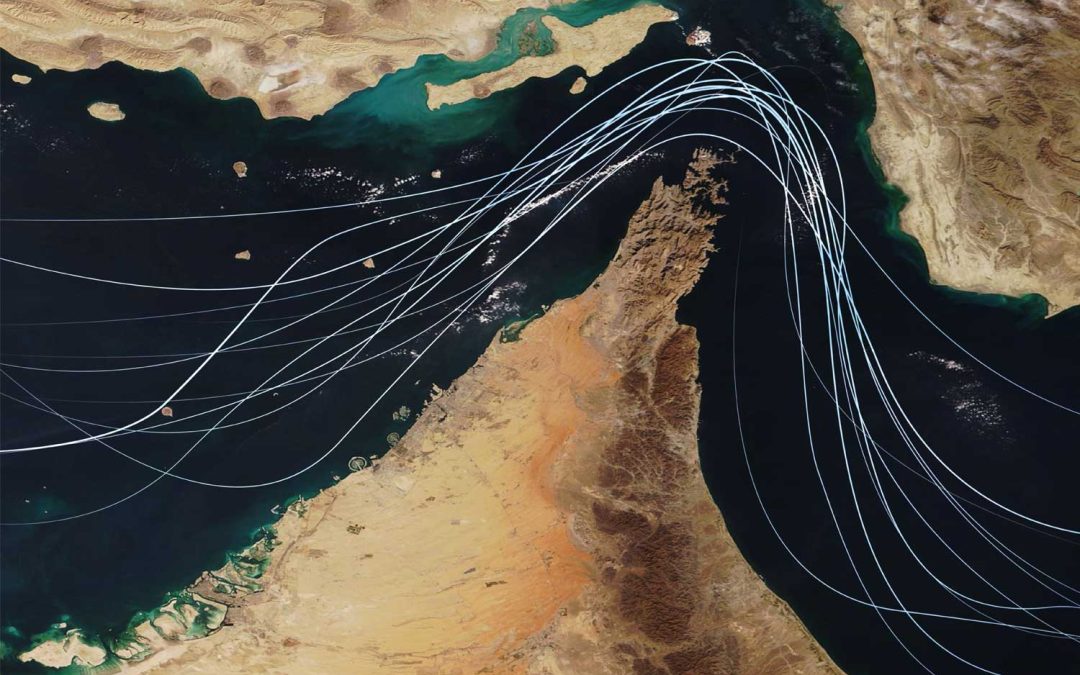
Middle East conflict is reshaping global shipping once again
Commercial shipping in the Strait of Hormuz and Red Sea is facing renewed disruption with 14 Iranian attacks on vessels since June 25th, the breakdown of the US-Iran ceasefire and a Houthi threat to target Saudi-linked shipping in the Bab…

Air freight markets under pressure as capacity struggles to recover
Global air freight markets continue to outperform expectations, but the balance between supply and demand remains fragile. What began as a short-term disruption following renewed conflict in the Middle East has evolved into a more structural capacity challenge, keeping rates…

UK trade deals open new opportunities
The UK’s trade agenda continues to gather momentum, creating new opportunities for businesses trading internationally, while reshaping the way they access global markets. The most recent agreements with major trading partners across Asia-Pacific, the Gulf, North America and Europe have…
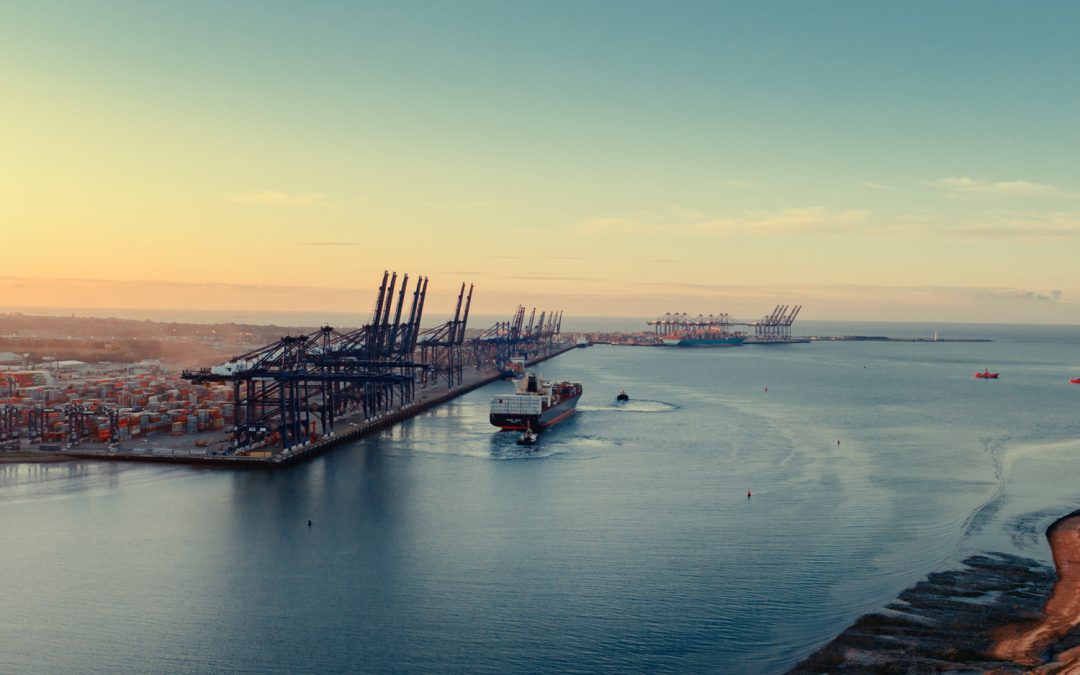
Strong demand and constrained capacity are reshaping container shipping
For much of the recent past, freight markets have lurched from one disruption to another. Pandemic recovery, conflict in the Red Sea, tariff uncertainty and conflict in the Middle East have each triggered periods of higher freight rates before conditions…

India, the hottest shipping lane
Ocean freight from India has entered a period of intense demand, with tightening vessel space, rising freight rates and increasing competition for capacity across both European and North American trade lanes. For businesses diversifying manufacturing away from China or expanding…

July deadline for eFiling US product compliance
From 8 July, regulated consumer products entering the US must be supported by electronic compliance certificates filed at the time of customs entry, turning missing or inaccurate information into a direct threat to supply chain continuity. This is not a…
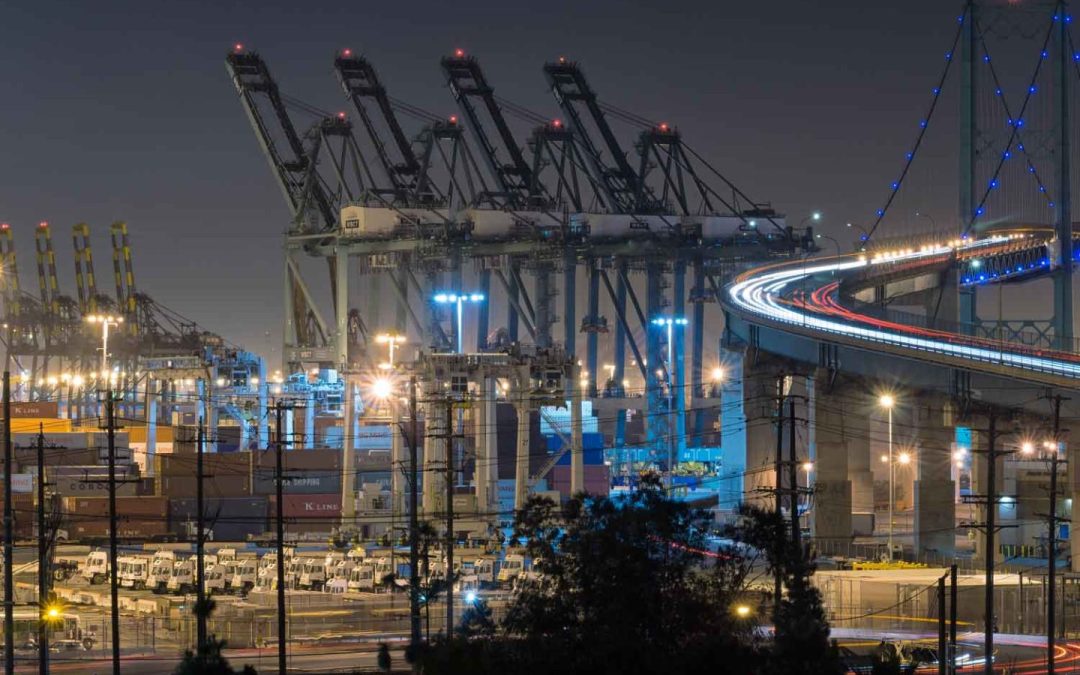
Early peak season surge tightens Asia ocean freight markets
Peak season has arrived earlier than expected and it is already putting global container supply chains under strain, with tightening capacity, rising rates, and growing competition for space across both Asia–US and Asia–Europe trades. What is typically a late summer…
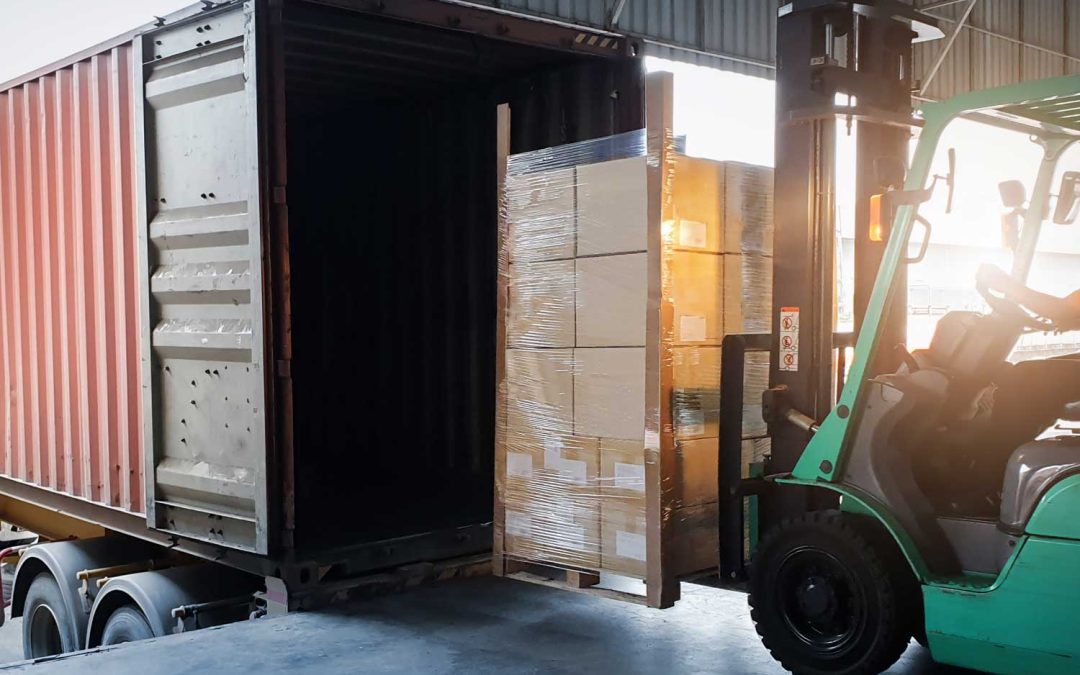
Why more importers are rethinking FCL during peak season pressure
Metro’s LCL Optimised Solution lets shippers move smaller, more frequent orders without paying for empty container space, freeing up working capital and easing the current squeeze on capacity. As peak season tightens capacity across the major east-west container trades, many…
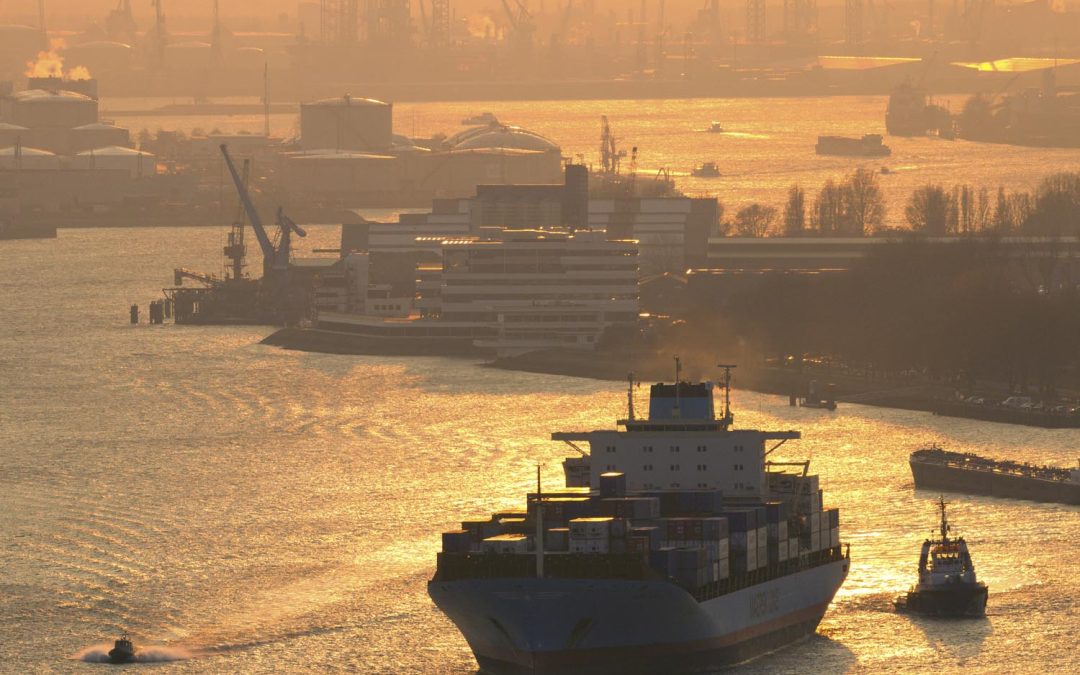
Port congestion spreads as delays ripple through global supply chains
Port congestion in North Europe and East Asia is increasingly a two-ended problem: weather and capacity issues at origin delay departures, and when those same vessels finally reach port in Europe, they miss their planned berths and are forced to…
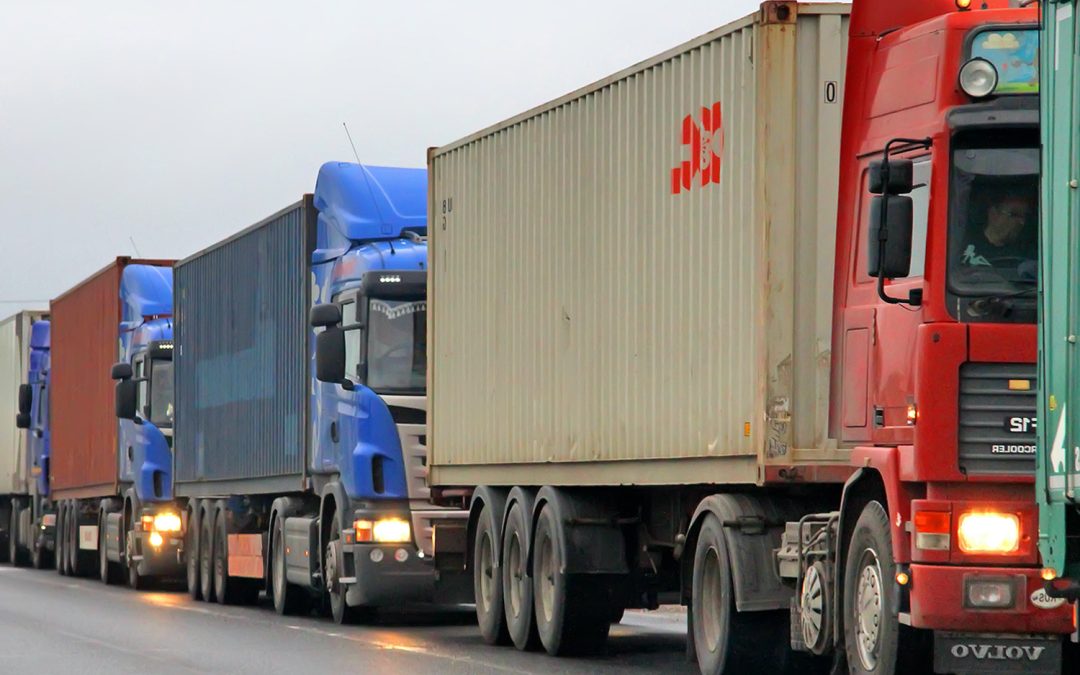
Capacity tightens and rates surge as peak season pressure builds
Asia–Europe and transpacific market conditions have shifted sharply in recent weeks, as strong demand tightens available space and enables carriers to push through higher spot rates and surcharges, even on shipments moving under long-term contracts. Recent index data shows steady…
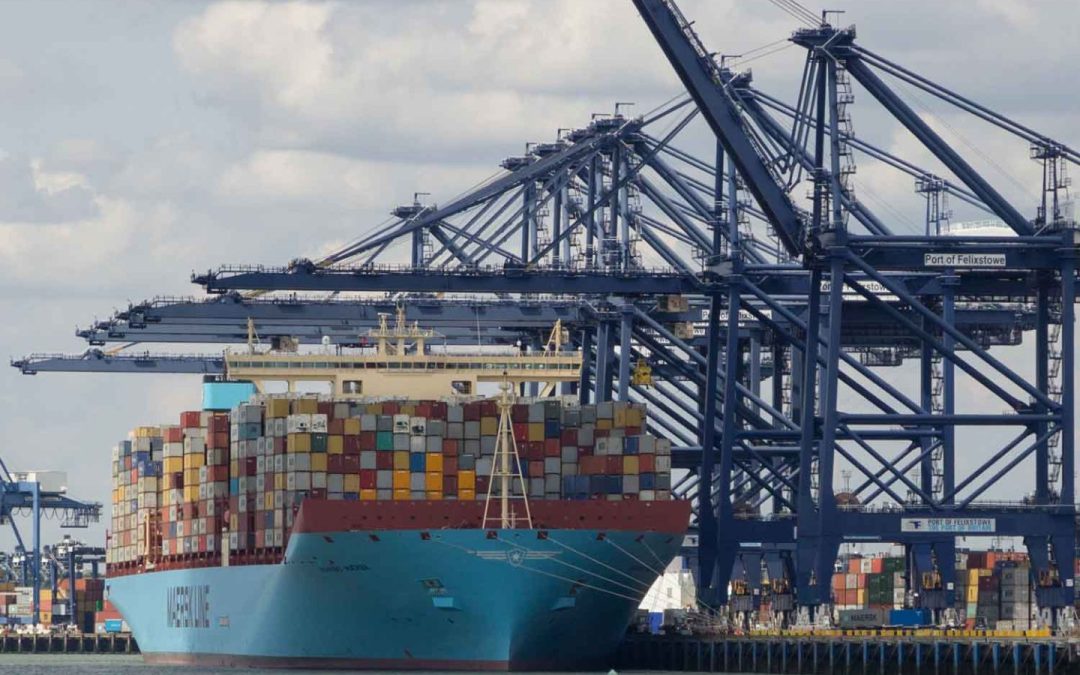
Hormuz Is Pulling the Ocean Peak Forward
Container shipping normally follows a traditional demand curve, with rates climbing into Chinese New Year, softening through spring, and then building towards a Q3 peak. But not this year. The crisis around the Strait of Hormuz is introducing an extra…

Middle East Conflict Is Rewriting the Airfreight Peak
Airfreight has always played a dual role in supply chains, providing a reliable core mode for some flows and a pressure‑relief valve when ocean networks clog up. The current Middle East crisis has upended that safety‑valve function; because instead of…

China’s New 2026 Supply Chain Laws: What You Need to Know
China is rewiring the legal framework around its ports and supply chains and that matters for every UK shipper moving goods to, from or via China. Two new sets of rules in 2026 change who controls disputes, how far you…

UK–EU reset could ease border friction for importers and exporters
On 13 May 2026, the King’s Speech set out the government’s plans for the next Parliamentary session, including efforts to reset post-Brexit relations, forge closer economic ties with the EU and reduce unnecessary barriers to trade. The reset is not…
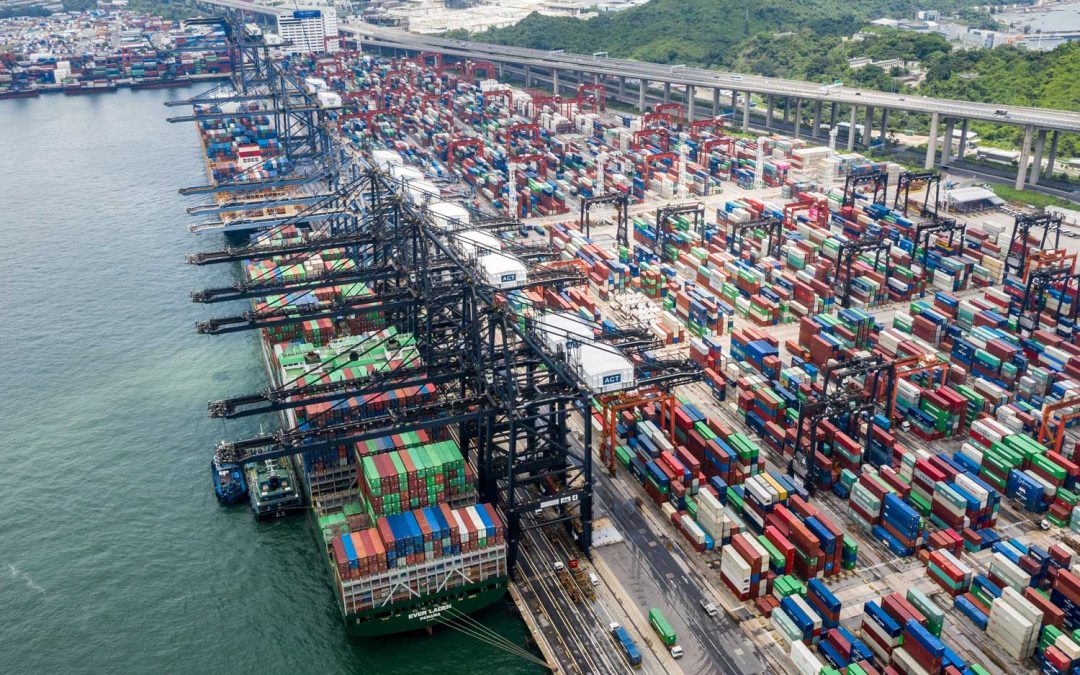
Peak season uncertainty grows as shippers front-load inventory and freight demand diverges
Container shipping markets appear to be entering an earlier and increasingly fragmented peak season, as geopolitical disruption, rising fuel costs and tighter carrier capacity management reshape freight demand across major trade lanes. Bookings on several east-west corridors strengthened earlier than…

Fuel shocks across ocean, air and road freight
With the Strait of Hormuz effectively closed, crude oil can still exist within the region, but refined products, which includes marine fuel, jet fuel and diesel, can no longer move freely to key consumption markets, which has triggered a sharp…
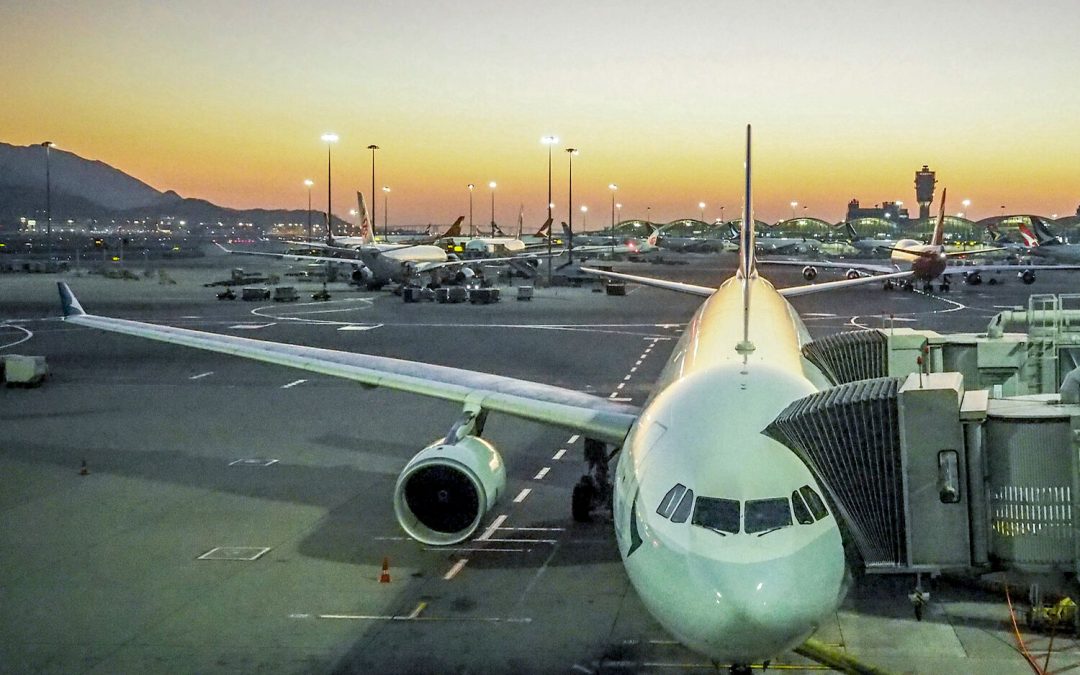
Airfreight rates remain elevated with disruption likely to delay recovery
Airfreight markets have undergone a prolonged period of elevated pricing since the start of Middle East hostilities and despite softer demand in recent weeks spot rates have continued to rise sharply. Global spot rate indices are up by more than…
Case Study
Accelerating air freight
When one of the UK’s leading garment retailers wanted to streamline its supply chain and avoid delays at London Heathrow, we implemented changes that made it faster and slashed costs, while increasing access to capacity and choice of carrier.
GoH are now converted into specifically designed cartons, shipping as flat pack cargo, which eliminates excess (chargeable) volume, significantly reducing freight costs and increases choice of carriers to all cargo carrying airlines and particularly those serving regional airports, including Birmingham, providing immediate access to the retailer’s distribution network.
Garments are processed on arrival in a dedicated, secure area and delivered directly to RDC or store.
The use of a regional airport is not only inexpensive and convenient; it is more effective, particularly in the peak season when backlogs and congestion persist at Heathrow.