
Chemicals
Experts in the safe, effective and environmentally compliant handling and transportation of hazardous and challenging products.

K+
TEU

M+
Kilos

K
Consignments
Safety
- N Qualified and trained personnel
- N Fully compliant logistics
- N ISO Quality standards
Logistics
- N Specialist chemical facilities
- N Documentation and 4PL solutions
- N Industry approved equipment
Compliance
- N IATA DGR, IMDG, ADR
- N Environmentally sustainable solutions
- N Industry regulated
Learn more

Chemicals News & Insights
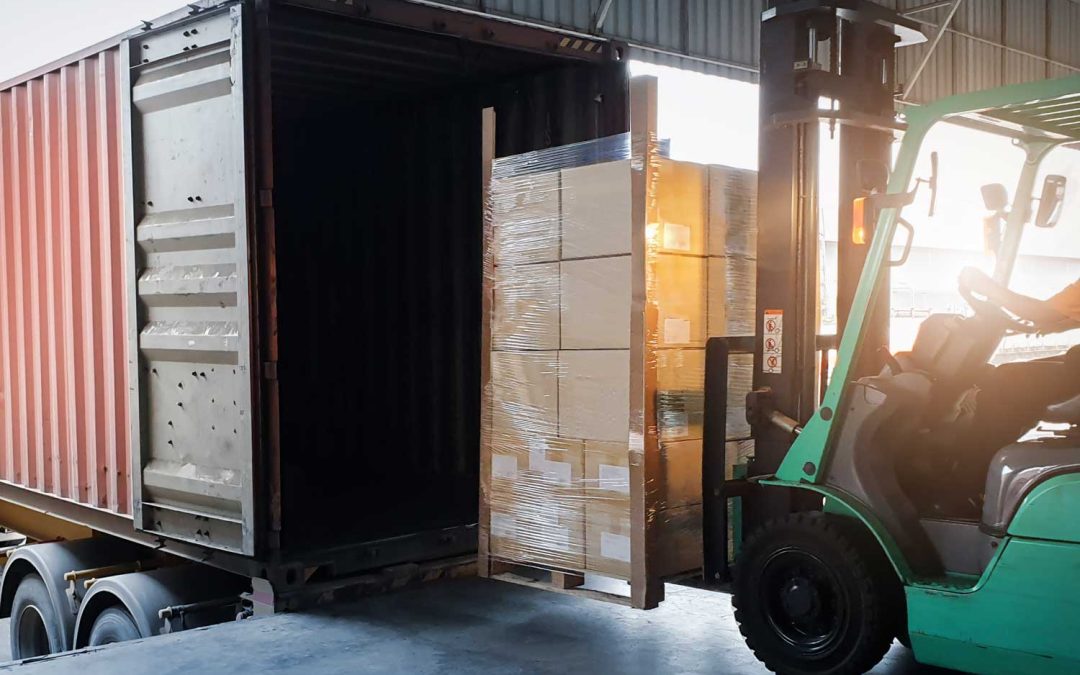
Asia–UK ocean market faces volatile October as capacity shifts
UK importers face an unusually volatile October as falling Asia–Europe freight rates collide with excess scheduled capacity, returning Suez services, short-notice blank sailings and continuing disruption across Asian ports. Ocean carriers are attempting to halt a 12-week decline in Asia–Europe…

Airfreight market strengthens as peak season nears
Global air cargo demand and rates are strengthening ahead of the traditional peak season, with rising volumes, firm pricing and higher fuel costs creating a more robust market as October begins. The latest TAC Index and WorldACD data point to…
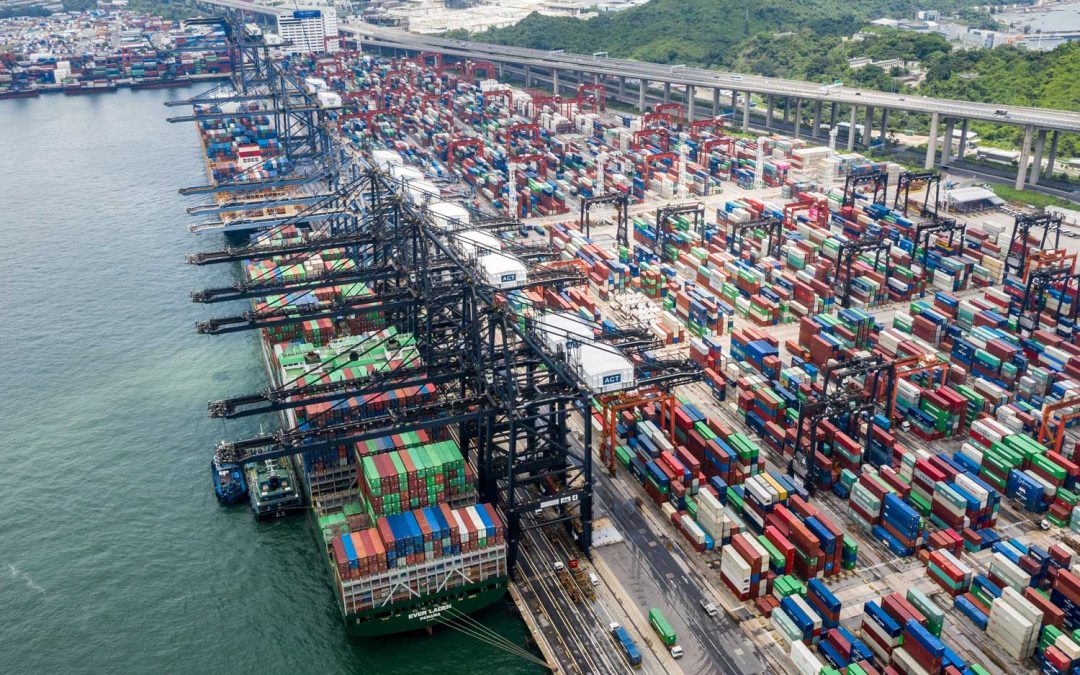
Asian port congestion could disrupt supply chains well into 2027
Severe congestion across Asian container ports is tying up millions of TEU of capacity, driving schedule reliability to a four-year low and raising the prospect of disruption continuing well into 2027. Repeated typhoons, strong Asian export demand and congestion spreading…
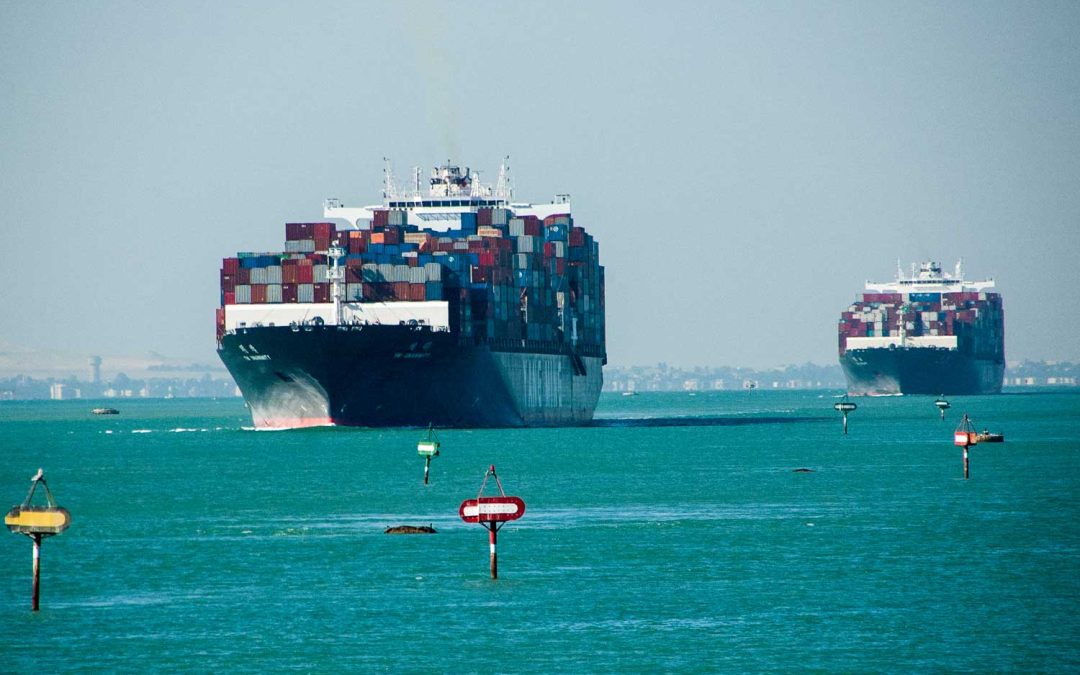
Suez returns as Middle East shipping risks intensify
Container lines are restoring services through the Red Sea and Suez Canal, promising shorter Asia–Europe transits and more effective capacity. But the security picture around the Middle East’s critical shipping chokepoints is becoming more complicated, not less. More Asia–Europe services…
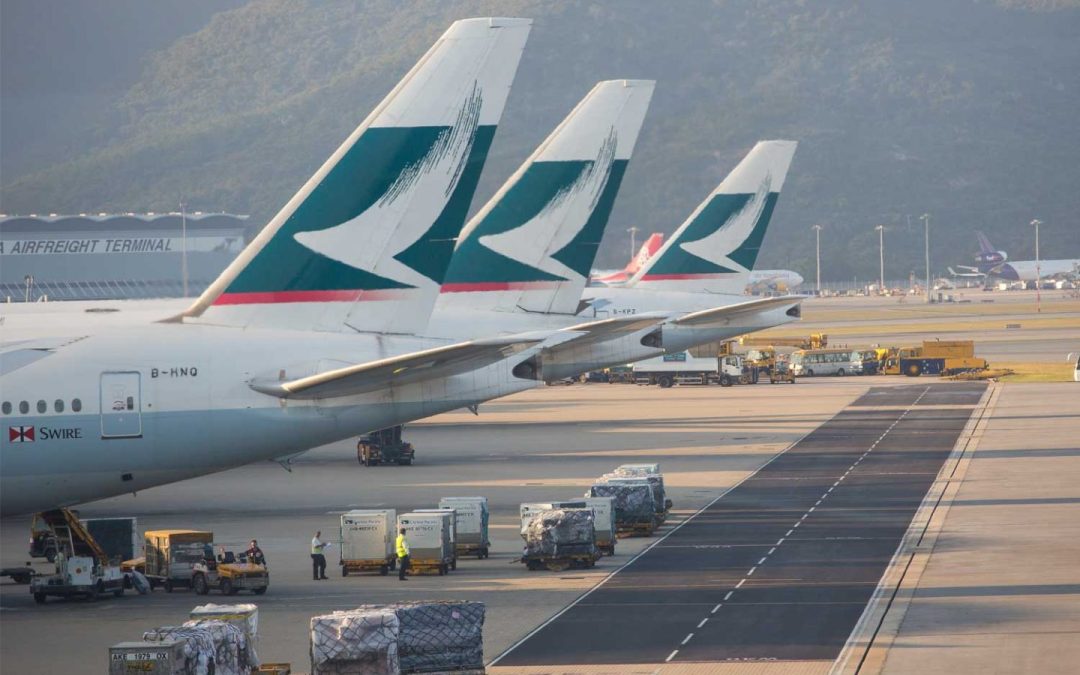
Asia air freight enters autumn with momentum intact
Air cargo’s traditional summer slowdown has failed to significantly loosen the market, with resilient demand, constrained capacity and renewed growth on key ex-Asia lanes keeping pressure on space and pricing as autumn begins. Global air cargo volumes were 6% higher…

Road freight resilience starts before the truck arrives
UK haulage is entering a period in which access to the right vehicle, route and transport option could become increasingly important. For shippers, that makes planning and flexibility just as important as the rate agreed for an individual movement. More…
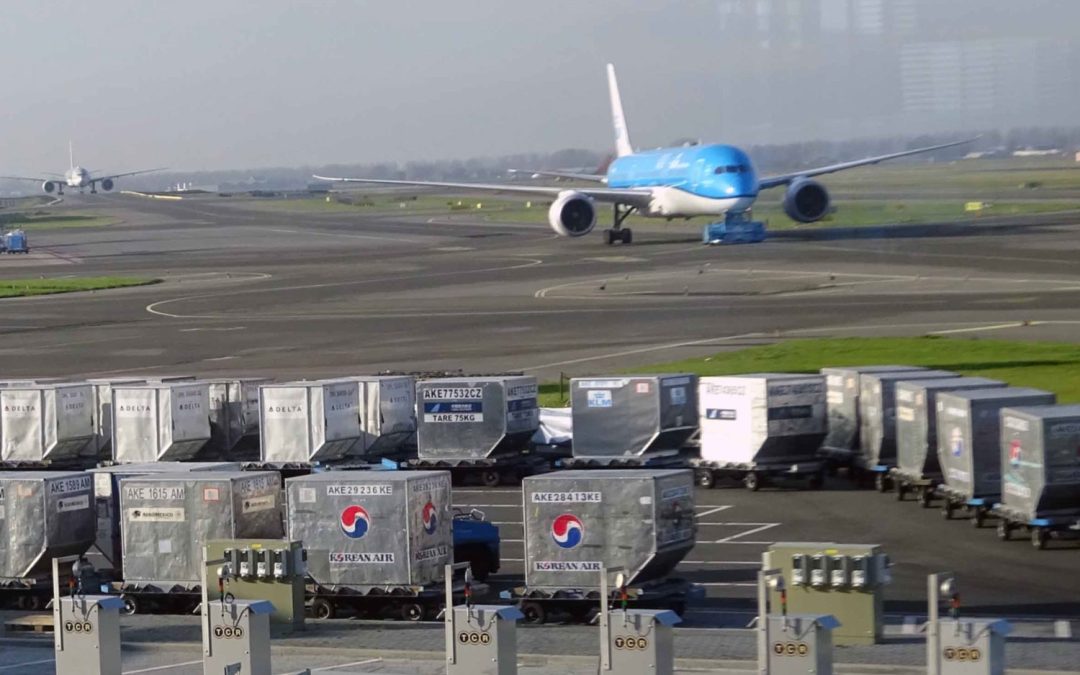
Air freight market tightens ahead of autumn peak
Air freight enters the traditional peak-season build-up with a finely balanced market, as capacity reductions and resilient pricing create the potential for rapid tightening when Asian export demand accelerates. The usual late-September surge may still be several weeks away, but…
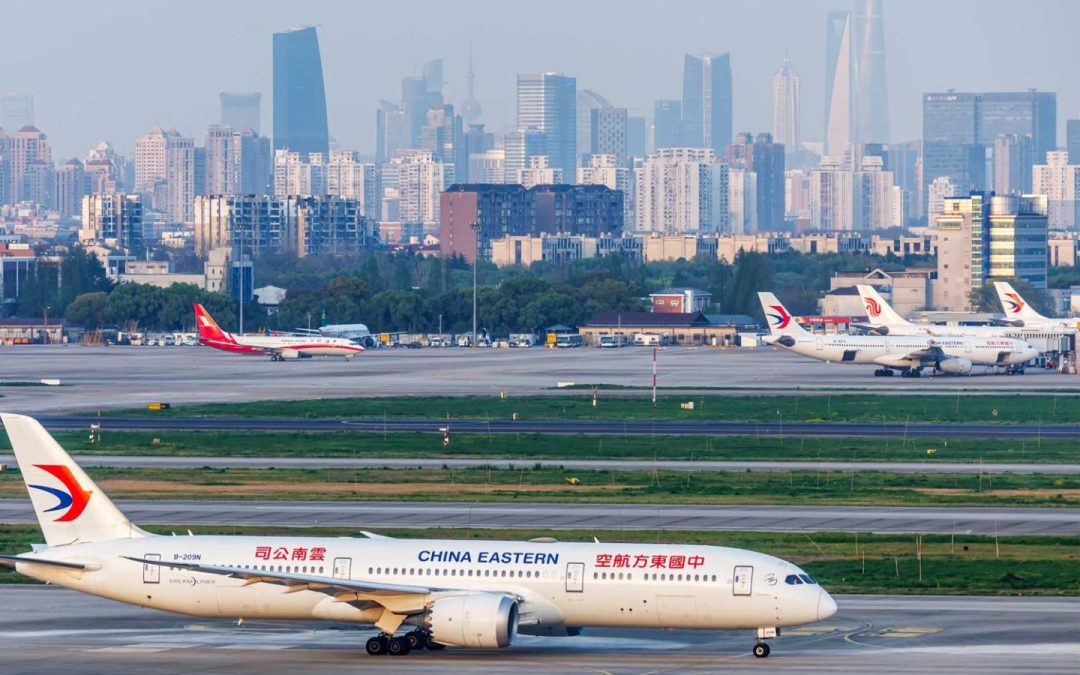
Regional airfreight demand and capacity diverge
The global airfreight market is becoming increasingly difficult to predict through headline averages. While worldwide volumes remain above last year’s levels, conditions are diverging sharply between individual origins and trade lanes as de-minimis regulation, technology demand, weather disruption and capacity…

US tariff uncertainty is becoming a permanent supply chain challenge
US importers face another period of significant trade policy change as the Trump administration expands its use of tariffs across countries, commodities and industries. The immediate challenge is understanding which measures apply and how they interact. The wider issue is…

Peak season survey reveals cautious confidence as demand strengthens
Metro’s Q3/26 Peak Season Survey suggests businesses are entering the second half of the year with growing confidence, despite ongoing uncertainty across global supply chains. While current shipping volumes remain mixed, the outlook for the next three months is positive….

Sterling strengthens against the US dollar; what it means for importers and exporters
The pound has been strengthening against the US dollar, improving sterling buying power for many UK businesses purchasing goods and services priced in dollars. For importers, that’s welcome news. A stronger pound can reduce the sterling cost of overseas purchases,…
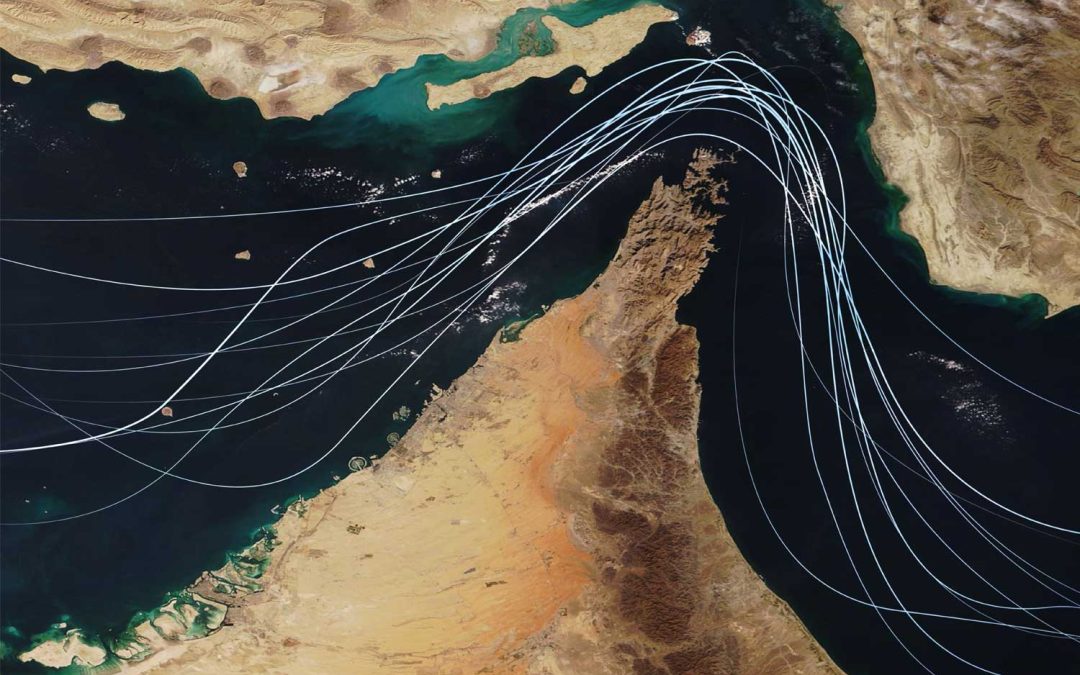
Middle East conflict is reshaping global shipping once again
Commercial shipping in the Strait of Hormuz and Red Sea is facing renewed disruption with 14 Iranian attacks on vessels since June 25th, the breakdown of the US-Iran ceasefire and a Houthi threat to target Saudi-linked shipping in the Bab…

Air freight markets under pressure as capacity struggles to recover
Global air freight markets continue to outperform expectations, but the balance between supply and demand remains fragile. What began as a short-term disruption following renewed conflict in the Middle East has evolved into a more structural capacity challenge, keeping rates…

UK trade deals open new opportunities
The UK’s trade agenda continues to gather momentum, creating new opportunities for businesses trading internationally, while reshaping the way they access global markets. The most recent agreements with major trading partners across Asia-Pacific, the Gulf, North America and Europe have…
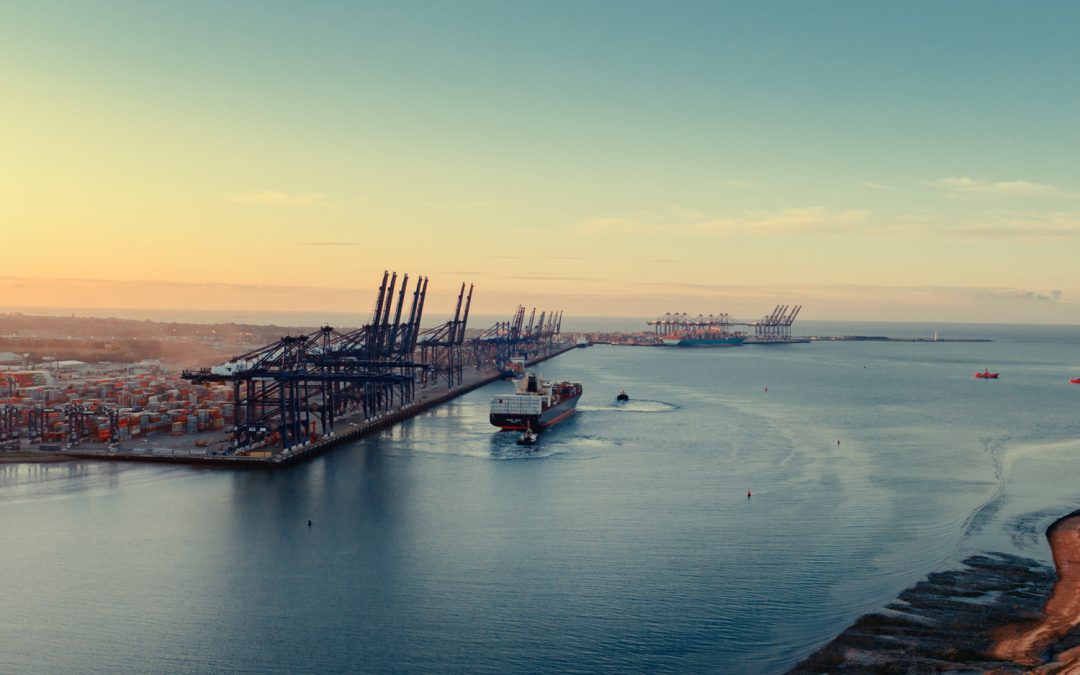
Strong demand and constrained capacity are reshaping container shipping
For much of the recent past, freight markets have lurched from one disruption to another. Pandemic recovery, conflict in the Red Sea, tariff uncertainty and conflict in the Middle East have each triggered periods of higher freight rates before conditions…

India, the hottest shipping lane
Ocean freight from India has entered a period of intense demand, with tightening vessel space, rising freight rates and increasing competition for capacity across both European and North American trade lanes. For businesses diversifying manufacturing away from China or expanding…

July deadline for eFiling US product compliance
From 8 July, regulated consumer products entering the US must be supported by electronic compliance certificates filed at the time of customs entry, turning missing or inaccurate information into a direct threat to supply chain continuity. This is not a…
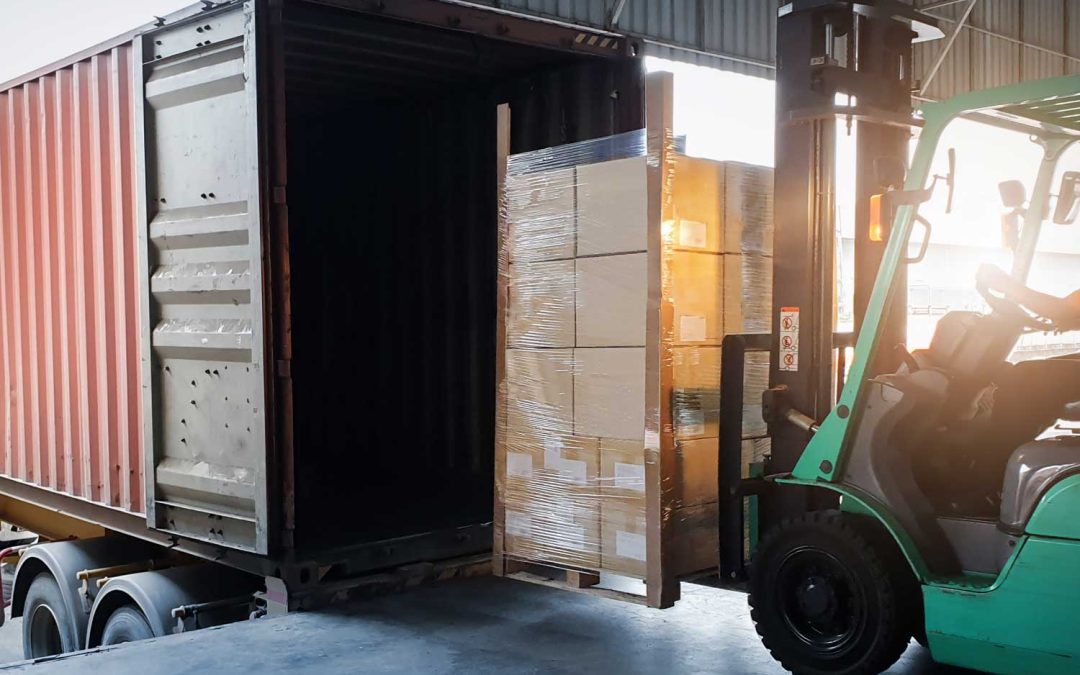
Why more importers are rethinking FCL during peak season pressure
Metro’s LCL Optimised Solution lets shippers move smaller, more frequent orders without paying for empty container space, freeing up working capital and easing the current squeeze on capacity. As peak season tightens capacity across the major east-west container trades, many…
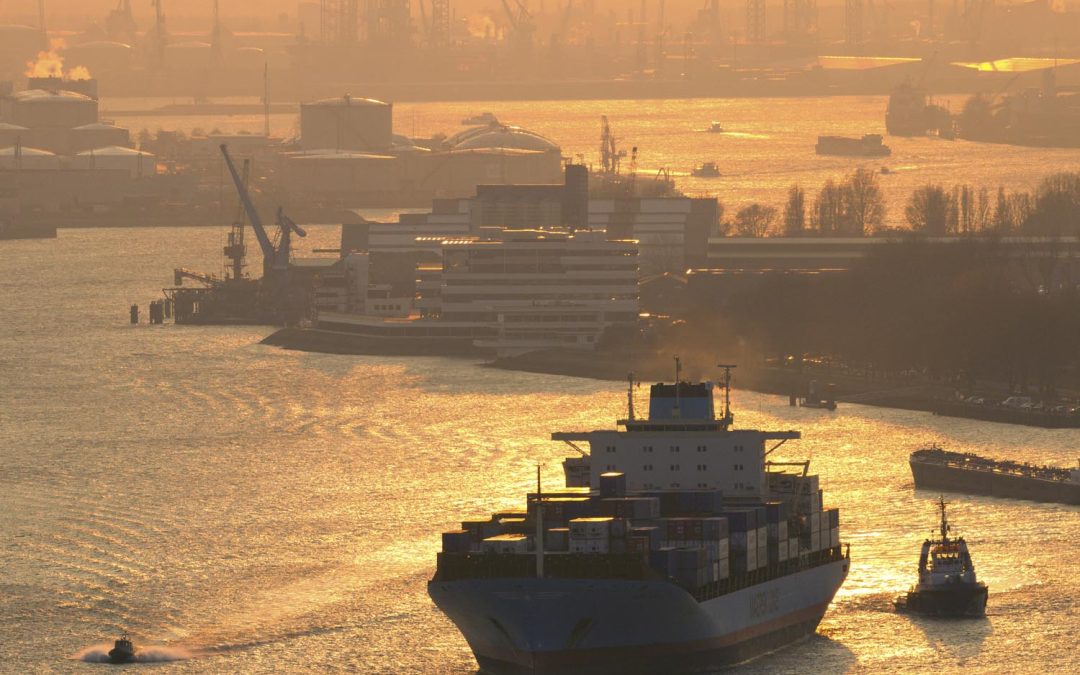
Port congestion spreads as delays ripple through global supply chains
Port congestion in North Europe and East Asia is increasingly a two-ended problem: weather and capacity issues at origin delay departures, and when those same vessels finally reach port in Europe, they miss their planned berths and are forced to…

USMCA renewal talks critical for North American manufacturing supply chains
The United States-Mexico-Canada Agreement (USMCA) is the legal and operational backbone of a $31 trillion North American trading bloc, and its renewal process is a live strategic risk factor for manufacturers and automotive brands active in the region. Renewal negotiations…
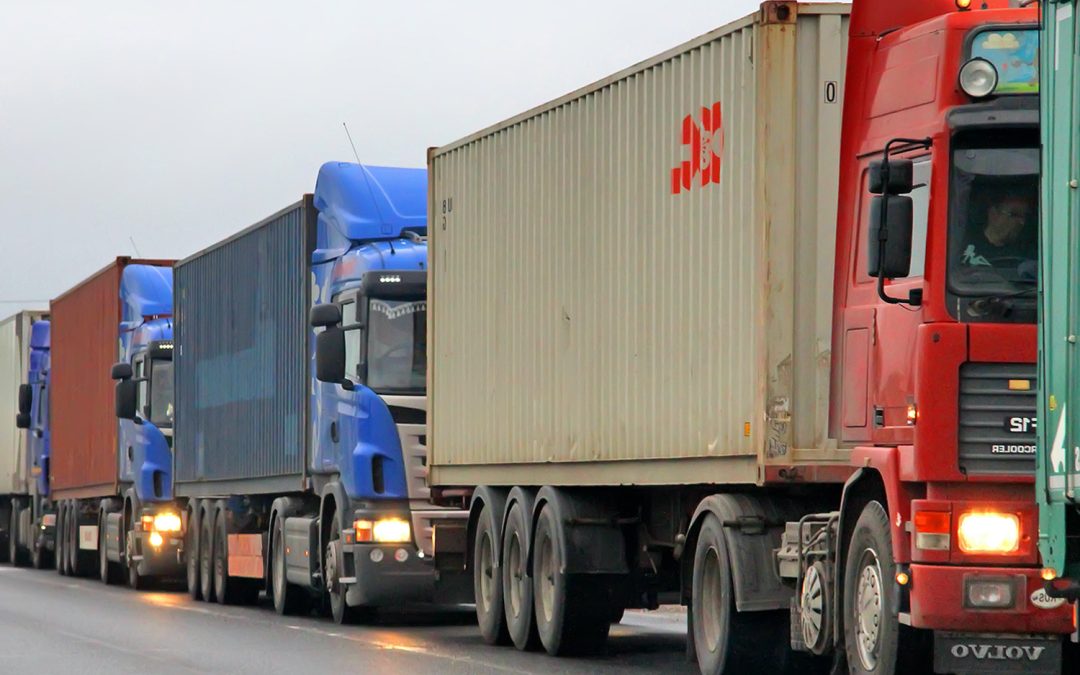
Capacity tightens and rates surge as peak season pressure builds
Asia–Europe and transpacific market conditions have shifted sharply in recent weeks, as strong demand tightens available space and enables carriers to push through higher spot rates and surcharges, even on shipments moving under long-term contracts. Recent index data shows steady…
Case Study
Adding pinpoint visibility to additives
This leading speciality chemical client operates 59 production sites in 33 countries, with clients in a further 70 countries and a fleet of ISO tank-tainers constantly moving between factories and customer sites. Despite onboard GPS, the client had limited visibility of these critical assets, which made it difficult to manage deployment and achieve turnaround times or service levels.
Metro’s technical solutions team linked the onboard GPS devices to the MVT supply chain management platform and created geo-fencing perimeters at factory, customer, workshop and store locations to define whether tanks were at designated sites, in transit, or exceeding agreed time.
MVT monitors ISO Tank progress, highlighting non-conformities and automatically resolving or alerting personnel. The client has improved profitability by increasing turnaround times and reducing redundant dwell time, which increases the ROI generated by these key assets.