Asia sea rates peaking

Sea freight rates to remain elevated into 2022 – and likely beyond

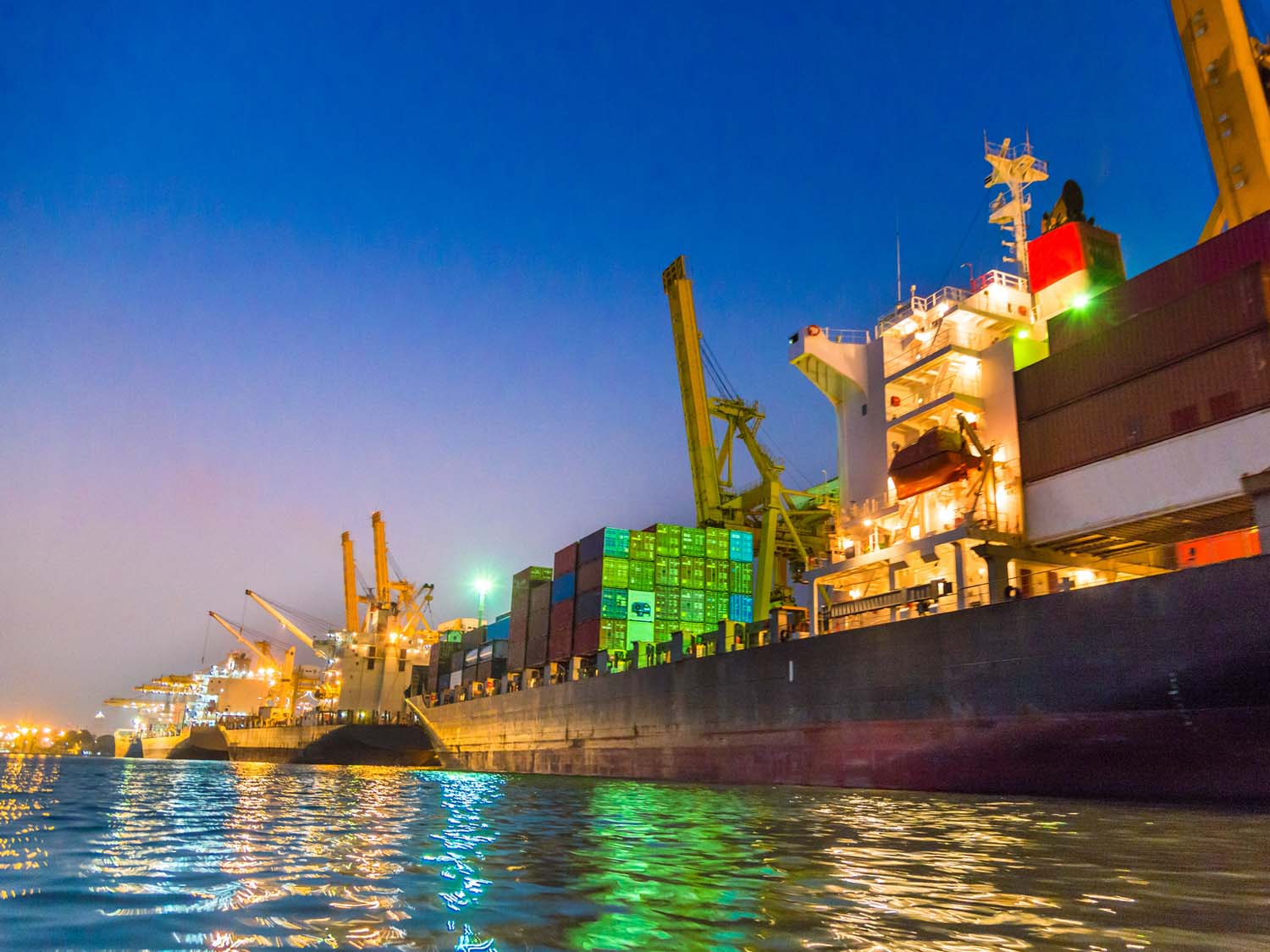
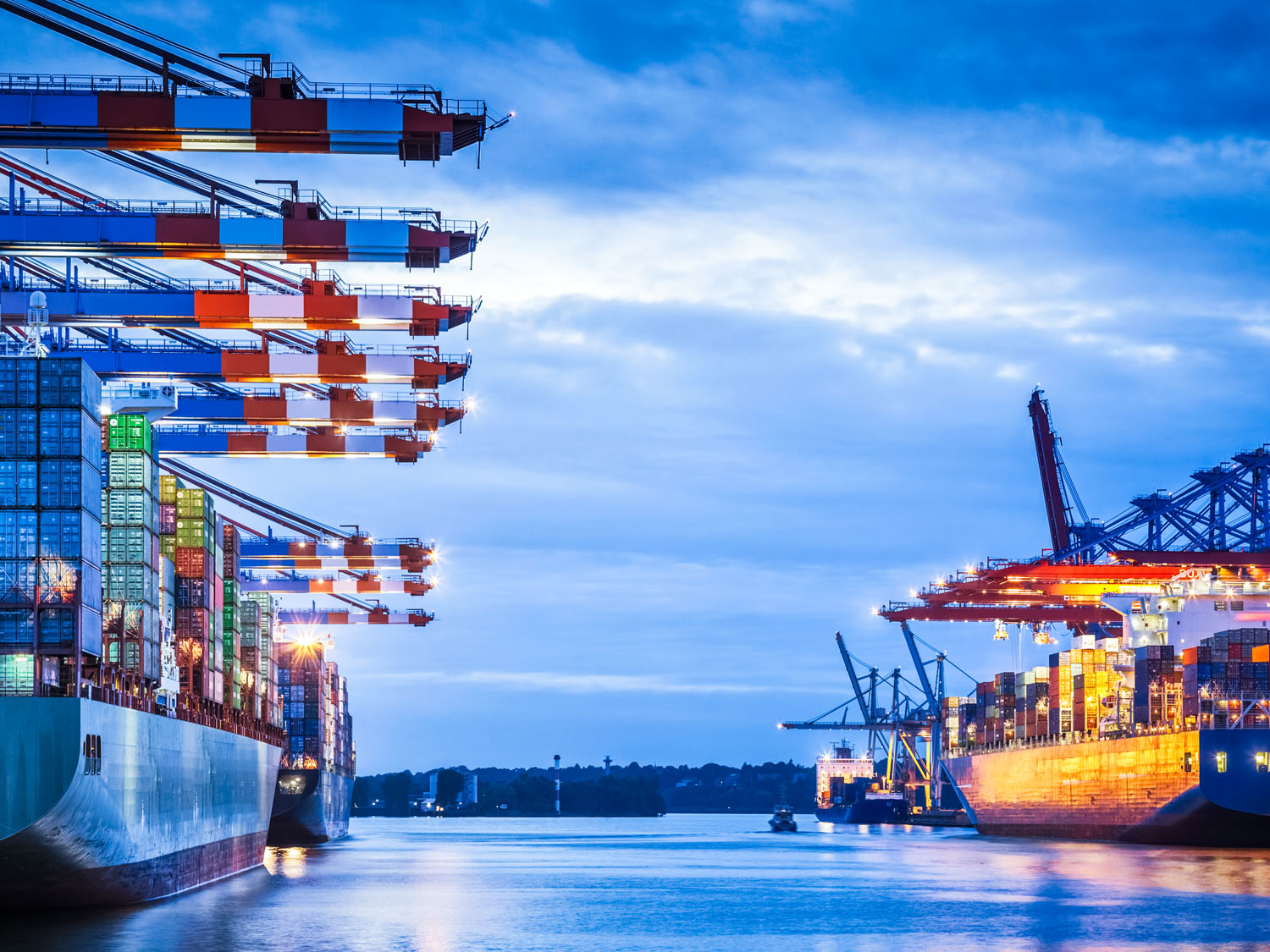
Economists are convinced that global sea freight demand will continue to outstrip container shipping capacity for the rest of this year and into next year, which is good news for the shipping lines’ bottom line, but not so much for shippers, who continue to pay premiums in order to get their product moved.

Consumer and business demand for goods and materials remains very strong, while a limited supply of new vessels entering the market this year and early next will not make a lot of difference, following which the record new-vessel order book running into 2023, should see substantial additional volume begin to appear.

Global demand is forecast to outstrip container shipping capacity this year and into next, with volume growth of between 5 and 7% against capacity growth of 4%, with the potential for port and landside disruption expected for most of 2021 and into next year.

The supply-demand imbalance has been in the shipping lines’ favour for months, with operating profits for the carriers, for the first quarter of 2021, greater than the sum of the previous ten years' first quarters combined!

Second quarter announcements are due to be announced soon and they will be even greater than Q1.

This highly positive start to the year followed a lucrative 2020 in which operating profits for the lines totalled $26.6 billion, up from $5 billion in 2019, with expectations for profits of $35 billion in 2021. (Though this likely to grow significantly). Some analysts have cited levels at $100 billion for the shipping industry this year!

Compared with the same week in 2019: spot rates from China to the US West Coast last week were up 400%; while China to North Europe were up 636%; and North Europe to the US East Coast up 218%.

Despite the record rate levels, demand is so strong and capacity so limited that carriers are requiring shippers to pay significant premiums to guarantee space. Additional charges that can into thousands of dollars per container, without any real guarantees that space will follow.

The disruption from congestion, as a consequence of the partially-closed Yantian International Container Terminals (YICT) over the last six weeks, combined with persistent demand, is making availability of available empty containers even more scarce, which is putting even more upward pressure on rates.

While in the UK and Europe port congestion and disruption continues, across the Atlantic, the USA are experiencing extreme capacity issues too - affecting rail, trucking and chassis availability in turn slowing down the repositioning of equipment enormously. As a consequence this issue is now also being experienced in the UK. It’s been widely reported that costs for haulage are increasing, alongside the issues of driver retention as the majority of the workforce head to retirement and Brexit implications, compounded by the lack of new vehicles and infrastructure all modes of international transport.

The continuing record numbers of inbound volume from Asia is resulting in delays due to lack of rail cars, delays in delivering cargo as truckers are booked two to three weeks out and chassis are at a deficit, with manufacturers in Europe and North America most affected by delivery delays.

With strong demand for space and limited capacity likely to extend into next year, we encourage shippers with pending orders to contact us now, to get the most attractive options and protect their supply chain.

As we enter the traditional peak season for ocean and air freight it is critical that you book your shipments at the earliest opportunity, which is why forecasting is a key component within the current market.

Please contact us immediately to see how we can support the movement of your products to market or manufacturing locations globally. Metro will always provide you with all options and transparency in how to achieve your expectations and deadlines.

battery

Safely moving dangerous goods

Lithium-Ion (Li-ion) batteries are a type of rechargeable battery that’s used commonly in electronic devices such as smartwatches and mobile phones, with demand for larger Li-ion batteries to power electric vehicles, but there are significant challenges in transporting these hazardous products.

The global penetration of smartphone and innovative technology means demand for smaller batteries, up to 4kg, will be sustained, while the move to electric vehicles is growing the market for larger batteries, which can weight in at >800kgs. But, given the hazardous nature of these products, planning and managing their safe transportation takes significant skill.

Metro personnel are trained and qualified in the packing, labelling and safe handling of Li-ion batteries and other hazardous cargo by every mode, including air, maintaining strong relationships with the air cargo carriers that will carry Li-ion batteries.

WHAT IT TAKES TO MOVE A 440KG LI-ION BATTERY TO THE US

An automotive manufacturer client needed a 400kg replacement Li-ion battery moved to the US via LAX asap. Because the battery exceeded 35kgs movement approval was first sought from the Civil Aviation Authority and then from the VCA, the UK authority for the certification of packaging for the transport of dangerous goods. Next we identified the most appropriate airline that would carry the battery - at the time there were only 2 carriers accepting Lithium Batteries under UN3480 - but as their flight plan took them over Europe we needed to seek additional approvals from the European air transport authorities.

This shipment in 2017 set the foundations for our Lithium battery platform and since then we have invested in the resource to serve this vertical, including training to cover all modes. Our Li-ion transportation expertise is increasingly recognised as market-leading, with our automotive team’s manager invited to address the International EV battery conference.

As li-ion batteries can store large amounts of energy and can be recharged many times, they offer the charging capacity and longer lifespan required to provide a reliable power source for electric, hybrid or plug-in hybrid electric vehicles.

With just one automotive manufacturer investing £1 billion factory that will make 100,000 lithium-ion batteries a year, it is clear that demand for the safe and efficient transport of these critical components, which is already significant, is going to be massive.

Despite its widespread adoption and energy-efficient storage, the Li-Ion battery can be a safety hazard if produced, used, or stored improperly, with numerous accidents, close-calls and safety breaches, leading them to be banned from passenger aircraft and subject stringent controls on all modes of transport.

The battery contains flammable electrolytes, which can become pressurised to the point of explosion should they sustain any structural damage, or be charged too quickly.

Because of this, and because of its widespread use in most commercial products, the safety standards and safety testing of Li-Ion batteries is much more stringent than other types of batteries.

Lithium-ion batteries are classified as Class 9 - miscellaneous hazardous materials (dangerous goods) and are subject to specific packaging, marking, labelling, and documentation according to the rule specified by the relevant modal authority: IATA (air); IMO (sea); ADR (road); RID (rail).

Due to the hazards associated with lithium batteries, there have been a number of changes to transport legislation and batteries are now assigned their own UN numbers:

UN 3090 — lithium metal batteries (including lithium alloy batteries)

UN 3091 — lithium metal batteries contained in equipment, or lithium metal batteries packed with equipment (including lithium alloy batteries)

UN 3480 — lithium ion batteries (including lithium ion polymer batteries)

UN 3481 — lithium ion batteries contained in equipment, or lithium ion batteries packed with equipment (including lithium ion polymer batteries)

UN 3536 — lithium batteries installed in cargo transport unit lithium ion batteries or lithium metal batteries.

For further information please contact Heather Smith, our EV and battery expert for further advice and the latest market legislation and intel.

Airports congested in China

Getting ready for air freight demand peaking during ‘peak’ season

While air freight demand from Asia and the Far East to the US has remained high, buoyed by eCommerce and inventory replenishment, demand into Europe has not been so strident in June, but even so rates are now beginning to rise.

May and June are normally a slack period and the air freight market from Asia to Europe has been a little subdued for a few weeks, with rates stable over the backend of June, which should suggest the market has bottomed out, but now rates have started to pick up and there are general rate increases planned by major airlines, which suggests there has been a surge in cargo and capacity is now under pressure due to the uptick in demand for faster modes to market.

The US market has been stable too, but about two weeks ago we saw rates begin to increase again. Quickly on some lanes.

The typical peak season for air freight is from the middle of August until the middle of December and we are expecting a busy Christmas, with volumes already beginning to increase in our pipeline.

We are seeing increasing cargo volumes from the Indian subcontinent and while China and Hong Kong had been relatively quiet, we are also seeing that change over the last week, with the market likely to be very busy by August and beyond, into The UK and Europe.

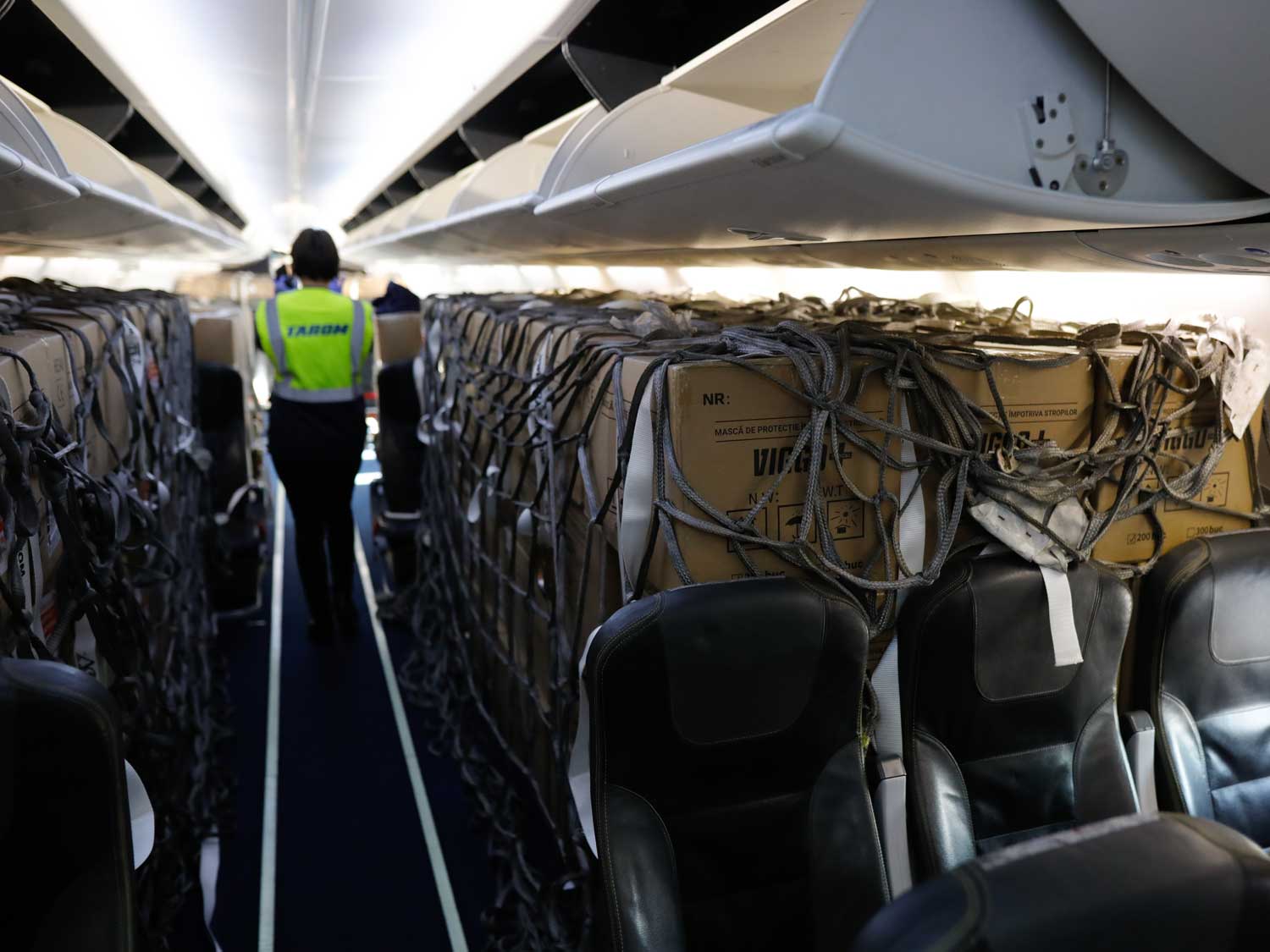
Hong Kong is steady, with freighter services and  ‘passenger-freighter’ operations continuing to replace the bellyhold capacity that has been lost due to reduced passenger flights, with much ‘distressed sea freight’ traffic resulting from capacity and schedule problems due to the widespread port congestion.

In reality the situation remains very fluid, with many factors influencing the market, so it’s incredibly difficult to identify real trends, their causes, or likely outcome. But it will become clearer over the coming weeks as all logistics options are being utilised and a realisation that there are not improvements with the ocean freight market.

While several carriers have begun ‘reconverting’ passenger aircraft for normal operations, which will reduce some cargo capacity for air freight, other Asian carriers are converting more aircraft for cargo operations, so the hope is that balance will be maintained and, if we’re lucky, some new capacity will be added.

With demand already growing ahead of this year’s ‘normal’ peak season, it is likely to remain high, as many sectors recover and look to grow despite the pandemic situation, with manufacturing picking up across the globe and world GDP forecast to grow by 6% in 2021 and even more in 2022.

We work closely with leading airlines and cargo carriers to offer the widest range of time-sensitive solutions, routes and transit times at the most competitive rates and we are looking at adding capacity with charter operations in Q3 and Q4, to support customers.

We welcome expressions of interest and will share further information as we develop our plans to deal with the extended ‘peak season’ demand. We are currently finalising charter operations for the second half of the year and would welcome interest on where to play these aircraft to support your own anticipated requirements.

If you have urgent or time-sensitive consignments and would like to explore options, transits and costs, please contact Elliot Carlile or Grant Liddell for all options available to ensure that deadlines are always met.

Coronavirus update 5th March

Container vessel schedule reliability at all-time lows on a global level

Vessel schedule reliability continues to struggle, falling to 38.8% in May, with the lines blaming congestion for the average 5.86 day delay of late vessels

The latest schedule reliability statistics continue to reflect an ocean freight infrastructure that has struggled under the weight of increased demand and tight capacity for almost a year.

Not only are ships struggling to arrive on time, but they are getting later, when they do berth. The average delay for late vessels in May was 5.86 days, which is down from the February peak of 6.96 days, but still higher than most of 2020.

Global schedule reliability fell to 38.8% in May, down from 39.1% in April and from 74.8% in May 2020. Maersk was the most punctual carrier for the month with 46.2% schedule reliability, while Evergreen took the lowest schedule reliability at 25.1%. However this depends on how the shipping lines measure their transits against anticipated planned arrival dates which are not always consistent on the various services and alliances.

"If we look at the situation around the market, then the theme remains congestion," Hapag-Lloyd CEO Rolf Jansen said. "Unfortunately, we still see significant congestion in many places around the world."

Jansen said the peak season ahead of the holidays would need to be fairly mild in order for the industry to catch up, but that's not what they expect to happen.

Our expectation is that smart shippers will book their orders to ship ahead of the traditional peak season start and, as we’ve highlighted previously, this peak season is very likely to last longer than normal.

Overall schedule reliability has been largely consistent in recent months, albeit at a much lower level than pre-pandemic, with year over year (Y/Y) global schedule reliability down a “massive” 36.0 percentage points.

The average delay for late vessel arrivals on the other hand had been improving since March 2021. In May 2021 however, the average delay increased slightly by 0.05 days to 5.86 days. The level of delays in 2021 have been the highest across each month when compared to the previous years. The other factor to consider, however,  is how long it takes at origin to actually ensure that a container is released, returned to port, and then successfully loaded on a vessel on which it is booked. This is not included in the overall transit figure.

The number of vessel arrivals subject to extreme delays (>7 days) on the Asia-North Europe trade lane was 461 in January to May 2021, of which 134 were more than 14 days late, and 30 were more than 21 days late.

This compares to 792 vessel arrivals being more than seven days late in the nine year period from January 2012 to December 2020!

In the same period, 35 vessel arrivals were more than 14 days late, and just two vessel arrivals were more than 21 days late.

Metro negotiate rate and volume agreements with a wide range of carriers across all three alliances, which means we can access the widest pool of equipment and offer shippers the biggest range of schedule reliability, service offerings and rates.

Our fixed validity contracts provide supply chain security and peace of mind, but with space and equipment in such short supply, we recommend a minimum of four weeks visibility and booking window, to secure space on the vessel and get the right equipment positioned.

We will always provide the true position on the market situation and intel, along with alternative modes and options available for critical cargo, with a deadline that may not be met due to the situation.