empty container

Dealing with shipping container condensation

Over 200 million shipping containers are transported globally every year, with the vast majority moving through different climate zones, which can create condensation in the container and lead to many kinds of damage. 

Considerable temperature fluctuations can occur inside freight containers during transport and storage and since warm air can absorb more moisture than cold air, drops in temperature in closed freight containers may result in the formation of condensation, which can result in corrosion and rusting of steel cargo, mould on packaging and goods, damp packaging and detached labels. 

Condensation in containers manifests itself in three primary ways: 'container rain’; 'container sweat’; and 'cargo sweat’, with an estimated 10% of containerised traffic experiencing moisture-related issues.

Container rain is when water on the interior surfaces of the container, concentrates and falls directly onto the cargo, while container sweat usually occurs when container walls cool and cargo sweat usually occurs when air in the container heats up faster than the cargo, with condensation forming on the surface of the packaging.

The amount of condensation in a shipping container varies widely depending on many factors, including container usage, temperature, air space, ventilation, and the moisture content of the goods being shipped. 

While it’s impossible to prevent moisture buildup entirely, there are several ways to control condensation, with ventilation and load space critical, because when the difference between internal and external temperatures is small, condensation won’t form as readily and when a container is filled there is less air to hold moisture.

However, if the shipping container is transported in mostly wet and humid conditions, ventilation can pull moist air from the outside and encourage condensation. In these cases we would recommend improving the insulation of the cargo and using desiccants to absorb excess water from the air.

Desiccant bags can be hung from the ceiling and along the walls to help reduce the moisture in the air and make condensation less likely to form on the walls of the container. While desiccant blankets are hung over the goods to prevent condensation from forming and protect products from water droplets and desiccant pads lay below goods (typically liquids) to soak up leaks or extra moisture.

Countering the formation of condensation during container transport depends on a multitude of factors, including the nature of the goods, the climatic zones transited, the size of the container, the weight and moisture content of the goods, the packaging and transport duration.

To a certain extent, shipping container condensation is inevitable, but because we have years of experience keeping containerised goods safe and dry, that doesn’t mean it has to damage your cargo. 

Our sea freight team have direct experience in the management of container equipment and work closely with our shipping line partners to ensure that containers are ventilated adequately and that they are free from damage.

If you have questions or concerns on any of the issues raised here, or have specific supply chain challenges, EMAIL Andrew Smith who can advise on the effectiveness of desiccants, humidifiers, alternative packaging and insulation for different types of cargoes and geographies.

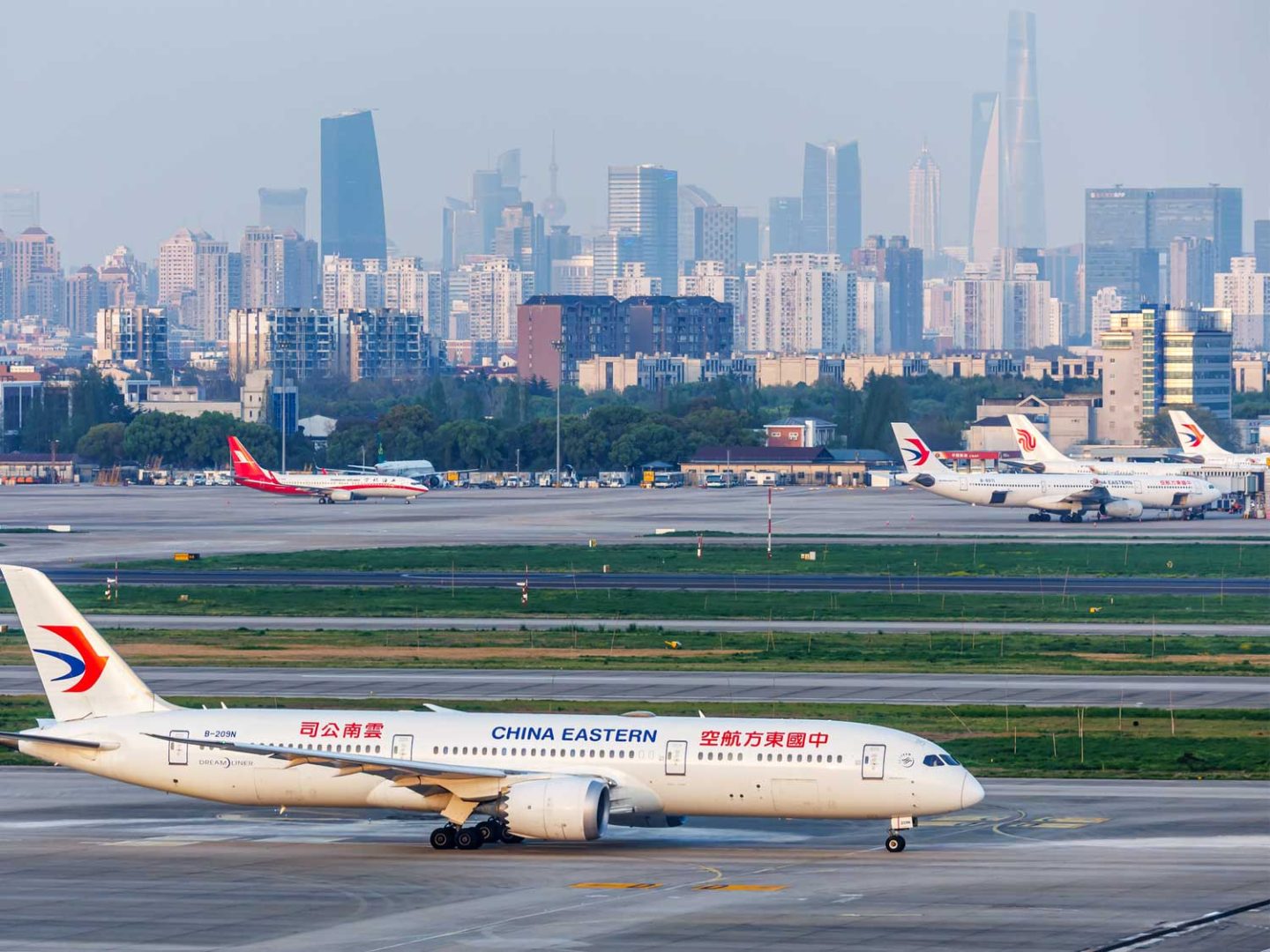
Shanghai port

Asia to Europe freight rates may mirror transpacific price increases

European importers from Asia are nervously watching developments in the US, as transpacific carriers succeed in implementing GRIs, increasing shipping rates to the West Coast, in a move that may be repeated on the Asia to Europe trade lane.

The Xeneta Asia-US West Coast index increased 39% last week, while the Baltic Index jumped 71%, and the container shipping lines are planning another wave of transpacific GRIs on the 1st May.

Hapag-Lloyd, CMA CGM, Evergreen, ONE, Zim and Cosco have announced GRI of $1,000/40’, while HMM plans to levy $2,000/40’.

JOC reported that there are indications that West Coast container volumes may be rising, while vessel wait times has increased at major US ports in recent weeks and with spot rates increasing for the fourth consecutive week, the market may have passed the bottom of the market.

The transpacific shipping lines regularly impose increases at this time of year, to increase base rate levels, ahead of annual contract negotiations with their biggest volume (BCO) shippers.

The lines are likely to roll out monthly increases ahead of the peak season and to help these GRIs stick, they will keep capacity tight by continuing to blank sailings.

On the Asia-Europe trade-lane, shippers should be bracing for GRIs for shipments from Asia from 1st May, with space already tight and carriers rolling cargo, particularly low-rated heavy containers.

Despite some blanking success from Asia to Europe, with rates stabilising over the past few weeks, getting GRI’s to stick against a backdrop of weak demand will be difficult and it only needs one of the smaller lines to start offering discounted rates for market share, for the GRI to collapse.

On the Asia to Mediterranean lane, rate indexes moved up 6% last week, while on the transatlantic rate erosion has continued, with Europe to US East Coast indexes down 5%.

We negotiate long-term and FAK contracts with shipping lines across all three alliances to secure space and rates that provide the best alternatives and options, whatever the situation.

To learn how we can support your East-West, transpacific or transatlantic trade EMAIL our Chief Commercial Officer, Andy Smith. 

Nhava Sheva

Nhava Sheva congestion may last till November

The port of Nhava Sheva, is the second largest container port in India and repairs and replacement of gantry cranes are reducing terminal capacity by 50%, which is expected to possibly last until October or November.

Container traffic through India's Nhava Sheva Port (JNPT) is facing bottlenecks due to a significant capacity reduction, which has been fuelled by the closure of a berth operated by APM Terminals (APMT) Mumbai, also known as Gateway Terminals India (GTI), to upgrade and replace gantry cranes.

As part of a US$115-million investment programme APMT are installing six ship-to-shore cranes and three larger rail-mounted quay cranes in place of the existing QCs, which will improve their ability to handle larger vessels and enhance container handling capacity to 2.2 million TEUs.

In addition to APMT, the port has two terminals operated by DP World, one by PSA and one by a new consortium led by CMA Terminals.

The number of weekly vessel calls that GTI is able to accommodate has fallen to six, from the normal 13 and carriers are facing challenges securing berthing windows, which is forcing them to change gate cut-off hours for cargo carting, with terminals facing congestion from increased volumes.

As a result of the congestion, move counts are limited and concerns are growing that vessels may miss connections and cargo roll-overs for exporters may follow, if the congestion escalates.

Export gate-in times may be reduced and waiting times will increase due to road congestion and a shortage of containers is possible as empty discharge from vessels will be limited.

We have seen the situation worsen over the last fortnight, with traffic congestion building on approach roads to every terminal. See our gallery images below.

It can take some drivers up to 10 hours to reach the entry gate due to the traffic, which is  why export containers are being shut out, import containers delayed and long waits for empties.

Our vehicles cannot avoid the congestions, but we are liaising with port officials to ensure that import deliveries are effected within the terminal’s free period and export containers are gated-in before cut-off, to connect with their respective vessels.

We are monitoring the evolving situation and working closely with our local network partners, to protect our customers’ supply chains. If you are currently shipping through Nhava Sheva, or are thinking of developing business in the Indian subcontinent, please EMAIL Elliot Carlile, who will be able to offer guidance and recommendations.

Our network and expertise extends across the ISC, with established operations in Pakistan, India, Sri Lanka and Bangladesh, supporting customers across a variety of verticals, who are sourcing from and exporting to the region.

Singapore

<strong>Vessel schedule reliability falls</strong>

The reliability of container shipping lines’ vessel schedules dropped at the beginning of 2023, with Sea-Intelligence reporting that schedule reliability improved for the majority of 2022, but a fall of 3.8% in January meant reliability sat at just 52.6%.

The vessel schedule reliability of all top 14 carriers fell in January 2023, with Wan Hai recording the biggest decline at 15.4% and Hapag-Lloyd the smallest at 0.4%.

ZIM was the least reliable carrier in January 2023 with schedule reliability of 41% In January, while Maersk was the most reliable line, with 58.3%, followed closely by MSC at 57.7%.

CMA-CGM, Hapag-Lloyd and Hamburg Süd’s schedule reliability passed 50%, with the remaining carriers recording schedule reliability of between 40 and 50%.

Despite January’s 3.8% schedule reliability fall to 52.6%, it is still considerably higher than the previous two years and sits some way above 2022’s dreadful schedule reliability of just 30.4%.

In January 2023, all carriers except for Hamburg Süd recorded double-digit year-on-year improvements in schedule reliability, while the average delay for late vessel arrivals is currently 5.26 days, a month-to-month improvement of 0.24 days.

From a low base, global vessel reliability improved throughout last year, particularly over the last quarter with almost 57% of all ships arriving on time at the end of the year, up from 30% in January 2022.

On the main shipping routes, the greatest improvement was seen for cargo from Europe to Asia, where reliability increased from 13% at worst to 52% now. 

In contrast, congestion on the US east coast led to the least improvement being seen among the major routes: from Asia to the US east coast and from Europe to the US east coast, where on both routes more than 40% of ships still do not arrive on schedule.

Overall vessel delays have improved significantly, meaning only 5.5% of the global container vessel fleet is unavailable due to delays and if operations continue to improve at the same pace, alongside the currently suppressed demand, global operational performance could return to normal over the next months.

The freight market is changing constantly, across all transport modes, routes and regions, which is why we work closely with our offices and network partners to monitor the global situation and share the latest intelligence, as it emerges.

To learn how we can help you avoid vessel delays, to develop supply chain resilience, or to request our regular ocean market report, please EMAIL our sea freight director, Andy Smith, who can advise on the best solutions for your ocean supply chain.