ground handlers

<strong>Heathrow air freight ground handlers strike</strong>

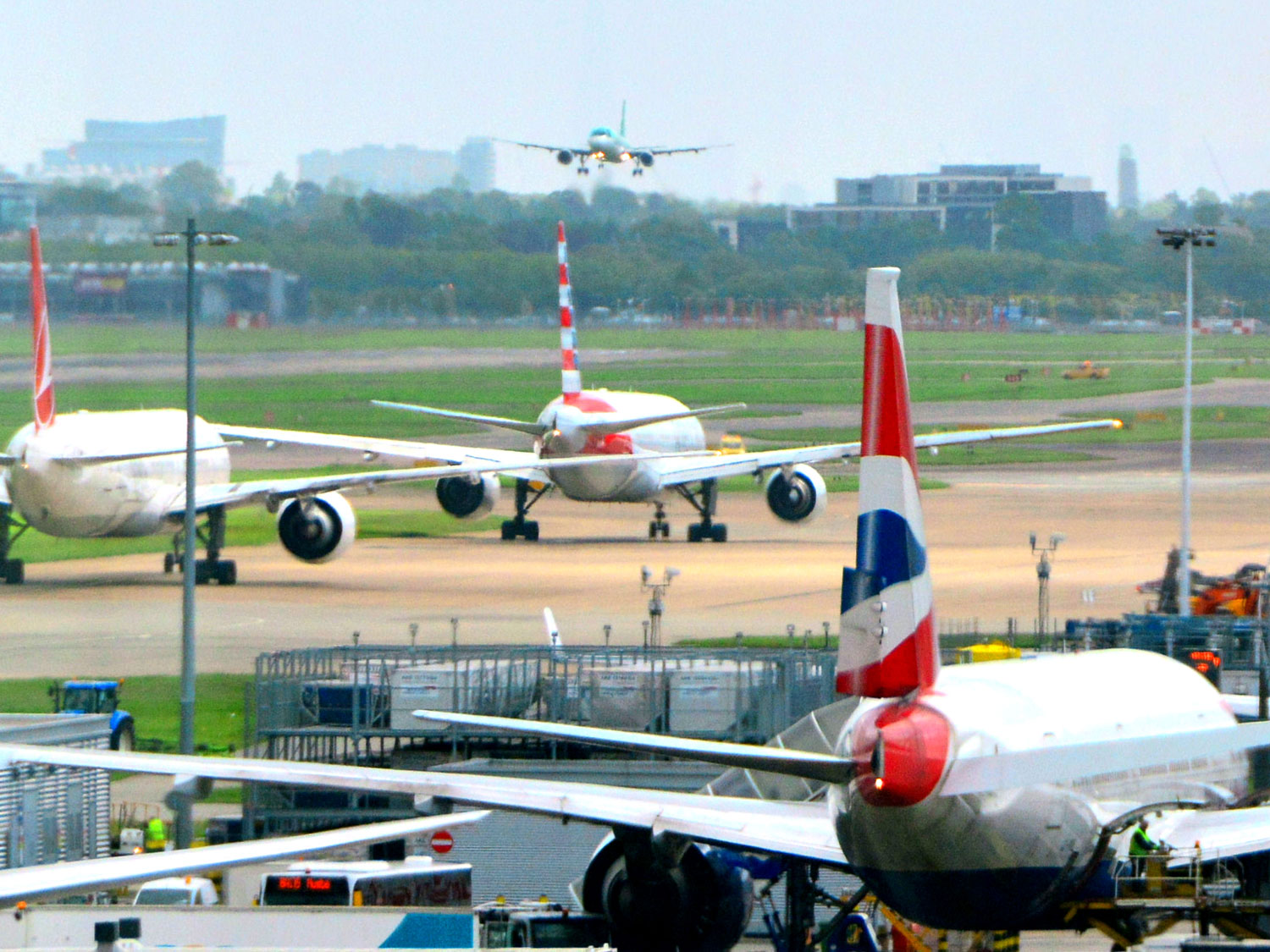
(STRIKE OFF - SEE UPDATE BELOW) Heathrow ground handlers have rejected below-inflation pay offers, with members of the Unite union taking part in three days of strike action, commencing tomorrow, which could impact cargo flying with major carriers.

18TH NOVEMBER - The strike by ground handlers at at dnata has been called off after members accepted an improved offer. Today's strike action by Menzies has gone ahead, but it is believed that it has now been suspended, so that union members can be balloted on a new pay offer

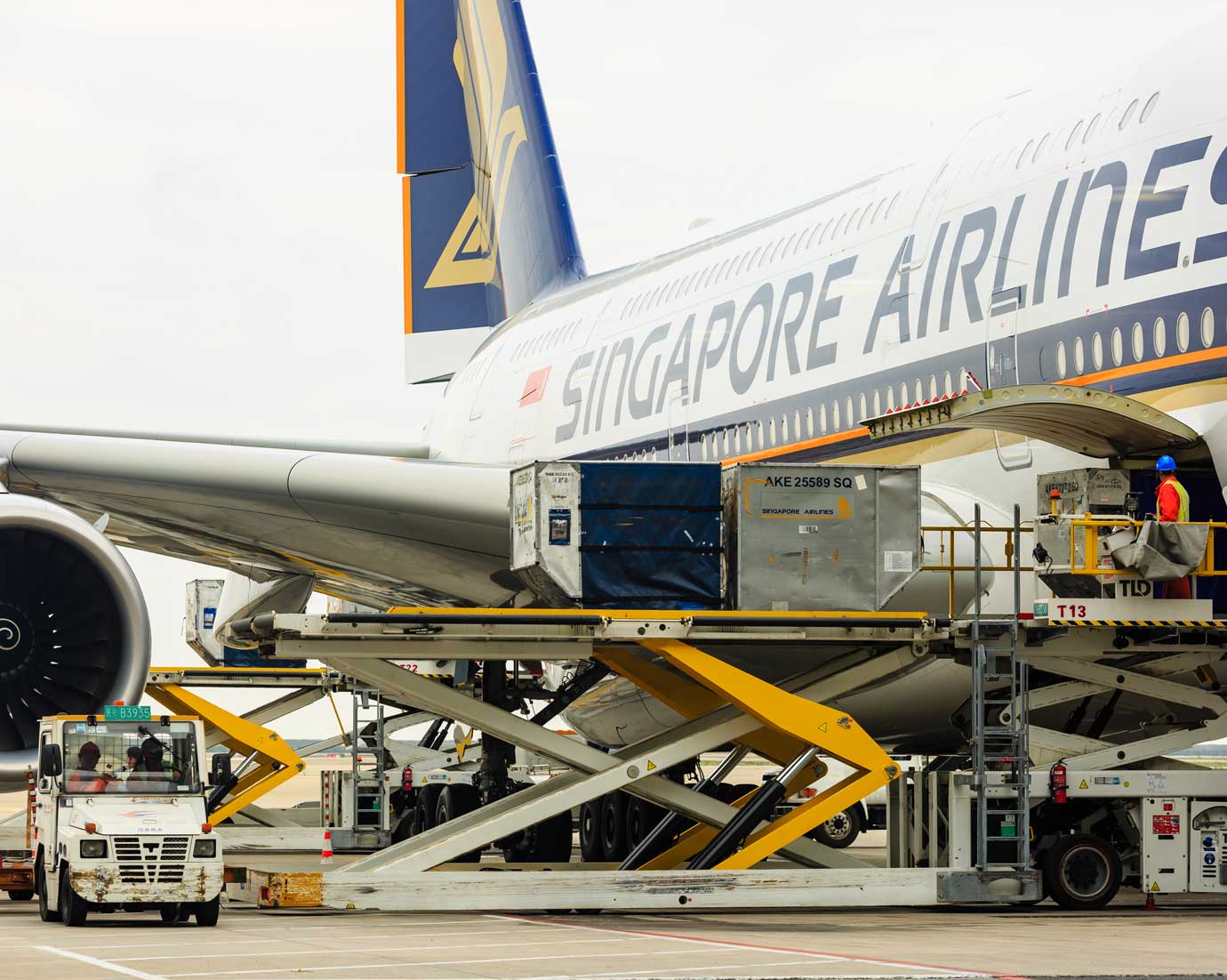
The strike involves 700 workers employed by dnata and Menzies, that are responsible for aircraft while they are on the ground, assisting with the prompt arrival, turnaround and departure of jets, with efficient baggage and cargo handling.

Unite is warning that the action starting in the early hours of the 18th November and running to the 21st November will cause “disruption, cancellation and delays” to flights operating from terminals 2, 3 and 4.

The strike action will particularly affect Qatar Airways, which has scheduled an additional 10 flights a week during the football World Cup, the union said and other airlines that will be “hit heavily” by the strike action include Virgin, Singapore Airlines, Cathay Pacific and Emirates. 

Heathrow Airport management have held discussions with airlines on their contingency plans to support ground handling and avoid disruption should the strike go ahead.

Menzies and dnata have announced the formation of contingency plans, but details have yet to be made public.

Long-standing cargo disruption at the airport, which has only recently cleared, would make an unwelcome return if the strike creates too much congestion and bottlenecks, from flight cancellations and delays.

The union said that a pay rise on offer from the two firms does not cover inflation. “Dnata has offered its workers a 5% increase, while the offers for Menzies workers vary between 2% and 6%.”

The employers said that it is disappointing that Unite plans to progress with this costly industrial action, and that strike action will only delay the process at a time when employees need the increase now.

Unite general secretary Sharon Graham said: “Our members at Dnata and Menzies undertake highly challenging roles and are simply seeking a decent pay rise. Both companies are highly profitable and can fully afford to make a fair pay increase".

We will keep you updated with the situation and hopeful progress in relation to any impact on cargo movements through the Heathrow gateway.

Our Heathrow office is monitoring the ground handling situation closely and, if necessary, will take action to avoid disruption from the dispute. We regularly flex cargo volumes between our Heathrow and Birmingham airport hubs, as well as other gateway and regional hubs throughout the UK and Europe.

With more direct flights, including daily Emirates 777s and multiple long haul and regional connecting carriers into Birmingham Airport hub, we are even better positioned to protect our customers from any adverse impact during the potential Heathrow dispute, or any other congestion that occurs at the UK’s largest cargo airport. We react as needed ensuring alternatives are available and reliability and integrity to time critical movements is always maintained, regardless of the situation.

For further information on our air freight services and solutions please contact Elliot Carlile for immediate assistance. We have it covered and have the solution to ensure delays are minimised, and where possible, avoided.
KLM

<strong>Metro support drive for Sustainable Aviation Fuel</strong>

Despite the continuing challenges of the COVID pandemic and the war in Ukraine the aviation industry is committed to decarbonising by 2050, but alternative energies such as electric and hydrogen will not solve the challenge, which is why Metro is joining industry ‘innovators’ to support and invest in sustainable aviation fuel.

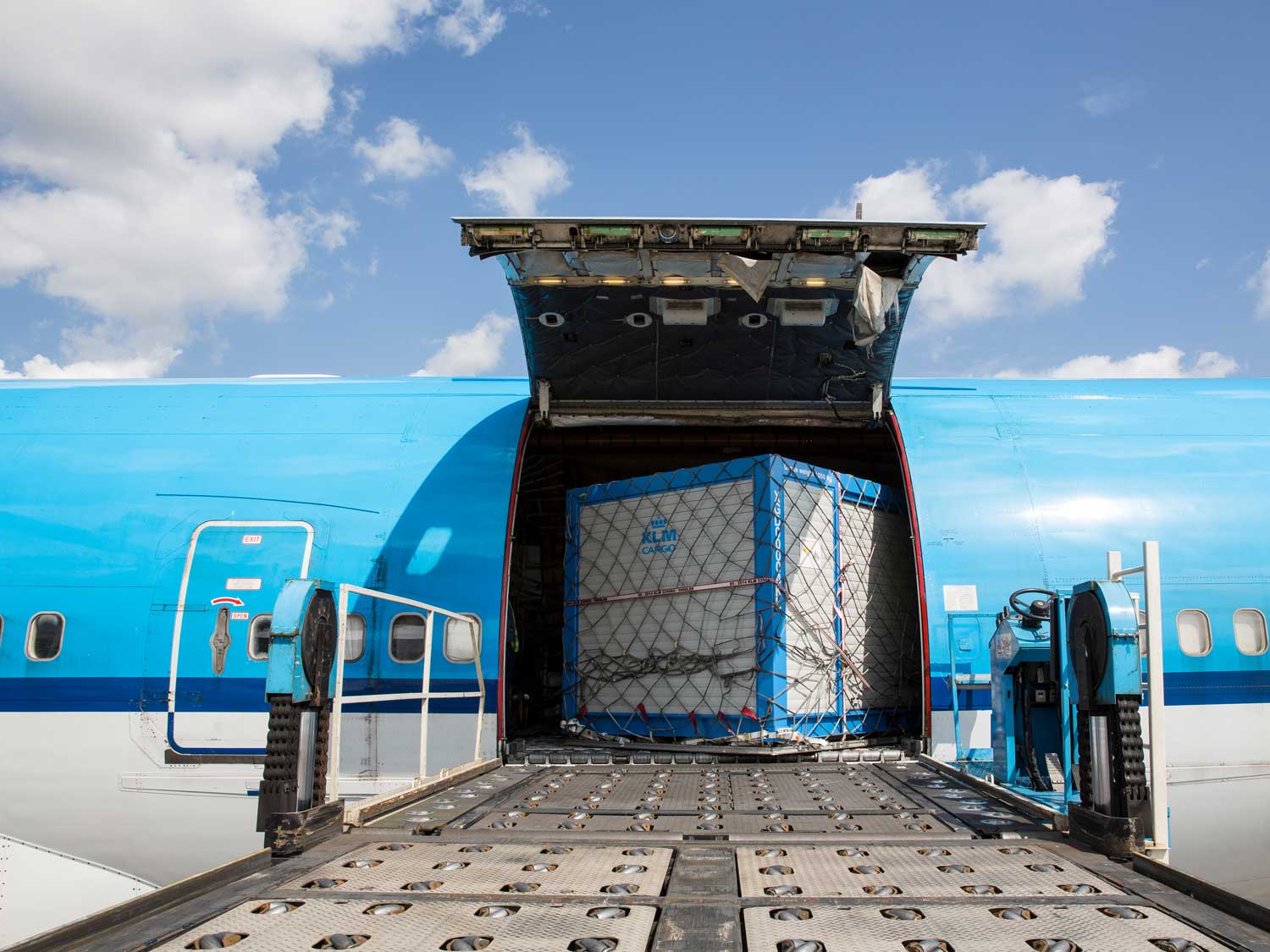
IATA member airlines and the wider aviation freight industry are collectively committed to making flying net zero by 2050 and Sustainable Aviation Fuel (SAF), which was first flown on a commercial flight by KLM in 2011, has been identified as one of the key elements in helping achieve this goal.

Aviation biofuels are produced from plant sources, waste oils, solid biomass, or from synthetic biology and can lower CO2 emissions by up to 98% compared to conventional jet fuel.

‘Sustainable’ biofuels do not compete with food crops, prime agricultural land, natural forest or fresh water. Sustainable aviation fuel is produced worldwide, and each source is certified as being sustainable by a third-party organisation, to guarantee its integrity.

However, there is a “huge amount of work” needed to drive widespread adoption of SAF across the aviation sector, including more research and development, and technological development on feedstock. 

With challenging sustainability objectives of their own (in line with the 2015 Paris Agreement) key carrier partners Air France, KLM and Martinair Cargo created a joint SAF initiative in 2020, to drive carrier adoption and to generate wider support across the air cargo  community.

Metro has already made its operations carbon-neutral and is committed to extending this zero-emission strategy as far down customers’ supply chains as possible, which is why the board has elected to join the AFKLMP Cargo SAF programme and invest in sustainable aviation fuel.

With unaddressed air carriage CO2 emissions forecast to reach 22% of global emissions by 2050, we believe that SAF could reduce the industry’s emissions by almost 50% and is the most effective solution to reduce the aviation industry’s carbon footprint. 

SAF impact on total CO2 emissions

Although Air France and KLM have been pioneering SAF since 2009, it is a young technology, which is still in relatively short supply and Metro’s participation in the AFKLMP programme will help fund the technology, research and development, and work on feedstock, which can increase production and make SAF available in greater quantities and in more locations.

The challenge is creating the global infrastructure, to benefit from the efficiencies of getting SAF availability and cost scaled, because if it was available, every airline would use it.

Metro is committed to Sustainability Disclosure Requirements and has achieved CO2 neutrality by measuring, reporting and offsetting our CO2 emissions.

The ‘free of charge’ Eco module, that sits in our MVT supply chain platform, monitors the energy emissions, emission costs and CO2 equivalent emissions, of our customer’s consignments, by every mode. Which means that Metro customers can monitor the environmental impact of their supply chains and participate in offset projects that will eradicate their supply chain CO2 footprint.

To request a demo or discuss your requirements, please contact Simon George, who can outline our proven carbon reduction strategies and the availability of offset projects. Its our mission and in our DNA to improve supply chains and reduce greenhouse gas emissions in your/our supply chains. Now and forever.

Heathrow delivery inefficiencies

<strong>Heathrow is Europe’s busiest airport again</strong>

One year after COVID travel restrictions demoted London’s Heathrow airport to Europe's 10th busiest airport, the west London hub has grown more in the past 12 months than any airport in Europe and regained its crown as Europe's busiest airport.

Heathrow welcomed 5.8 million passengers between July and September, with airlines and their ground handlers seeing 18 million passengers successfully away over summer, more than Paris, Frankfurt and Amsterdam, but despite the rebound, passengers numbers were still 15% below pre-pandemic levels. Some of this down to the restrictions in passengers being allowed to transit the airport by authorities – but this will change in the near future it is anticipated.

In 2021, Heathrow was the UK’s most valuable port, seeing £153bn in non-EU imports and exports passing through the hub, handling 75% of all UK air cargo and more cargo by value than all other UK airports combined and serving 354 destinations in the process. 

However, Paris, Frankfurt and Amsterdam cargo volumes have recovered from the pandemic quicker than Heathrow, due to less reliance on the belly-hold cargo capacity that is dependent on passenger flights.

Cargo tonnage recovery to pre-pandemic levels:

  • Amsterdam - 108%
  • Frankfurt - 107%
  • Paris - 100%
  • Heathrow - 87%

Despite the dip in cargo recovery, the airport remains confident for the future with plans to invest in infrastructure over the next fIve years to grow capacity and the sustainability and efficiency of operations. With passenger aircraft (PAX) comes belly hold capacity and therefore the ability to move products. They are interlinked.

Over the same period Heathrow’s Cargo strategy will grow the airport’s cargo proposition, working closely with the Heathrow Cargo Community to develop the strategy in four key areas:

  • Policy Change: Working with Government and industry to grow efficiency
  • Transformation of the Cargo Estate: Developing world class, sustainable facilities
  • Community Engagement: Leading a collaborative approach for all stakeholders
  • Digitalisation: Supporting the adoption of technology to reduce cargo throughput times

Heathrow’s proposition is compelling and underlines its strategic importance in our global air freight operations planning:

  • Over 350 destinations
  • Multiple daily frequencies
  • Easy access to key manufacturers
  • Unrivalled connections opportunities
  • Ideally located for key business clusters
  • High value and pharmaceutical handling capability
  • Strong relationships with key UK Government departments

While our global air freight network and teams continue to handle increasing cargo volumes, we monitor market capacity and identify opportunities to use regional airports, when it will benefit our customers, ensuring that expectations and timelines are met.

We find solutions for every critical shipment. Please EMAIL Elliot Carlile to discuss your situation, requirements and potential resolutions. 

Autonomous vehicles

Environmental developments you may have missed

While we continue to drive forward our ‘green’ initiatives, by selecting environmentally focused partners and further developing our MVT ECO platform in managing, measuring and offsetting carbon emissions, we also monitor ‘green’ developments that may impact our sector.

The Hydrofoil alternative to air freight

Air freight emissions account for 0.5% of global emissions and are expected to grow to 6-13% by 2050. Boundary Layer Technologies (BLT) is developing a hydrofoil fast vessel powered by emission-free green hydrogen, as a viable alternative to air.

The vessel (Argo), due to be launched in intra-Asia trade lanes in the first quarter of 2025, will carry 20 TEU, with a range of 1,500 nautical miles and cruise at 40 knots, as a replacement for short-range air freight transport.

The team behind Argo’s development claim it can replace air freight with only a small increase in door-to-door transit time and will target high-value, time-sensitive cargo like electronics, automotive parts and pharmaceuticals. It will be equipped with power to support reefer containers and offer freight prices that will be 50% cheaper than air freight, based on average 2019 rates.

Argo is intended to be powered by green liquid hydrogen fuel cells, although BLT has yet to secure a supply contract for green hydrogen and it is unclear whether dedicated pipelines for the transport of green hydrogen to the ports used by Argo will be built in time for its launch.

ARGO image courtesy of Boundary Layer Technologies (https://www.boundarylayer.tech/argo)

Sustainable aviation fuel (SAF)

SAF is similar in its chemistry to traditional fossil jet fuel and is produced from sustainable feedstocks, including cooking oil, non-palm waste oils from animals or plants; solid waste from homes and businesses, and food scraps that would otherwise go to landfill or incineration. Other potential sources include forestry waste, such as waste wood, and energy crops, including fast growing plants and algae.

Using SAF results in a reduction of up to 80% in carbon emissions over the lifecycle of the fuel compared to the traditional jet fuel it replaces, depending on the sustainable feedstock used, production method and the supply chain to the airport. 

We work closely with the Air France/KLM/Martinair SAF programme, in growing the adoption of SAF and reducing the carbon footprint of our air cargo miles. We are considering migration to programme partnership and contributions to further SAF acquisition.

Driverless electric trucks on public roads

Swedish freight technology company Einride has granted a permit in the United States for a pilot project, to test electric, autonomous trucks, which will run for two weeks in the third quarter of 2022 and take place on public roads.

The Einride autonomous electric truck operates without a driver and is monitored by a specially-trained remote driver who can take control if necessary.

Autonomous trucks will mix with normal traffic on public roads located near project partner GE Appliance’s plant near Memphis, Tennessee. 

As part of the pilot, the autonomous trucks will test moving goods, as well as loading/unloading goods with warehouse teams at nearly locations.

Image courtesy of Einride (https://www.einride.tech)

Automated container terminals

Following on from ECT, which opened in 1993 and became the first fully automated terminal in the world, a new container terminal with five deep sea berths is being developed at Rotterdam. It will add 7m teu of annual capacity when it begins operations in 2027, with 2.6km of quay at the north end of the ECT terminal.

Like ECT, the new facility will be fully automated, with vessels unloaded by autonomous cranes and cabin-less ground vehicles.

The cleanest vessel power source

The greenest of power sources, wind propulsion, has received a lot of interest as ship owners aim to reduce fuel consumption and lower CO2 emissions. Depending on the size of the sails, efficiency gained from wind propulsion assists mechanisms generally in the range of 15-20%.

Maersk’s liquid bulk division sold the Maersk Pelican to an Indonesian carrier last year, the vessel was the world’s first product tanker to incorporate wind propulsion technology into its operations.

The vessel was sold with the technology installed on board and Maersk has confirmed that it will continue to work with relevant parties to enable the use of wind propulsion technology, optimise vessel performance and reduce CO2 emissions.

From giant kites that pull cargo ships to inflatable sails to spinning rotors that create lift, the move towards wind-powered commercial vessels will generate a doubling of such ships on the water by 2023, as lines work to help meet the industry goal of cutting greenhouse gas emissions from the global fleet by 50% by 2050, from 2008 levels.

In July, Japanese  carrier K Line boosted its kite orders to five and signed a contract to install as many as 50 on its fleet of about 420 vessels, as part of its move to net-zero greenhouse gas emissions by 2050.

Giant commodity trader Cargill will pilot-test two 120-foot-high rigid wind sails made of steel and composite glass that will be outfitted on the 751-foot-long carrier that it charters and could help cut emissions by as much as 30%, which equates to about 6,400 metric tons of carbon dioxide per year. If the trial is successful, Cargill will retrofit up to 10 more ships.

There are about 12 wind propulsion systems on the market, with seven more coming online in 2023, including 37 meter rigid sails, 100-square-meter inflatable wing sails and 35 meter rotor sails.

The biggest hurdle for many shipowners is the capital investment, with rotors and rigid sails easily costing $1 million to $1.5 million each and ships often needing at least three or more. The return on investment typically is about seven to eight years, but with higher fuel costs, that time is being trimmed dramatically.

Seawing image courtesy of K Line (https://klineurope.com)

Metro has committed to Sustainability Disclosure Requirements and is achieving CO2 neutrality by measuring, reporting and offsetting our CO2 emissions.

The ‘free of charge’ Eco module, that sits in our MVT supply chain platform, monitors the energy emissions, emission costs and CO2 equivalent emissions, of our customer’s consignments, by every mode. Which means that Metro customers can monitor the environmental impact of their supply chains and participate in offset projects that will eradicate their supply chain CO2 footprint.

To request a demo or discuss your requirements, please contact Simon George, who can outline our proven carbon reduction strategies and the availability of offset projects.