BHX 2

Regional airports offer cargo emissions and cost savings

The improved landing and takeoff cycle times (LTO) offered by regional airports can save time and money for air cargo operators, while helping them significantly reduce their Carbon dioxide (Co2) and Nitrogen oxides (NOx) emissions.

Independent studies in the US, which can be extrapolated to the UK, suggest that aircraft operating into and out of large passenger hubs take an average of one hour, 46 minutes of time during the landing and take-off cycle. In contrast, regional airports, with their un-congested airspace and highly efficient approaches can allow airlines to be wheels down and engines off in as little as five minutes, with an LTO cycle completed in just over 16 minutes.   

The vision, planning, and execution of cargo and freighter friendly regional airports can translate not only to a positive operational impact for the supply chain, but can reduce carbon emissions, create a positive financial impact and provide significant time savings.   

The study revealed that a typical Boeing 747 freighter operator running four times per week into a regional airport throughout the year would save a staggering £6.4 million in annual costs. It would also emit 6,000 fewer metric tons in Co2, 15,000 fewer metric tons of NOx and burn 1,800 metric tons less Jet A-1 as a result of the reduction in flight cycle time.   

When available and appropriate, the use of regional airports is an immediate step, with immediate cost and emission savings.

The UK Department of Transport identified the value that regional airports bring for freight movements in last year’s Future Freight Plan, which highlighted the role of Birmingham Airport in hosting critical nightly Royal Mail operations and how the airport is diversifying their operations to facilitate more trade by expanding their cargo operation.

Demand for eCommerce continues to grow, and with more than 80% of UK air freight moving through just three airports, regional airports are critical in providing operational flexibility, especially when it comes to express delivery of high value and time critical items.

We monitor market capacity and route developments to identify opportunities to use regional airports – and particularly our Birmingham hub – when it will benefit our customers, ensuring that expectations and timelines are met.

We find solutions for every critical shipment, regardless of situation, geography and deadline. 

EMAIL Elliot Carlile to discuss your situation and potential resolutions to get your products to the right place at the right time. At the right price.
Hong Kong X ray costs and delay fears

Surge of China PAX services adds massive air freight capacity

The air cargo industry took a massive step towards post-Covid normality in January when China reopened for international travel, but just a few months later, the surge in air passenger services from China may drive air freight rates down further, as belly capacity grows amid weak demand.

Chinese airports, carriers and ground handling companies retained staff during the country’s extended lockdown period and had been readying operations for a swift return of pre-COVID services, ahead of January’s lockdown lifting.

Less than 20% of China's wide-body fleet of about 500 planes was still in storage in the early weeks of 2023 and most planes had remained active on domestic routes, ready and available to quickly resume international operations. This accessible capacity has seen weekly China-Heathrow flights increasing ten-fold, from five to 54 over the past six months and more carriers planning to increase their China - Heathrow frequencies in the coming months.

London Heathrow airport is not alone in seeing flights from China increasing with Manchester announcing a return to pre-pandemic frequencies of services from Hainan Airlines (four a week) and despite the massive increases in belly-hold freight capacity that all these passenger services are bringing to the market, airlines are continuing to invest in full-freighter aircraft.

While the increases in scheduled flights to and from China are an important post-COVID milestone, all these new passenger and freighter services create over-capacity and weaken airfreight rates.

Bournemouth Airport announced last week that it will handle three A340 freighters a week from China, while the Belgian regional airport, Liege, will handle regular scheduled flights to China’s Nancheng Changbei Airport, three to four times a week on a 747-400F. A major Chinese eCommerce player has just introduced daily cargo flights into East Midlands, but with no indication of cargo for the return leg.

Reports in The Loadstar suggest that the East Midlands development is synonymous with the Chinese state’s willingness to subsidise export legs, which means non-Chinese carriers will have to not only compete with this influx of capacity, but also the reality that Chinese airlines can drop their rates even further, because the subsidy provides an extra revenue stream.

Metro work very closely with our customers to ensure that the greenest solutions are achieved within air freight. A tough ask but one we have risen to by partnering with Air France/ KLM in a fuel sustainability programme.

We work closely with our network and carrier partners in China and the UK to monitor market capacity and identify opportunities to use regional airports and particularly our Birmingham International Hub, that will benefit our customers, with some of the most cost-effective services available in the market.

There are solutions for every critical shipment, please EMAIL Elliot Carlile for insights and advice.

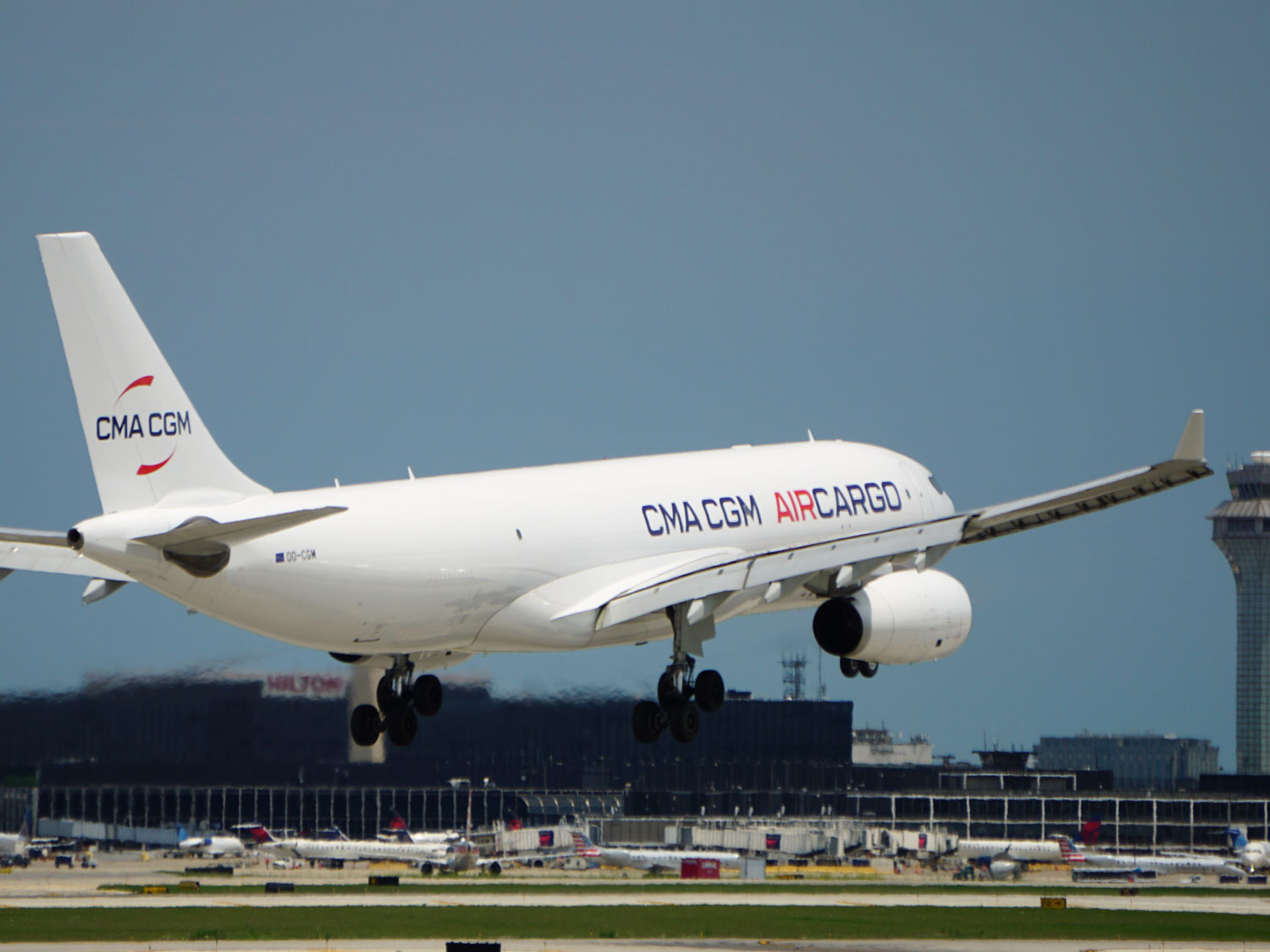
CMA CGM air cargo 2

CMA CGM join Metro’s drive for sustainable aviation fuel

Metro was the first Air France/KLM customer to invest in their Sustainable Aviation Fuel (SAF) programme and we are delighted to see that CMA CGM Air Cargo, though their capacity partnership announced last year, have also committed to reducing their emissions through the use of sustainable aviation fuel.

The capacity partnership announced last year between Air France KLM Martinair Cargo (AFKLMP) and CMA CGM Air Cargo will see the carriers jointly operate their full-freighter aircraft capacity, including CMA CGM’s six freighter aircraft and AFKLMP’s six freighters.

The commercial partnership also covers Air France-KLM’s belly aircraft capacity, including more than 160 long-haul aircraft and will run for an initial duration of 10 years.

Metro has already made its operations carbon-neutral and is committed to extending this zero-emission strategy as far down customers’ supply chains as possible, while the aviation industry has committed to decarbonising by 2050.

Alternative energies, such as electric and hydrogen, will not solve the challenge for the aviation industry, which is why Metro has joined industry innovators, AFKLMP, to support and invest in sustainable aviation fuel.

CMA CGM and Air France-KLM share an ambition to increase air cargo sustainability and have both committed to Net Zero Carbon by 2050.

With unaddressed air carriage CO2 emissions forecast to reach 22% of global emissions by 2050, we believe that SAF is the best opportunity to reduce the industry’s emissions by almost 50%. That is why we welcome CMA CGM to the initiative and hope that other carriers will follow their lead in joining the most effective solution to reduce the aviation industry’s carbon footprint. 

Metro is achieving CO2 neutrality by measuring, reporting and offsetting our CO2 emissions and the same ECO technology we use is available ‘free of charge’ to our customers.

The ‘free of charge’ ECO module, that sits in our MVT supply chain platform, monitors the energy emissions, emission costs and CO2 equivalent emissions, of every Metro consignment, by every mode, globally.

To request a demo or discuss your requirements, please EMAIL Simon George, who can outline our proven carbon reduction strategies and the availability of offset projects.

BHX

<strong>March: Air freight market update</strong>

Softening air freight rates and no post-Chinese New Year recovery means the usual strong March pick-up will not recover a depressed market and any uptick in rates due to demand being focused toward Turkey after the earthquake has been short lived.

Many key air freight trade lanes currently have weak demand, balanced or excessive capacity, with an aggressive spot market. The Asia-Europe trade lane has struggled with particularly slack demand as a result of the global consumer decline and the fallout from the war in Ukraine, which has now been occurring for over a year, affecting global trade as an impact. 

Data from market analyst CLIVE found that global air cargo capacity has increased for the eleventh consecutive month in February, up 11% on the same period last year, rising above the pre-pandemic level for the first time in four years, but volumes were down 8% in terms of chargeable weight compared to pre-pandemic 2019.

CLIVE say they do see the fundamental changes that will help the current market conditions and while there is hope and expectation of volumes increasing in Q3 as companies restock, many shippers will look firstly to cheaper modes of transport and, even if there is a boost, it might still result in zero overall growth for air cargo.

The stricter Covid rules and lockdowns in China have slowed the return of passenger flights between Europe and Asia, with belly-hold cargo making up just 32% of market share, compared to 55% before the pandemic, but with China finally reopening its borders to tourists and issuing all visas from Wednesday 15th March 2023, the stats may swiftly improve.

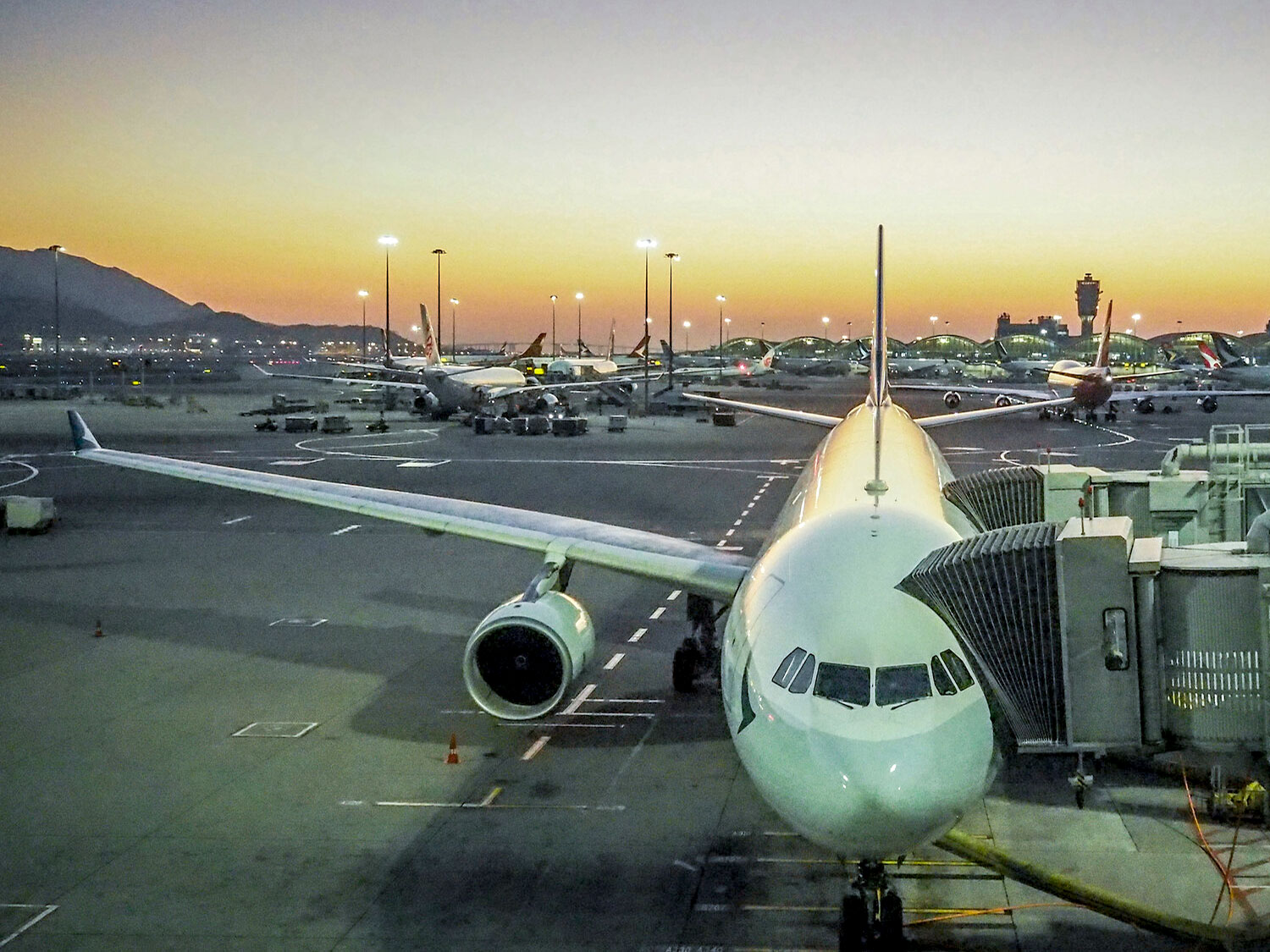
Twelve months ago, Cathay Cargo was not flying into Europe at all, because of the Hong Kong government’s Covid-19 restrictions on airline crew. 

This gradually increased from one flight a week into London, to one flight a day by the final quarter, with the carrier aiming to have four or five flights a day by the middle of the year.

Cathay Cargo is now operating wide-body services to Frankfurt, Amsterdam, London, Paris and Manchester so the opportunity to lift more cargo continues to grow.

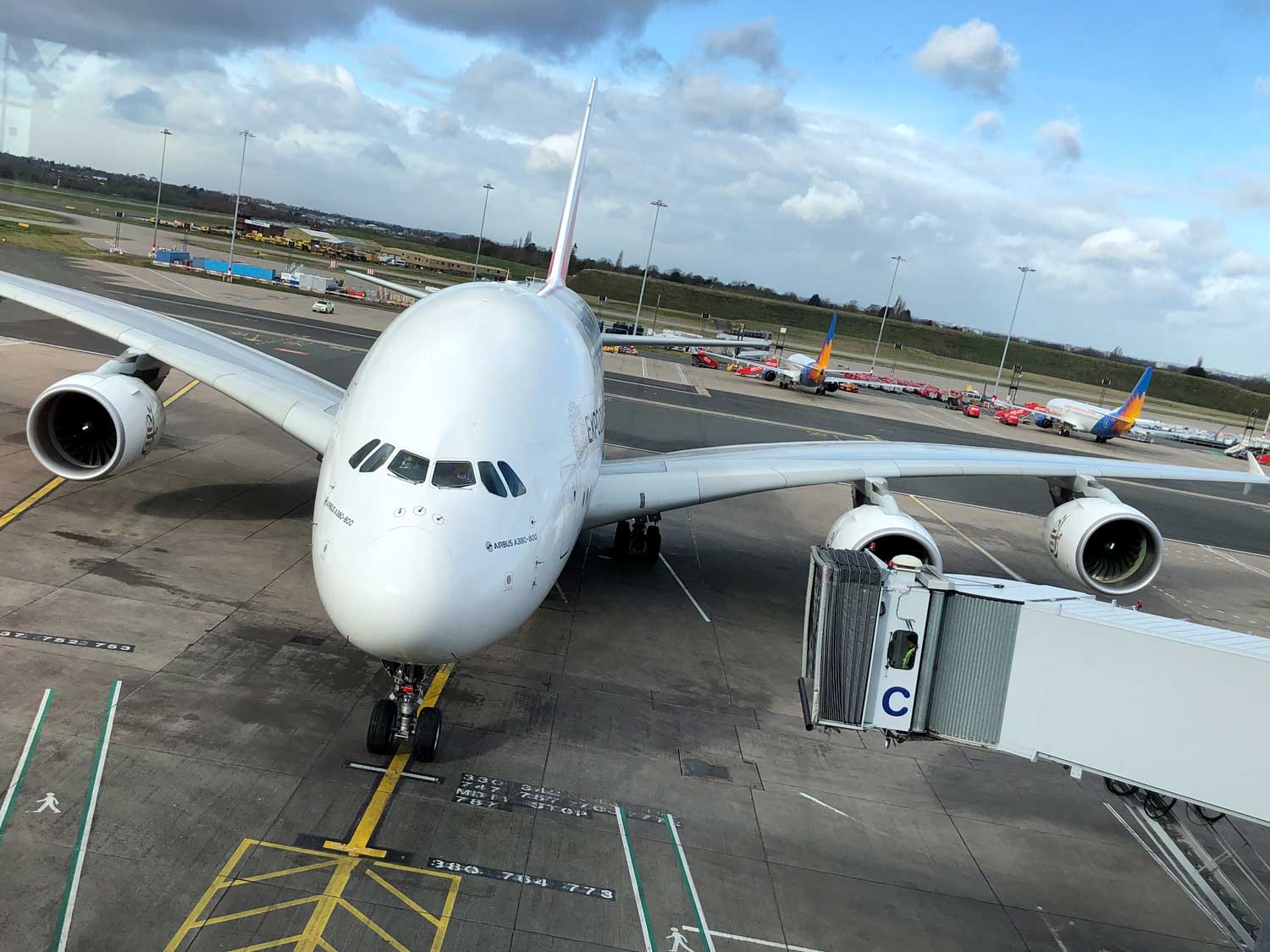
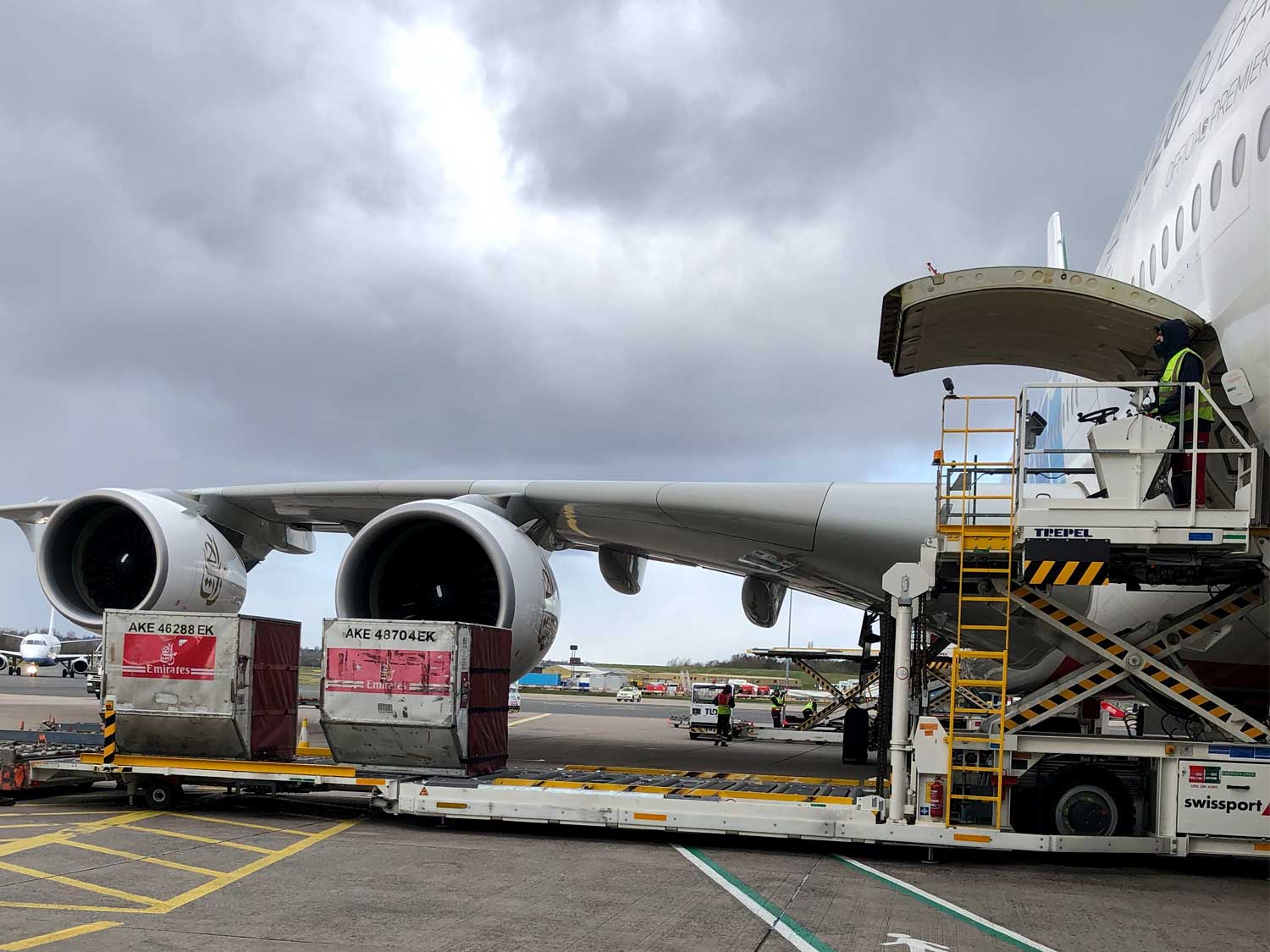
Emirates, a key carrier partner, has not fully resumed its Airbus A380 pre-pandemic capacity levels and while it was operating 928 weekly flights in January, it was still 22.9% below January 2019 levels. But that’s changing slowly but surely.

Currently, Emirates operates 14 weekly flights to our Birmingham air freight hub and seven to Glasgow. It will resume its second daily service to London Stansted from the 1st May and will ramp up its operations to London with 11 daily flights. This includes six times daily to London Heathrow and three times daily to Gatwick.

The reopening of China and the growth of new manufacturers in Southeast Asia and India, together with increasing demand of Asian consumers are significant opportunities for air carriers.

Geopolitical tensions and the tightening of global economic conditions impacted consumer sentiment and resulted in the air cargo demand decline during the second half of 2022, which followed several years of steady air market demand growth.

The largest impact on rate development was driven by the fuel crisis that followed the start of the war in Ukraine, extended flying time, less payload and slower turnaround of the aircraft.

Market drivers are for rates to move towards pre-Covid levels, but operating costs for carriers have been significantly impacted by inflation, fuel, ground and general operating costs. We are not there yet and it is likely that air freight rates will remain robust and at higher levels for some time as the base cost base has increased.

It is widely anticipated that in the second half of the year demand will strengthen for time-critical movements and there will be a recovery in air cargo demand as inventory needs replenishing and the world hopefully begins to stabilise both financially and from a consumer perspective.  We will continue to update on the ingredients and performance in the air freight market to ensure that you have the knowledge and market intel to make informed decisions throughout 2023.

Our air freight team continue to move time-sensitive cargoes globally, working to the tightest budgets and deadlines.

We work closely with our network and carrier partners to monitor market capacity and identify opportunities to use regional airports and particularly our Birmingham International Hub that will benefit our customers, with some of the most cost-effective services available in the market.

There are solutions for every critical shipment, please EMAIL Elliot Carlile for insights and advice.