A threatened strike at the ports of Los Angeles and Long Beach has been postponed until 20 November, giving maritime employers and union representatives another two weeks to reach an agreement.
While the extension provides welcome relief for US importers, the potential consequences of industrial action remain significant across America's busiest container gateway.
The latest agreement, announced on 7 November, is the third extension negotiated between the Pacific Maritime Association (PMA) and International Longshore and Warehouse Union (ILWU) Local 26, which represents approximately 250 security workers at six container terminals.
The dispute has not been resolved, but negotiations are continuing with assistance from the Federal Mediation and Conciliation Service.
Metro's US team are monitoring developments closely, particularly the potential implications for container availability, inland rail connections and delivery schedules as substantial import volumes continue moving through Southern California.
Why 250 workers could disrupt half the port complex
Although the dispute involves a relatively small group of security personnel, the Local 26 members are employed across six terminals that handle 85% of cargo moving through Long Beach and 33% of Los Angeles volumes.
The principal concern is that other ILWU members, including longshore workers and marine clerks, could refuse to cross picket lines if security workers take industrial action.
That could interrupt vessel loading and unloading, container handling, terminal gate operations and inland cargo movements across affected facilities.
The scale of any disruption would depend on which terminals were affected, whether other workers supported the action and how long a stoppage continued.
For now, the extension means there is no strike underway, and shippers should avoid assuming that widespread port disruption is inevitable.
Record volumes leave little room for disruption
The threat comes at a particularly sensitive time for Southern California's ports, with Los Angeles and Long Beach processing two million TEU in September and forecasts indicating that 300,000 laden import TEU could arrive each week over the coming weeks.
However, inland transport is already under pressure. On 26 October, approximately 35,700 import containers were waiting for on-dock rail services across the two ports, including more than 10,500 that had been waiting for at least nine days.
Average terminal dwell times for rail-bound imports reached 7.19 days in September, compared with 4.41 days in March. A work stoppage could compound these delays, creating additional congestion even after normal terminal operations resumed.
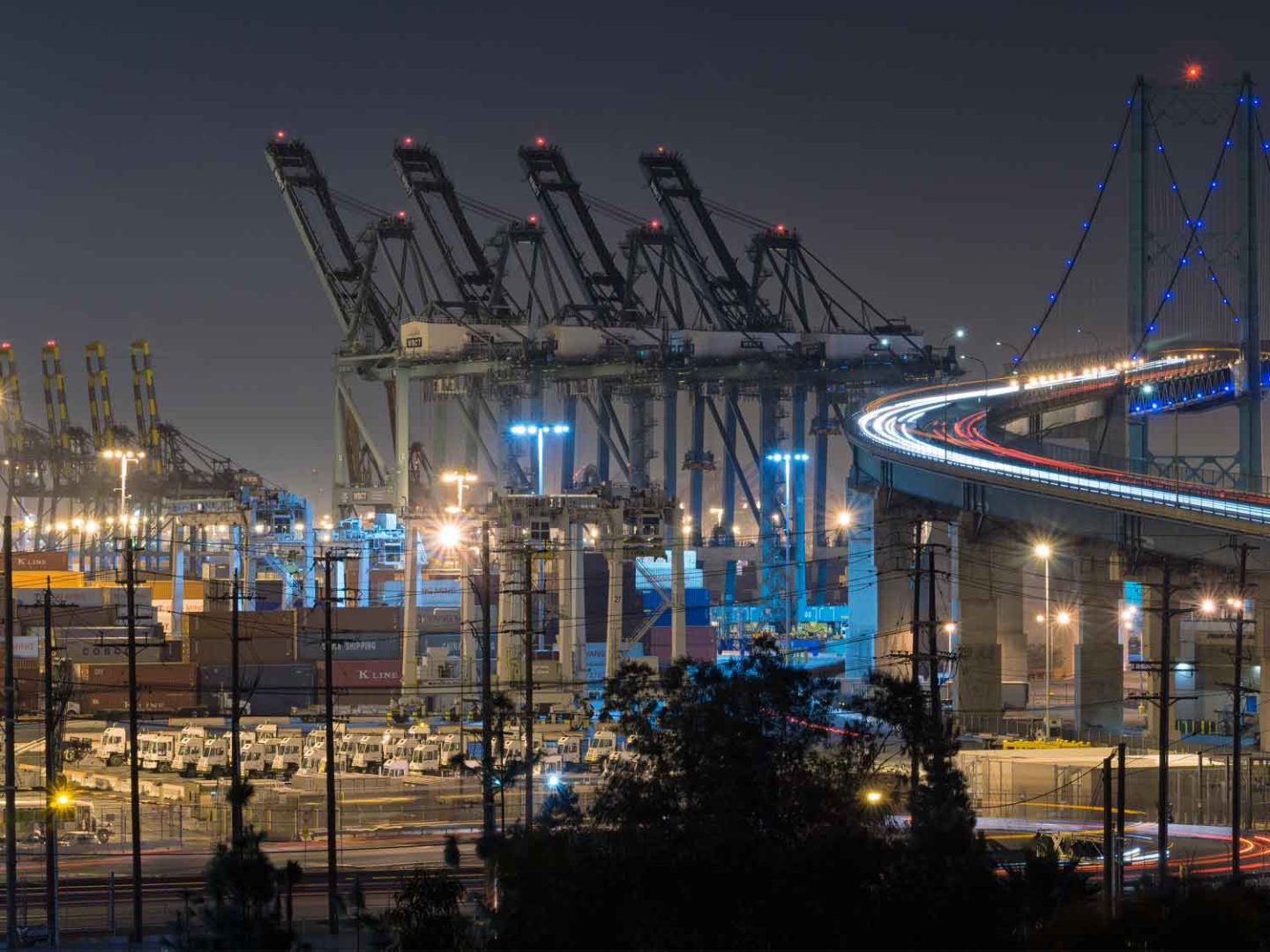
The situation is further complicated by the planned extended closure of the Vincent Thomas Bridge, an important road connection serving the port complex, which could add pressure to alternative access routes and inland transport arrangements.
What West Coast shippers can do now
The latest extension provides time to prepare without necessarily changing established shipping arrangements.
Metro recommends that customers moving cargo through Los Angeles and Long Beach take several practical precautions:
- Identify exposed shipments. Confirm which terminals will handle upcoming arrivals and whether they fall within the facilities potentially affected by industrial action.
- Review collection and rail arrangements. Check container availability, rail connections, drayage bookings and delivery commitments, particularly for time-sensitive cargo.
- Prioritise critical imports. Where practical, arrange prompt collection of containers already available for release and identify shipments that cannot tolerate extended delays.
- Evaluate contingency gateways. Consider alternative West Coast ports or other US entry points for future shipments if disruption becomes likely, allowing for additional inland costs and transit times.
- Monitor potential additional charges. Review free time, demurrage, detention and storage exposure, and do not assume charges will automatically be waived during disruption.
At present, there is no clear justification for widespread diversion of cargo away from Los Angeles and Long Beach.
However, businesses with critical delivery commitments should establish alternative arrangements and decision points before the 20 November deadline.
US expertise and contingency support when it matters
The next two weeks provide an opportunity for importers to assess their exposure and strengthen contingency arrangements without incurring unnecessary costs.
Metro's US-based specialists can help identify shipments at risk, assess alternative gateways, review rail and trucking options and prioritise urgent deliveries.
If you have cargo moving through Los Angeles or Long Beach, contact Metro's US team now to review your upcoming shipments and contingency options. With negotiations continuing until 20 November, early planning can help protect delivery commitments without the cost of unnecessary disruption to established shipping arrangements.