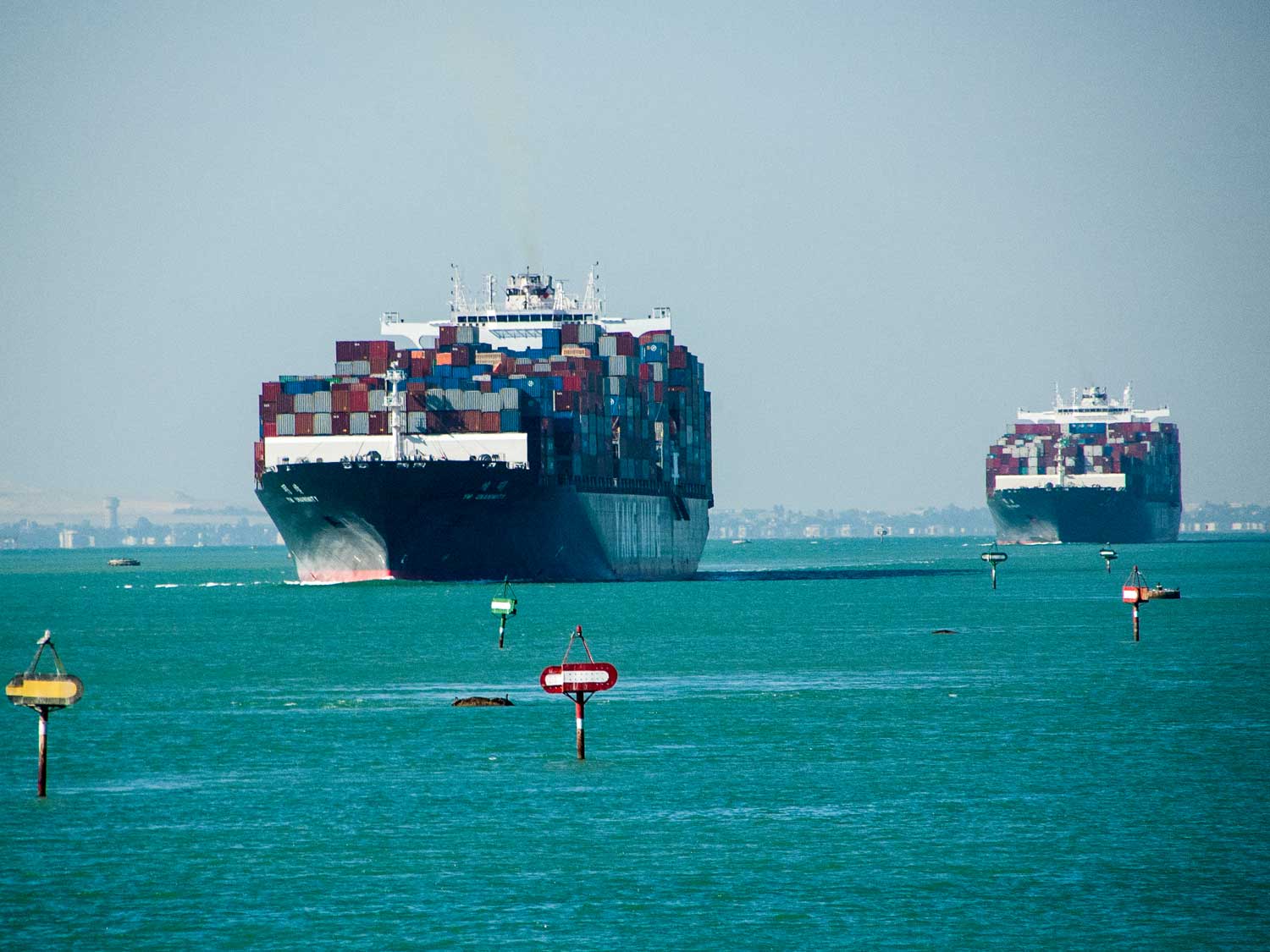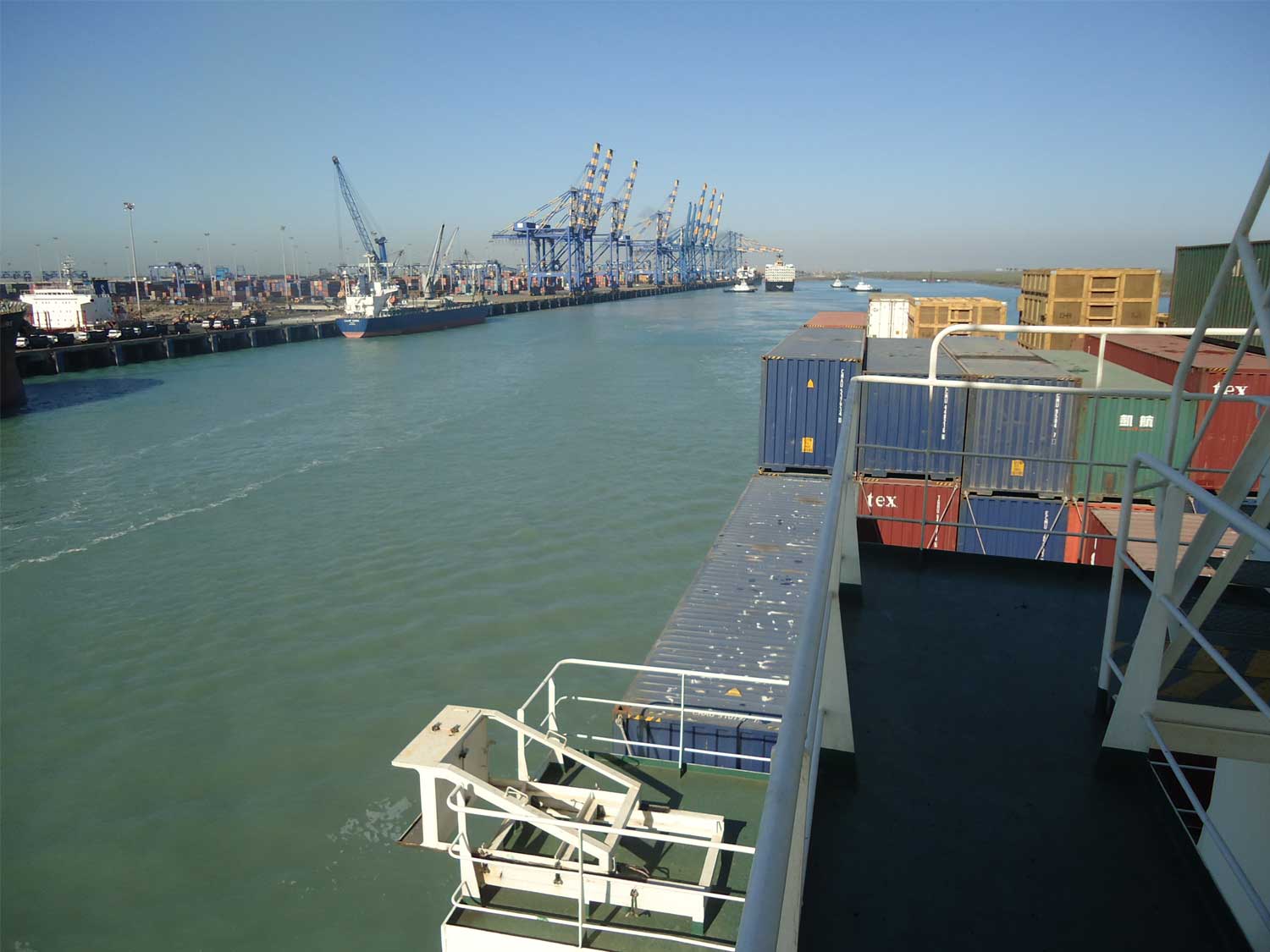
Although some shipping lines have begun selectively routing vessels back through the Suez Canal to reduce transit times and improve vessel utilisation, the industry remains far from a full-scale return to pre-crisis operating patterns.
Diversions around the Cape of Good Hope (COGH) have absorbed substantial global vessel capacity over the past two years by extending voyage times and reducing effective fleet availability. A broader return to Suez routing would rapidly reverse much of that dynamic, potentially releasing millions of TEU of effective capacity back into the market.
Routing via Suez shortens Asia–Europe voyages by more than 3,000 nautical miles compared with Cape routing, reducing transit times, improving vessel productivity and lowering fuel consumption, but the wider implications could be far more disruptive.
Faster transit times could rapidly shift supply and pricing dynamics
Industry estimates suggest that restoring normal Red Sea routings could release around 7% of effective fleet capacity back into the market. This would arrive at a time when container shipping is already facing heavy new-build vessel deliveries and relatively modest long-term demand growth.
The risk is that markets could move rapidly from relative tightness towards oversupply, placing renewed downward pressure on freight rates across major trades.
CMA CGM has increased the number of Suez Canal transits on two selected services, with shippers paying premium fees in exchange for faster transit times and reduced inventory delays.
Other carriers may be evaluating Red Sea routing strategies, although they remain cautious about large-scale network restructuring while regional security conditions remain unstable.
Importantly, any financial benefit from returning to Suez is still being offset by elevated war-risk insurance premiums and ongoing operational uncertainty linked to Houthi activity and wider instability across the Middle East.
Middle East instability continues to cloud long-term planning
Earlier expectations that container shipping could progressively return to normal Red Sea operations during 2026 have weakened significantly following renewed military escalation involving the US, Iran, Israel and regional proxy groups.
Several shipping lines that had previously explored limited Suez re-entry have since adopted a more cautious position, with some reversing earlier routing plans and returning services to COGH diversions.
At the same time, wider global trade patterns are also evolving in ways that partially offset oversupply concerns.
Chinese exporters are increasingly expanding into alternative markets including South America, Africa, the Indian subcontinent and the Middle East itself. These longer and more operationally complex trade flows consume additional vessel capacity and are helping absorb part of the substantial new tonnage entering the global fleet.
Even so, structural pressure continues to build beneath the surface.
Global trade growth is still expected to remain below the pace of new vessel deliveries scheduled between 2026 and 2028. Larger vessels are expected to feel the effects of oversupply first, particularly as cascading tonnage begins placing pressure on secondary and regional trades.
For shippers, the result is an increasingly uncertain operating environment where transit times, freight rates and network structures could change rapidly depending on how security conditions evolve across the Middle East.
While a full-scale return to Suez routing still appears unlikely in the near term, selective transits and gradual network adjustments are already beginning to reshape carrier strategies, pricing behaviour and capacity planning across major east-west trades.
Metro is working closely with customers to assess Suez and Cape of Good Hope routing trade-offs, comparing carrier strategies and identifying the ocean freight solutions most aligned to their supply chain priorities, inventory requirements and risk tolerance.
EMAIL Metro Managing Director Andrew Smith to learn how differing Suez and Cape routing strategies could affect your supply chain, and how Metro helps shippers balance transit times, security risk, insurance exposure, cost volatility and schedule reliability.