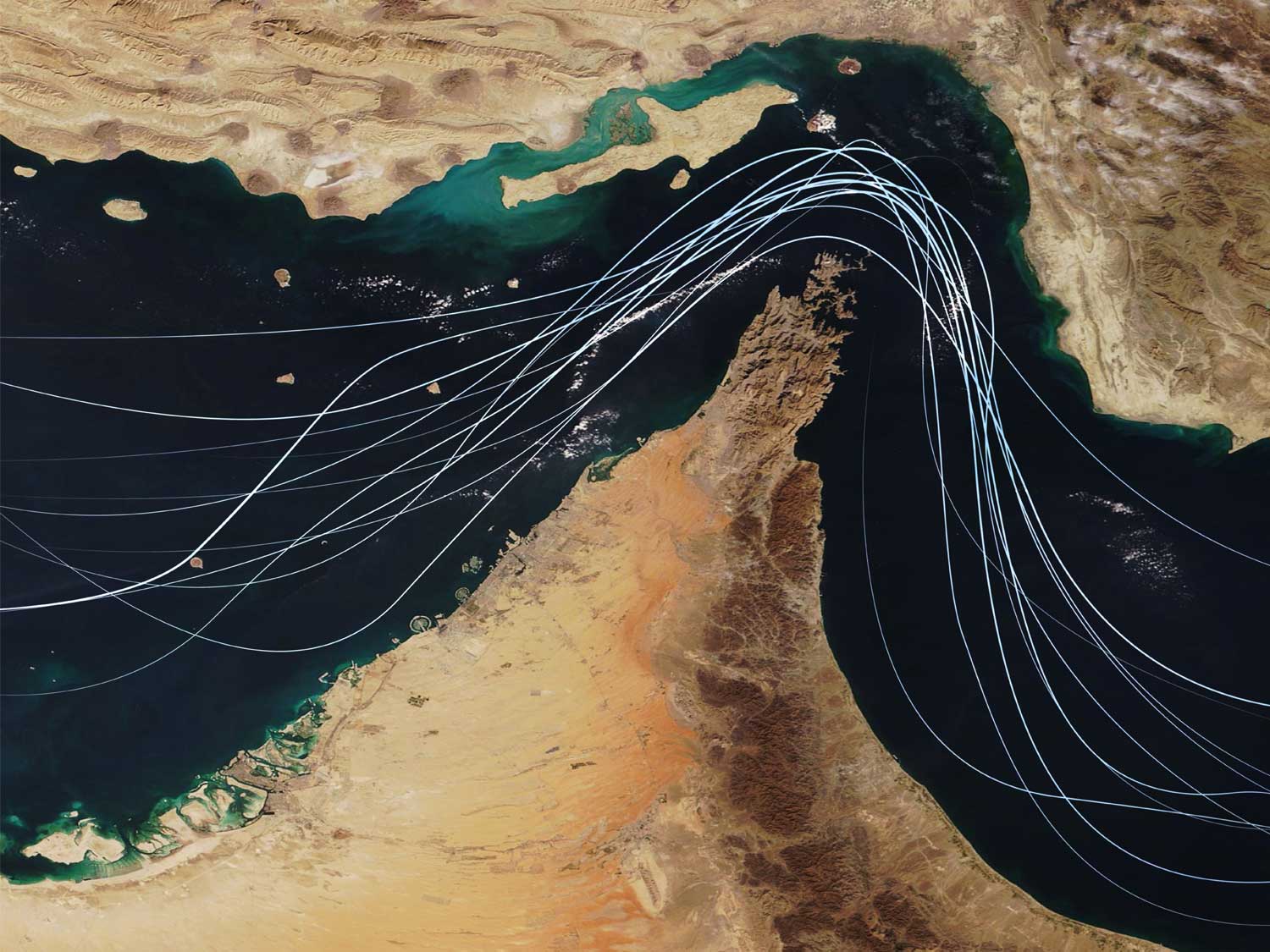
The continuing disruption in the Middle East is beginning to affect container shipping costs globally, with carriers introducing emergency fuel surcharges and rate increases across several major trade lanes.
Global bunker prices have surged in recent weeks, with very low sulphur fuel oil (VLSFO) rising by almost 40% since the initial military strikes on Iran. The increase reflects tightening oil supply and heightened market uncertainty linked to the closure of key regional shipping corridors.
The Middle East is a major exporter of fuel oil and accounts for around 35% of the fuel imported into Singapore, the world’s largest bunkering hub. As supply concerns intensify, fuel costs are expected to continue influencing freight pricing in the coming weeks.
Several major container carriers have already moved to pass these increased costs through to customers.
MSC has announced an emergency fuel surcharge for cargo moving from the Mediterranean and Black Sea, while CMA CGM will introduce its own fuel surcharge across its services, with both taking effect in the coming days.
These measures are likely to be followed by other carriers as the industry responds to rising bunker costs.
Freight markets beginning to react
Ocean freight markets have already begun to respond to the combination of higher fuel prices, geopolitical uncertainty and continued disruption across Middle Eastern shipping routes.
Recent spot rate indices on the Asia–Europe and Asia–Mediterranean trades show container rates rising week-on-week. Across the transpacific, rates to the US West Coast have surged sharply, while prices to the US East Coast have also moved higher, though to a lesser extent.
Carriers are also signalling further increases across Asia–Europe services from mid-March as they respond to higher operating costs and ongoing uncertainty around the reopening of Suez Canal routings.
Some cargo flows normally destined for Gulf markets are also being redirected via alternative land and sea corridors, including inland routes through Turkey, which may influence capacity utilisation and pricing across neighbouring trade lanes.
UK road transport also feeling fuel pressure
The increase in global oil prices is also beginning to affect UK road transport costs, which form a key part of inland supply chains.
The Road Haulage Association has called for urgent discussions with the UK government after a sharp rise in diesel prices, warning that hauliers are facing rapidly increasing operating costs.
As a result, many UK merchant hauliers are introducing or increasing fuel surcharges to reflect the higher diesel costs of container collection and positioning. This means that the impact of rising fuel prices is now being felt not only in international shipping but also across domestic transport and distribution.
What this means for shippers
The combination of rising bunker costs, emergency surcharges and higher road fuel prices is likely to increase logistics costs across several parts of the supply chain in the short term.
Metro is monitoring carrier announcements, bunker price movements and transport developments closely and will continue to update customers as the situation evolves.
If you would like to discuss how these developments may affect your shipments or explore alternative routing strategies, please contact your Metro representative or EMAIL Managing Director Andrew Smith.