Capacity challenges continue for RoRo and project shipper

Capacity challenges continue for RoRo and project shipper

Roll-on/roll-off (RoRo) and project cargo shippers are entering a decisive phase, as fleet expansion, industrial investment and energy-driven demand are converging, creating both opportunity and pressure for shippers moving vehicles, machinery and oversized cargo.

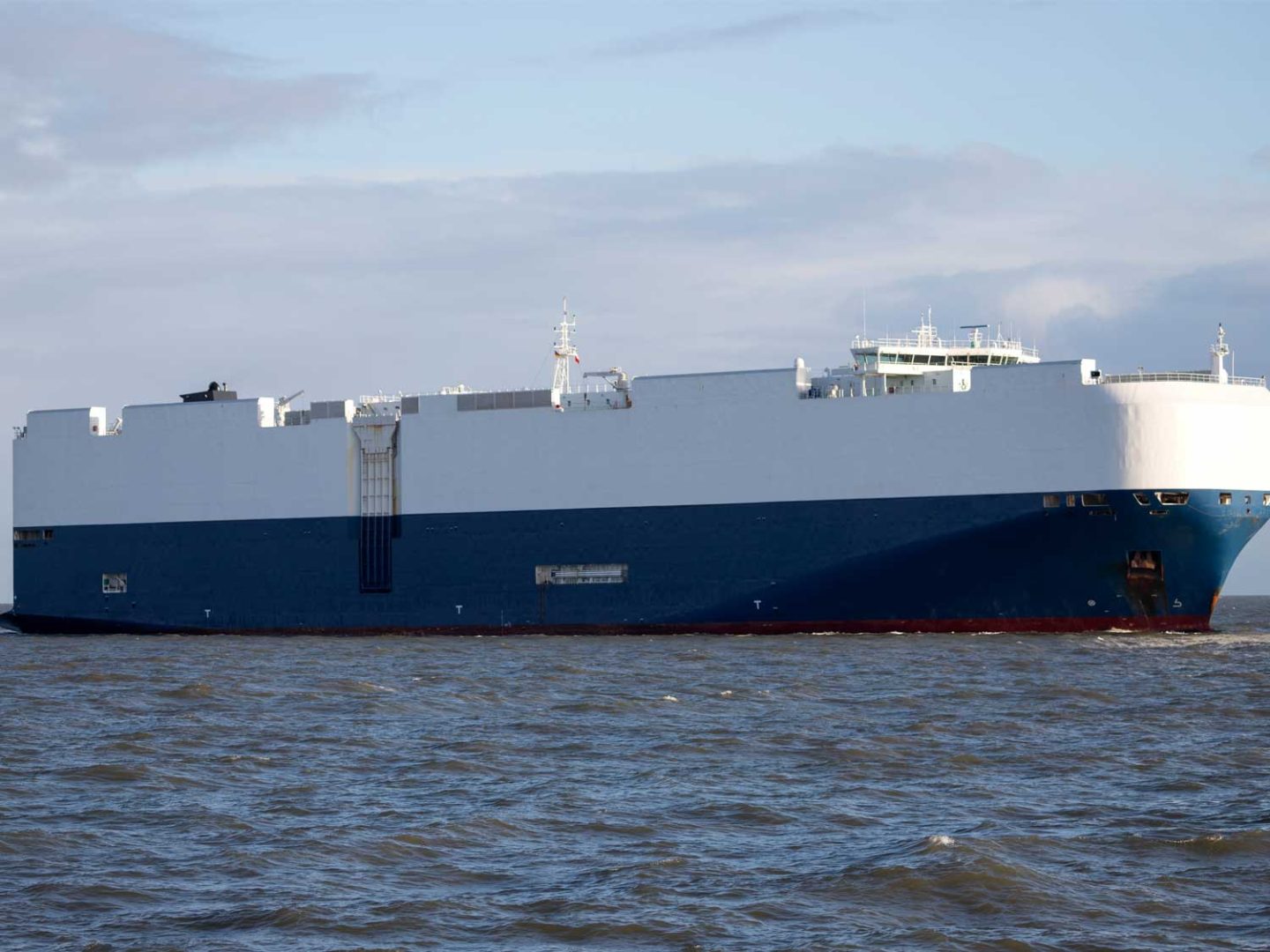
The global Pure Car Carrier (PCC) and Pure Car and Truck Carrier (PCTC) fleet is forecast to expand by around 40% over the coming years, with new vessels significantly larger than the ships they replace.

Latest-generation PCTCs are designed to carry 20–30% more car-equivalent units (CEUs) than legacy tonnage, lifting individual vessel capacity into the 9,000+ CEU range. Most new-builds are dual-fuel or alternative-fuel capable and ammonia-ready, reflecting a clear shift towards lower-emission operations.

Despite this expansion, RoRo capacity remains unevenly distributed. Vessel size growth primarily benefits vehicle flows, while availability for high and heavy cargo continues to depend on stowage flexibility, port infrastructure and trade imbalances.

High and heavy manufacturing: volumes steady, costs rising

Shipment trends from major global manufacturers of construction, agricultural and power-generation equipment provide a useful barometer for RoRo and breakbulk demand. While tariff-related costs are rising sharply, shipment volumes in key segments continue to grow.

Construction and forestry equipment shipments recorded year-on-year growth of more than 25% in the most recent quarter, driven by infrastructure spending and large-scale industrial projects. Power-generation equipment volumes also strengthened, with segment revenues rising by around one-third, reflecting accelerating demand from data centres and energy infrastructure.

Order backlogs across the sector have reached record levels, extending visibility well into 2026 and beyond. This supports steady outbound cargo flows, even as manufacturers maintain tight inventory control rather than front-loading production.

Project and breakbulk cargo enters a capacity-sensitive phase

Project and breakbulk shipping is being lifted by sustained growth in energy, metals and mining cargo. Global electricity demand linked to new power generation is forecast to grow at more than 3% per year through 2030, translating directly into increased movements of turbines, generators and transformers.

Fleet growth for heavy-lift capable vessels is projected at an average of just over 4% per year through the end of the decade. While sufficient for smaller and modular cargo, this pace risks falling short during peak periods for large, indivisible units.

Copper and other critical minerals are adding further pressure. Forecasts point to a potential 30% supply shortfall by the mid-2030s, driving investment in mining projects and associated movements of oversized equipment. These cargoes typically require specialised lift planning, crane operations and non-standard stowage.

As RoRo capacity grows by double-digit percentages and project cargo demand rises at a similar pace, the balance increasingly depends on planning, technical expertise and access to the right assets at the right time. 2026 is shaping up as a year where execution, sequencing and specialist capability determine success.

Metro’s dedicated automotive logistics and project shipping teams understand the operational, technical and scheduling complexities of RoRo, breakbulk and heavy-lift movements.

Working with leading global carriers, independent lines and charter operators, Metro helps customers secure reliable capacity, design resilient supply chains and optimise transport from factory gate through to dealer or point of use.

Email Andrew Smith, Managing Director, to discuss how Metro can safeguard your project cargo, vehicle flows and unlock efficiencies across your global logistics operations.

Swiss harden position in EU market access talks with the BLOC

Swiss harden position in EU market access talks with the BLOC

Last Wednesday, Switzerland announced its withdrawal from negotiations on closer ties with the EU, after failing to reach agreement on wages and immigration.

The move by the Swiss government to withdraw from negotiations on a single encompassing “framework agreement” may result in some form of ‘Swexit’ as it seeks to evolve its relationship with the EU.

The decision, which will have profound consequences for the EU’s fourth-biggest trade partner and the 1.4m EU citizens that live there, prompted the European Commission, to warn of an inevitable deterioration in co-operation.

Switzerland exported about €160bn of goods and services to the EU last year and while there is strong support to maintain close EU ties, there has been vociferous domestic political opposition to the draft treaty, which was seen as infringing Swiss sovereignty.

Disagreements on wages and state aid meant that “the conditions are thus not met for the signing of the agreement,” the federal council said, adding that it hoped existing trade arrangements could be preserved “in the interests of both sides”.

Over 100 bilateral treaties, give Switzerland access to the single market in exchange for open borders and alignment with EU law. Talks, that began in 2014, to overhaul these arrangements, became more urgent after Brexit, because of EU concerns the UK would use the Swiss model to cherry-pick single-market benefits, while remaining outside formal EU structures.

Switzerland’s decision to abandon the talks means that as the 120 bilateral agreements lapse, they will gradually lose single-market access, creating uncertainty for businesses and residents.

Under Switzerland’s constitution, any deal with the EU would have to be agreed in a nationwide referendum, with approval from both a majority of the overall population and a majority of the country’s 26 cantons.

Many Swiss are optimistic Brussels will agree to a compromise, whereby existing agreements can be rolled over individually, but this assumes a degree of flexibility, that the EU has not extended in negotiations with the UK.

Diplomats warn such optimism is misplaced, when the EU’s overall intention was to curb as much of the country’s privileges as it could, or extract concessions to maintain them. 

Switzerland now faces the prospect of a gradual degradation of its economic ties with the EU and with public opinion split, the problem may be that be that this gradual erosion will not create the momentum for Switzerland to enter new negotiations with the EU.

This is a situation that is definitely worth following as it unwinds and evolves as there is inextricably a link between the UK and EU relationship that will be reflected in the developments and final outcome.

We monitor the evolving UK/EU customs regime situation and EU related developments, to offer knowledgeable advice and tailored customs brokerage solutions on our CuDoS platform.

We have extensive transport and customs brokerage solutions across Europe, to ensure that your supply chain remains agile and responsive, as the EU situation moves forward with its trading relationship with the UK and our other established and new trading partners.  

For further information, or to discuss your situation, please contact Elliot Carlile or Grant Liddell, for guidance and advice.

Join Fracht USA webinar for the BIG answers and market updates

Join Fracht USA webinar for the BIG answers and market updates

With our joint venture partner Fracht, Metro plan, organise and manage the protection, handling and global transportation of large, heavy, high value, and complex pieces of equipment.

Project movements are all about attention to detail, effective briefing and the proven audit and planning processes that our Fracht USA colleagues have perfected and are recognised as one, if not the, global experts in this specialised field.

Planning embraces every relevant element, including product characteristics and handling requirements, route audits and specialised lifting equipment, resources and timings.

While many elements make up effective project planning, they always depend on effective preparation, to deliver the optimum solutions, with the flexibility to adapt and overcome unforeseen challenges or obstacles. This is always on a bespoke and tailored basis usually for a unique one off movement of highly valuable cargo.

On Wednesday 31st March @ 0900 CDT/1500 BST Fracht USA are hosting a free webinar – Project Preparation & Adaptability – featuring four respected speakers, from power, maritime, engineering and 3PL, who between them have over 100 years of experience to share with attendees.

If you are involved – or interested – in project shipping, this webinar will inform, educate and prepare you for future challenges.

Click HERE to register now

Ruediger Fromm | Head of Logistics | Siemens Energy

With over 20 years of experience in the project logistics and energy industries, Ruediger oversees end-to-end global project logistics and has global strategic responsibility for Siemens’ project logistics network.

Ulrich Ulrichs | Chief Executive Officer | BBC Chartering

Ulrich is a qualified engineer, and maritime executive, of more than twenty years experience, with specialised carriers in the multipurpose sector, including senior leadership roles and overseas postings Shanghai and Brisbane.

Stephen R. Spoljaric |Corporate Manager of Global Logistics | Bechtel

Since joining Bechtel in 2012, Stephen has built client relationships through engagement in problem solving with the promotion of technology in the Supply Chain. He holds a bachelor’s degree in economics and a master’s degree in industrial engineering.

Sandro Lepori | Director of industrial projects | The Fracht Group

Sandro has over 40 yearsof logistics experience in the energy sector, including roles in Switzerland and the US and the management of numerous turnkey power plants worldwide. He helped found the ABB/Alstom Global Logistics Council to define policies and directives and has been a regular instructor for the Alstom University on international transportation and logistics.

For further information on this event please contact our director of Fracht UK – Tom Fernihough – who will be delighted to ensure that you are enrolled and attend this enlightening opportunity to meet the freight project industry leading experts.

Another successful project movement; The careful application of power

Another successful project movement; The careful application of power

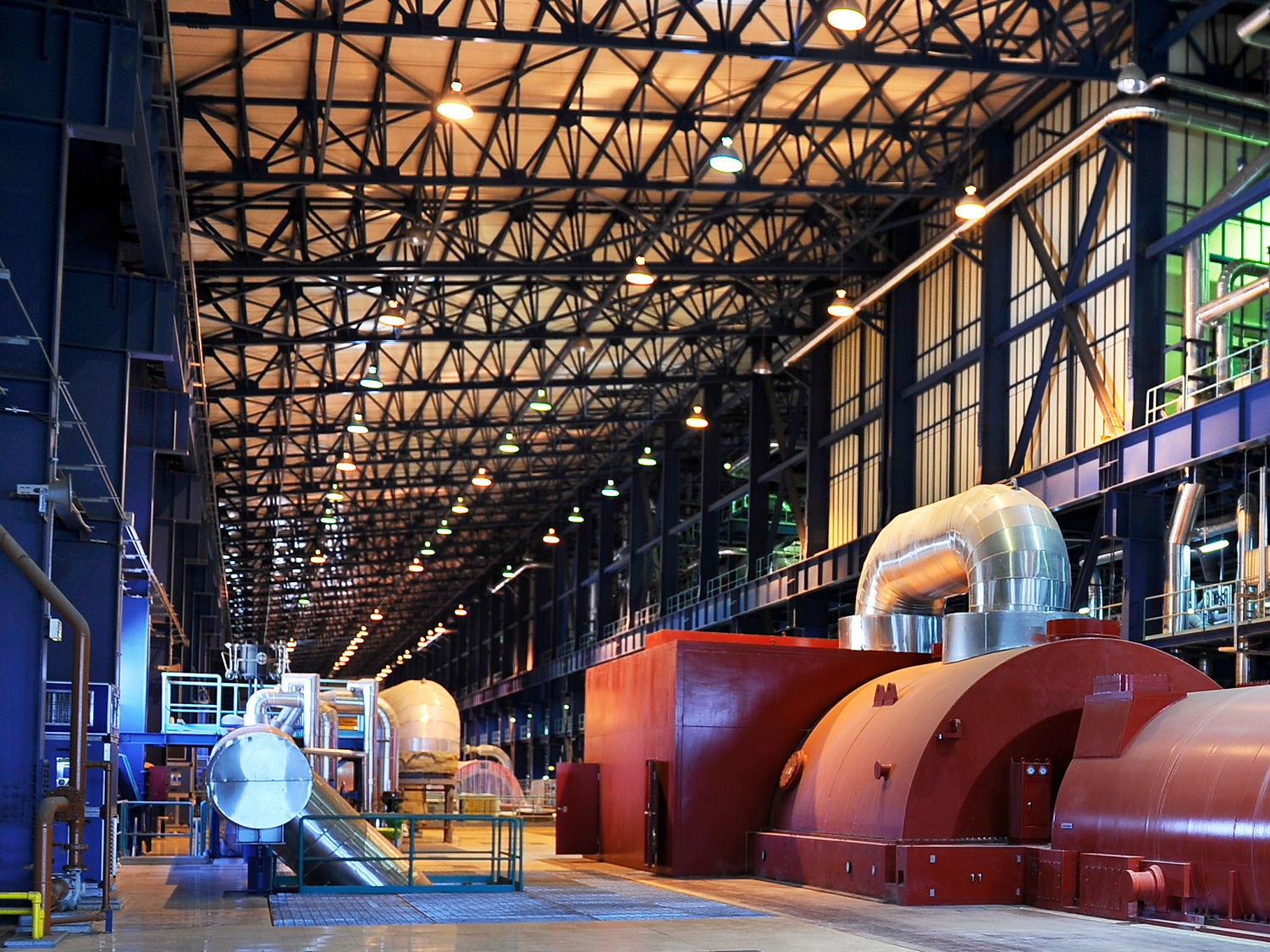
Representing two of the world’s largest industrial manufacturing and power plant  brands, Metro joint venture partner Fracht provided an expert on-site team to dismantle and remove the turbine and rotor, for refurbishment in Poland, at a renewable energy plant in the south east of England.

Turbines play a significant role in energy generation and are increasingly applied in the renewable energy sector. Because the spinning stage of turbine operation is so crucial to the creation of energy, it is important for power plants to have their turbines and rotors regularly refurbished, to maintain optimum performance.

Tasked with preparing and removing the turbine and rotor, for transport to a specialised facility in Poland, for refurbishment, the Fracht on-site team began with a full inspection of the turbine.

Power plant turbines are colossal pieces of equipment that are incredibly resilient, but they are also precisely engineered and must be carefully handled at all times, to safeguard fragile components. 

Having accounted for, and individually identified, each component and part, the Fracht team carefully removed tension bolts, dismantled the turbine, rotor housing and shields, with the rotor ready to be lifted onto a specially designed cradle, ready for transport.

Prior to any crane lifts the team had to pack components, prepare lifting points and create detailed plans, for all participants.

Ensuring the safe and effective handling of these fragile giants, depends on accurate centre of gravity (COG) balancing calculations, that maintain a level lift, with a tolerance of just 6/100th’s.

Working effectively and closely with client personnel and other contractors during critical operational points and lifts is critical and involves all our specialist engineers, slingers and remote control crane operators.

The turbine and rotors are currently en-route to Poland for modification upgrade, following which we will we be moving all the components back and reassembling on-site with all new modifications completed.

For further information relating to our project team capability, please contact Tom Fernihough at Fracht UK, who will run through your requirements and introduce our services operating in the out of gauge and specialist cargo sector. 

No piece or project is too big or complex for Fracht UK and our 130 + overseas office network, to move anywhere in the world, with a bespoke and tailored solution.