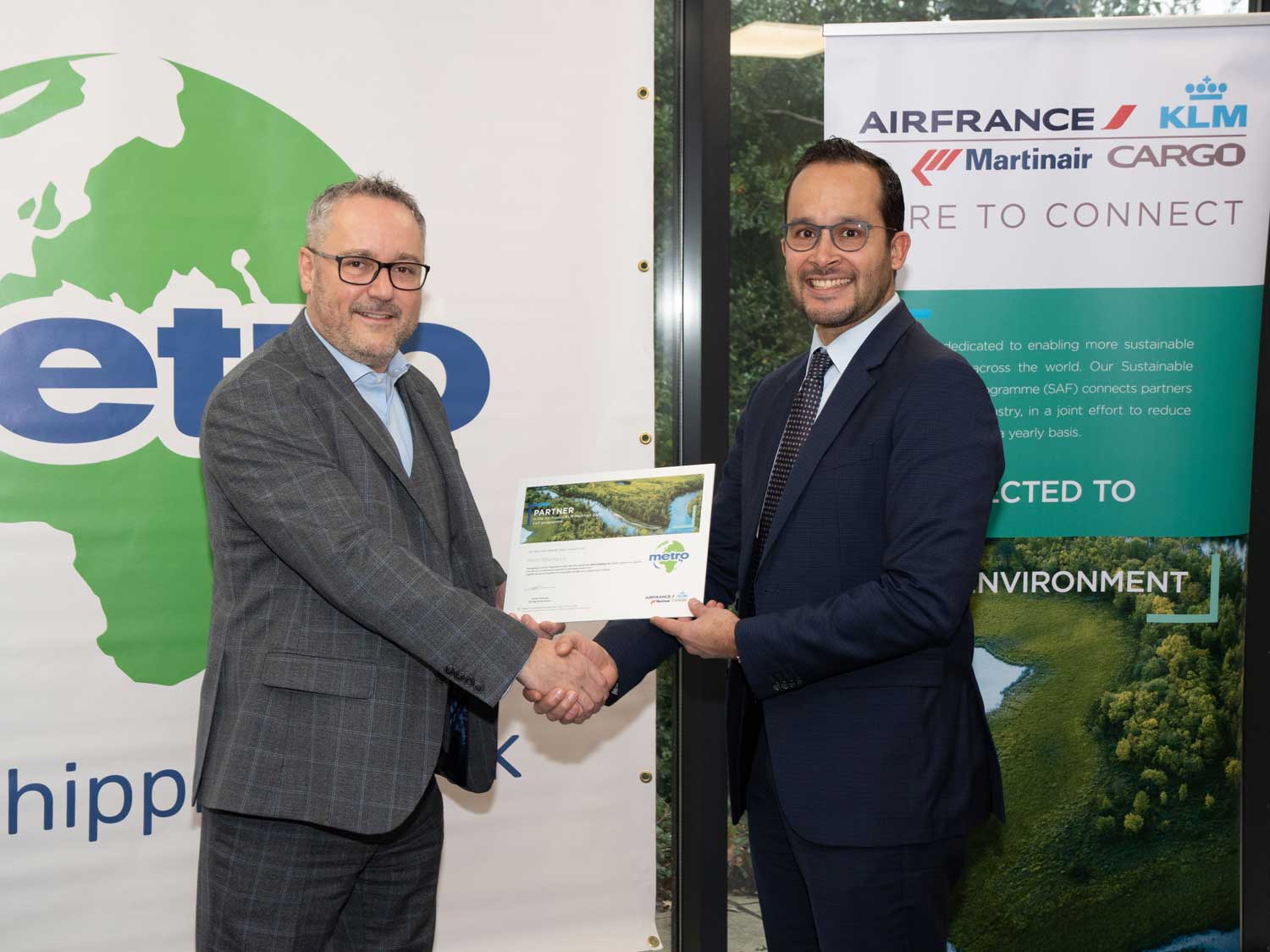
Grant Liddell left Arturo Marte right

Air France and KLM sign inaugural environmental deal with Metro

Metro is the first of the airlines’ customers in the United Kingdom to invest in their joint, innovative Sustainable Aviation Fuel (SAF) programme, confirming our shared ambition to contribute to the development of reduced greenhouse gases within the aviation logistics sector. 

(Pictured above are Grant Liddell (left), Metro's managing director and Arturo Marte (right), cargo director, Air France KLM Martinair Cargo.jpg

Metro has already made its head office operations carbon-neutral and is committed to extending this zero-emission strategy as far down customers’ supply chains as possible, which is why we have become the first forwarder to join the Air France KLM Martinair Cargo (AFKLMP Cargo) SAF programme and invest in sustainable aviation fuel.

IATA member airlines and the wider aviation freight industry are collectively committed to making flying net zero by 2050 and Sustainable Aviation Fuel (SAF), which was first flown on a commercial flight by KLM in 2011, and has been identified as one of the key elements in helping achieve this goal.

Aviation biofuels are produced from plant sources, waste oils, solid biomass, or from synthetic biology and can lower CO2 emissions by up to 98% compared to conventional jet fuel.

Arturo Marte, cargo director, Air France KLM Martinair Cargo said. “I’m pleased to welcome Metro as our first UK customer to join our Sustainable Aviation Programme and helping us raise awareness in our industry.”

Grant Liddell, Metro’s managing director. "We are proud to be partnered with Air France KLM Martinair Cargo and take this collaborative approach directly with the airline.”

“Air France and KLM have been pioneering SAF since 2009, but it is still a pioneering technology and Metro’s participation in the AFKLMP programme will help fund the research and development, which can increase production and make SAF available in greater quantities and in more locations.”

“Although it is currently early in the switch to full SAF on cargo flights, this will gather pace over the coming years, and we are already promoting the benefit in greenhouse gas reductions to our customers that are using time-critical modes across the industry." 

The signing ceremony took place at Metro’s head office in Birmingham, with officials from both companies attending, including Arturo Marte, cargo director for the United Kingdom & Ireland at Air France KLM Martinair Cargo, and Grant Liddell, managing director of Metro. 

The same toolkit we use to measure, reporting and offset our emissions, to achieve carbon neutrality, is available ‘free of charge’ to our customers.

Part of our MVT supply chain platform, the ECO module monitors the energy emissions, emission costs and CO2 equivalent emissions, of customers’ consignments, by every mode. 

Reports and key eco statistics related to their movements, allow them to see which areas will benefit most from emissions offsetting and where efforts can have the most impact.

To request a demo or discuss your requirements, please contact Simon George, who can outline our proven carbon reduction strategies and the availability of offset projects.

IMO 2023

Carrier IMO 2023 fears may be misplaced

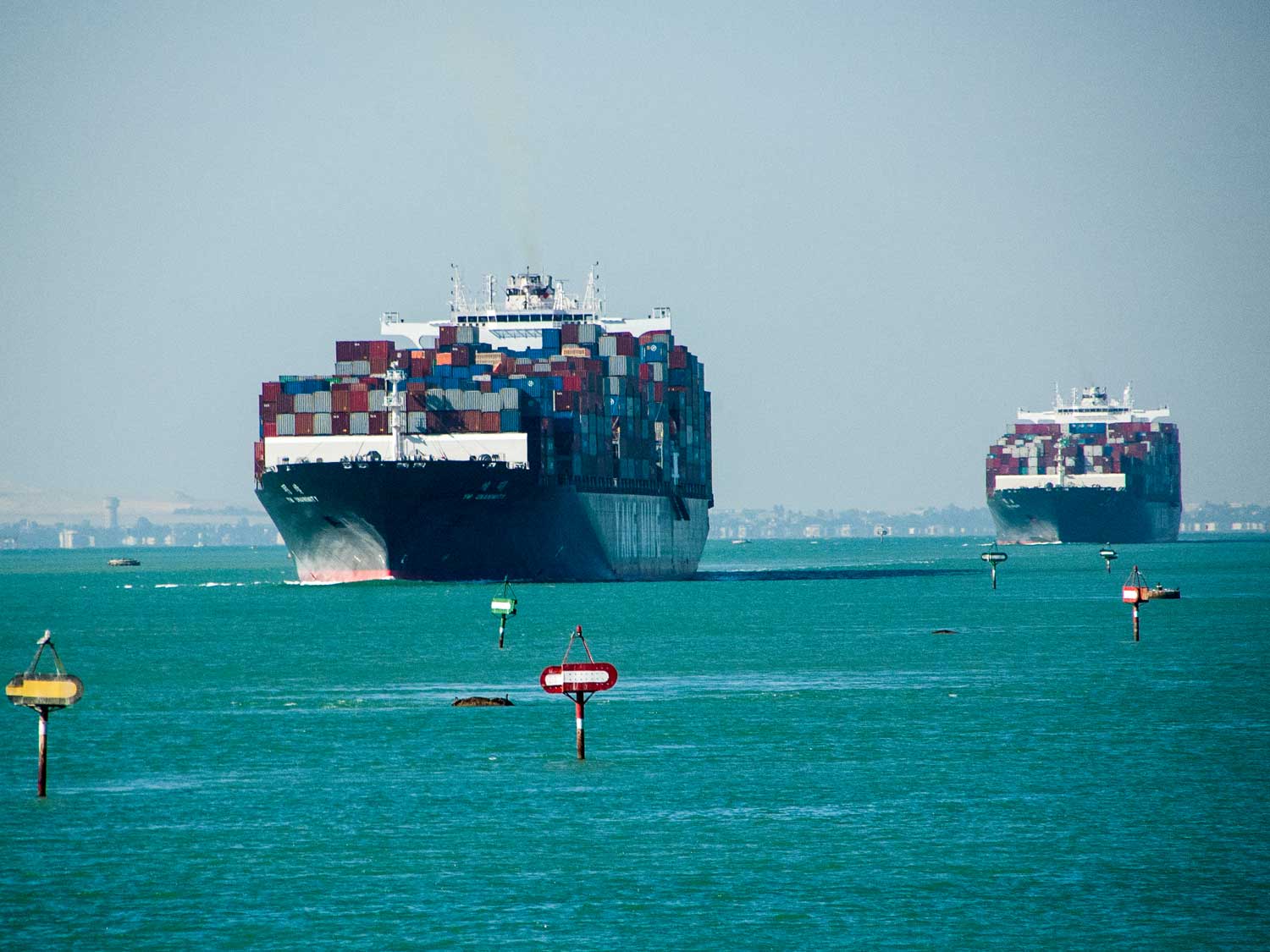
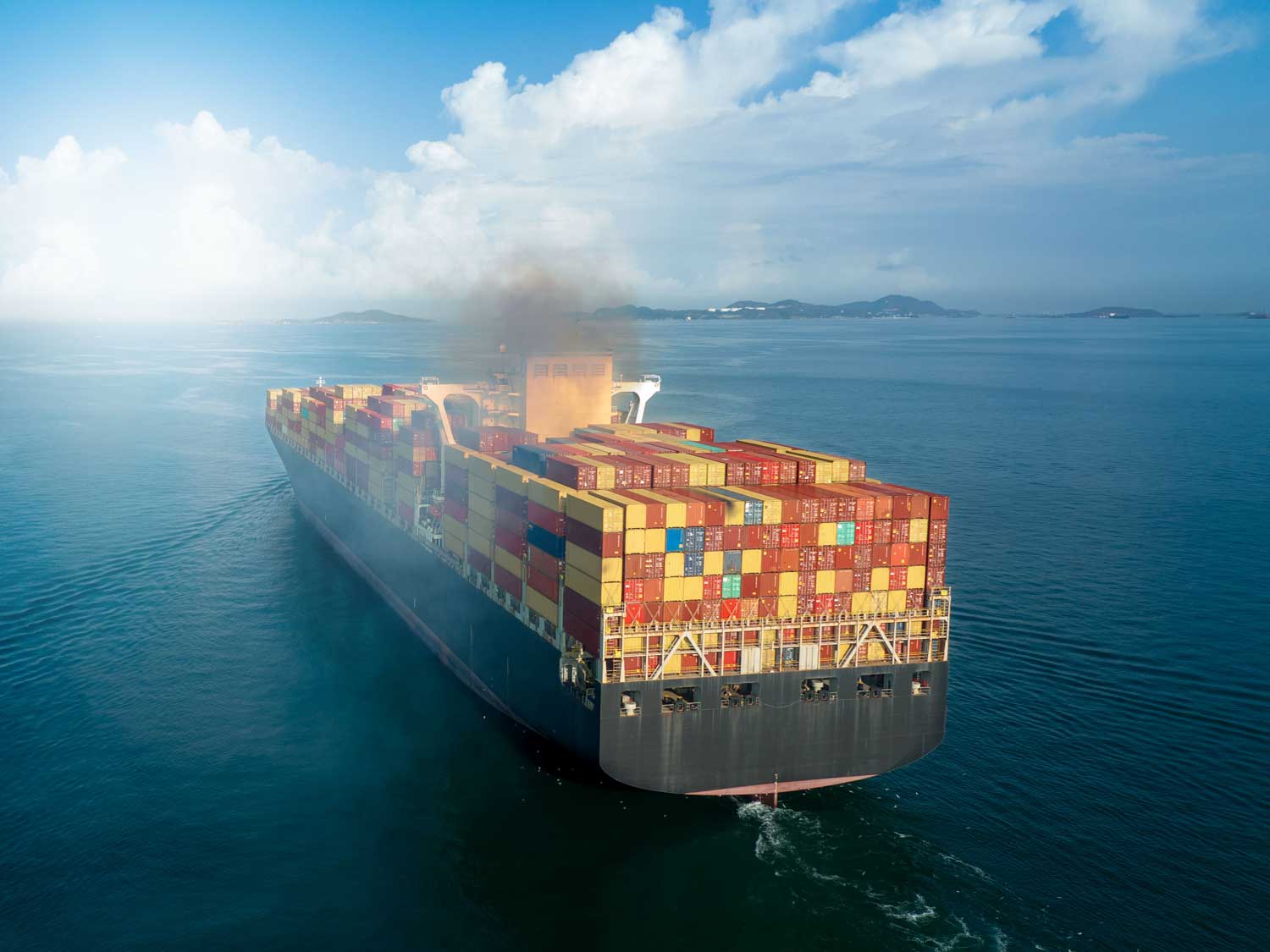
In just over two weeks, IMO 2023 will require containers ships to comply with new environmental efficiency and carbon intensity regulations, which older ships will have difficulty complying with and may prompt early scrapping, removing vast swathes of capacity from the market.

According to one of the world’s largest container shipping lines, 5 to 15% of additional capacity will be required as a result of IMO 2023 rules, while Hapag-Lloyd puts it at 5 to 10%. In effect a drop in current capacity, which could go a long way to shoring up rates with this added dilemma to the infrastructure of the worlds shipping fleet.

Beginning in January, the new IMO rules will require individual ship’s to measure and report its carbon impact, using a complex set of rules, which will effectively grade ships A through to E, with vessels that receive a grade of A, B, or C deemed to be compliant within that year. 

Vessels graded D have a three-year grace period to achieve compliance, while those graded E will have one year to do so and, critically, the grading criteria will get increasingly tougher every year. That is just based on the current global legislation which could be further fettled and change.

Which means that a vessel which obtains a B grade in 2023, could score a D or even E in subsequent years, if the vessel’s environmental efficiency was not enhanced.

If the owner cannot make vessel’s rated D or E compliant, or fails to maintain and enhance compliant vessels ongoing, those vessels will have to be removed from service and likely scrapped. Removing capacity.

With container freight rates falling in recent months, the container shipping lines appear to be in for a tough year ahead, but limited shipping capacity growth is a likely by-product of IMO 2023 regulations that lead to vessel scrapping or speed reduction, that effectively removes capacity from supply.

Heavy investment in new container ships would be expected to add supply side pressure, but what seems to be massive capacity growth coming in 2023 and 2024 is going to be severely tempered both by scrapping and the new environmental regulations. A new market dynamic that may not have been considered or factored in by many outside of the shipping industry.

IMO 2023’s stricter emission limits, will further reduce sailing speed from 2024 and the impact may become significant in scrap activities from 2025 onwards with favourable age profile. Fourteen vessels were available for scrap on Monday. From an industry which only scrapped eleven in the last two years. That’s a huge impact already being directly implemented within the industry.

An unintended consequence of IMO 2023 might incentivise higher demurrage costs to reduce vessel time at berth and release tied-up capacity. As an observation.

While a significant drop in freight rates and with high bunker (fuel) prices has already reduced sailing speed, it is likely that IMO 2023 will prevent potential speed recovery, keeping available capacity subdued against the general market expectation of growth.

We share the most important IMO 2023 detail and developments, so that you are informed and prepared to make critical decisions. 

Metro are huge advocates in achieving the reduction of further environmental damage caused by global logistics and supply chains. Please contact us to assist you with your own objectives and goals to ensure that you are both compliant and delivering a cleaner and clearer environmental strategy. Every action will contribute and we are able to proactively assist and deliver greener policies and ambitions.

Please contact Elliot Carlile, or Andy Smith to discuss your supply chain and the potential impact of IMO 2023. A greener environment and restriction on greenhouse gas emissions is always welcome – but it will come with an impact which may  be invisible to many outside of the industry, for the short term.

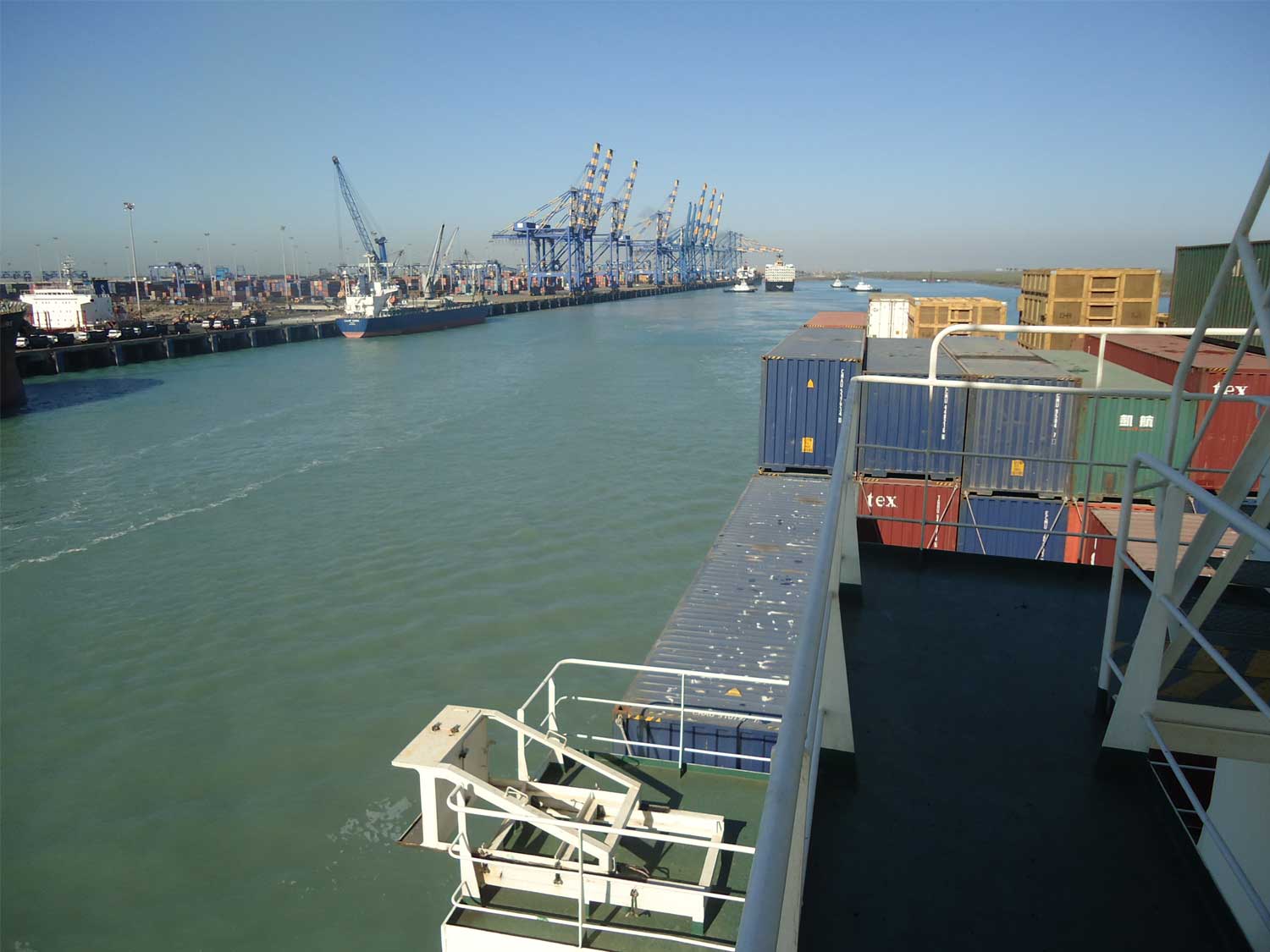
Antwerp

The EU’s Emissions Trading System will add another surcharge

The decarbonisation of global shipping is currently the subject of regulatory intervention: at the international level, with the International Maritime Organisation’s ( IMO’s) 2023 rules, designed to further reduce emissions from vessels; and at the regional level, with the EU’s Emissions Trading System (EU ETS), both of which will potentially add cost to container shipping.

This really is worth a read and ensuring that you are aware of the impact – financially and as an added layer of complexity to moving goods around the world. Since this article was published the introduction of the ETS for the maritime sector has been delayed until 2024 to give industry and the EU time to arrive at a solution.

Sustainability in any element of business has an on-cost, especially for the largest businesses. Protecting the environment doesn’t come free and those costs are typically passed on, from carriers to shippers to consumers. Longer term however it may actually reduce costs whilst having a positive impact on global warming as the technology develops and matures. Metro are huge advocates and always looking on how reductions in greenhouses gasses can be achieved through the supply chain.

But while the cost of compliance for supply chain participants may be noticeable in the short-term, they will become standardised and reduce over time.

More and more shippers want to track and reduce their emissions with service providers and are increasingly adding sustainability to their selection criteria for supply chain partners.

The demand for visibility in carbon emissions has never been higher, which is why we released our MVT ECO module earlier this year, that allows, and ensures that, our customers and shippers can monitor and offset the environmental impact of their global shipping.

The EU ETS sets a “cap” on the number of emissions that various industries may produce and requires companies to obtain allowances that equal their emissions above the cap at the end of the year. The price of such allowances may fluctuate depending on supply and demand factors.

The extension of the existing system to shipping would include all emissions from ships calling at EU ports for voyages within the EU (intra-EU) as well as 50% of the emissions from voyages starting or ending outside of the EU (extra-EU voyages), and all emissions that occur when ships are at berth in EU ports. 

Ship operators would purchase and surrender ETS emission allowances, or EU Allowances (EUAs), for each ton of CO2 emissions reported under the scope of the system.

Shipping lines will seek to pass on the cost of compliance, as they have done with other forms of environmental regulatory costs in the past. This will depend on the price of the EUAs and on whether the shipping industry’s involvement is phased-in over several years, or required 100% from day one on the 1st January 2023, as is being discussed by the European Commission and parliament.

Maersk has outlined the costs that would be passed on to its customers and while other lines continue to “closely monitor the progress of the ETS discussions”, MSC has very kindly shared its indicative EU ETS compliance costs (see picture).

From the first quarter of 2023, Maersk would have implemented a standalone surcharge on the Asia-North Europe trade of €255 per reefer, while MSC envisaged a cost of €208 for a reefer.

MSC indicative costs

For more information on the IMO 2023 and EU ETS programmes and to discuss their implications for your supply chain, please contact Andy Smith or Grant Liddell, for a collaborative approach to safeguarding your supply chain…and the environment. It's rather important after all……and we are launching a number of initiatives including electric vehicles, more carbon efficient multimodal platforms and avoidance of traditional fossil fuel driven supply chains.

KLM

Metro support drive for Sustainable Aviation Fuel

Despite the continuing challenges of the COVID pandemic and the war in Ukraine the aviation industry is committed to decarbonising by 2050, but alternative energies such as electric and hydrogen will not solve the challenge, which is why Metro is joining industry ‘innovators’ to support and invest in sustainable aviation fuel.

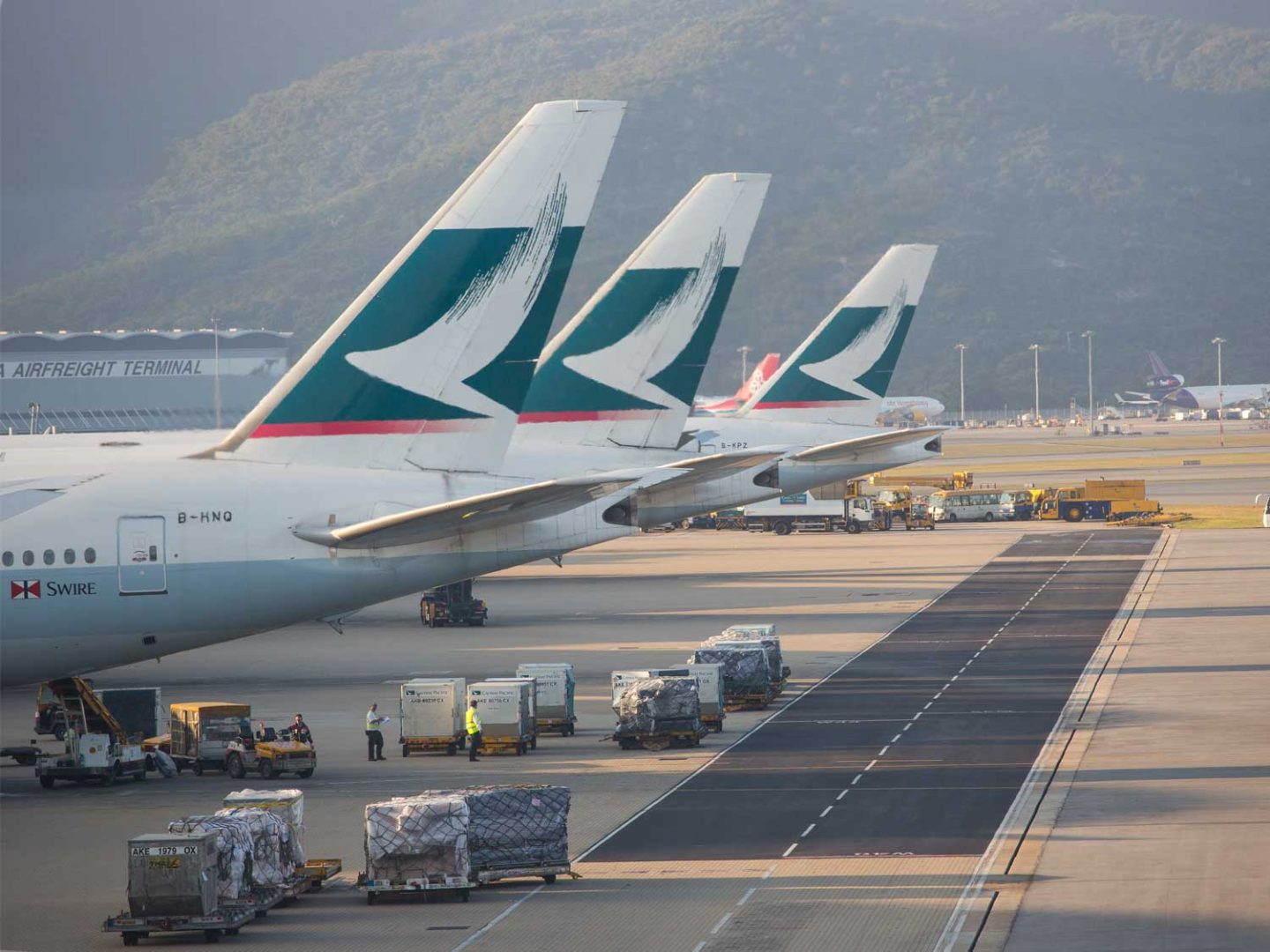
IATA member airlines and the wider aviation freight industry are collectively committed to making flying net zero by 2050 and Sustainable Aviation Fuel (SAF), which was first flown on a commercial flight by KLM in 2011, has been identified as one of the key elements in helping achieve this goal.

Aviation biofuels are produced from plant sources, waste oils, solid biomass, or from synthetic biology and can lower CO2 emissions by up to 98% compared to conventional jet fuel.

‘Sustainable’ biofuels do not compete with food crops, prime agricultural land, natural forest or fresh water. Sustainable aviation fuel is produced worldwide, and each source is certified as being sustainable by a third-party organisation, to guarantee its integrity.

However, there is a “huge amount of work” needed to drive widespread adoption of SAF across the aviation sector, including more research and development, and technological development on feedstock. 

With challenging sustainability objectives of their own (in line with the 2015 Paris Agreement) key carrier partners Air France, KLM and Martinair Cargo created a joint SAF initiative in 2020, to drive carrier adoption and to generate wider support across the air cargo  community.

Metro has already made its operations carbon-neutral and is committed to extending this zero-emission strategy as far down customers’ supply chains as possible, which is why the board has elected to join the AFKLMP Cargo SAF programme and invest in sustainable aviation fuel.

With unaddressed air carriage CO2 emissions forecast to reach 22% of global emissions by 2050, we believe that SAF could reduce the industry’s emissions by almost 50% and is the most effective solution to reduce the aviation industry’s carbon footprint. 

SAF impact on total CO2 emissions

Although Air France and KLM have been pioneering SAF since 2009, it is a young technology, which is still in relatively short supply and Metro’s participation in the AFKLMP programme will help fund the technology, research and development, and work on feedstock, which can increase production and make SAF available in greater quantities and in more locations.

The challenge is creating the global infrastructure, to benefit from the efficiencies of getting SAF availability and cost scaled, because if it was available, every airline would use it.

Metro is committed to Sustainability Disclosure Requirements and has achieved CO2 neutrality by measuring, reporting and offsetting our CO2 emissions.

The ‘free of charge’ Eco module, that sits in our MVT supply chain platform, monitors the energy emissions, emission costs and CO2 equivalent emissions, of our customer’s consignments, by every mode. Which means that Metro customers can monitor the environmental impact of their supply chains and participate in offset projects that will eradicate their supply chain CO2 footprint.

To request a demo or discuss your requirements, please contact Simon George, who can outline our proven carbon reduction strategies and the availability of offset projects. Its our mission and in our DNA to improve supply chains and reduce greenhouse gas emissions in your/our supply chains. Now and forever.