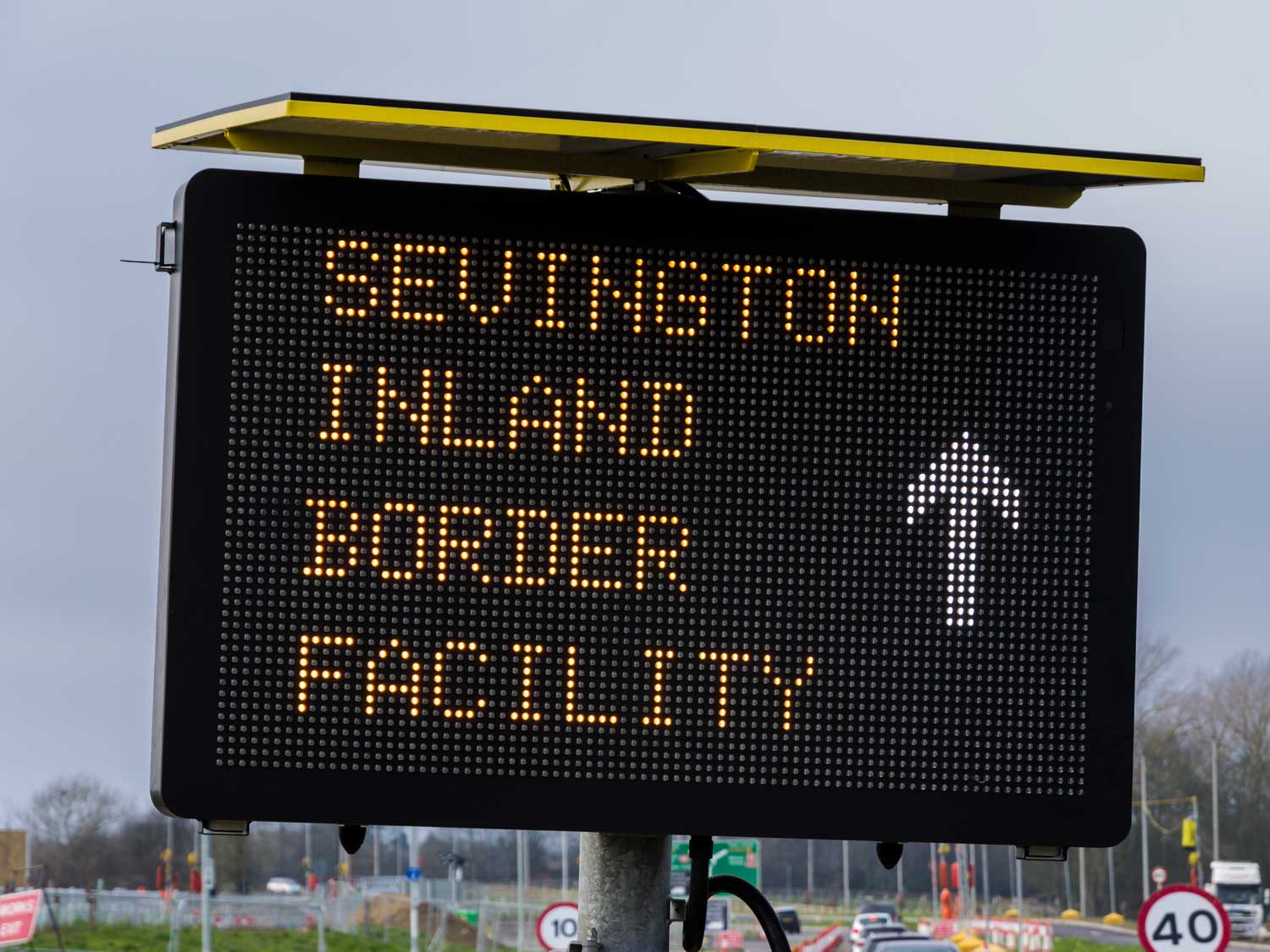
Inland Border Facility

Businesses face 24 legislative and policy supply chain changes

The Institute of Export & International Trade has issued a report highlighting the volume of regulatory change facing UK traders over the next 18 months and called for support for businesses through this turbulent period.

The report – The Border Target Operating Model and Beyond: Navigating changes to trade rules in the UK – details over 20 major policy updates that will impact British firms trading internationally between now and the end of 2024.

This makes the period potentially even busier and more critical for businesses that trade internationally than 2021, when the EU began applying full customs requirements and checks on UK post-Brexit exports.

Last month the government announced its plans for the new approach to importing goods into the UK via the Border Target Operating Model (BTOM), which will be introduced in phases starting in January 2024, and will affect border procedures for imports of food, animal and plant products.

But analysis finds BTOM to be just the beginning, with a further 23 major legislative and policy changes set to affect businesses directly or indirectly, through supply chains and delivery partners.

Other changes over coming months include the fifth release of the New Computerised Transit System (NCTS5), the rollout of the Electronic Trade Documents Act, the EU Import Control System 2, and multiple updates to documentation, risk-based checks and health certification checks on specific products.

With specific requirements and levels of understanding needed for each change, the time and support needed to implement these changes will be substantial, though once implemented, the potential benefits will be vast.

The UK’s international trade community is at the launchpad of great change, but such a number of new measures in so short a period is almost unheard of and while it presents an opportunity to reap the benefits of new trade deals and partnerships, businesses and policymakers will need to be pulling together in the same direction.

From cutting red tape to new digital borders, these changes are a cause for excitement, but with so much change, there is going to be some apprehension among business owners.

Businesses trading into or out of the UK face a period of intense regulatory change, with a wave of new rules coming into force and it is essential they stay ahead of these developments and keep up to date with the new rules. 

They need to know what's changing and when and they need to understand how it may affect their processes.

The next 18 months will see the introduction of the UK’s new Border Target Operating Model, a new IT platform for transit users, the migration to the new Customs Declaration Service for exporters and new customs rules from the EU, among other changes.

To learn more about impending changes and how you can prepared, please EMAIL Andy Fitchett, Metro’s Head of Brokerage and Customs Compliance.
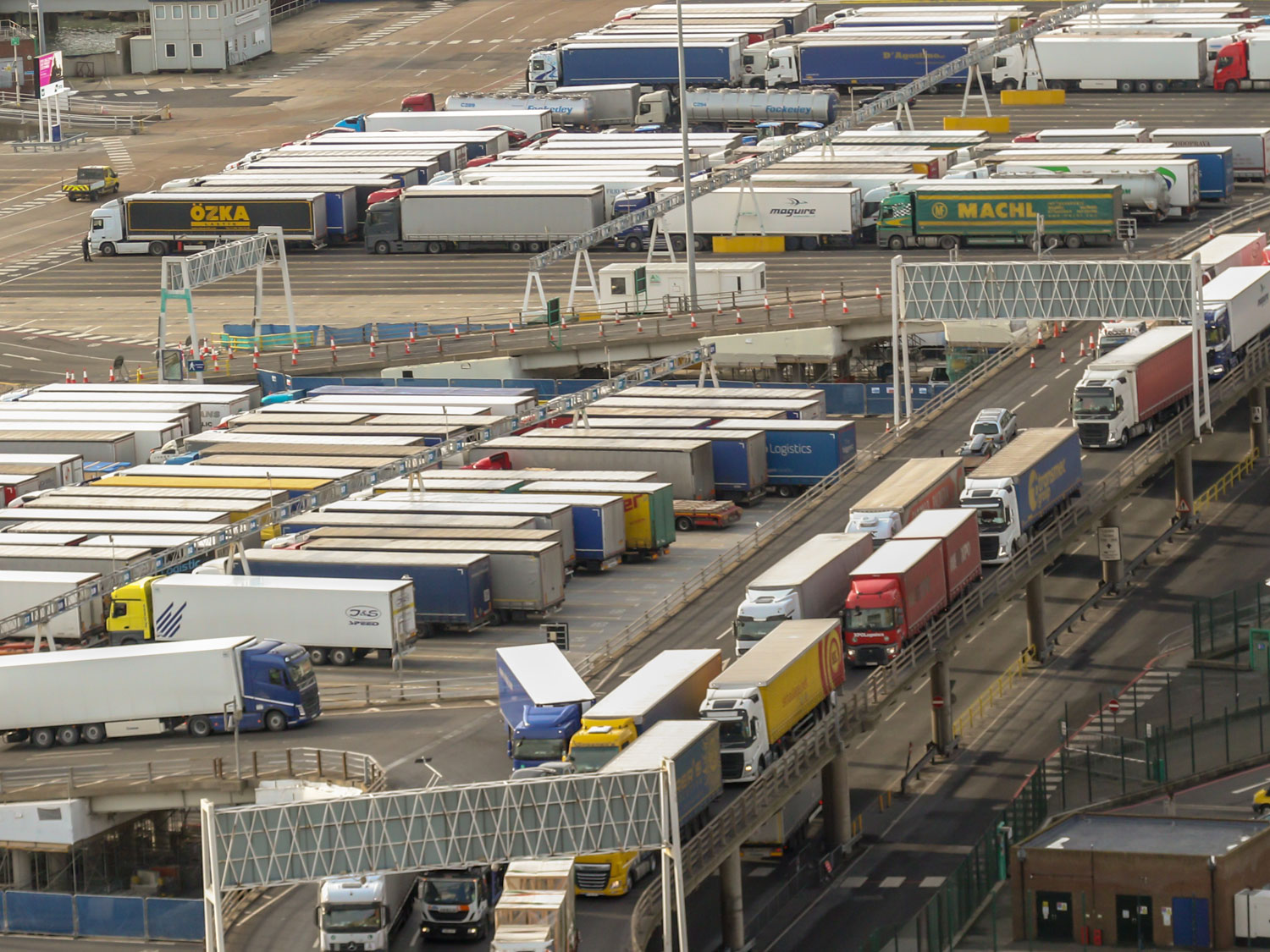

Dover queues

Final stage of EU’s Import Control System 2

On the 1st March 2024, the European Union is launching the 3rd and final part of its pre-loading and pre-arrival safety and security programme, which requires pre-advice of mandatory information and failure by shippers to comply may lead to goods being rejected by the airline, shipping line, rail operator or haulier.

The European Union (EU) implemented the European Import Control System (ICS) in the safety and security measures framework in 2011, to perform risk analysis on air, sea, rail and road freight before it enters or transits the customs territory of the EU.

In 2021, the EU began the rollout of ICS2 in 3 phases:  
15th March 2021: Mail/express shipments (pre-loading)
1st March 2023: Air cargo and Mail/express shipments (full)
1st March 2024: Maritime, Road, and Rail

Carriers submit details on cargo before it is carried into the EU, risk analysis on the data decides if shipments can proceed, or need to be presented for inspection.  

The ICS2 process:

1. Lodge the ENS declaration to customs by the economic operators 
2. Safety and security risk analysis performed by customs 
3. Arrival notification of the means of transport by the carrier or its representative 
4. Presentation to customs and examination in case of a potential risk

We have been adapting our processes and systems to meet the new EU requirements, but compliance with ICS2 changes will depend on the active participation of shippers.

Carriers will require relevant data to fulfil their responsibility for the pre-loading and pre-arrival information data set, including the journey details, which is sent to ICS2, where it is automatically reviewed for possible security threats. 

The pre-loading and pre-arrival messages are collectively referred to as the Entry Summary Declaration (ENS).

We will require the following information, so that we can ensure the pre-loading data is made available to the carrier in good time:

Shipper Name
Shipper Address
Consignee Name (including EORI number for cargo staying in Europe)
Consignee Address
Cargo Description (including 6-digit HS codes)
Total Quantity
Total Weight

When the ENS information is not provided to EU customs, shipments will be stopped and will not be processed for customs clearance, which will lead to delays and potential fines.

We are working closely with our sea, road and rail partners, test-submitting these new data sets, to ensure the smooth implementation of this new EU customs process. 

If you have any concerns or questions, regarding the ICS2 roll-out please EMAIL Andy Fitchett, Brokerage Manager.

Belfast 1

Get ready for the NI Windsor Agreement processes

The Windsor Framework was agreed in February to ease post-Brexit trade between Northern Ireland (NI) and the rest of the UK, but concerns remain about a continuing lack of clarity over the details of the Windsor Framework - which begins to come into force from the 1st October.

Prior to the Windsor agreement the process for movements to NI is under the TSS (Trader Support Scheme) with shippers submitting a simplified declaration, under the UK Trader Scheme (UKTS). 

However, this only complied with the Safety and Security declarations required by the Ferry operators and a second supplementary declaration is made in NI, with commodity code, value of goods, and additional information statements specific to goods.

Most critically of all a percentage calculation of goods “at risk of moving to the South” are applied and duty invoiced to the Consignee for potential sales not actual.

As a result of the Windsor Framework, the Government is able to introduce a scheme to reimburse the payment of EU customs duties paid on goods moved into NI that were not sold or used in the EU - The Customs (Northern Ireland: Repayment And Remission) (Eu Exit) (Amendment) Regulations 2023.

The agreement establishes a new UK Internal Market Scheme (UKIMS) for the movement of goods from the UK to NI and is being phased in from 30th September. 

The existing UKTS will be replaced by the new UK Internal Market Scheme (UKIMS) with effect from 30th September 2023. This will enable businesses established in Great Britain to join and declare goods “not at risk” if they are brought into Northern Ireland for sale or final use by end consumers in the UK.

Traders who join UKIMS will be able to declare their goods as ‘not at risk’ which means they will not be charged duty if entering NI from free circulation in Great Britain. They will, however, be charged UK duty if entering Northern Ireland from outside the EU and the UK, or if the goods were not in free circulation in GB.

Green Lane

The ‘Green Lane’ will significantly expand the range of businesses who can benefit; end the requirement for traders to provide customs commodity codes; scrap supplementary declarations; and ensure that businesses can move their goods using commercial information.

It is worth noting that both lanes are ‘virtual’ and no physical lanes, or markings exist.

Regulatory easements in the green lane do not exist for all types of goods. The focus is on those goods with the most onerous SPS compliance obligations, including pre-packaged products of animal or plant origin, food and food products.

Meat and fresh dairy products are to be labelled ‘Not for EU’ from October 2023, all other dairy products from October 2024, and composite products, fruit, vegetables and fish from July 2025.

Traders will need to be registered on the Northern Ireland Retail Movement Scheme (NIRMS) for SPS goods and the UK Internal Market Scheme (UKIMS) for general goods. 

For goods moving on or after 30th September 2023, the UK Trader Scheme authorisation will no longer be valid and traders must use the UK Internal Market Scheme (UKIMS) authorisation to declare your goods ‘not at risk’ of entering the EU, if the applicable EU duty is greater than zero.

Green Lane Process
Trader uses commercial info and submits to TSS
Haulier obtains GMR
Goods are moved

Red Lane
Goods not for final consumption in Northern Ireland must go through a red lane
‘At risk’ goods will be charged the applicable EU duty

Red Lane Process
Haulier completed Entry Summary Declaration (ENS)
Simplified Frontier Declaration (SFD)
Haulier obtains GMR
Goods are moved
Supplementary declaration
Pay duty

Key dates
June 2023 - Traders can register for UKIMS
September 2023 - UKIMS must be used for no duty to be applied (Green Lane)
October 2023 - STANMI replaced by NI Retail Movement Scheme (NIRMS)
September 2024 - Full Green Lane implemented

A number of questions remain outstanding including…
- Who will run the Trusted Trader Scheme and what are the costs involved?
- How long will the government fund the TSS – the Trader Support Service (03 10 23 - HMRC confirm extension 31 12 24)
- How will the red and green lanes work in practice, especially where groupage loads are concerned?

At the moment it appears that trailers containing a mix of cargoes eligible for the green lane, will need to go through the red lane, even if just one consignment entering NI is in the red lane.

Retailers, especially the supermarkets, are likely to be the largest users of the Green Lane; while manufacturers in Northern Ireland appear more likely to use the red lane, so that goods can be shown to comply with applicable EU law and so be processed and sold on within the EU market.

HMRC UPDATE, 3rd OCTOBER 2023 - HMRC has confirmed the extension of the Trader Support Service until 31 December 2024, as a free to use service, educating traders on applicable processes and supporting them to submit customs and safety and security declarations.

We will continue to share information on the new framework and processes as they become available.

Our customs team are working directly with affected clients, to ensure that they are prepared and compliant with new customs processes, declarations and requirements.

If you have any questions or concerns about the Windsor Agreement and trade with NI/IE please EMAIL Andy Fitchett, Brokerage Manager, who will be happy to review your situation.

Customs House

HMRC to phase export transition to CDS

HMRC announced last week that after listening to industry leaders they had decided to move away from the planned hard start on the 30th November 2023, in favour of a phased transition to the Customs Declaration Service (CDS) from the current Customs Handling of Import and Export Freight (CHIEF) platform for UK exports.

Those businesses that have the IT functionality in place will still be able to transition to CDS by Thursday 30th November, ahead of the majority that will now migrate to CDS at the beginning of 2024.

High-volume declarants able to migrate by the end of November will be contacted by HMRC next month to assist in the switch, while remaining exporters will be assisted from the beginning of next year.

CHIEF’s replacement, CDS has been a long time coming and there have been many changes in the implementation timetable. This revision to the deadline is quite short and businesses need to continue working towards transitioning from CHIEF to CDS.

Metro has been ready for some time and is already processing hundreds of export entries via CDS every week.

If HMRC are right to delay and traders are not aware, then speak to Metro, because we can make the transition to CDS a painless one. Do not wait until the big switch off and call us now.

CDS replaced CHIEF as the UK imports platform last September and the initial intention was that it would come online for exports on the 31st January this year, but this was pushed back initially to the 31st March and then to the 30th November to allow for more testing.

The Loadstar reported that the decision to phase in CDS for exports was tied to continual outages and messaging faults after HMRC forced through last year’s September deadline for imports. 

Sources at the time said neither the industry nor the software houses had been afforded adequate time to ensure the CDS system was ready and able to handle the scale of declarations coming its way.

Inventory-Linked Ports (ILPs) are those ports and airports that have customs control systems linked to HMRC systems, allowing for quick electronic clearance of goods on arrival. Our customs team believe that the development of a resilient operating system for those inventory-linked locations, including Felixstowe and Southampton forced HMRC’s hand in announcing a further delay.

There are still some outstanding issues in terms of the duality of operating CHIEF and CDS through non-inventory locations, including RoRo ports such as Dover, Holyhead and the Channel Tunnel, but these appear to have been addressed and are now well into beta testing.

Our customs team can explain how your exports are affected by the CDS/CHIEF changes and what actions are necessary to protect your outbound traffic flows.

Metro clients have been migrated onto the CDS platform and are supported by our customs brokerage team, but you must hold a valid GB EORI and be registered on the Government Gateway to use CDS. 

If you have not registered for CDS, or are uncertain how it applies to you, we can guide you through the changes and actions required. 

EMAIL Andy Fitchett, Brokerage Manager, for further information, or to discuss your situation.