

MPC Maintain the status quo…for now

MPC Maintain the status quo…for now

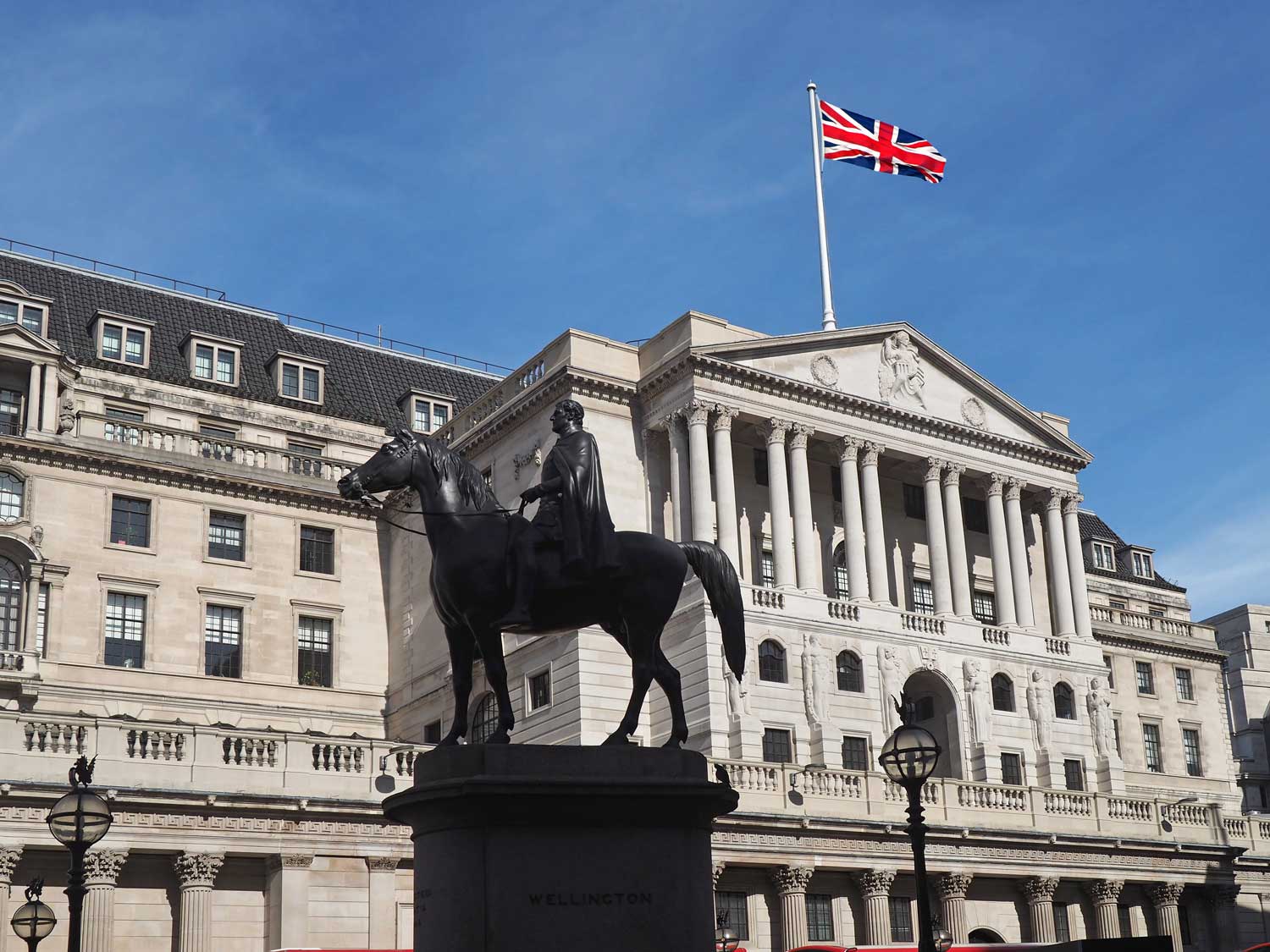
On the 21st March the Bank of England’s Monetary Policy Committee (MPC) surprised no one by holding interest rates at 5.25% for the fifth time in a row, with eight of nine committee members voting to leave rates unchanged in March. 

Despite maintaining the current status quo Andrew Bailey, head of the Bank of England, said it’s not yet the time to cut rates but stated things are moving in the right direction.

The MPC meeting took place against the backdrop of inflation dropping to 3.4% and though interest rates are unchanged in March, Andrew Bailey confirmed this was “very good news” and that rate cuts could come before inflation hits its 2% target. 

Bailey’s comments leave the door open for rate cuts earlier than expected, perhaps even as early as May, though he stated it was reasonable for the financial markets to price in two or three rate cuts this year, it is not a view he would endorse.

While the UK ended 2023 in recession, the economy did grow by 0.1% across the whole of 2023 and the prime minister’s spokesman announced the ‘economy has turned a corner’.

Notwithstanding the positive sentiment from Andrew Bailey it was warned that further conflict in the Middle East and disruption of one of the world’s busiest shipping lanes in the Red Sea, as previously reported by Metro, does pose a ‘material risk’ to prices rising again.

The dovish meeting and subsequent comments have led the GBP/USD to fall 1% to below 1.27. Current views on the UK’s economic outlook could drive the pair to new lows in the coming weeks or months, particularly when paired against the higher US rates, as traders assess the potential impact of the currency value. 

With both the US and UK expected to cut rates in 2024 the strength of the economies and currencies could come down to which country cuts their interest rates first. 

Those involved in the supply chain know all too well the impact of foreign exchange rate movements and the potential increase in cost that comes with the movements seen in March.

Shippers and manufacturers hoping for positive news and the first sign of stability after a difficult 2023 must decipher what these mixed messages mean for 2024’s economic outlook and the impact on their business in the short and medium term for the remainder of the year. 

For any assistance or if you would like to learn more about the above, or to discuss any of the issues raised here please EMAIL Laurence Burford, CFO at our Birmingham HQ.

<strong>FX Update; Predicting the Pound’s (£’s) performance in 2023</strong>

<strong>FX Update; Predicting the Pound’s (£’s) performance in 2023</strong>

Having fallen against the US Dollar since Q2 2022, the Pound has recently touched fresh highs against both the Euro, US Dollar and many other global trading currencies, raising the question; will the Pound continue to rise from its October lows, when it flirted with Euro and Dollar parity, thanks to ex-PM Liz Truss.

The UK’s currency, in reality, has made an incredible recovery, after the battering it received from the market, in the wake of the Kwasi Kwarteng ‘mini-budget’ fiasco; moving over 20 cents (>20%) higher against the Dollar, and 10 cents (>10%) against the Euro.

When you consider that common movements across these pairings might be a few cents or low single digit percentages, these are remarkable figures, especially over such a short period.

These figures are not in line with usual Pound/Euro and Pound/Dollar high to low movements, and demonstrate how unpredictable and volatile the currency markets can be.

The shift in rates and sentiment reflect renewed confidence in the UK, but it is also due to significant global factors and particularly the weakening of the US Dollar against most other currencies, which has amplified sterling’s movements.

The US currency’s weakness has been triggered by the Fed’s apparent reluctance to raise interest rates at quite the same pace as predicted.

The weaker Dollar has dragged sterling higher, and pulled the Pound up against other currencies including the Euro, but there could be signs that this recovery is stalling and struggling to break higher.

The Bank of England meet today to consider their latest interest rate decision, with the expectation for an interest rate hike, which would be supportive for the Pound. However, whilst it is likely the BoE will raise interest rates, it is likely that the market will already have ‘priced in’ that eventuality.

What might be more interesting is assessing what the pace of interest rate hikes might be for 2023, as the market will try to gauge the potential for further moves higher, with positive impacts on the Pound next year.

The Pound is near multi-decade lows and the risk of a major decline is limited, so traders are expecting to see the Pound appreciate against the Dollar and remain relatively stable against the Euro in 2023.

However, the UK typically runs a current account deficit and this imbalance would typically create an outflow of currency, to pay for imports, which puts downward pressure on the Pound…which makes our exports more competitive.

We are constantly monitoring and sharing the latest news on market influences, including currency FX and macro-economic performances, which can impact our customers supply chains.

For advice and recommendations on de-risking currency fluctuations please contact Laurence Burford, our FD and global currency trading guru. We know what is going on – following the barometer of global trade and money markets – and are happy to share this knowledge, to ensure that you are achieving the best return on your money – literally.

FX update: The challenges and opportunities of a weak pound

FX update: The challenges and opportunities of a weak pound

The weakening pound creates winners and losers in international trade, with UK exporters, manufacturers and popular brands looking cheap to overseas buyers, while importers face higher input costs, which adds to the UK’s inflationary cycle.

Despite the pound rising to $1.14 – after falling to $1.03 last week – its highest level for two weeks, after the chancellor pledged to bring forward details of how he would cut debt, its latest falls follow a long decline against the dollar that began in 2015. (Sterling continues its slide, back down today towards $1.10. It’s a very volatile currency market presently.)

The start of this week continued a US dollar decline, with G8 currencies making some advances, after mixed US economic data was released last week. While the dollar looks to be on the back foot, with sterling increasing on the news of the U-turn on the 45p tax cut, any weakness is likely to be temporary as the new UK government try and get traction and the market remains conscious of a deep euro area recession.

Our treasury team monitor exchange rates and protect against volatility by keeping separate accounts denominated in sterling, dollars and euros, which spreads currency risk, while using derivatives to insure against foreign exchange moves.

Most major freight lanes for ocean freight are traded in US$ by shipping lines, so there is a real focus required on the exchange rate, which can indirectly decrease or increase shipping costs. Currently there is an adverse effect for British traders and shippers, which will be high on every Financial Director’s agenda.

Weakening currencies stimulate growth by making exports more competitive, while encouraging consumers and businesses to buy local, but high inflation is exacerbated by increasing the cost of imported products and stimulating domestic growth.

The British pound collapsed dramatically after the new chancellor’s fiscal plans sparked a dramatic loss of confidence in the markets, but it was under tremendous pressure before that, trading near multi-decade lows. 

The Euro has sunk below parity with the dollar under the weight of the EU’s energy crisis and China’s government has been forced to take action to protect the renminbi, with central banks around the world considering interest rate rises, which may drive their economies into recession.

The US dollar is stronger than ever and from the Fed’s perspective a strong dollar helps the fight against domestic inflation. By curbing the competitiveness of US business, it acts to restrain growth, which removes some inflationary pressure. 

Mounting losses in global bond and stock markets and tumbling currencies are largely in line with what Fed officials are trying to engineer: tighter financial conditions that put a lid on inflation. And so far, there are few signs of dramatic market breakdowns, with the world’s central banks not having to tap emergency facilities at the Fed. So far.

The US economy is relatively insulated from many of the shocks impacting the rest of the world, most notably soaring prices for natural gas and electricity, but international turmoil could conceivably alleviate inflationary pressures in the US, which could allow the Fed to pause its relentless interest rate rises and allow currencies to make up ground on the dollar.

We are also closely monitoring and sharing shipping line rates of exchange, which are set based on a variety of criteria by the carriers and are specific to a voyage and vessel. Each carrier uses a slightly different method of calculation. They are not always reflective of the daily GBP/USD position.

Since our inception 40 years ago we have maintained an export orientation, providing outsourcing, supply chain management and global multi-modal transport services to many of the UK’s biggest manufacturers and most respected brand names.

The weakening of the pound means that UK goods are extremely attractive to overseas buyers and we are well positioned to help businesses embrace this opportunity to grow their export markets and take advantage of free trade agreements.

No one is better placed to assist, support and deliver your export logistics aspirations than the experienced Metro ocean team and platform that has already assisted our customers over five decades. Take advantage of our experts for advice and growing your own global markets with slick and fit for purpose supply chains. We can and will deliver advantage to your business in an incredibly volatile and disrupted environment.

Pressure on the Pound (£) continues as FX markets slump

Pressure on the Pound (£) continues as FX markets slump

Sterling’s sensitivity to global stock markets has it struggling against the Euro and Dollar and stabilisation in global market conditions, to stop the continued August falls, is unlikely in the short term, it is predicted.

The Pound slumped sharply against both currencies as fears of further interest rate rises in the United Stated have been stoked by the Federal Reserve confirming that it will do “whatever it takes” to bring inflation back to the 2.0% target, even if that contributes to lower growth and higher unemployment.

The Pound’s sensitivity to global investor sentiment makes it vulnerable to warnings by the USFR, with equity movements the dominant driver of GBP.

Sterling has been weaker than expected, particularly against the euro and typically shows higher correlations to equity markets than the euro (probably given the larger role of financial services in the UK economy).

The Pound to Euro exchange rate fell a sizeable 0.70% last Friday and a further 0.60% on Monday, leaving it at 1.17, while the Pound to Dollar exchange rate fell 0.80% on Friday and 0.30% on Monday. Closing on Wednesday at under $1.165 to the £1.00 or more than 4% lower in value than at the beginning of August. It’s a significant consideration when evaluating an already inflation infested economy and where many products are made overseas and paid for in USD before being sold in Sterling or Euros.

Month-end position adjustments have dominated the FX markets this week with EUR-USD close to parity, which suggests that investors are probably waiting for more sensitive data to decide on positions.

The Euro is better supported against both the Pound and Dollar, making it a better fix, as the European Central Bank intends to hike interest rates sharply over coming months in response to surging inflation.

Eurozone money markets on Monday moved to price in a two-thirds chance of a large 75 basis-point rate hike at the ECB in September after policymakers made the case over the weekend for a large move to tame inflation four times above their target, reported Reuters.

Falling natural gas prices in the EU have also supported the single currency, with the EU also intending to introduce notable reform to European energy markets, with an “emergency intervention”.

Should investors sense the worst of Europe’s energy crisis is near, they might start backing the Euro again, while the ‘perma-bear’ thesis on Sterling remains (the expectation that the value of stocks and shares will fall regardless of market conditions) it remains at risk of further decline against other major currencies.

GBP/EUR and S&P 500 highlight the relationship between Sterling and investor sentiment.

We are constantly monitoring, managing and sharing the latest news on market influences including currency FX, cost of shipping, logistics market bottlenecks and disruption and macro-economic performances all of which have an impact on our customers’ supply chains and the alternative options we deliver to ensure the smooth flow of your goods, regardless of the environment.

Please contact Laurence Burford to learn how we can support your supply chains during this turbulent currency rollercoaster. Even in the most challenging economic conditions, you are in safe hands.