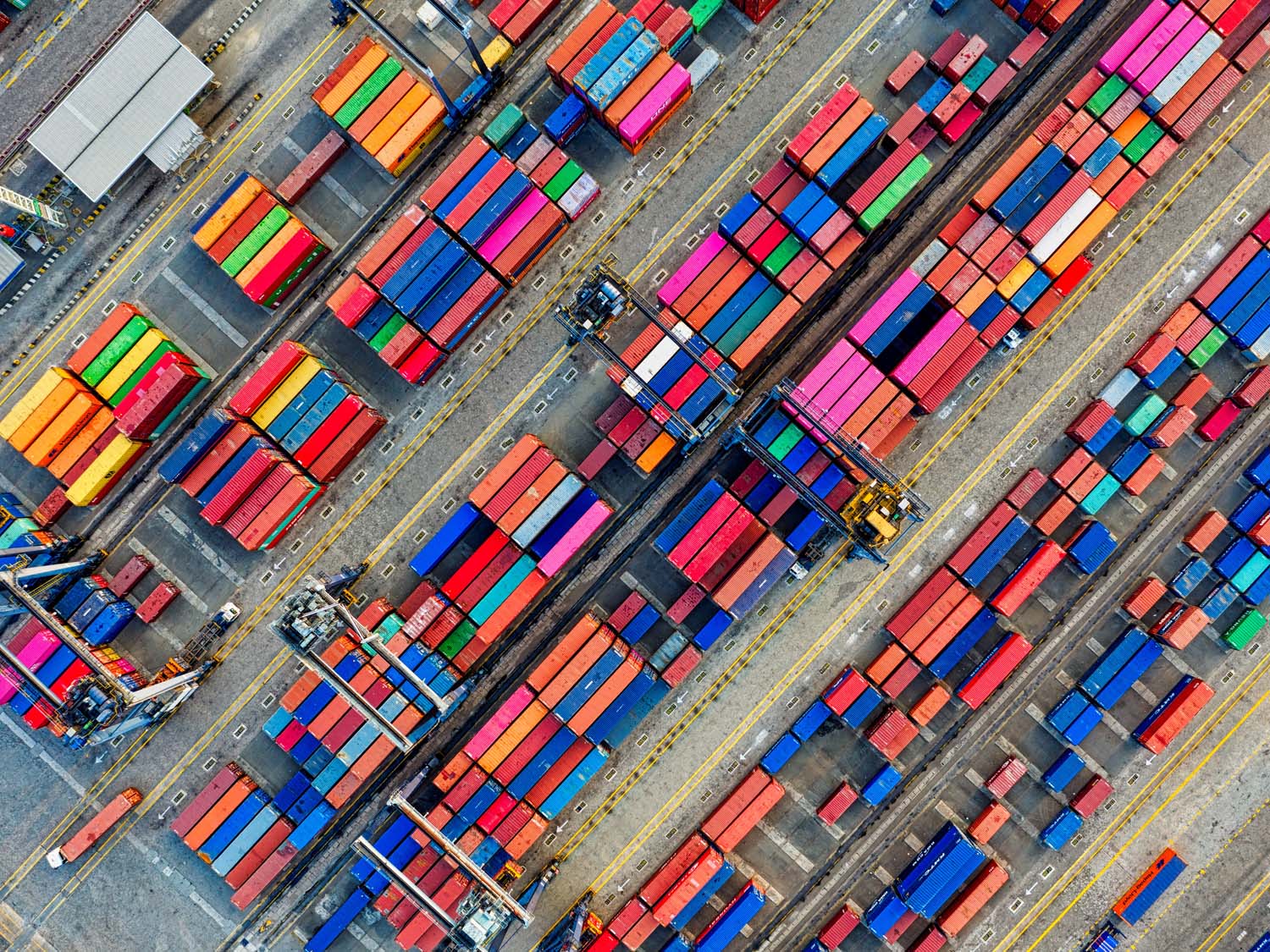
Out of position empty containers may cause further supply chain impact later this year

Out of position empty containers may cause further supply chain impact later this year

When global supply chains finally start to return to some form of normality, which many hope to see in the second half of the year, carriers face more headaches, with an avalanche of empty containers predicted to cause chaos. Who would have thought it?

Full year 2021 demand for sea freight growth was 6.5% compared to 2020 and up by 5.3% compared to 2019, meaning an average annual growth rate of 2.6% compared to pre-pandemic 2019.

The problem in the supply chain is therefore not that of global demand, but the highly skewed nature of the global shipping market where we have seen super strong growth of imports from Asia to North America and consistent increases to Europe, but either slow output or outright declines on other trade lanes.

In 2021, overall demand was equivalent to loading (and shipping) 6 TEU every second throughout the year, but disruptions and bottlenecks in the supply chain during the pandemic have led to vessels being delayed for extended periods, which effectively reduces the amount of capacity in the market and increased the need for additional container capacity to be introduced.

Despite the introduction of millions of new and diverted containers, the gap between effective demand and available supply has been over 15% in the past year, which highlights the continuing challenge we face in positioning equipment in many origins.

We see the shortage of containers driven by three elements: onward intermodal connections; port and terminals; and shipping schedule considerations.

It is the consistent resolution of these problems, that will ultimately dictate how quickly the supply chain crisis is resolved, and consequently how long it will take for equipment availability to normalise. In the right place at the right time.

In short, until land-side issues are resolved and shipping schedules restored, there will be no let up on equipment availability pressures. The variables in shipping are intrinsically interwoven with resulting consequences that cause unrelated but direct issues to container movements.

But, when supply chains do finally start to shorten, it will release a large amount of empty containers, 3.5m TEU from the transpacific alone, which will potentially create a new wave of congestion problems in the second half of 2022 and in 2023, in terminals as well as container depots.

Carriers and container leasing companies need to start planning for this development, or the resolution of operational bottleneck problems will create a ripple effect, with the potential of overwhelming container depots in the US, Europe and globally, where cargo imbalances are experienced.

Supply chains have never faced so many challenges and with local conditions changing rapidly it is critical that you have the ability to react quickly to new challenges – like a deluge of empty containers creating unexpected bottlenecks.

Our MVT supply chain platform gives you the power to improve your supply chain resilience across five key areas:

PERCEPTION – With a thorough understanding of our customers’ requirements and objectives we create supply chain solutions that draw on all options available in the current market.

VISIBILITY – Linking your supply chain participants and critical time-scaled events to provide end-to-end visibility across the extended supply network, with global control down to individual SKU level.

AGILITY – Proactively managing your supply chain flow means slower moving lines from any origin can be deferred, while priority orders can be highlighted and expedited, to increase speed to market and accelerate the cash-to-cash cycle.

FLEXIBILITY – It is simple to change supply lines, adding and monitoring new vendors, product flows and outbound order data, from any location.

CONTINGENCY – MVT’s exception alerts and rules-based solutions, correct operational non-conformities, without human intervention, or alert users to issues outside set-parameters for corrective action.

For specific information, or to discuss how our technology could support your supply chain, please contact Simon George our Technical Solutions Director or Elliot Carlile.
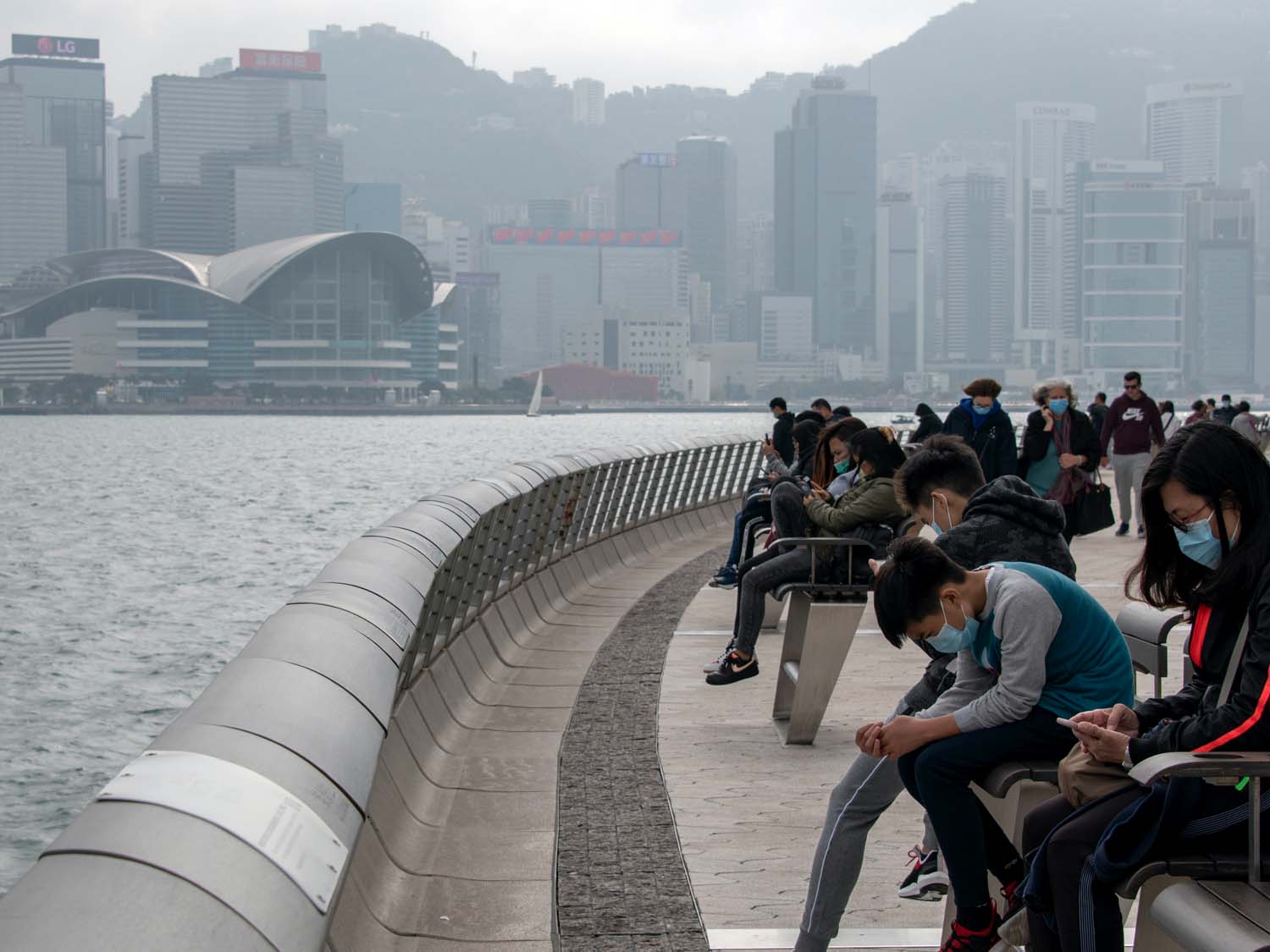
China’s continued zero-Covid challenge for supply chains

China’s continued zero-Covid challenge for supply chains

The lockdowns and restrictions that China’s zero-Covid strategy risk, may create greater disruption than earlier waves of the pandemic, threatening already stretched global supply chains.

Beijing’s strict zero-Covid policy has curbed local outbreaks with mass testing, snap lockdowns, vigilant surveillance and extensive quarantines, but new variants such as Omicron have seen outbreaks intensify since the autumn.

China is determined to prevent any further Omicron outbreaks, especially as it prepares to host the Winter Olympics next month. It has recently imposed restrictions to maintain its zero-Covid target, with a lockdown in the central city of Xi’an, mandatory testing in Tianjin and parts of Zhongshan, Zhuhai and manufacturing hubs close to Hong Kong. And these are just the incidents that are known and get reported. There will undoubtedly be greater influence and impact, from the invisible actions taken.

Meanwhile restrictions have been eased in Ningbo, home to the world’s third largest container port, which has been in partial lockdown for most of the opening days of 2022, making entry and exit far easier for truck drivers heading to the port’s five container terminals.

Chinese ports are being impacted by regional lockdowns, with the situation varying widely from port to port and carriers changing vessel rotations at short notice, to avoid badly impacted gateways. This evolving situation raises the potential of even further disturbance, to already delayed shipping line schedules, from the main China base ports.

The situation may be exacerbated in the coming weeks, as China enters the build-up to many seasonal factory closures during Chinese New Year and Ningbo is still clearing backlogs, with many shipments having to be re-routed to Shanghai, to meet mother vessels.

Hapag-Lloyd is omitting Ningbo on two of its Asia-Mediterranean services and reinstating the Shanghai call, even though Shanghai is already severely congested, with most vessels already delayed by around one week. Very early, on their voyages into Europe.

Supply chains can usually cope with short-term lockdowns, but added shutdowns over a few weeks cause significant problems and with Covid, the lunar new year holiday and the Olympics all coming together, risks are multiplied and magnified.

After the initial virus outbreak spread from Wuhan over the lunar new year in 2020, the Chinese government blocked transport, preventing migrant workers who had travelled over the holiday period from returning to their jobs and factories shut for several weeks.

The latest restrictions have already impacted multinational organisations, with reports of Volkswagen and Toyota shutting their Tianjin plants last week and Xi’an chipmaker Samsung unable to get staff to work because of the lockdown.

And infections may spread further after Beijing reported its first locally transmitted case of Omicron, just weeks before the opening of the Winter Olympics in the capital.

Analysts fear that if infections spread, manufacturers would be as badly hit as they were two years ago, with few companies having their supply chains outside China, because these are strategic issues, which take a lot of time to stabilise.

Rather than moving production entirely out of China, some companies are trying to build second suppliers in China, while seeking alternative sources for components, but few of these initiatives will have progressed, as geographic diversification is often complex to get in place.

Supply chains have never faced so many challenges and with the situation in China being so fluid and changing rapidly, it is more critical than ever that you have the support of dependable partners. 

Metro share the latest supply chain news and most important global developments, so that you are always informed about the best alternatives and options, to keep your supply chain optimised. 

For further information and to discuss your ongoing requirements please contact Elliot Carlile,  or your usual Metro account manager to discuss alternative routes to market and manufacturing facilities.

Airport congestion stunting air cargo growth

Airport congestion stunting air cargo growth

Disrupted cargo handling and congestion on the ground muted air cargos growth in November, with volumes falling by -1.2% in a month that is traditionally one of the busiest, in the peak build-up to Christmas. 

Last month’s fall in volumes compared to October 2021 came despite a +0.5% rise in capacity, but overall air cargo rates remained buoyant at +159%.

Capacity versus two years ago was -12%, with Europe to North America capacity down 7.3% and air freight rates for this market increasing. Any hope that the opening up of transatlantic services would offer some relief to the cargo market was quickly eradicated by increased volumes of passenger baggage.  

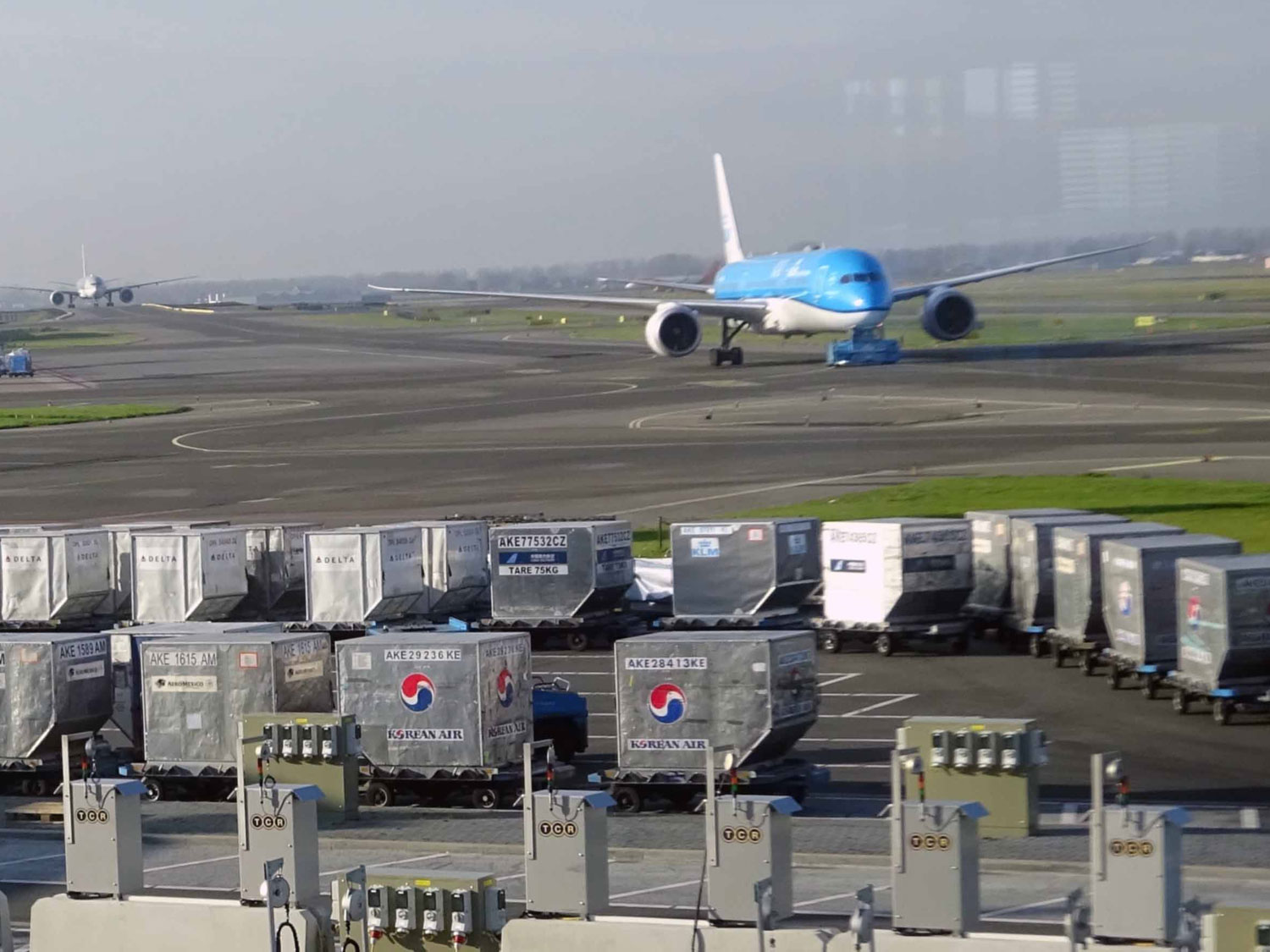
While the congestion at several airports, notably Amsterdam and Chicago O’Hare has eased, many more including Heathrow, Frankfurt, Schipol and Liege remain massively challenged and handlers claim one of the biggest issues is cargo not being picked up by forwarders as quickly as it could be.

From Metro’s perspective weekend collections are not an issue and something that is always undertaken, when the conditions, or logistics requirements are appropriate.

We would expect November volumes to be higher than October volumes, but we started to see growth slowing down at the end of October. 

This unexpected contraction is not due to a lack of demand, it is almost certainly because cargo cannot be pushed efficiently through the system, causing delays at origins and effecting the uplift of urgent air cargo. 

There are also many other dynamics and variables effecting critical movements globally currently, including the continued reduction (compared to pre-pandemic) of passenger flights and local restrictions on handling and ad hoc charter flights.

COVID-related labour shortages and restrictive safe-working practices are a factor in all sectors, but it is having a particularly profound impact on labour-intensive cargo handling, with images of large amounts of cargo sitting airside at Heathrow circulating widely on social media. 

In fact all modes can and are effected by the slowdown of processes: from loading to unloading at warehouses; availability of personnel at each touch point; and port/ airport productivity.

Just 18 months after IAG Cargo said it would make 500 staff redundant, it has announced that it is to hire 500 people to meet increased cargo demand. This is a situation that has been seen across the whole logistics sector, during a turbulent and unpredictable period.

The current inefficiencies on the ground, reflect the change from regular passenger arrivals to more ad-hoc freighter traffic and are incurring massive opportunity costs for airlines, forwarders and shippers, because inbound cargo cannot be collected, or exports are missing flights.

We saw the air cargo market as ‘fragile’ heading into the peak season, and this fragility is now being highlighted across social media, with pictures of countless pallets and ULDs waiting on the tarmac. And that’s without the well reported surface freight situation creating additional demand through dysfunctionality and failures. 

But Metro are ‘dealing with it’ daily and in an agile way to ensure products and components are in the right place at the right time with the right focus!

Despite the massive challenges, our air freight team continue to find solutions for urgent and time-sensitive shipments, to every destination. 

We work closely with our global network to monitor market capacity and identify service opportunities that might benefit our customers.

Evaluating and blocking space on viable services early, is a critical factor in achieving deadlines based on customersrequirements and expectations, including the constant recalibration of our hybrid sea/air platforms and hub services. 

Please call Elliot Carlie or Grant Liddell for insights and advice. 

Supply chains face Omicron challenge both in UK and globally…

Supply chains face Omicron challenge both in UK and globally…

The Omicron variant is likely to be another test of supply chain resilience and could pose a threat to global economic recovery, particularly if China enforces its zero-COVIDpolicy, to prevent cases entering.

Yesterday evening’s announcement by the prime minister, Boris Johnson, of a new work from home directive and further actions to try and stymie any escalation in the new more transmissible variant, will impact supply chains, and it is likely that further global escalations will follow in many regions and territories.

Shippers, businesses and consumers have been affected by global supply chain disruptions for close on two years and the new Omicron Covid variant is likely to unleash new challenges on already-stressed supply chains. It’s not going away, as many had hoped or expected.

While there have been no reported cases of Omicron in mainland China and the country’s top respiratory expert stating: “We don’t need to be afraid of Omicron”, China’s ‘zero-COVID’ policy has in the past included mass lockdowns, enforced quarantines and strict checks at ports. Which have significant knock-on effects both up and downstream in supply chains, as demonstrated by the shutdowns in Yantian and Ningbo earlier in 2021.

If this does happen, logistics operations and shipping by all modes will be constrained, shortages of manufacturing components will likely grow and extended order backlogs for core electronic, automotive and consumer products are inevitable, as a consequence.

The pandemic triggered the shift in spending from services to goods, which has been one of the key drivers of the demand boom causing bottlenecks in the supply chain. If Omicron leads to a new wave of the pandemic, it is likely that consumer demand will remain on goods, maintaining intense pressure on global supply chains.

Across the G20, the OECD raised its inflation forecast for 2022 from 3.9% in its September predictions to 4.4% now, with inflation in the UK forecast to rise by 4.4% next year. Which seems a very tame notion considering all the cost increases to commodities, energy, logistics, salaries and at every point within the supply chain, that are being felt globally.

Laurence Boone, chief economist of the OECD, told the FT that the Omicron variant was “adding to the already high level of uncertainty and that could be a threat to the recovery, delaying a return to normality or something even worse”.

International air travel capacity and demand has been increasing on the back of rising vaccination rates and deceasing air travel restrictions, but this upswing may be short-lived, if international travel bans are imposed by countries responding to Omicron. 

(Which they already are in the last week and the risk is travel sentiment may subsequently decline back to the levels seen earlier this year.)

Airlines in countries with large, strong domestic markets like the United States, China and Russia are better shielded from the greater uncertainties of international travel and U.S. carriers have not yet changed their scheduled capacity, which is running at 87% of 2019 levels.

Major European airlines are far more dependent on international travel, especially on the more profitable long haul routes outside of Europe, placing them more at risk of fallout from the Omicron variant. Including a restriction in the belly hold capacity of aircraft that are predominantly passenger reliant for their revenue streams, further impacting air cargo options on uplift.

In The Asia Pacific region, countries like Australia, Japan, Singapore and Thailand had only begun to cautiously lift border restrictions in recent weeks and passenger numbers remained at fractions of pre-pandemic levels before the Omicron variant was discovered.

Renewed restrictions and flight cancellations could have ramifications for air freight, with cargo capacity potentially decreasing by 30%, particularly on the key trade lanes between South Africa and North America, Europe and Asia. Due to strong demand, spot rates are also likely to increase, until the end of the year, in the extended peak shipping season.

Omicron is just one of thousands of mutations already discovered and the likelihood is that we will see the emergence of more variants going forward, with their impact dependent on the political and behavioural response of consumers.

Outside China, regional governments are likely to resist re-imposing severe restrictions, but the bottom line is that supply chains will remain under pressure while the Omicron and COVID threat persists. This will impact internal regional logistics, global shipping and supply chains we suspect in the coming weeks and months. 

We will always ensure that we have the latest information and make the correct decisions to ensure that products and cargo continue to flow whatever the circumstances. In an agile way in a changing situation.

The supply chain impact of Omicron and further future variants can be profound, which is why we monitor the emerging situation locally, through our operations teams and globally, with our network partners.

We remain hopeful that resulting issues will be limited, although we suspect that any impact will differ significantly, by region and we are likely to feel any effects for weeks to come.

As we receive further news, updates and developments, we will share anything of relevance, to keep you advised of the situation. Covering ocean, air and overland movement of your goods, during a challenging time.

For further information please contact your Metro account manager or Grant Liddell, if you require escalation for any urgent shipments, or simply want to discuss the daily evolution and development of events impacting global logistics. It’s what we do…..