Emirates make key partner award

Emirates launch sea-air product ahead of demand

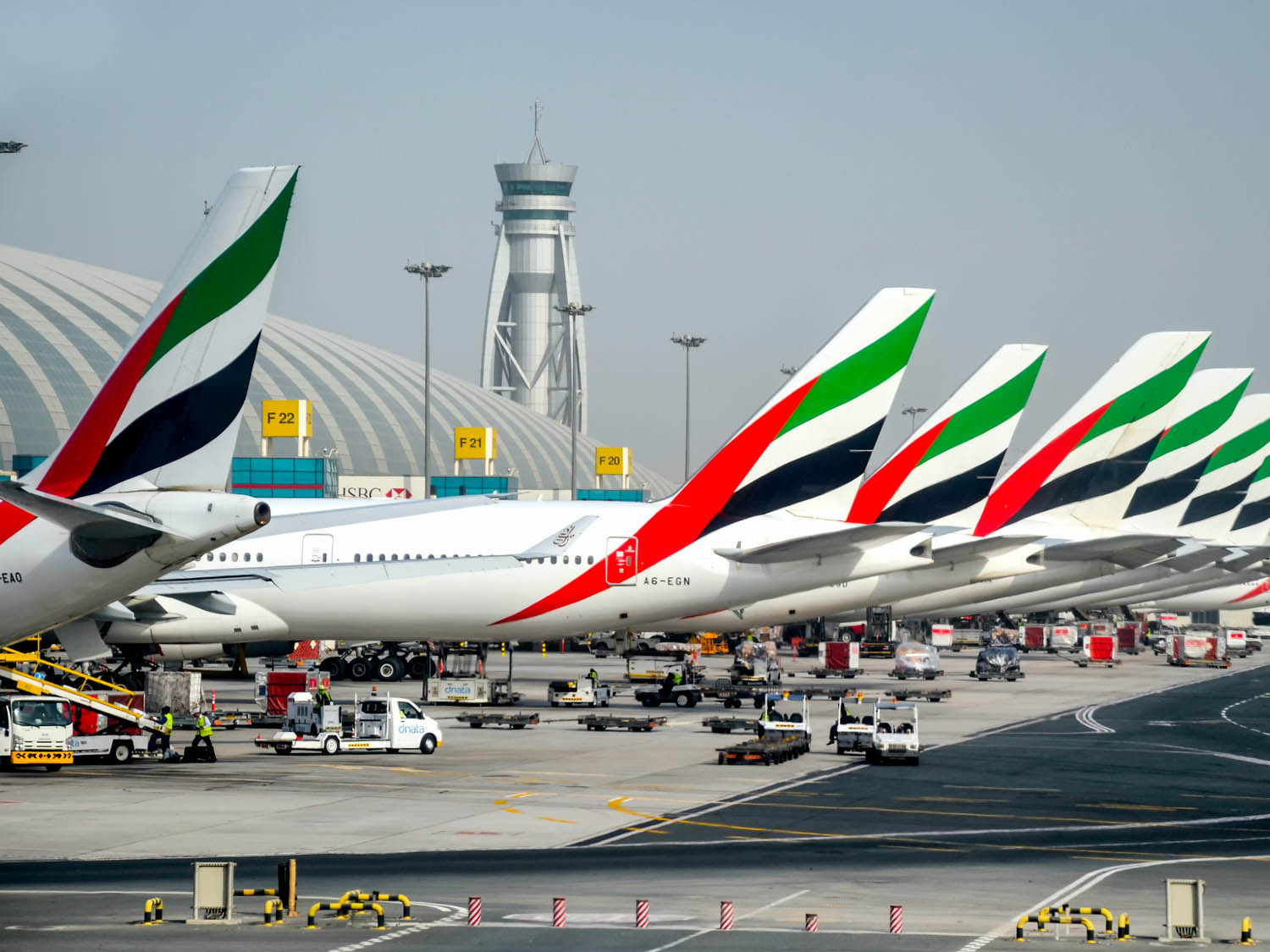
Key Metro partner Emirates SkyCargo and DP World have launched a sea/air product, increasing the range of services we can offer, ahead of a likely post-lockdown demand surge.

The Dubai-based companies are offering complementary sea/air services, which can expedite the transfer of containers from port to airport, accelerate cargo breakdowns and simplify paperwork in a critical hub.

With so much air freight capacity still grounded and unlikely to return for some time (see our air capacity update) sea/air is a critical solution for time-sensitive and valuable shipments. 

Metro deployed sea/air service extensively in the early stages of the UK’s coronavirus experience. Shipping millions of critical PPE pieces from south-east Asian factories via Singapore, over three months, with significant cost reductions on standard air freight and removing the need for expensive charter flights from origin.

By taking the freight directly to where the scheduled airlines were operating with capacity, Metro achieved better transits from some origins by truck/air than was possible through pure air freight options, which were saturated with governments scrambling to get urgent PPE flown.

Over the last year large volumes of garments have been transported into the UK and Europe using sea/air via Singapore and Dubai, as brands and retailers veered between slowing freight down and speeding up supplies, depending on what stage of lockdown was prevailing.

With severely constrained capacity driving air freight rates to new levels since April, sea/air options can be up to 70% lower, while transit times are attractive, due to the infrequent schedule and high demand of flights.

Business development director Grant Liddell explains. “Sea/air is the ‘halfway house’ between cost and speed of transit from Asia, with 12 days through Singapore from initial vessel departure, and 20 days through our Dubai hub, with typical savings of 70%."

Metro is expecting an immediate and sustained economic rebound following the easing of lockdown restrictions and has prepared for greater volumes of sea/air and truck/air cargoes, as importers from Asia seek to satisfy unprecedented demand and replenish stock or new season items.

Continued sea freight disruption and oversubscribed rail services from Asia to Europe is positioning sea/air as “the perfect solution” for importers with cost-versus-transit concerns.

“With the exorbitant air freight levels from Asia, the intermodal service has become commercially even more viable and appealing to shippers that need to recover speed to market to meet demand.” Added Grant.

Metro work very closely with the world’s largest cargo airlines, Emirates SkyCargo, DP World and key hub partners to offer speedy and reliable sea/air transits at competitive rates.

If you have any questions regarding the viability of sea/air for your supply chain, would like further information, updates, or the latest market pricing please contact Grant Liddell.
Antwerp

UK ports axed while Europe’s thrive

While the world’s biggest shipping lines grow weary of Felixstowe and the UK’s primary ports, due to continuing congestion wrecking their vessel schedules, Europe’s hub ports are strengthening their market positions through giant mergers, in moves that may actually benefit UK shippers.

Over the past few months, shipping lines have increasingly refused to quote direct shipments to UK ports, loaded UK freight rates, or imposed congestion surcharges. And even when vessels have been scheduled to call at UK ports, they have frequently cut-and-run or omitted scheduled calls entirely, unloading UK-bound cargo at continental European ports, leaving shippers to repatriate their cargo.

UK ports are likely to continue to suffer from the impact of COVID-safe working practices on their operational capability and the continuing high volumes of traffic, caused by lockdown driven demand and the shift to working and consuming more from home.

In 2020 Felixstowe took 46% longer than the average port to move a container, with vessels typically spending more than 32 hours in port, compared to 18.5 hours for the quickest port. This ‘average’ snapshot does not necessarily reflect the worst of the delays and dire situations, which exceeded these figures at many points in the year.

While the trade press fret that the shipping lines will cut the UK from direct Asia sailings and relegate the country to feeder status - if true - this particular cloud might have a silver lining.

European ports like Rotterdam, the world’s 10th largest, can be cheaper and quicker to ship to and, with super-efficient terminal operations and effective on-delivery to the UK, could be a more successful supply chain solution than shipping direct to inefficient UK ports.

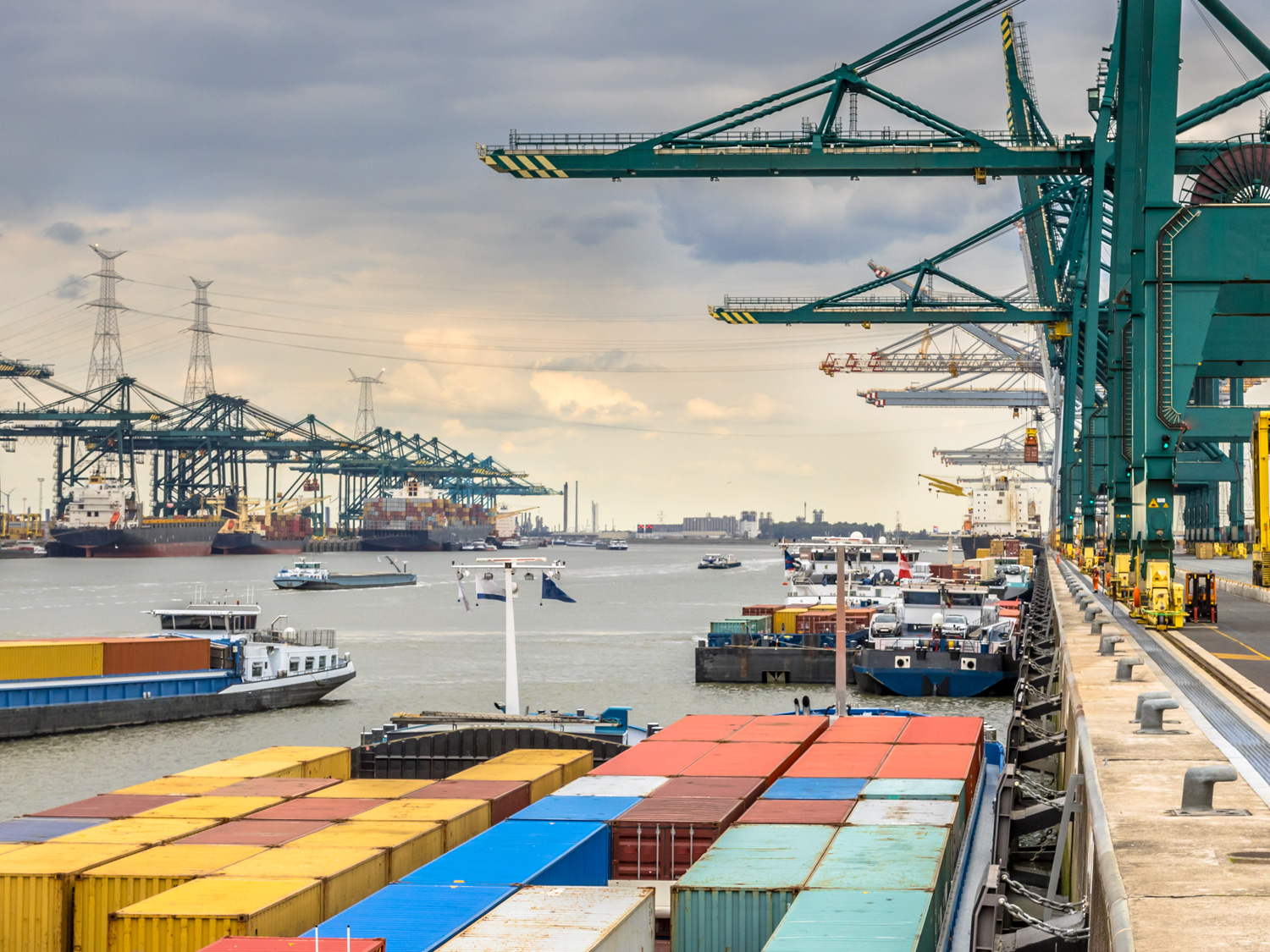
The continent’s hub ports are strengthening their market positions, with Belgium's Antwerp and Zeebrugge merging and the French ports of Le Havre, Rouen, and Paris joining forces, in two giant mergers, that will close the gap on Rotterdam.

With their advanced handling and storage of containers, breakbulk, and chemical products, the Belgian merger is potentially interesting. Antwerp-Bruges could be one of the largest breakbulk ports in the world, with the largest vehicle throughput in Europe, as well as Europe's most important chemical hub and a supremely efficient RoRo service for swift on-movement of UK-destined containers.

With 40 commercial ports in the UK and hundreds across continental Europe, offering a blend of feeder, short sea, RoRo and unaccompanied services, we can potentially ship direct to a range of European ports, with swift on-delivery to the UK by RoRo services through local and potentially quieter ports, to avoid congestion and suit every supply chain requirement.

If our article on freeports is also considered for the future there could be many real benefits to using regional ports. We continue to review and assess and will share developments as they continue to happen.

We would encourage full load shippers from Asia to consider the potential of shipping direct to Europe, for a less-stressful, simpler cost comparable experience than shipping direct to the UK. 

With 40 commercial ports in the UK and hundreds across continental Europe to choose from, we select the optimum mix of European arrival port and regional UK ports, to blend the most cost effective port-pairs, to complete your transit in the shortest possible time.

Leave vessel stress, space shortages, port disruption, haulage scarcity and congestion surcharges to the others. We have a myriad of options, to safeguard and fine-tune your supply chain.

Please contact your Metro account manager for further details and to discuss your situation and the options available.

HKG port

Vessel fuel prices jump, with BAF likely to follow

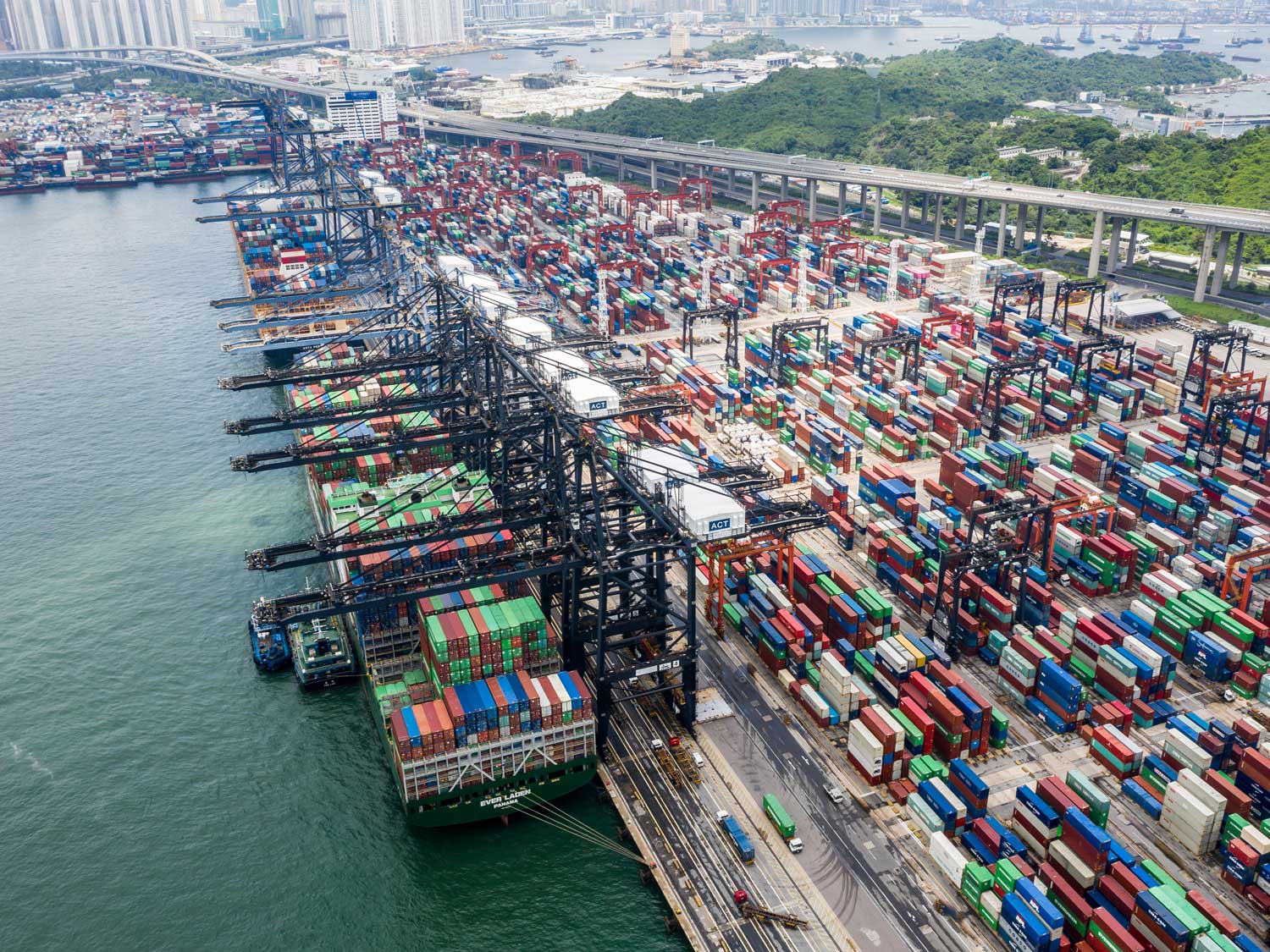
After a massive spike in fuel prices, in the run up to IMO 2020, marine fuel prices collapsed as the COVID pandemic took hold, but have been increasing rapidly in recent weeks, raising fears of BAF increases.

The IMO’s global emissions regulations - IMO2020 - which impacted the global container fleet at the start of 2020, mandates that ships without scrubbers cannot burn 3.5% sulphur fuel known as high sulphur fuel oil (HSFO) and must burn 0.5% sulphur fuel known as very low sulphur fuel oil (VLSFO) or 0.1% sulphur marine gas oil (MGO).

With the industry anticipating a £10 billion marine fuel bill in 2020, by switching to low sulphur marine fuels in order to meet the sulphur content caps of 0.5%, attention was on which shipowners had got it right - scrubbers and HSFO, or the VLSFO users.

Instead, due to the global economic impact of COVID, the price of oil and consequently marine fuel collapsed and all shipowners actually saved money on fuel last year, against all odds further adding to their coffers.

This year, the trend is moving in the opposite direction, with the price of marine fuel increasing to levels that “scrubbers” - the equipment that allows ships to use cheaper, high-sulphur fuel - are starting to repay their installation costs.

The price of oil has recovered to pre-pandemic levels, rising over 50% in the last few months, driven by expectations for economic and oil demand recovery amid signs that the coronavirus may finally be in retreat, as vaccination programmes expand.

The increases in marine fuel prices, driven by those higher crude oil prices, will mean the lines will likely be seeking to pass more cost on to shippers, who should prepare for future BAF increases.

Demand for fuel from airlines has seen the most dramatic fall and while many travel curbs remain in place, demand has picked up in other areas, driven in part by the shift to working and consequently consuming more from home.

With consumers buying more goods online, the fuel demand for the supporting supply chain has grown exponentially, creating a spike for plastic packaging, which is made using oil products.

Oil demand is still lower than pre-pandemic levels but the strong economic recovery expected by many, would trigger a full and sustained rebound in world energy demand for years to come, with accompanying impact on vessel operating costs.

The shipping lines operate different BAF mechanisms, which means they do not adjust BAFs simultaneously. Some do it monthly, based on average fuel price with a two-month time lag, while others adjust it quarterly, so we could see recent oil price rises affecting monthly BAFs by March and quarterly adjustments in April. 

Chart data from S&P Global Platts

We will be watching calculations carefully, particularly if the BAF is based on the VLSFO price, while ships using scrubbers and HSFO, which is the case on the Asia-Europe trade, will be operating at lower cost and the spread growing.

Metro often adopt a ‘blended’ approach with the BAF mechanism for consistency and simplicity which we always ensure is clearly understood by our customers. 

It is worth noting, that while nothing is certain in terms of BAF outcomes at the current time, we are predicting and sharing the changes that may occur for transparency.

For further details please contact Ian Barnes or Grant Liddell for the latest update on market conditions and intelligence and how we are offering solutions to ensure that we stay ahead of the unravelling and volatile situation in global logistics.

LA an d Long Beach

Global shipping; record-breaking congestion

The economic turmoil triggered by the continuing pandemic, has disrupted global container shipping through 2020, with port congestion battering the shipping lines’ schedules and wiping out reliability.

Port congestion began in Asia, as the first Coronavirus waves passed last May and factories rushed to ship the orders they had on hand to satisfy pent up global consumer demand.

Carriers struggling to meet this early demand, began restoring blanked sailings, repositioning vessels and restoring container equipment stocks and have been playing catch-up ever since.

The lines proposed ‘schedule recovery plans’ have the potential of creating even more chaos in the container sector, at least in the short term, as has been reported in the trade press over recent weeks.

Congestion in EU, UK and US ports spread as volumes from Asia arrived faster than arrival ports could work the vessels, diminishing terminal capacity and restricting the return of empty containers, that began to create the shortage of equipment in Asia.

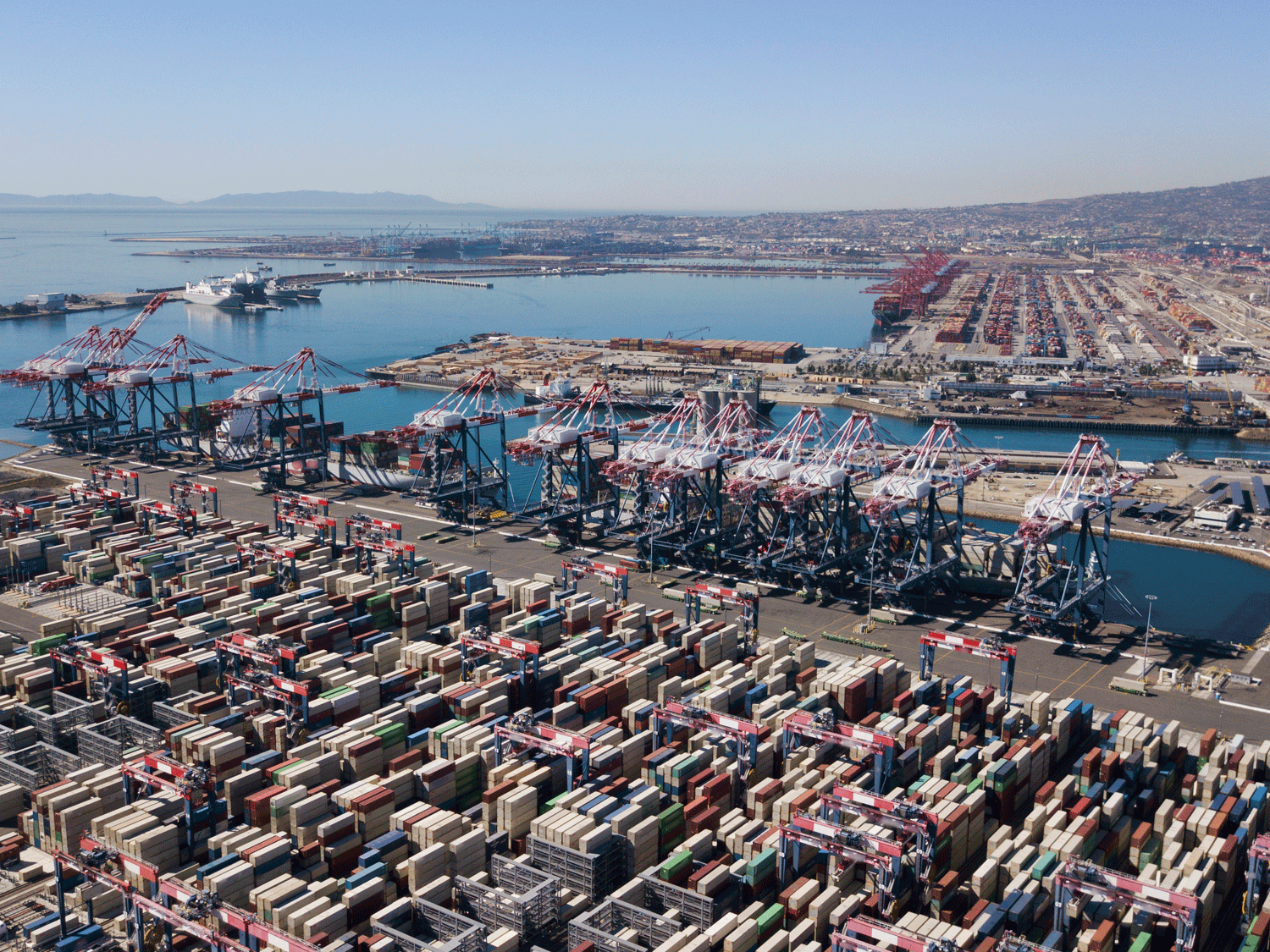
This snapshot of the situation in the US underlines the challenge facing global supply chains: Los Angeles/Long Beach has in the last week had up to 37 vessels at anchor awaiting a berthing slot, up from 30 vessels in the previous week; while Oakland has 11 vessels waiting; and on the East Coast, Savannah has 10 ships waiting.

This dysfunctional cycle of diminished global port operations, equipment shortages and disrupted vessel operations has seen container service scheduled reliability decline to its lowest levels since records began.

Schedule reliability data for December shows just 44.6% of vessels arriving on time, which  is a decline of 32% on 2019 and is the fifth consecutive month, that global schedule reliability has been the lowest across all months since 2011.

The performance figures are slightly skewed as carriers have introduced levels of capacity on the major trade-lanes, that has not been seen before.

Reacting to these exceptionally long delays to vessels, caused by congestion in Asian and North American ports, the lines are implementing schedule recovery plans to get vessels back to their intended positions, which means some services will not have a sailing for one to two weeks during the Chinese New Year slowdown.

Metro are working around schedule changes and blanked vessels and will always provide available options in a chaotic container market.

Metro negotiate rates and volume agreements with a broad portfolio of carriers, across the three alliances, to offer our shippers the widest range of service offerings, port-pairings and rates.

We monitor and manage the changes daily, to ensure that the best options are utilised minimising impact on the movements that we manage.

For further information contact Ian Barnes, who would be delighted to talk to you about your situation.