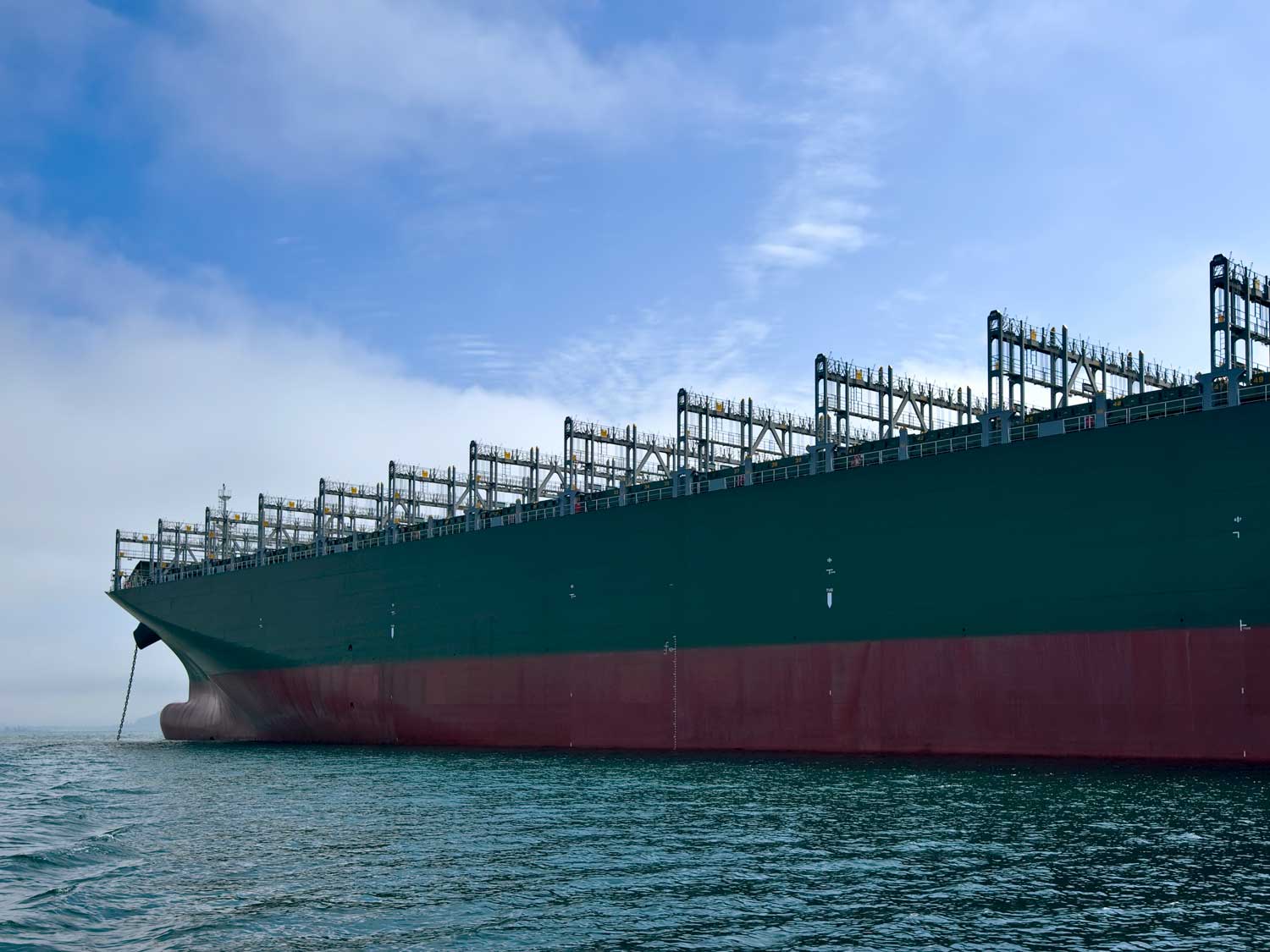
Carriers balancing act continues into 3rd quarter

Container shortage intensifies

Finding an empty container in Shanghai, Ningbo, Yantian or any other major Chinese gateway port, is becoming a major problem, yet again, as Asian container availability is tightening, and purchase and rental costs are soaring, and equipment will become even scarcer as demand builds through May into the peak season. 

Continuing and sustained demand for containerised shipping and the COVID-related difficulties of handling such large volumes, means the current equipment imbalance will continue to deteriorate. 

The relentless pace of container shipping trade since the summer of 2020 is not easing and this is reflected in equipment shortages in Asia and elsewhere on a global scale. And we expect availability will be restricted even further in the coming weeks, as the ripple effect of the Suez Canal closure further disrupts container shipping services and equipment repositioning, as shipping lines struggle to realign schedules and relocate their vessels.

Equipment is tied up on ships waiting outside ports around the world and from extended dwell and transit times on the land side, meaning shipping lines are expecting the availability of empty containers in Asia to remain tight for another six to eight weeks.

Chinese exports were up 31% in March year over year, which was actually a slowdown from the 61% increase recorded during the first two months of the year. 

The vast import volumes hitting European and US ports has overwhelmed terminals at times, with vessels being delayed for weeks outside US ports and on-time performance of carriers falling to just 11% (that’s 89% off schedule) compared with 57.6% in 2020.

Average prices for used 20’ containers in China increased 94% between November 2020 and March 2021 and the urgent demand for boxes in Shanghai has increased the cost of a new container by 64%.

Even with prices increasing around 1.4m teu of new containers were delivered in the first quarter, of 2021 and full-year production could be more than 4.7m teu which, even though that would be a record year for new container production, it would be unlikely to put a dent in the acute equipment shortages around the world.

As we’ve explained in previous communications the lack of empty containers is a direct result of the carriers’ responses to COVID – in blanking voyages when China locked down, followed by the deployment of larger and additional ships in response to the unexpected and unpredictable demand, which created a vicious cycle of yard congestion at ports globally.

As terminal and inland congestion worsened, the carriers began to cut and run at ports, leaving empties and laden export containers on the terminal, which only made port congestion worse and is likely to be a recurring theme in 2021.

Maersk said in a recent customer advisory that equipment shortages remained an industry-wide challenge in Asia, with a tight equipment situation across a wider range of China ports, as well as Busan in Korea, without enough 40-foot high cube containers to cover demand forecasts, with Shanghai and Ningbo facing the greatest impact.

Metro negotiate rate and volume agreements with a wide range of carriers across all three alliances, which means we can access the widest pool of equipment and offer shippers the biggest range of service offerings, port-pairings and rates.

Our fixed validity contracts provide supply chain security and peace of mind, but the best contracts cannot magic empty equipment, when there is no availability. Which is why it is critical that you give us advanced notice of pending shipments, so that we can secure space against contract and have time to source the equipment you need.

For further information on the current situation and guidance on what you can do, to protect your supply chain, contact Grant Liddell, who will talk to you about your situation.
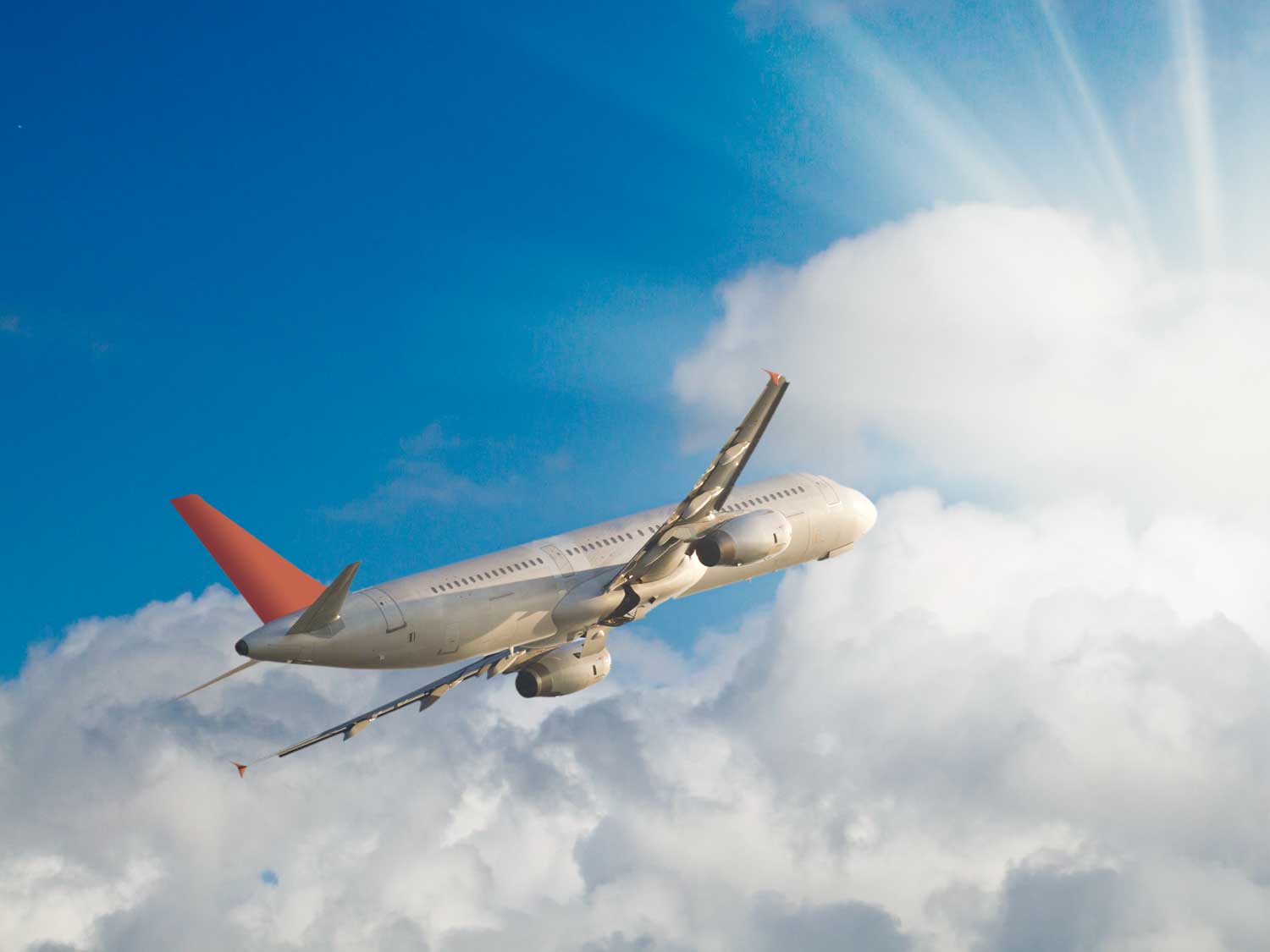
plane climbing

Air freight market still climbing

The global air freight market is accelerating rapidly, with massive rate increases impacting many trade lanes, with Asia & Europe to the US particularly affected.

Volumes out of China have been increasing weekly, with higher yields to the US attracting carriers to the routes and reducing desperately needed capacity on other lanes, including Asia Westbound and trans-Atlantic, driving up rates on those routes.

Demand has increased markedly with the relaxation of lockdowns in some countries and big increases in hi-tech volumes, with Apple triggering a surge two weeks ago, with exports from all of its vendors, in readiness for October’s planned iPhone 12 launch.

Pandemic-related cargo remains high-profile, with rapid Covid test kits evident across Hong Kong and China mainland gateways and airport terminals full of trucks waiting to drop off more kits for export globally. This is being further magnified with the Chinese Labour Day holidays starting this weekend.

Our partners in Singapore confirm that China’s main airports, along with those in Vietnam and Thailand are all facing high demand with very limited supply and rates to Europe and the US remain at a relatively high level, with pre-booking essential to secure space.

Air freight is effectively busy in all directions, with demand also driving charter rates up again, in particular to the US from both Europe and Asia, with lead times averaging 10 days to secure an aircraft.

For the UK, big volumes of eCommerce cargo are filling multiple charters and fixed schedule flights from inland Chinese cities to London Heathrow which, after Brexit, must be arranged separately from EU destined cargo due to new Customs protocols.

Courier and express operators are also suffering parcel delays, including the world’s largest cargo integrators, with despatches a week slower than normal and average prices up almost a third.

In summary, our Chinese partners are hopeful of some improvement in the current air market over the next a couple of weeks. Meanwhile space is full and further rate increases are anticipated around the 1st May Labour Day holiday, which at least means carriers are not cancelling flights, as they would normally over the holiday period. 

Metro work closely with the world’s leading passenger airlines, cargo airlines, ‘preighter’ carriers and key hub partners to offer the widest range of time-sensitive solutions, routes and transit times, at the most competitive rates available in the current market.

If you have urgent or time sensitive consignments and would like to explore options, transits and costs, please contact Elliot Carlile or Grant Liddell for all options available to ensure that deadlines are always met.

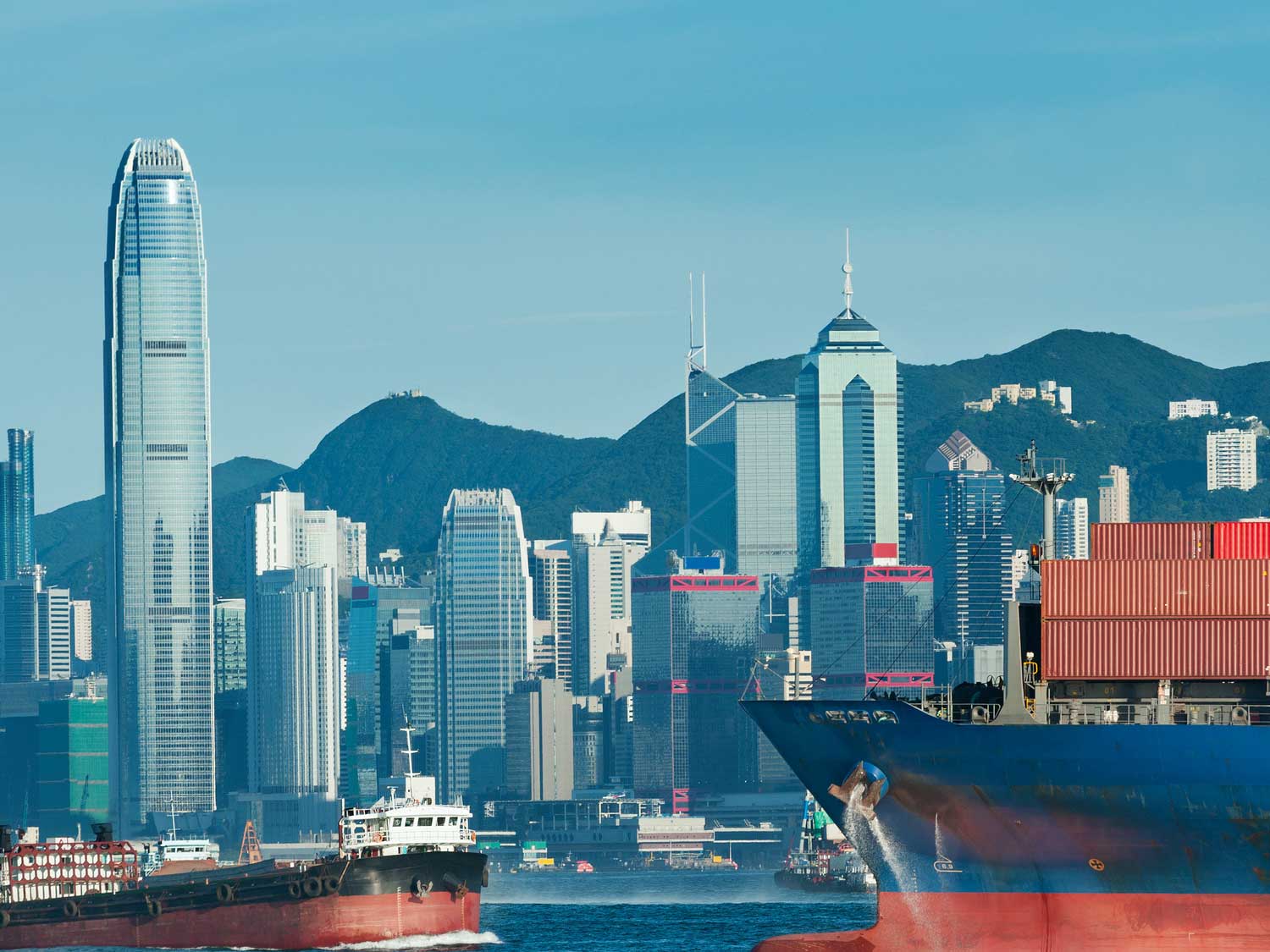
HKG ship2

Ocean Freight Update; On the front line from Asia

Our sea freight ops team continue to perform in a very challenging global ocean freight environment and with global supply chains likely to be under pressure for the rest of the year, they will continue to deliver the highest possible levels of service and performance available with all options being considered. Overcoming operational impacts and dealing with issues, which are often due to circumstances beyond their control, and protecting their customers.

We highlight the current situation and our review of running global sea freight operations in 2021.

During the first two months of 2021, while the market experienced severe equipment shortages, incredibly, vessels started to depart Asia at less than capacity. 

This was the direct result of a substantial lack of equipment of all types being available to load, in the areas where they were needed.

The lines’ immediate actions included moving empty containers, instead of laden exports from key markets such as Europe and the Americas, in order to turn the equipment around more quickly back to Asia. However, due to congested ports, caused in the main by a slowdown in operations having to adopt Covid restrictive processes and unreliable vessel schedules missing berthing slots, which in turn contributed to port congestion and further transit delays, empty containers have largely remained stuck across the world, in places where they are not needed. 

As we started Q1 the general consensus of the shipping lines was that issues of equipment and space would start to ease and then continue to improve as we entered Chinese New Year and beyond.

Now all factories are back up and running and demand returned to the same level as December/January by Week 10/11 and is forecast to continue into Late Q2. We will then essentially enter the traditional Peak Season for Q3 and the carriers do not expect a demand slow down until potentially the end of Q4.

Global schedule reliability dropped to below 35% in January 2021 – barely half its level last year, which was considered unacceptable by most shippers – and continued its dismal progress to the lowest levels since records began over 10 years ago and this was BEFORE the Suez blockage, which has exasperated the situation leading to further schedule delays and impacting equipment availability globally.

The week-long Suez closure has resulted in many delays enroute, including, but not exclusively, to late arrivals, port omissions and delays to arrivals of anything up to four weeks after shipment from origin.

The carriers are maintaining their peak season charges throughout Q2, and market rates remain very high for both contract renewals and in the spot market, which is forecast to continue throughout 2021.

With continued widespread port congestion and carriers still not able to add sufficient capacity, we might not see improving schedule reliability until Q3/Q4 of 2021 or even later.

All the above results in difficulty obtaining vessel space and equipment as required and therefore makes planning, communication and co-operation more important than ever. Proactive visibility remains an essential ingredient to managing the current market conditions.

The market was already working hand-to-mouth for equipment and now with the added pressure of the Suez incident, the Far East Region is 600,000TEU short of equipment versus current requirements, which represent the capacity caught up in the subsequent vessel delays arriving later than planned in the Far East.

The four weeks’ notice we request for bookings is to ensure that we secure and allocate space on the vessel, because we cannot reserve or pre-book equipment with most carriers as per their processes in a shorter time period.

We secure space and equipment with all carriers, across all POL’s (port of loading) which is subject to release at the time the EIR is applied for (which your shipper does) on a case by case basis based on what is in the empty container depot at that exact time.

As an example ex Ningbo the market is almost 8000TEU short for planned bookings for next week alone across all carriers and markets.

Unfortunately no carrier will reserve equipment in advance or allow equipment to be stockpiled for future bookings, as demand totally outstrips the supply, and every container is required for immediate bookings in the current environment.

Carriers will only look to release equipment once the vessel has opened, which is usually 5-7 days before the planned sailing date.

The shippers need to be applying for EIR’s as soon as they can and keep applying until successful, they also need to keep our origin partners updated if they experience any issues with that so we can try and intervene on their behalf. With many carriers now if we cancel a booking within the 2 week window of sailing then we face a heavy penalty charge despite the lack of equipment so pre-planning is paramount and early visibility of all movements to ensure that containers are loaded on intended vessels.

For further information please contact you daily account team or Emma Hulbert for any clarification. Hopefully the situation will improve over coming weeks and months and we will continue to update the situation regularly as it changes.

ship and graph

When will freight rates return to ‘normal’?

The leading container shipping lines are releasing their Q1 2021 operational statements, which show a sharp increase in freight rates compared to Q4 2020 reports. Not only in the sense that rates are increasing, but the pace at which the rates increase is also accelerating, but when will the increases slow and eventually reverse?

Global freight rates are up around 60% year-on-year, versus an increase of 22% in Q4 of 2020, with Asia/Europe increasing of 120% year-on-year with an increase of 33% year-on-year in Q4 2020.

Looking short-term, over the next 2-3 months, we will continue to see bottleneck problems, with disruption, capacity shortages and high pressure on rates.

Currently demand growth is high on most trade lanes and extremely high into North America, which absorbs a significant amount of vessel capacity which, in turn, pulls vessels away from trades with lower demand growth.

The International Monetary Fund (IMF) has just published their new global economic outlook, and they have revised economic growth projections for 2021 and 2022 upwards.

They now expect global GDP to grow 6.0% in 2021 and 4.4% in 2022.

For the US the growth expectation for 2021 is higher at 6.5%, while for China and India it is much higher at 8.4% and 12.5% respectively.

This means that we should anticipate strong container demand growth to persist through not only 2021 but also 2022 based on these economic projections.

The current high freight rate levels will be sustained by ongoing bottleneck effects and the ripple effects from the Suez blockage, delaying the lines ability to re-balance container stocks and eradicate port congestion.

In all likelihood, bottlenecks and disruptions will continue until sometime during Q3 2021 and if the summer peak is stronger than normal it could be knocked back to Q4 2021.

Carriers do have more vessels on order, but no capacity will come on stream before 2023-2024 and vessel deliveries in 2021 and 2022 are minimal.

Charter rates for container vessels have consequently grown rapidly and are now at very elevated levels, implying a tight market for vessels in the next couple of years.

For Q3, and possibly into Q4, we will continue to see a very tight market in terms of capacity and freight rates will be under continued pressure to remain high, driven by shippers who prioritise movement over transactional freight costs.

Coming into late 2021 and further for 2022 the bottlenecks should finally disappear and a more normal supply/demand environment emerge, which will reduce freight rate levels, but due to continued strong demand growth and limited additional capacity the reduction is unlikely to be to the same levels seen before the pandemic for many years to come.

Metro negotiate rates and volume agreements with a broad portfolio of carrier and alliance partners, to offer our shippers the widest range of service offerings, port-pairings and rates. Fixed validity contracts that provide supply chain security and peace of mind.

For further information contact Grant Liddell, who would be delighted to talk to you about your situation.