PPE supply chains critical for months

Air Freight Market Update; 20th May 2021

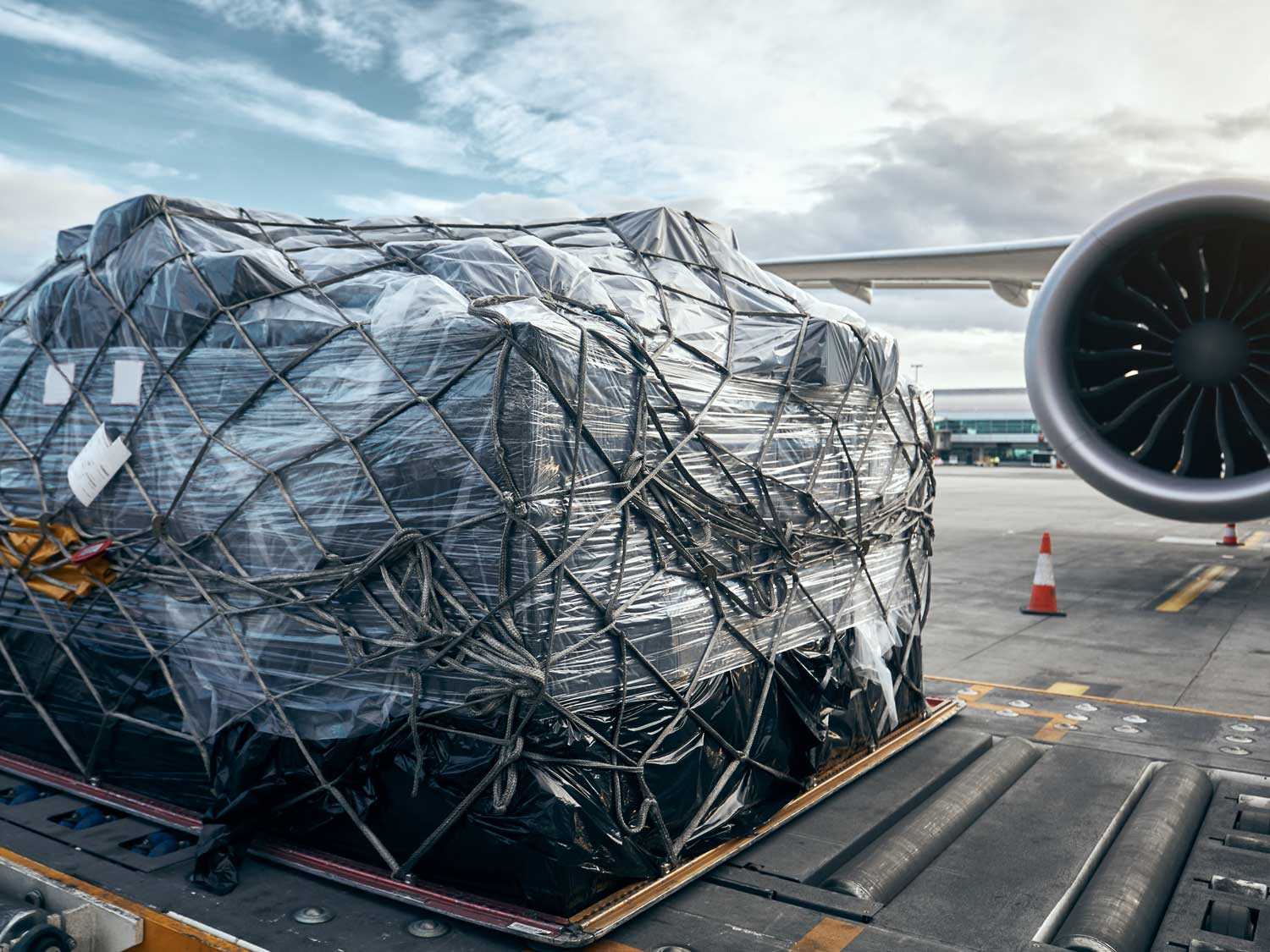
Asia’s economic bounce back continues to show strong growth, driven by new manufacturing orders and the ensuing increase in export sales, which is putting more pressure on supply chains, leading to increased lead times, shortages of aircraft space and rising prices.

Purchasing managers data is showing the largest price increases in a decade, in the manufacturing sector and a steady decline in inventories over the last 26 months.

The COVID-19 outbreak initiated the effective grounding of the world’s passenger aircraft fleet, triggering severe supply and demand volatility in the global air cargo industry and while the introduction of PAX ‘preighters’ has been welcome, capacity remains severely affected and down significantly. 

In addition the total reliance on cargo income as the sole revenue stream on each flight has resulted in increasing and volatile pricing, with the average freight rate now estimated to be at least three times higher than it was pre-pandemic in the ‘normal’ market.

Global freighter capacity is “maxed out” for 2021 and 2022 and with continued COVID-19 outbreaks and travel restrictions likely to remain in place, it is unclear how much passenger orientated belly capacity can be added through 2021 as countries struggle to curb the impact of the pandemic.

Even though a significant amount of conversion work is underway to transform aircraft from passenger to all-cargo ‘preighter’ configurations, this will not produce a substantial amount of additional (maindeck) capacity this year, or even next potentially. This will also create an aviation sector that will need to cover costs and profits through air freight contribution as the only income, so rates cannot be expected to soften or the aircraft simply will not be able to fly.

The freighters that are flying, are operating to maximum block hours and every available freighter aircraft has been put into service, which has enabled maindeck capacity to increase by 30% when compared to pre-COVID levels.

But belly capacity, which prior to the health crisis represented 55% of all air cargo capacity, is still down by slightly over 50%, with an overall capacity shortfall of around 25%.

Asia export stays at super-peak levels, driven by global consumer demand, with rates in some origins approaching the peak levels seen during the height of the PPE frenzy.

With demand outstripping capacity, flights are full across the board, on pretty much all trade lanes and current market conditions are likely to continue through June, based on large amounts of cargo in the pipeline.

European export demand stays strong to the Americas and Asia and space to USWC remains constrained.

No meaningful capacity into North America has been added and while there has been volume added, space to and from Asia remains very well utilised at 78%, especially to China and Japan, although many of these flights are operated for the more lucrative westbound pricing to Europe to ensure that returns against cost are achieved.

Space to India and Bangladesh is very constrained, due to aid and relief shipments into the COVID-struck region.

Major airport hubs, as well as secondary gateways in Europe are reporting normal throughput for air imports and air exports, despite the significant reduction in passenger flights arriving and departing from the region.

Metro work closely with the world’s leading passenger airlines, all cargo airlines, ‘preighter’ carriers and key hub partners to offer the widest range of time-sensitive solutions, routes and transit times, at the most competitive rates available in the current market. 

We continue to monitor and manage the situation daily and we are currently planning charter operations in Q3 and Q4, to add our own capacity during what is anticipated to be a very buoyant air freight market, looking at the key routes and lanes of demand. We will advise and update the programme as we develop the strategy over coming months, to deal with ‘peak season’ demand.

If you have urgent or time sensitive consignments and would like to explore options, transits and costs, please contact Elliot Carlile or Grant Liddell for all options available to ensure that deadlines are always met.
Coronavirus highlights need for visibility

Ocean freight rates, rollovers and blanked sailings; the saga continues

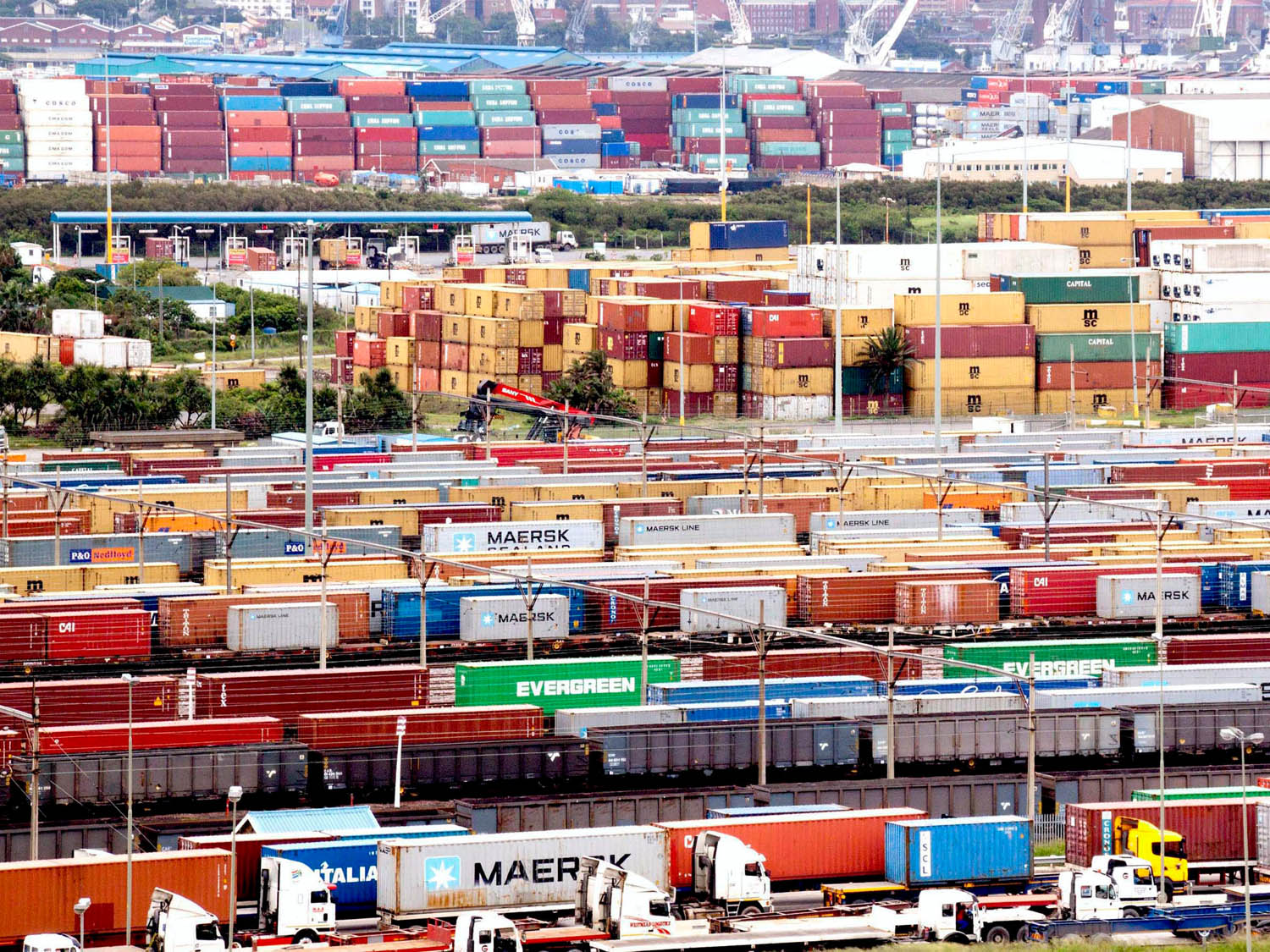
Shippers from Asia to Europe continue to see increases in container spot rates, as cargo-rolling become ever more commonplace and carriers begin to cancel sailings in an effort to restore schedule reliability.

Space on vessels from Asia is effectively ‘sold out’ for May and June, with a succession of GRIs being introduced by shipping lines, and sticking, as shippers without access to contracts like ours, struggle to find space.

With many businesses striving to replenish inventory for the summer season, rates are spiking, driven by desperate shippers willing and having to pay over $14,000 for a 40ft. And even with shippers accepting such rate levels, there is no guarantee they will get empty equipment released by the shipping lines at origin or their booking guaranteed on the intended vessel.

It is anticipated that space will get tighter still, with THE Alliance confirming that it will cancel three sailings departing Asia at the end of May and beginning of June, “due to the unfortunate schedule delays”.

The members of the OCEAN Alliance and the 2M Vessel Sharing Agreements have not yet announced blank sailings, but their schedules are equally disrupted by delays and the impact of the Suez situation and general conditions created by COVID-19.

There are currently 115 Asia-Europe sailings scheduled for May, with five sailings blanked, while in June there are 111 sailings scheduled and so far only one has been announced as blanked, although this is very likely to increase.

The number of days between two consecutive sailings of some ‘weekly’ Asia – Europe loops now varies between 4 and 11 days.

Service delays continue at almost every port and have been lengthening in recent weeks, with arrival and departure data showing vessels arriving at Southampton around 10 days late in February and between seven and 10 days late at Hamburg in March.

The surprise upswing in global shipping demand that began in the second half of 2020 and has kept building in 2021 has overwhelmed the global container shipping system and handed the shipping lines total pricing power control. A seller’s market.

There is no sign of the pressure letting up anytime soon and we are facing the need to deal with the pressures of huge demand conditions daily while planning for operations once we get through this period. This is without the increased clamour and pressure that will result during the traditional peak season from July onwards.

It is beyond difficult to book slots on vessels from many origins and in some there are not enough empty containers, while congestion ties up capacity.

Maersk, expects “this exceptional market situation” to last until the end of 2021, with elevated spot rates, port congestion, and container scarcity.

We would like to share Maersk’s belief that the situation will alleviate this year, but demand for goods remains high, even as consumers prepare to spend more on entertainment and travel, so we believe that any end-year improvement will be temporary. In our opinion, it is more likely that there will be no significant improvement ahead of 2022’s Lunar New Year.

More than a year after the COVID-19 pandemic first triggered massive disruption in global production and transport, supply chains are still on a knife’s edge and the week-long blocking of the Suez Canal illustrated just how fragile they are, effectively cancelling the shipping lines’ efforts to recover schedules. even with the pandemic declining in many parts of the world.

Metro negotiate rate and volume agreements with a wide range of carriers across all three alliances, which means we can access the widest pool of equipment and offer shippers the biggest range of service offerings, port-pairings and rates.

Our fixed validity contracts provide supply chain security and peace of mind, but the best contracts cannot magic empty equipment, which is why we request a minimum of four weeks visibility and booking window, to secure space on the vessel and get the right equipment positioned.

Please contact Elliot Carlile or Grant Liddell to learn how we can support your supply chains, even in the most challenging market conditions.

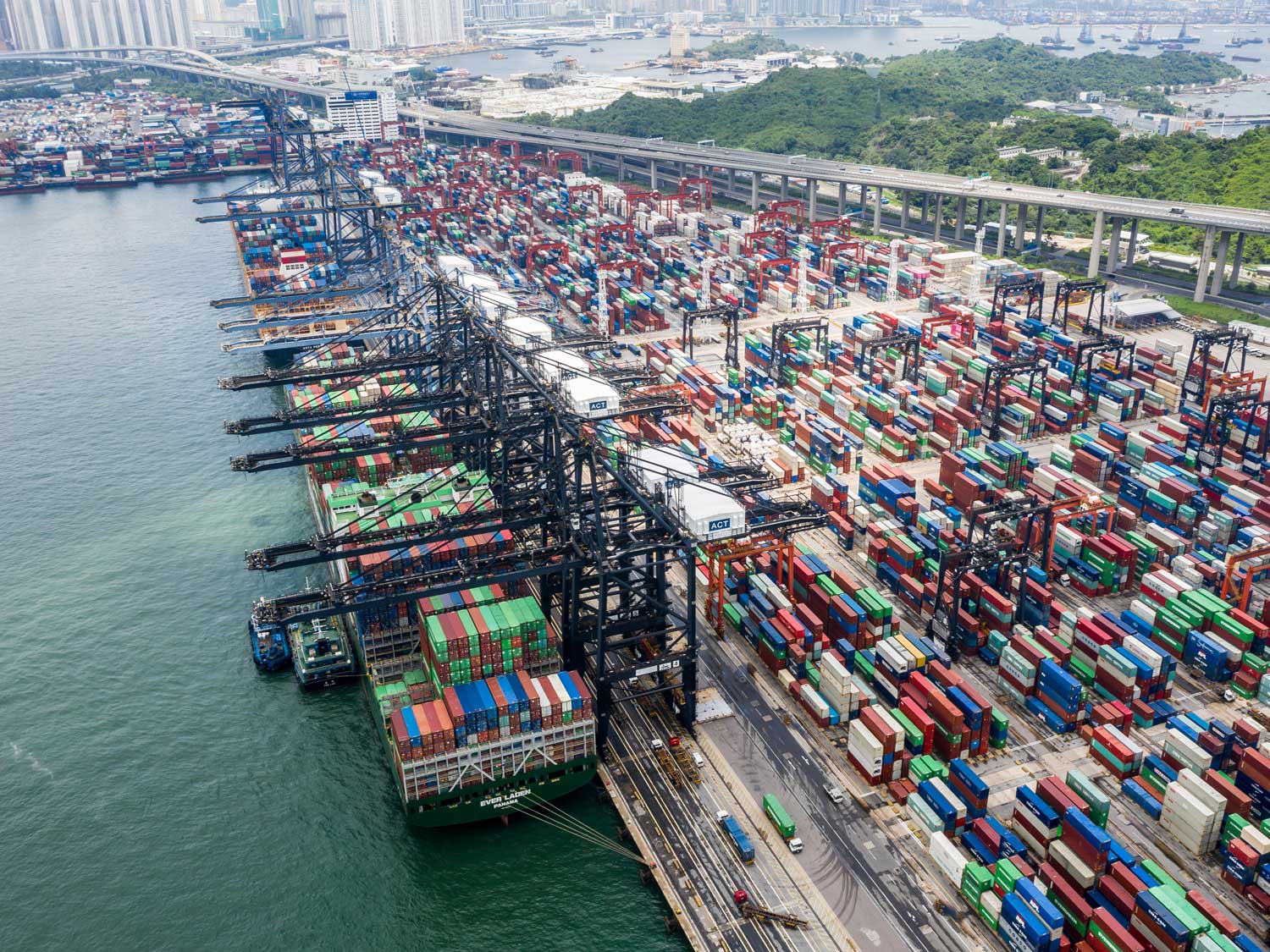
HKG port

Ocean capacity and equipment challenges continue globally

Container shipping rates from China to the US and Europe continue to rise, as reduced capacity, high consumer demand and equipment shortages across China and Southeast Asia escalate.

While container freight rate increases on the transpacific trade from Asia have outstripped increases to Northern Europe over the last year - almost double on some routes - the rate level increases are driven by the same factors; market demand and available capacity supply.

May looks likely to be a record month for US imports while, at the same time, blank sailings are totalling 5-10% of weekly sailings as shipping lines struggle to deal with the aftermath of the week long Suez Canal blockage in late March.

Demand from North Europe and the UK remain strong, driving increasing volumes and the backlog for confirmed bookings is already pushing into June. This is further affecting The UK in particular, since the withdrawal from the EU Bloc and being almost considered a ‘micro-climate’ in terms of its economy and trade lane, becoming quite insular in consideration by some of the carriers who are incentivised by the larger EU volumes and related efficiencies of scale.

The 1st May general rates increase (GRI) across the majority of carriers was significant and reflects the carriers’ determination to benefit from sustained high demand and insufficient capacity.

CONTAINER PROCUREMENT: Our Fracht colleagues outline today’s container freight market. Explaining the drivers behind current developments and predicting where we’re going. Click HERE to view their report

With further rate increases anticipated on the 15th May we would urge shippers to book with us immediately and customers to continue making advance bookings at least three weeks prior to the forecast cargo ready date.

The blank sailing and equipment shortage impact of the Suez Blockage in March continues to ripple outward, with overall capacity significantly reduced since mid-April and expected to impact to the end of the month, while equipment shortages are expected to persist for the next two months, exacerbated by the numerous blank sailings.

The normally stable Transatlantic, Europe to/from North America trade, has not been immune from the continuing global supply disruption, with rates already increasing and a further GRI expected on the 1st June, with the additional possibility of new and amended surcharge adjustments.

From North America to Europe, rates are steady, though one carrier has announced a small GRI for the 1st June. Port congestion on the US East Coast and in Europe is impacting vessel-schedule integrity, which in turn is causing capacity loss, as vessels make up lost time.

There are fewer blank sailings on Asia to North Europe services, but container equipment supply is tight across Europe, with port congestion, lower vessel capacity and inland delays hindering the positioning of empty containers to the Far East.

In a more positive development, leading industry figures are convinced that the current severe equipment shortages are not due to global demand growth, but the bottleneck issues in ports and further inland tying up capacity for much longer than usual. Basically containers are in the wrong place at the wrong time, although it is anticipated this will correct itself as the market stabilises. The question is when?

The usual year-on-year comparison, they say, is meaningless as we are comparing with months impacted by the pandemic in 2020, so the 10.8% year on year global demand growth is not a true reflection of the market.

Viewed over a two-year perspective, global demand grew 6.2% in March, well in line with January and February and hence Q1 2021 has seen global demand grow 6.5% compared to Q1 2019. As an average annual growth rate this is 3.2%.

A 3.2% annual global demand growth is well in line with the long-term normal growth pattern in global container shipping, confirming we DO have enough containers, they are just not available in the areas where they are required to be loaded and shipped!

While the experts’ long-term equipment availability confidence is welcome, the current situation makes booking equipment particularly challenging, which is why we request four weeks visibility and booking window from vendors and shippers, to secure space on the vessel and get the right equipment positioned.

Global supply chains are likely to be under intense and sustained pressure for some time yet and we will continue to share with you the most important developments, so that you are informed and prepared to make critical decisions, ahead of potential issues. 

Please contact Elliot Carlile or Grant Liddell to learn how we can support your supply chains, even in the most challenging market conditions.

China exports

China export’s soar but factory prices rise

China's exports have surged, driven by post-lockdown demand from the US and Europe, while factory gate pricing has risen at the steepest rate for more than three years.

China's economy grew 18.3% in the first quarter of 2021 compared to the same quarter in 2020, in its biggest GDP jump since China started keeping records in 1992. Although consideration has to be given to the 2020 COVID-19 effect with the early outbreak being recorded in China and much of the country taking its own precautionary measures before the global pandemic spread.

China has set an economic growth target of 6% for 2021, after scrapping its target last year.

China’s impressive figures continued in April, with exports surging by more than 32% against last year, while imports grew 43%, its fastest pace in over 10 years.

Comparing 2021 growth with 2020, when the country was brought to a virtual standstill by lockdown measures, does skew the figures and the world's second largest economy faces some major challenges. GDP growth is expected to slow, as pandemic-driven supply chain disruption causes significant challenges, with the movement of goods and availability of empty container equipment and airfreight capacity on passenger flights, pushing up the cost of shipping.

Last week’s, purchasing managers' index showed that China’s factory activity growth slowed in April, while data from China’s National Bureau of Statistics revealed that the producer price index jumped 6.8% in the year to April, up from 4.4% in March.

The increase in factory gate inflation was driven by a 15% spike in commodity prices, in the year to April, and may result in higher sourcing costs for some importers, creating a dilemma for businesses working to bounce back from the coronavirus crisis, on whether to absorb costs, or pass them on to consumers. 

Although the consumer price index rose 0.9% last month, up from 0.4% in March, that remained below forecasts of a 1% rise and may encourage central banks not to raise interest rates, which would slow the economic recovery. 

We continuously monitor global trade conditions, to keep our customers informed of critical development, while adapting, adjusting and adding new services, in partnership with key air and sea carriers, to help them overcome challenges and exploit new opportunities.

Please contact Grant Liddell for further information and follow the regular updates in our supply chain bulletins.