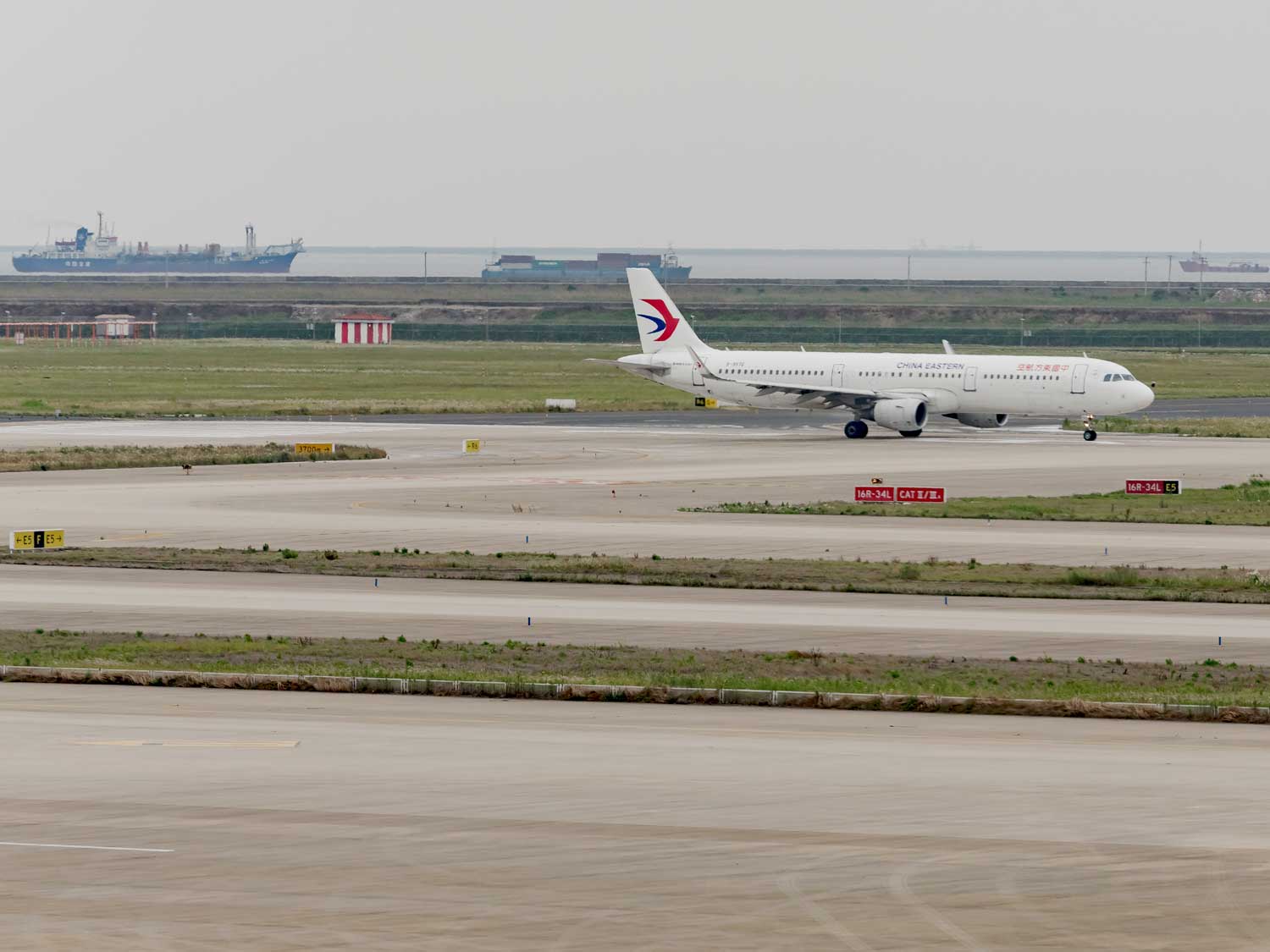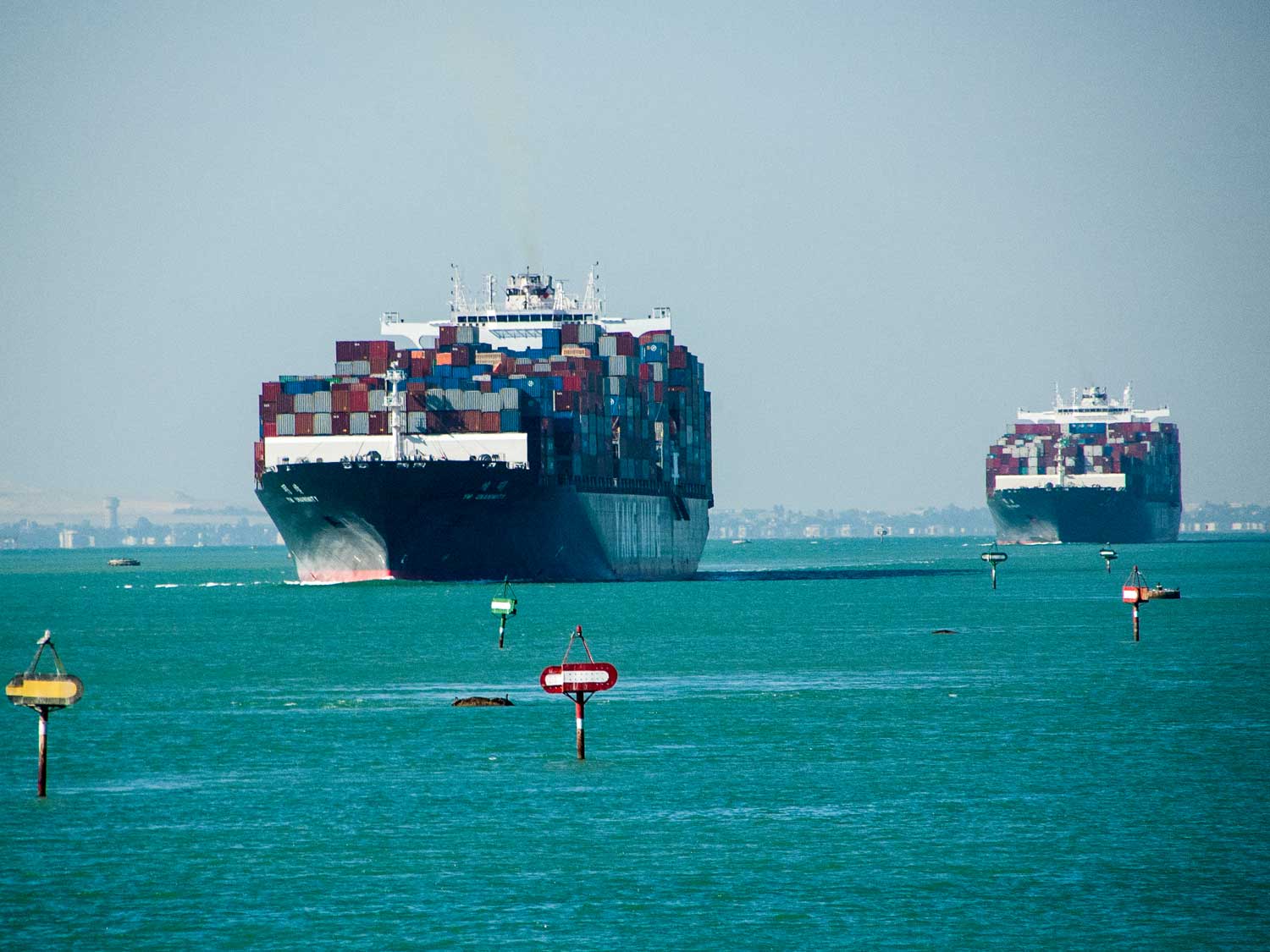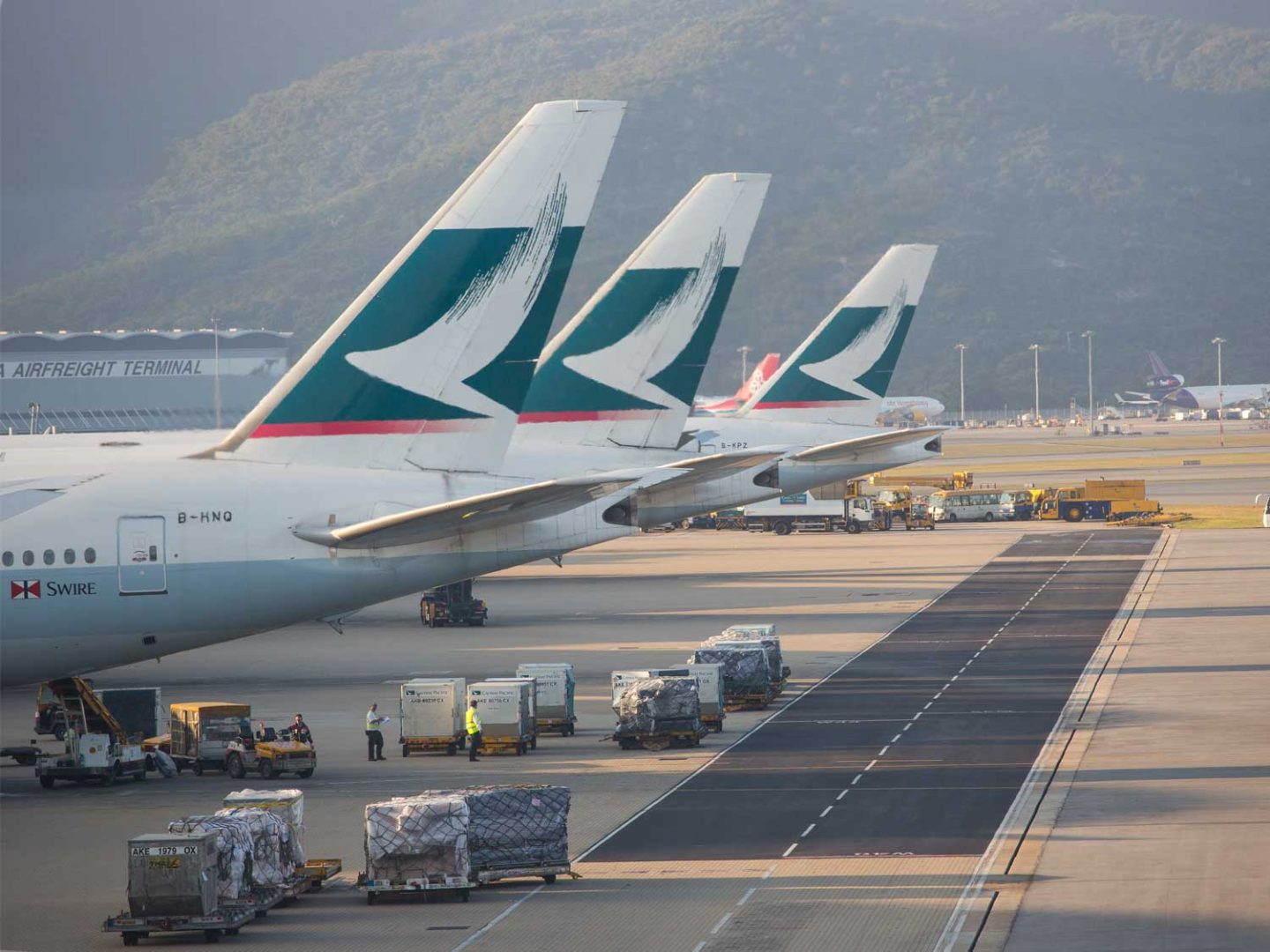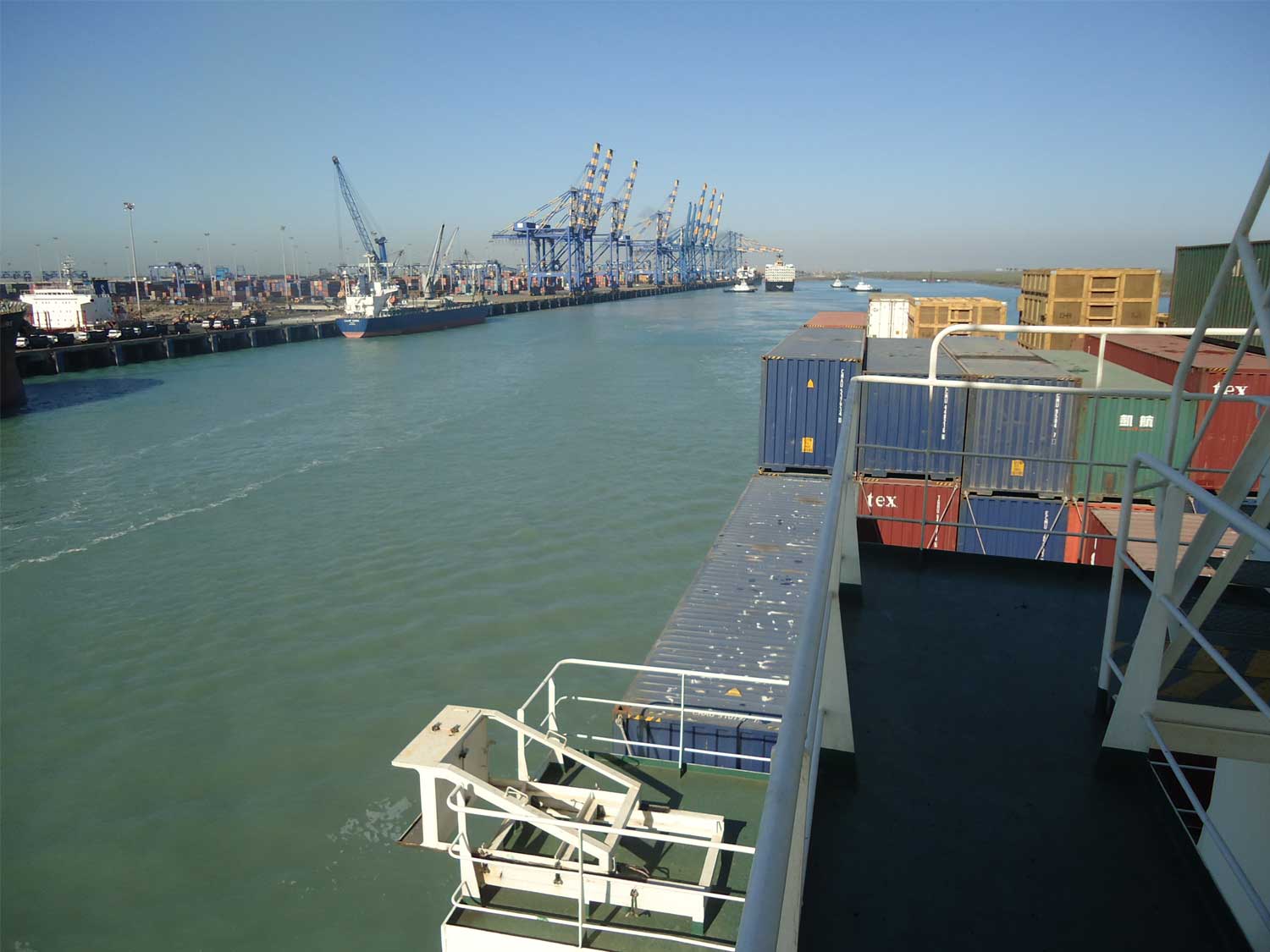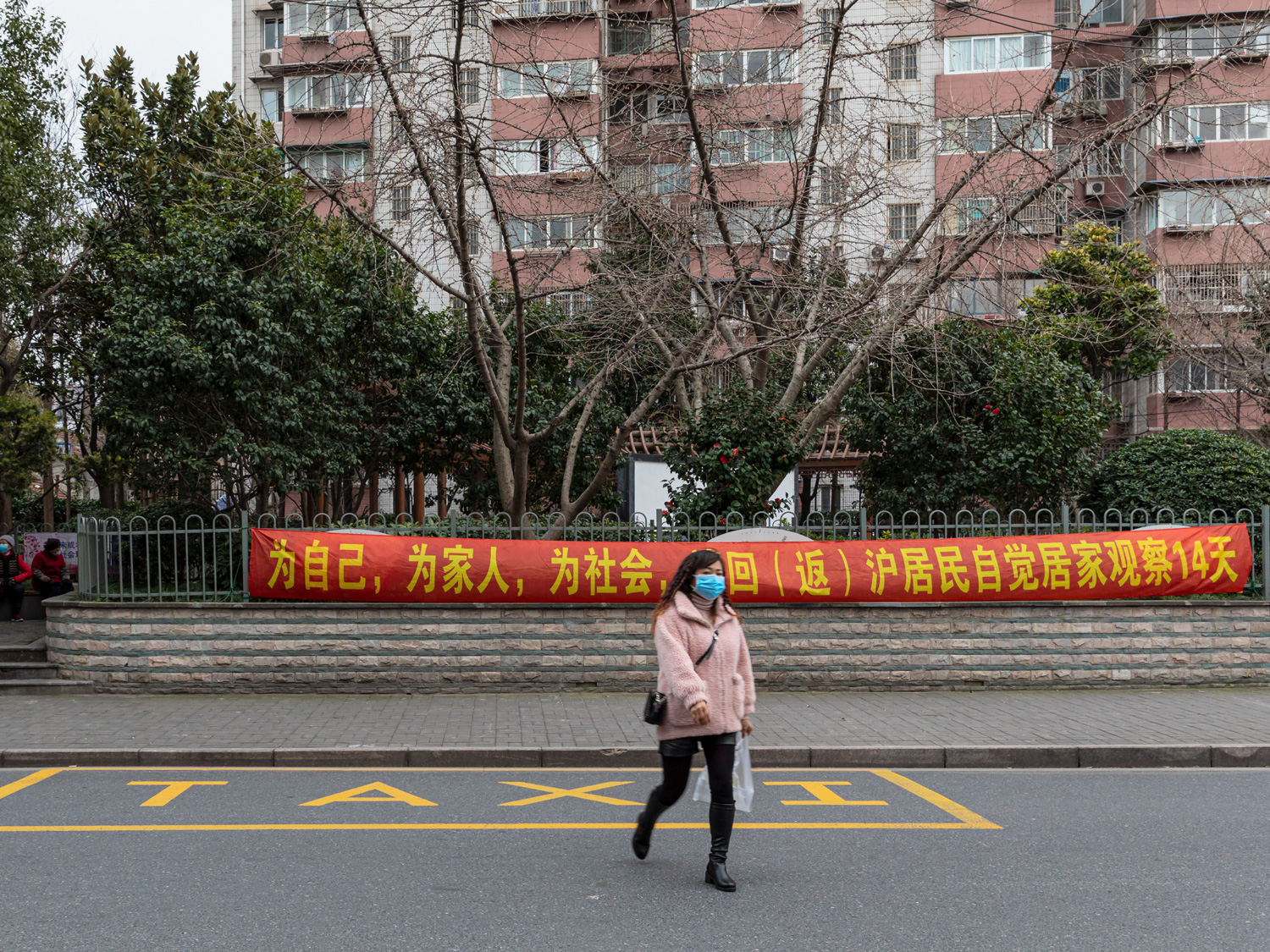
ships at anchor

China ship queues growing with further disruption to schedules

Despite key Chinese ports, including Shenzhen and Shanghai, operating normally, land-side logistics disruption, in the wake of the latest Covid-related lockdowns is inevitable and vessel queues are growing.

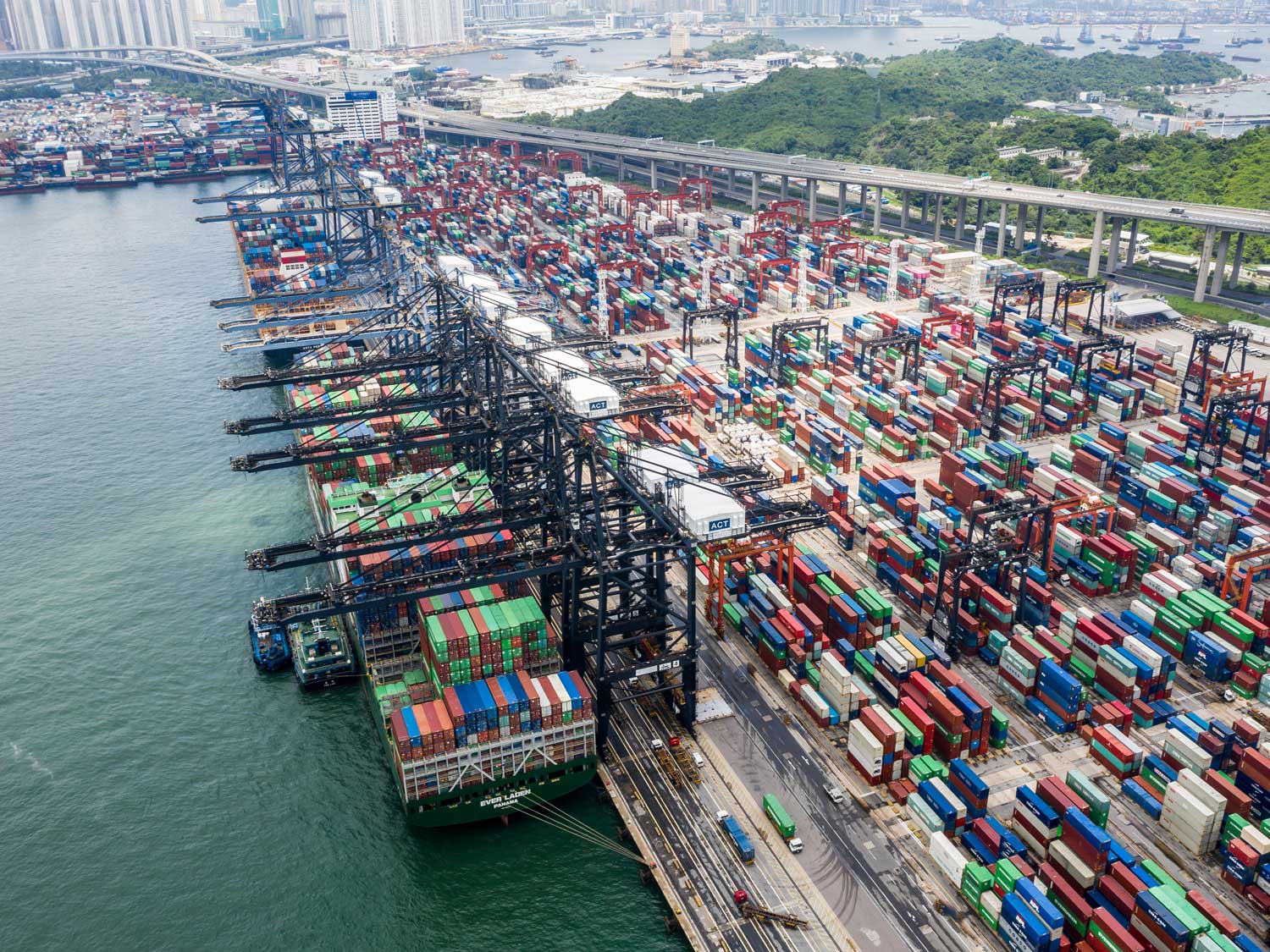
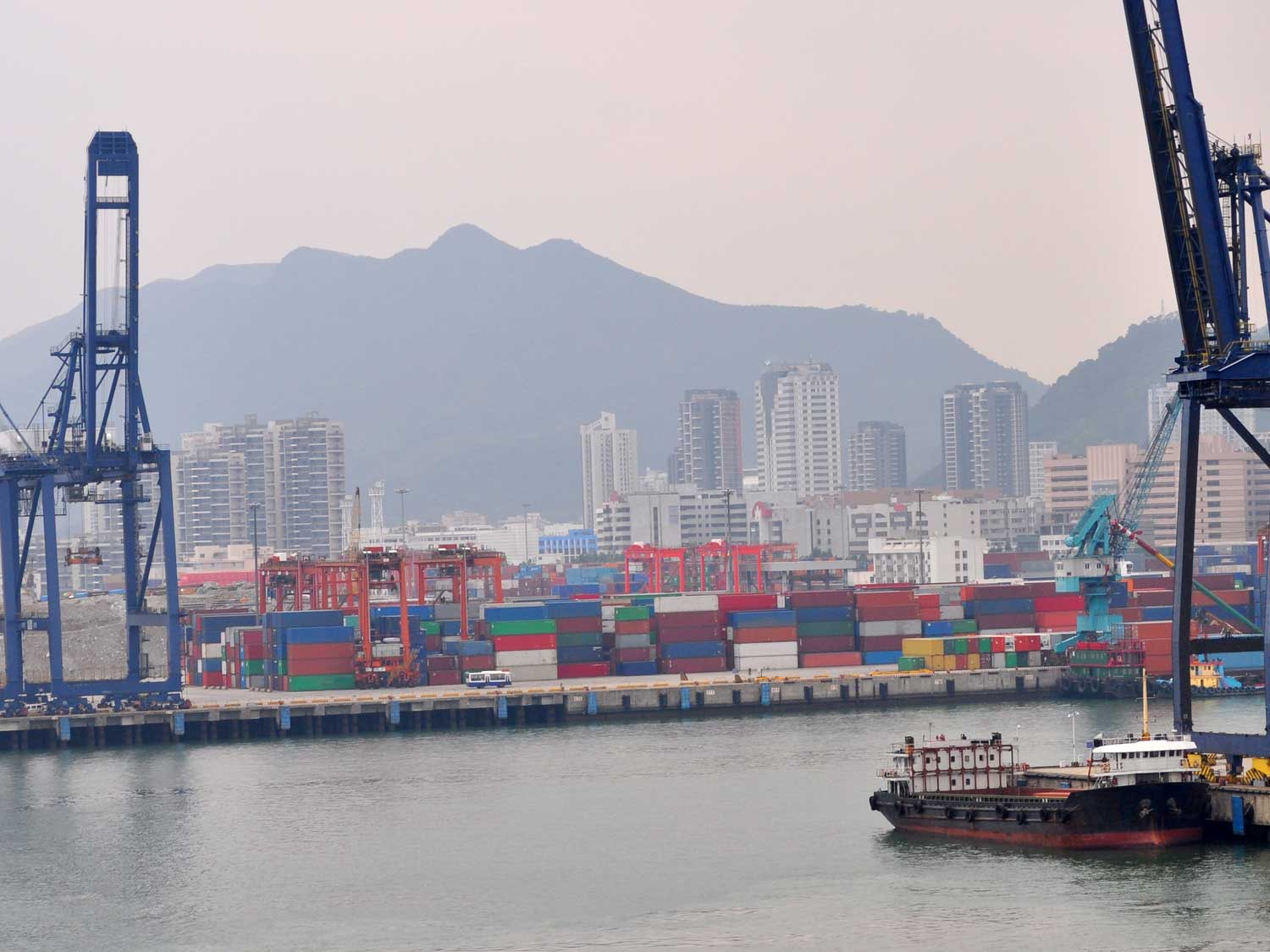
Queues of container ships outside major Chinese ports are lengthening, despite ports continuing to function normally - though with limited capacity - because many of the most profound problems lie on the landslide, with the strict Covid measures hampering trucking productivity, making it difficult to get cargo to and from the ports.

Vessel waiting times at Shenzhen terminals has grown longer, with an average wait of three to four days at Yantian International Container Terminal (YICT) and five to seven days at Shekou Container Terminal.

The spread of the highly-infectious Omicron variant this month has led to movement controls across China, which is debilitating transport operations and the ability of drivers to collect and deliver. So while ports remain open and vessels are continuing to dock, congestion is building up and some container ships are re-routing to avoid expected delays.

The current developments around Covid lockdowns in China and sanctions imposed on Russia is creating more supply chain uncertainty and congestion will go up as delays extend, which means we will work even harder to get our customers’ cargo moving around those obstacles.

Shenzhen city reopened on Sunday and while the Yantian container terminal continued operating throughout the lockdown, the impact on ocean freight is due to trucking restrictions when picking up from outside Shenzhen, or in a locked-down area.

Even with ports open, the lack of terminal handling staff and expected trucking delays are compelling some carriers to skip calls, or accept they will keep vessels waiting.

Maersk will skip calls at Shenzhen on three sailings later this week after the port imposed restrictions on cargo exports to limit congestion in the container yards at its western terminals.

Trucking capacity between Shenzhen and nearby cities is estimated to have dropped by 20%, or even more in some regions, due to the need for drivers to produce a negative test, which means longer delivery times and a possible rise in transport costs such as a detour fee or a highway fee.

Cross-border trucks between Shenzhen and Hong Kong are also affected, with capacity dropping by at least 70% as authorities impose tougher quarantine and testing requirements on drivers, with long waiting times, leading to transport by ocean to overcome the limited truck capacity. 

In Qingdao, terminals are still operating, but port productivity has dropped due to tightened coronavirus measures, with more than 70 vessels waiting to berth, double the number in February.

In Shanghai, which was said to be on the brink of lockdown and already imposed restrictions on passenger flights, warehouses and terminals operate as normal, but require the driver to be tested within 48 hours before delivery which is limiting trucking capacity and caused some shipments to be moved out of Ningbo.

Meanwhile, there have been reports of lengthening ship queues outside Chinese ports, with 262 vessels waiting outside Shanghai and Ningbo, up from 243 last week.

Supply chains have never faced so many challenges and with local conditions changing rapidly it is critical that you have the support of dependable partners. 

Metro will always share the latest news and most important developments, providing you with the best alternatives and options, to keep your supply chain optimised. 

For further information and to discuss your ongoing requirements please contact Elliot Carlile.

We continue to monitor the situation daily, which is very fluid, to update our advisory…….please look out for our announcements, or speak with your Metro account manager for the latest information.

Shenzhen lockdown

China lockdowns impact on logistics

Following their seven-day lockdown, Shenzhen has reopened for business, but it could take weeks for cargo flows to recover, with vessels queuing and Yantian port throughput down 40%, amid concerns that COVID surges in other regions will affect supply chains, as strict controls, restrictions on inland transport, extensive testing and lockdowns has ramifications on supply chain operations.

With a third of the world's manufacturing capacity based in China, supply chain disruption is a really big deal, particularly so in Shenzhen, which is home to major tech manufacturers and half of China's eCommerce exporters.

So, when Shenzhen went into lockdown last week after a massive surge in Covid cases (by Chinese authority standards) , it sent shockwaves through supply chains, with restrictions since widening to major provinces like Shanghai, Jilin and Guangzhou.

The number of ships waiting at Chinese ports has risen, with 34 vessels waiting outside Yantian (compared to an average of seven a year ago), which is the same port which closed due to COVID, causing major delivery delays over Christmas.

Maersk has forecast that vessel waiting times will increase in Shenzhen and that COVID flare-ups will cause port pressures at key gateways including Qingdao, Shanghai and Ningbo.

The new COVID control measures come at a time when manufacturing was just starting to recover after the Chinese Lunar New Year holidays, but while China's Covid measures are drastic, most don't last too long, which means short-term disruptions but then, things get back to normal relatively quickly.

President Xi Jinping affirmed just last week that China would stick to its zero-COVID policy, but he also emphasised that pandemic measures should not cause economic pain.

If China continues with its zero or close-to-zero COVID strategy (very likely for various reasons), it may be China's economy and the global consumers it supplies, who will feel the real pain.

Ocean carriers are assessing the impact of the muted CNY/COVID-lockdown throughput and are considering whether to hold ships or blank sailings until they can achieve full load factors. Many already are and have announced changes to schedules, in essence withdrawing and restricting supply.

The lines simply don’t want to sail ships that are only partially full from China, when they know there is cargo held back in the system, that will be released as production, warehouse and trucking operations return to normal.

There have been more than 7,000 COVID cases in China, in the first two weeks of March, which is the biggest surge since the start of the pandemic and with more lockdowns and restrictions likely, the disruption to trucking and freight infrastructure will increase delays in despatching cargo by air and sea.

The southern Chinese manufacturing hub of Dongguan has imposed strict COVID control measures and many businesses have been ordered to suspend operations or operate at a reduced capacity, whileChina’s largest city, Shanghai, has shut schools and public parks, with people told to work from home, while warehouses and terminals operate as normal.

Reduced land-side trucking capacity is expected to continue at all main ports, due to the current pandemic-safe operating regime, with long waiting times for control and restrictions for travel, effectively reducing the capacity available for cargo collections and deliveries.

The remote working of many companies is impacting operating capacity, effectiveness and the speed of communication, which means factories may not meet planned delivery schedules, which is why we recommend checking with your vendors, to clarify the status of your orders.

Metro’s cloud-based supply chain management platform, MVT, simplifies the most demanding global trading regimes, by making every milestone and participant in the supply chain transparent and controllable.

With end-to-end visibility across the extended supply network and global control down to individual SKU level, it is simple to adapt to external developments. Changing supply lines, managing existing or adding new vendors, monitoring product flows and outbound order data, from any location.

To discuss how our technology could support your supply chain, please contact Simon George our Technical Solutions Director or Elliot Carlile.
PPE controls drive China air rates even higher

NEWSFLASH: China lockdowns and supply chain latest

Earlier today authorities in Langfang, which borders Beijing and Dongguan in the southern province of Guangdong imposed immediate seven-day lockdowns, joining Shenzhen, which started a seven day lockdown on Sunday, while the entire province of Jilin has been placed in complete lockdown and Hong Kong restrictions are continuing, as China’s COVID cases jump.

COVID cases doubled in the past 24 hours across the nation with attention turning to Shanghai, where Shanghai Pudong (PVG) Airport has been closed to inbound passenger flights and 106 diverted to 13 other cities, which will continue for six weeks, in a bid to stop the spread of COVID cases.

Shenzhen announced new COVID restrictions on Sunday, with a lockdown for the next seven days and non-essential workers staying at home. Adults must undergo three PCR tests in the coming days, and buses and subway trains are being halted. 

Our network office in Shenzhen will be closed this week, with staff working from home.

Foxconn, which manufactures iPhones for Apple, stopped its operations in Shenzhen on Monday, saying the date of resumption would "be advised by the local government".

Toyota, shut its factory in in Jilin province, but did not give a timeline for when business would resume and Volkswagen shuttered operations in Changchun and hoped to reopen its factory on Thursday.

Local governments are making special measurements and arrangements, so that imports and exports are not inhibited. The airport is operating normally, though with reduced staffing levels and flights are being cancelled or redirected to other airports.

Customs and trucking services are operating normally although there are restrictions on where they can travel due to the movement of drivers, and while we have not yet been advised of any official limitations to Yantian Port, the offices of carriers in Yantian are closed and low operating efficiency is expected.

Until now, shipping lines in Hong Kong have largely been operating as usual, but the suspension of flights from Australia, Canada, France, India, Pakistan, the Philippines, Nepal, the USA and UK will be extended until the 20th April.

Hong Kong Air Cargo Terminal is operating under increased pressure, due to a reduced workforce of about 30%, while trucking services to Hong Kong via the Shenzhen border have been suspended and the alternative of using feeder vessels to Hong Kong incurring cost and transit time. 

China regional round-up

Guangdong - There are some backlogs and delays at the airport.

Nanjing - Nucleic acid test are required to enter. Otherwise situation is largely normal.

Ningbo - Normal operations for transport, offices and factories.

Qingdao - Air and ocean are operating as normal, but there is limited capacity at the port terminal, due to restricted worker numbers. 

Shanghai - High-risk areas are in lockdown, but there is no complete lockdown of the city. Air cargo and charter flights are operating, but the decisions to close Shanghai Pudong airport to inbound passenger flights will reduce capacity and put pressure on rates. Trucking services and ocean are operating.

Xiamen - Normal operations for transport, offices and factories

Some areas including Hangzhou, Wenzhou, Jiaxing have local measures in place, with factories and community closures based on local conditions.

Yantai, Weihai and Zibo have been locked down, which means trucking services cannot be provided to these cities and also means some drivers may not be happy to go to Qingdao.

Despite the challenging situation in many regions, we work closely with our network partners, carriers and own offices across China, to monitor the situation and find solutions for our customers, including time-sensitive shipments.

The situation continues to unravel daily and we will keep you advised as new announcements are made and market intel is received from our colleagues in China. It is expected further lockdowns will be applied and stay at home orders given to workers over coming days. We are monitoring closely and will advise if shipping lines, airlines or inland transport become affected and schedules are delayed.

We maintain long-term contracts with airlines, carriers and shipping lines that secure space and rates, to provide the best alternatives and options, whatever the situation.

coronavirus4

China’s continued zero-Covid challenge for supply chains

The lockdowns and restrictions that China’s zero-Covid strategy risk, may create greater disruption than earlier waves of the pandemic, threatening already stretched global supply chains.

Beijing’s strict zero-Covid policy has curbed local outbreaks with mass testing, snap lockdowns, vigilant surveillance and extensive quarantines, but new variants such as Omicron have seen outbreaks intensify since the autumn.

China is determined to prevent any further Omicron outbreaks, especially as it prepares to host the Winter Olympics next month. It has recently imposed restrictions to maintain its zero-Covid target, with a lockdown in the central city of Xi’an, mandatory testing in Tianjin and parts of Zhongshan, Zhuhai and manufacturing hubs close to Hong Kong. And these are just the incidents that are known and get reported. There will undoubtedly be greater influence and impact, from the invisible actions taken.

Meanwhile restrictions have been eased in Ningbo, home to the world’s third largest container port, which has been in partial lockdown for most of the opening days of 2022, making entry and exit far easier for truck drivers heading to the port’s five container terminals.

Chinese ports are being impacted by regional lockdowns, with the situation varying widely from port to port and carriers changing vessel rotations at short notice, to avoid badly impacted gateways. This evolving situation raises the potential of even further disturbance, to already delayed shipping line schedules, from the main China base ports.

The situation may be exacerbated in the coming weeks, as China enters the build-up to many seasonal factory closures during Chinese New Year and Ningbo is still clearing backlogs, with many shipments having to be re-routed to Shanghai, to meet mother vessels.

Hapag-Lloyd is omitting Ningbo on two of its Asia-Mediterranean services and reinstating the Shanghai call, even though Shanghai is already severely congested, with most vessels already delayed by around one week. Very early, on their voyages into Europe.

Supply chains can usually cope with short-term lockdowns, but added shutdowns over a few weeks cause significant problems and with Covid, the lunar new year holiday and the Olympics all coming together, risks are multiplied and magnified.

After the initial virus outbreak spread from Wuhan over the lunar new year in 2020, the Chinese government blocked transport, preventing migrant workers who had travelled over the holiday period from returning to their jobs and factories shut for several weeks.

The latest restrictions have already impacted multinational organisations, with reports of Volkswagen and Toyota shutting their Tianjin plants last week and Xi’an chipmaker Samsung unable to get staff to work because of the lockdown.

And infections may spread further after Beijing reported its first locally transmitted case of Omicron, just weeks before the opening of the Winter Olympics in the capital.

Analysts fear that if infections spread, manufacturers would be as badly hit as they were two years ago, with few companies having their supply chains outside China, because these are strategic issues, which take a lot of time to stabilise.

Rather than moving production entirely out of China, some companies are trying to build second suppliers in China, while seeking alternative sources for components, but few of these initiatives will have progressed, as geographic diversification is often complex to get in place.

Supply chains have never faced so many challenges and with the situation in China being so fluid and changing rapidly, it is more critical than ever that you have the support of dependable partners. 

Metro share the latest supply chain news and most important global developments, so that you are always informed about the best alternatives and options, to keep your supply chain optimised. 

For further information and to discuss your ongoing requirements please contact Elliot Carlile,  or your usual Metro account manager to discuss alternative routes to market and manufacturing facilities.