Sydney

Does Australia’s experience portend Brexit chaos

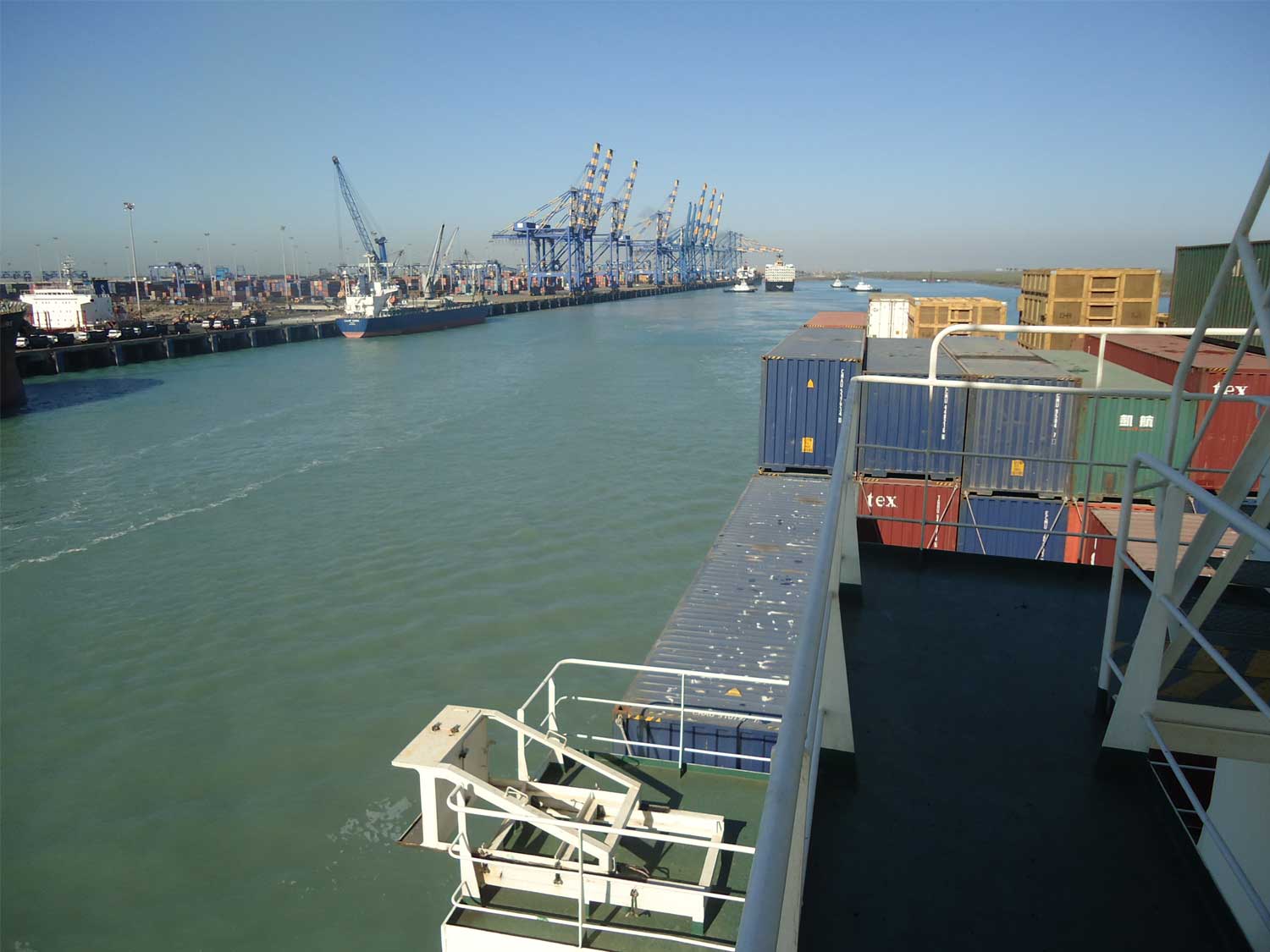
In a concerning parallel with post-Brexit customs systems, in 2005 the Australian government pushed through the implementation of an integrated customs system - without industry participation - crippling the country’s supply chains.

In 2005, the Australian government chose to ignore industry and push ahead with “ill-informed” changes, integrating import reporting, declaration and clearance systems into one, the Integrated Cargo System (ICS).

In an interview with The Loadstar, an executive bought in by the Australian government to get the cargo moving again said that “When I first saw the design, I said ‘this is crazy’.

“The government decided change could not be delayed and clearly underestimated their own system’s complexity. All links in the chain, stevedores to forwarders, had to supply matching information or cargo would not be released.”

There had not been time to test and update the systems. Customs authorities had conducted some very simple internal testing, but this did not replicate the pressure the system would be put under when fully operational.

The government picked “probably the worst possible time… right in the peak season” to make the switch, resulting in hundreds of thousands of sea and air freight consignments stranded when ICS crashed.

The roll-out was disastrous for Australian trade and the true cost will never be known; the claims process was so complex that shippers just wanted their cargo and to move on, whatever the cost.

The Loadstar source added that, for the UK, the likely post-Brexit scenario could be “far worse”, as the new customs procedures would be for both imports and exports, and involve traders who for decades have had the luxury of open borders.

The IT parallels are concerning and the UK public sector does not have a great record at IT roll-outs generally, as the most recent fiascos surrounding Universal Credit and the NHS’ Track & Trace app clearly demonstrate.

Of more concern is the shambolic roll-out of HMRC’s flagship Custom Declaration Service (CDS) which is replacing the aged CHIEF system and was meant to future-proof the nation post-Brexit.

Forwarders should have begun migrating to CDS in 2018, completing the transition early 2019. Two years after the migration should have started, only a small fraction have been moved completely and migration activity has slowed to almost stop.

So, instead of retiring gracefully in 2018, CHIEF will have to struggle on through 2021 and probably into 2022. And this is a system changeover that HMRC has been working on for years.

In the last few weeks and months HMRC has started development of critical post-Brexit platforms, GVMS and SmartFreight. The French finished their version of the former in the Summer and the latter is unlikely to be ready by the end of the year, with the beta version only anticipated for launch in mid-December.

The government’s response? Change the name of SmartFreight to “Check a Heavy Goods Vehicle is Ready to cross the Border Service”.

That’ll do it!
UK EU flags

Brexit Talks Resume

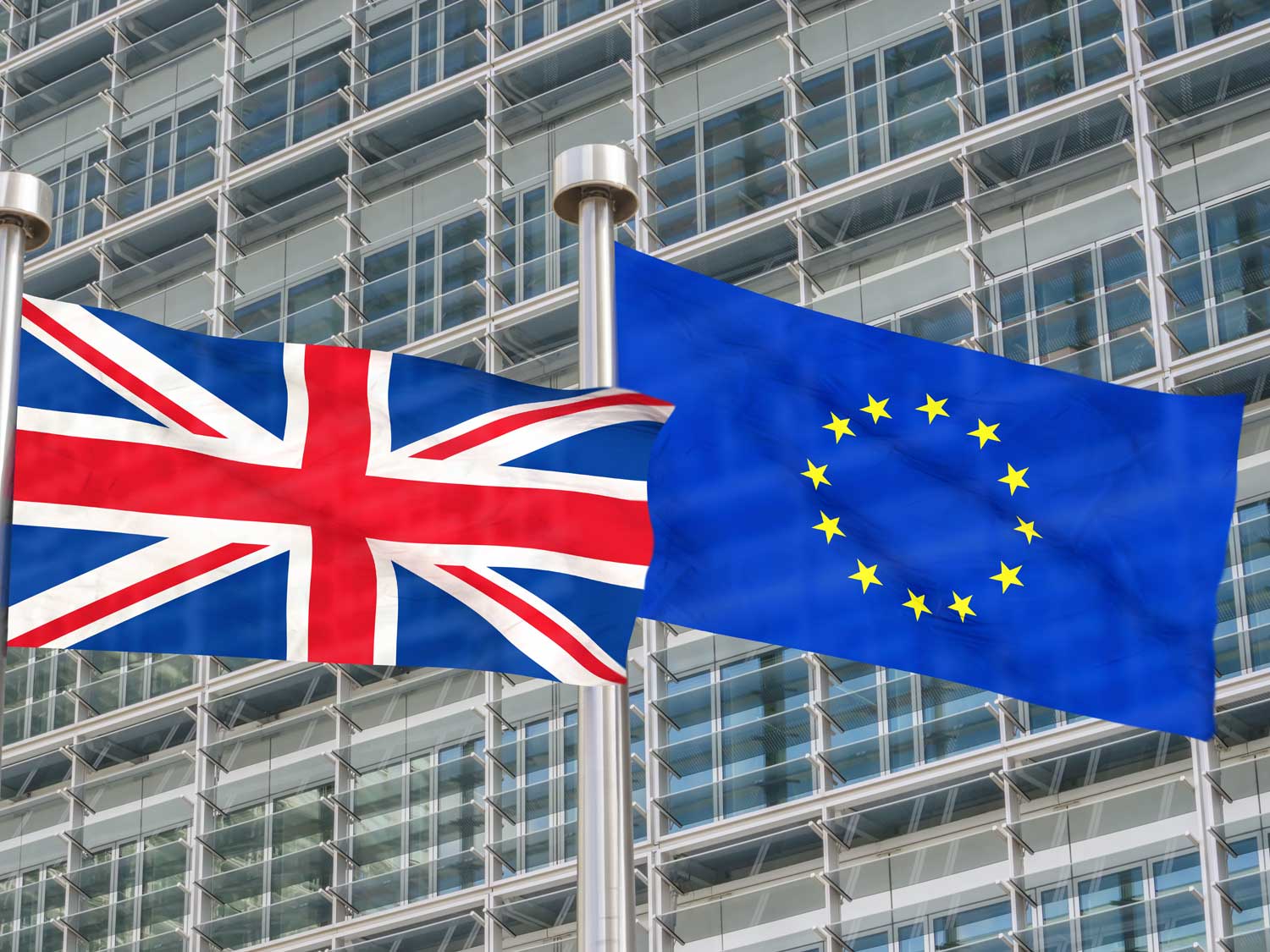
Brexit trade talks restarted last week in London, after both sides promised concessions and are today moving to Brussels, with observers hoping that both sides are edging closer to a deal. 

EU trade negotiators returned to London last Thursday to restart Brexit trade talks, after both sides promised to work “intensively” for a deal.

The EU team came to London to resume negotiations, with a jointly agreed set of principles for handling this intensified phase of talks.

Mr Barnier had “acknowledged the UK’s established red lines” and the British side acknowledged that it was “ready, with the EU, to see if it is possible to bridge them in intensive talks”.

A new set of “organising principles” for talks agreed by both sides says both parties have “agreed to intensify negotiations” and that discussions will take place across all subjects simultaneously – a key demand of the UK side.

Both sides will work on their own legal texts and try to find “areas of convergence” until they have a consolidated text on which they both agree, the new principles say.

European Commission president Ursula von der Leyen said there was “hard work needed” and “no time to lose”.

The “intensive talks” began in the afternoon on Thursday 22nd October in London and ran every day, until Tuesday’s potential breakthrough.

A European Commission spokesman said on Tuesday: "I can confirm that negotiations are ongoing in London right now, they will run until tomorrow and then they will take place here in Brussels, as of Thursday."

Lead negotiators Michel Barnier and Lord Frost are set to meet in the Belgian capital today, after a week of intensified talks in London. The Frenchman’s aides said both sides are “engaging intensively” in the hope of finding an agreement in the coming weeks. 

Brussels sources say the pair hope to have talks wrapped up by mid-November at the latest.

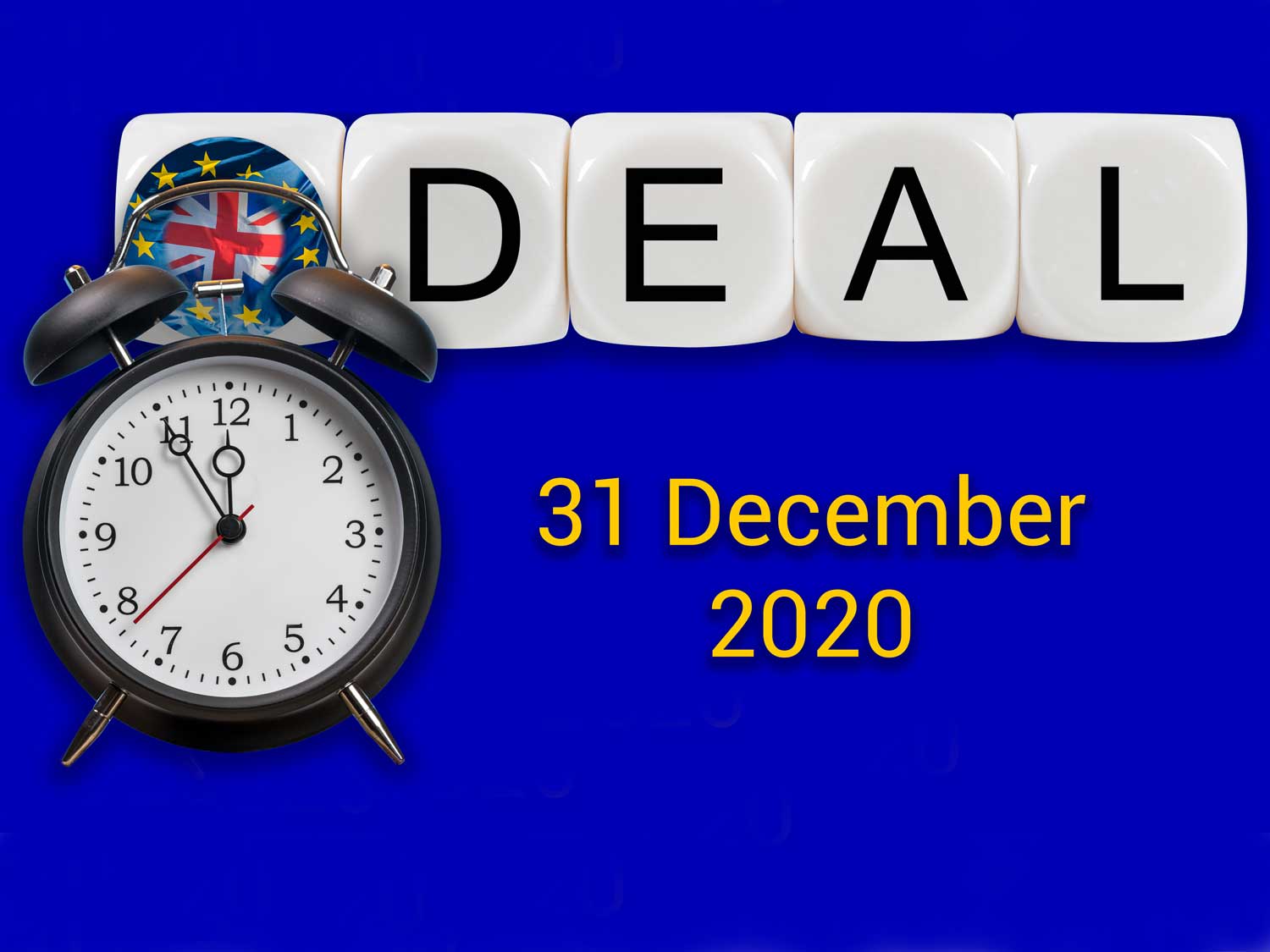
Although a trade deal would bring some reassurance and greater confidence for a future relationship and assist trading with European countries after 31st December it will not negate the need for customs entries on export and import of freight with EU members. In addition, other process and administrative requirements will be required and the logistics landscape with The EU will change drastically. 

Metro have focused on the quest of bespoke tailored and generic solutions in the new world we will see in 2021. For further information please contact our Brexit Task Team and speak with Andrew White or Jade Barrow with any questions or advice.

trade deal

Brexit politics round-up, 22nd October

After the bluffs, bravado and deadline dilution, the Brexit trade deal discussions are back on, after Michel Barnier made a statement in the European Parliament on Wednesday that both sides must be willing to compromise.

Talks had stalled last week, with Downing Street insisting there was no point in resuming discussions unless there was a change in stance from the EU's side. 

Mr Barnier had said the EU's door "remains open" following a call with the UK’s chief negotiator Lord Frost and added that "we should be making the most out of the little time left", but the government continued to call for a fundamental change" in the EU's approach before face-to-face talks continue.

Mr Barnier told the European Parliament that a deal was "within reach” and "we will seek the necessary compromises on both sides in order to do our utmost to reach an agreement and we will do so right up until the last day which it's possible to do so,”

Mr Barnier's speech is seen by as a "fundamental" shift in approach from Brussels, leading the two sides to agree a set of principles for an "intensified phase of talks".

The BBC reported that a European Commission spokesman stated that it was "pretty obvious" both sides would need to compromise in order for a deal to be done. 

Yet statements had suggested just the opposite, with EU leaders calling on the UK to "make the necessary moves" at a Brussels summit last week and No.10 stating that the EU would need to show talks could be a "genuine negotiation rather than one side being expected to make all of the moves”.

On a conference call with trade bodies and bosses from 250 leading companies on Tuesday, Cabinet Minister Mr Gove and Prime Minister Boris Johnson warned them to prepare for a possible no-deal end to talks with the European Union.

Mr Gove described Brexit as being "like moving house, it’s a hassle at first but you are upgrading”.

One call attendee said "The idea is that no-deal preparations are in businesses’ court now”, amid growing fears that the Government will seek to blame any disruption to trade on companies' failure to prepare”.

In the latest developments the Pound jumped more than 0.8% against the U.S. dollar earlier on Wednesday after Michel Barnier said that a trade deal with the U.K. is still possible.

So, less than a week since Boris Johnson called off Brexit talks, Michel Barmier and David Frost will be returning to formal talks, scheduled for the end of the week.

It's a win for the government who wanted a signal the EU was willing to make concessions,  but the key sticking points remain: including state aid, governance and the pre-eminent fishing issue, which is so symbolic to the French and British.

The EU may be back at the table, but that won't stop the French president playing hard ball again. The French have said "non" before and with President Macron accused of using the issue to boost his domestic standing, rather than make a deal, he may say “non” again.

For more information, contact Jade Barrow or Andrew White who are leading our Brexit Task Force team.

Solutions small 3

Updated Border Operating Model

On the 8th October 2020, the UK Government released a comprehensive update to its Border Operating Model that will be effective from 22:59 GMT 31st December 2020. 

On 31st December 2020 the UK will leave the EU’s Single Market and Customs Union, resulting in new customs declarations, regardless of whether a deal is agreed.

The Border Operating Model sets out the changes and new obligations that UK importers and exporters must comply with, when trading with the EU.

All businesses moving goods between the EU, Great Britain and Northern Ireland need to engage with the relevant sections of the Border Operating Model guidance to understand the impact to their flows and how they should prepare for Brexit. 

Under the “core model”, from January traders importing goods will need an Economic Operator Registration and Identification (EORI) number, the Commodity Code of their goods, and the customs value of goods. There will be additional requirements on some commodities.

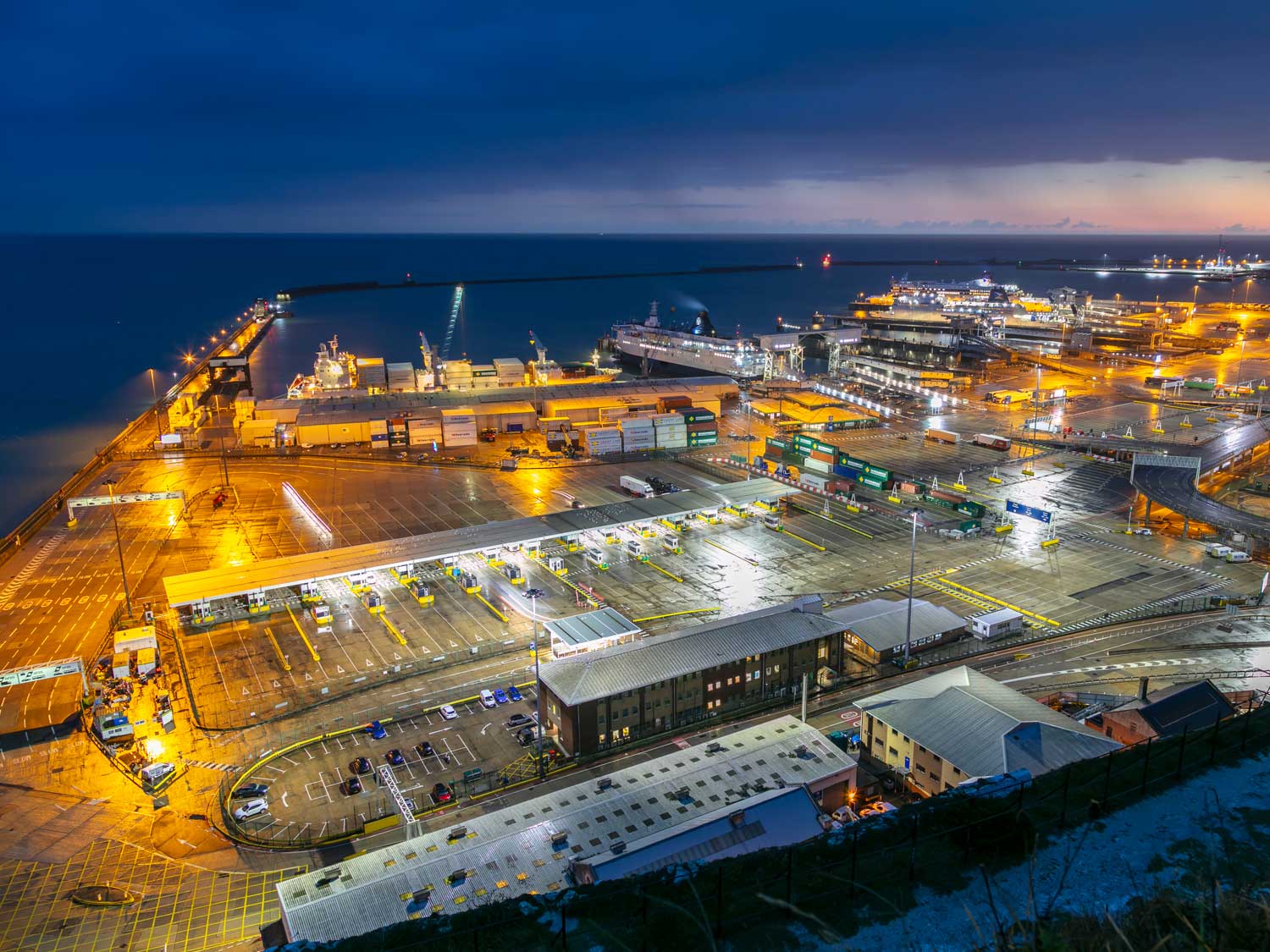
There is also a requirement that all outbound HGV drivers taking goods from the UK to the EU using the Short Straits crossing will need a Kent Access Permit to use roads such as the M20.

Richard Burnett, chief executive of the Road Haulage Association, said: “The message is clear – if the paperwork’s not right, the goods won’t cross.”

There are some simplifications to ‘standard-goods’ import and export procedures such as postponed import VAT accounting and easier access to customs special procedures such as Inward Processing Relief and Customs Warehousing, used for processing goods in the UK and the longer term storage of goods for call off/consignment stock. 

This presents opportunities for businesses wishing to operate in the UK, to utilise VAT and duty simplifications, before moving goods onward to the EU.

The first version of the the Border Operating Model, released in July introduced the staged importing process, the ‘light touch’ regime, that would apply over three stages on 1st January, 1st April and 1st July 2020.

On 8th October 2020, the Government released the revised Border Operating Model which now provides further detail and clarification on the practical steps to be taken.

  • It is now clear that for most importers a standard customs declaration will be the preferred method for clearing goods and discharging HMRC liabilities
  • For imports moving into IPR/Customs Warehousing, or another regime - and for those without documentation - a simplified frontier declaration using our CFSP authorisation will be the route
  • Further detail on the delayed (light touch) customs declarations under Entry in Declarants Records (EIDR) make it clear this will only really benefit volume importers of dutiable products, as VAT must still be accounted for on periodic return 
  • Further information on postponed import VAT accounting and availability to importers of standard goods
  • Explanation on moving goods using the Common Transit Convention (Transit) and using the new Goods Vehicle Movement Service

The Border Operating Model document is a live document and may be subject to further updates at any time. In addition, it is likely that there will be further policy and regulatory updates which impact the Border Operating Model.

For more information please contact Jade Barrow or Andrew White who are leading our Brexit Task Force team.