Emirates increase service

More carriers select our Birmingham hub airport

We are pleased to see key carrier partners, Emirates, Qatar and Saudia commit more flights, with air freight capability, directly to our Birmingham Airport hub, from key Middle East and Asia origins.

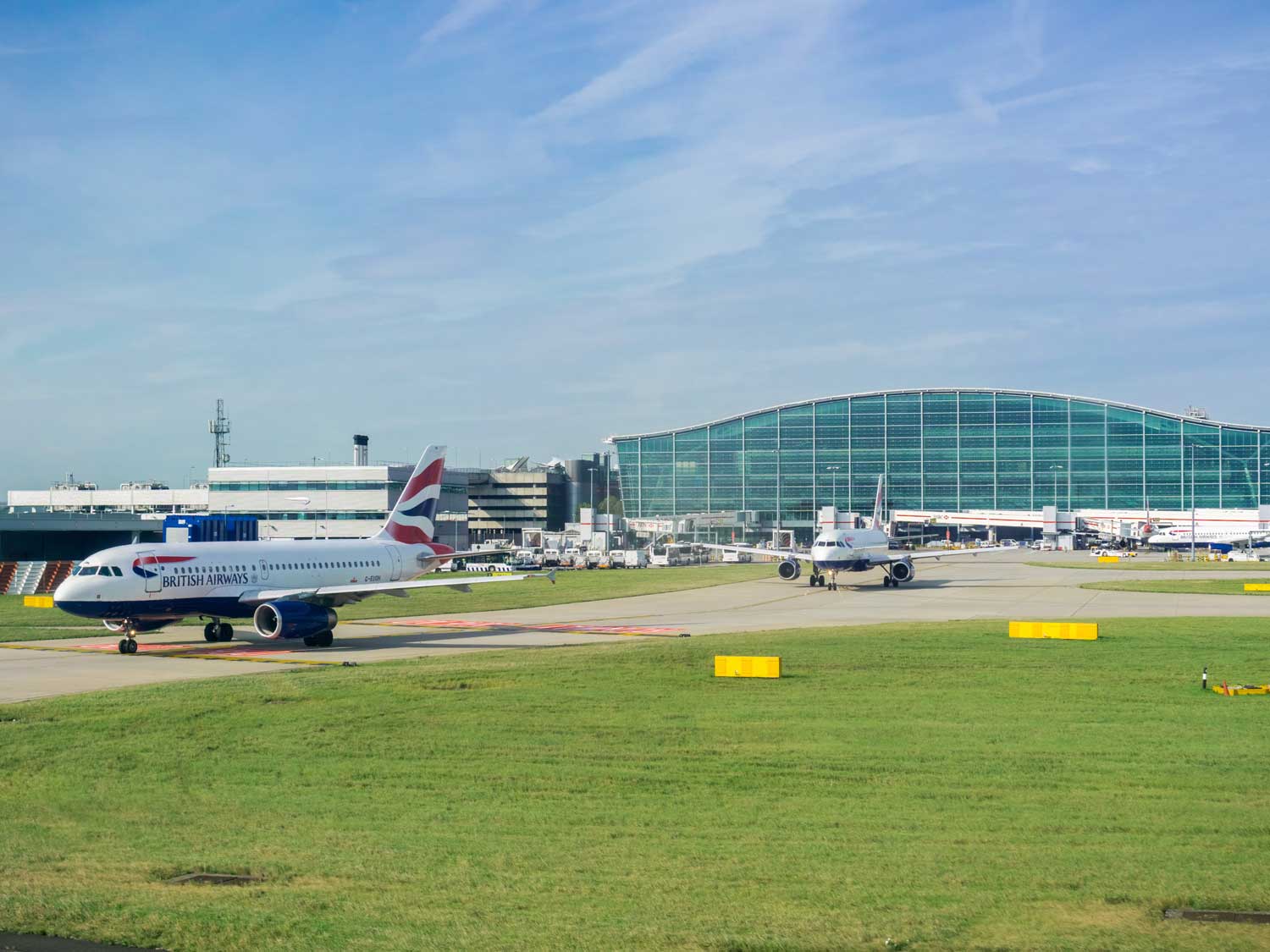
Birmingham International Airport (BHX), has underlined again its critical importance as our air cargo hub and the global gateway of the Midlands, with three major Middle Eastern airlines forging new partnerships and enhancing the airport’s connectivity to the region.

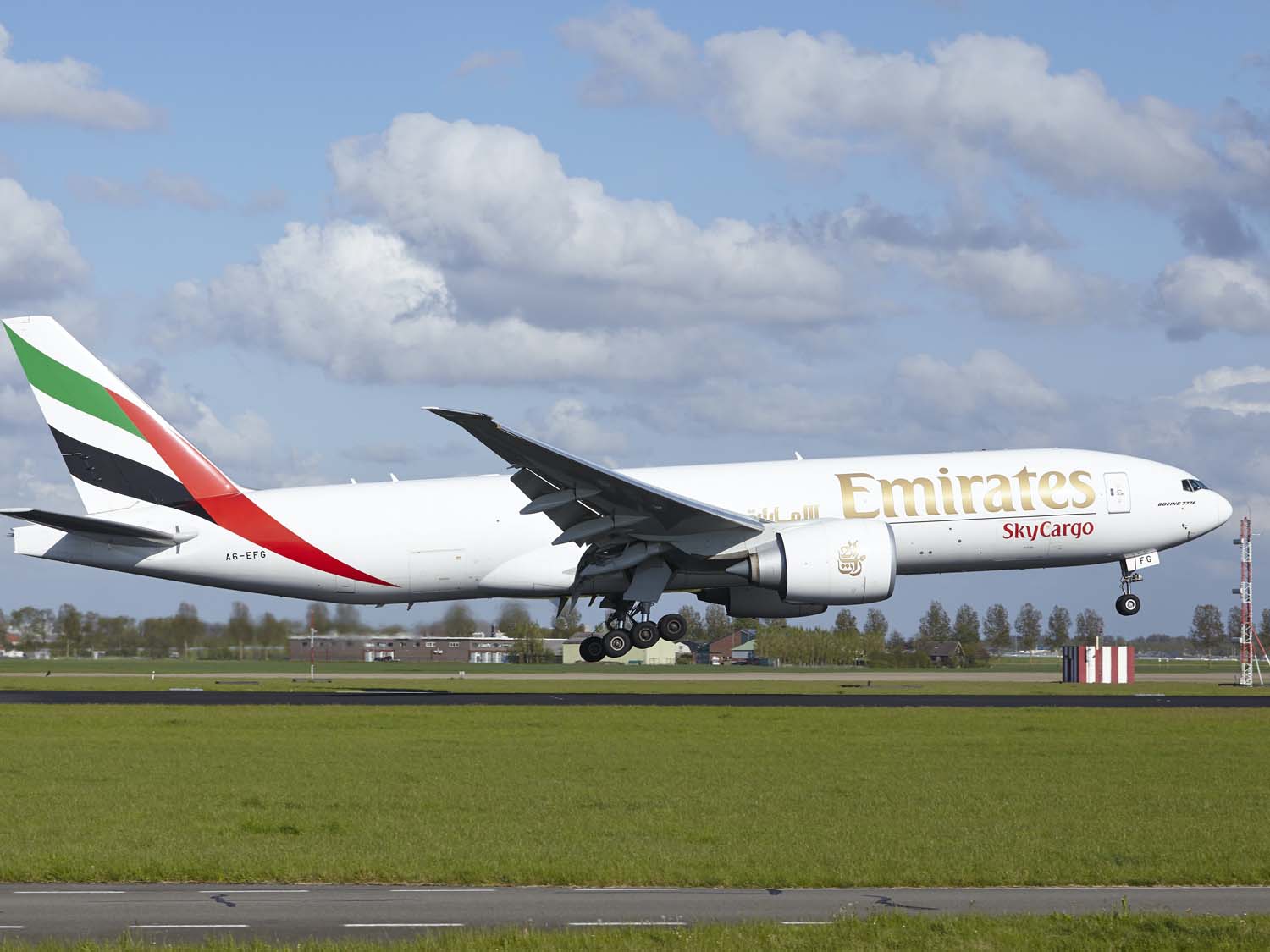
On the 1st July, Emirates (EK) reintroduced its iconic A380 ‘superjumbo’ to Birmingham, bolstering capacity on its popular twice-daily Dubai service.

The next day, Saudia (SV), the flag carrier of Saudi Arabia, commenced thrice-weekly flights to and from Jeddah, with Qatar Airways (QR) returning to Birmingham Airport after a three-year absence on the 6th July, launching daily services to Doha.

Andy Street, the Mayor of the West Midlands, hailed the return of Qatar Airways, along with Emirates and Saudia’s expanded services, as a substantial economic boost for the region, which has the strongest foreign direct investment and job creation performance outside London and the Southeast.

Birmingham Airport plays a pivotal role in the economy of the West Midlands. In 2022, its economic contribution, measured by gross value added (GVA), stood at £1.5 billion, supporting 30,900 jobs directly and indirectly.

BHX forecasts annual customer numbers to reach 18 million by 2033, with a projected GVA of £2.1 billion and supporting 34,400 jobs.

The continued support of Qatar Airways, Emirates, and Saudia demonstrate the confidence of these global airlines in the region’s potential, the Birmingham gateway and the cargoes they carry for UK importers and exporters.

The scale and efficiency of the airport and cargo handling operations at Birmingham, together with with our long-standing strategic partnerships with these operators, enables us to process and collect cargo very quickly after aircraft arrival, avoiding the delays and congestion experienced in peak periods at other UK hubs.

Selecting Birmingham International, the UK’s fastest-growing airport, as our central air freight hub, was the natural choice for four key reasons: proximity to major clients and manufacturing regions; speed of first/final mile logistics; access to key carrier partners and growing services; and proximity 90% of the UK population within a few hours drive.

For further information on our air freight and BHX gateway solutions please EMAIL Elliot Carlile.

Picket

The shipper’s new normal

The rapidity of the collapse in air and sea freight rates has given carriers the same level of trauma and shock experienced by shippers when freight rates exploded in  2021 and while the turnabout in the market was anticipated, its intensity and extent is far greater than expected, with shippers very much back in the driver’s seat.

The pandemic triggered supply chain disruptions of the last few years were particularly profound and far outside anything we might expect and while we should not expect new challenges or disruptions to have anything like that impact again, there will always be competitive pressure in the market, that will create capacity issues and rate fluctuations.

Many commentators describe the return of ocean freight rates to pre-pandemic levels as a ‘return to normal’ but 2019, which is often taken as a reference year, was a bad year for shipping company results on East-West routes and carriers’ operating costs have increased by about 30%.

A real ‘return to normal’ would require a return to schedule reliability, normal sailing speeds and freight rates at sustainable levels, to support long-term planning.

None of these three conditions currently applies on the major trade lanes and therefore, it is, incorrect to talk about a return to normal, in these terms. 

And it is important to keep in mind that a normal freight market is not the same as a global shipping market with no changes or disruptions.

There will always be challenges and operational disruptions. 

In the United States, we may have avoided strike action on the US West Coast (subject to ratification), but labour negotiations in Vancouver have failed to avert an ILWU Canada strike, which began on the 1st July, with no end date announced and a drought on the Panama Canal has been impacting container vessels transiting to the US East Coast. 

Just as operational disruption will manifest anywhere, at any time, there is always a point in global supply chains that is being impacted by adverse weather conditions, such as storms or fog. 

It may not feel like it, but all things considered, the markets are much more normal and maybe this will be as good as it gets for the short-term.

It is because businesses need to thrive against this backdrop of a complex supply chain environment that our MVT platform provides end-to-end visibility, with purchase order management and transparency of inventory throughout the supply chain.

Synchronising inventory across all transport modes and locations, with accurate real-time dashboards and reports, MVT provides supply chain executives with the data they need to assess and react to operational challenges.

Please EMAIL our Chief Commercial Officer, Andy Smith, for ‘normal’ insights and intelligence.

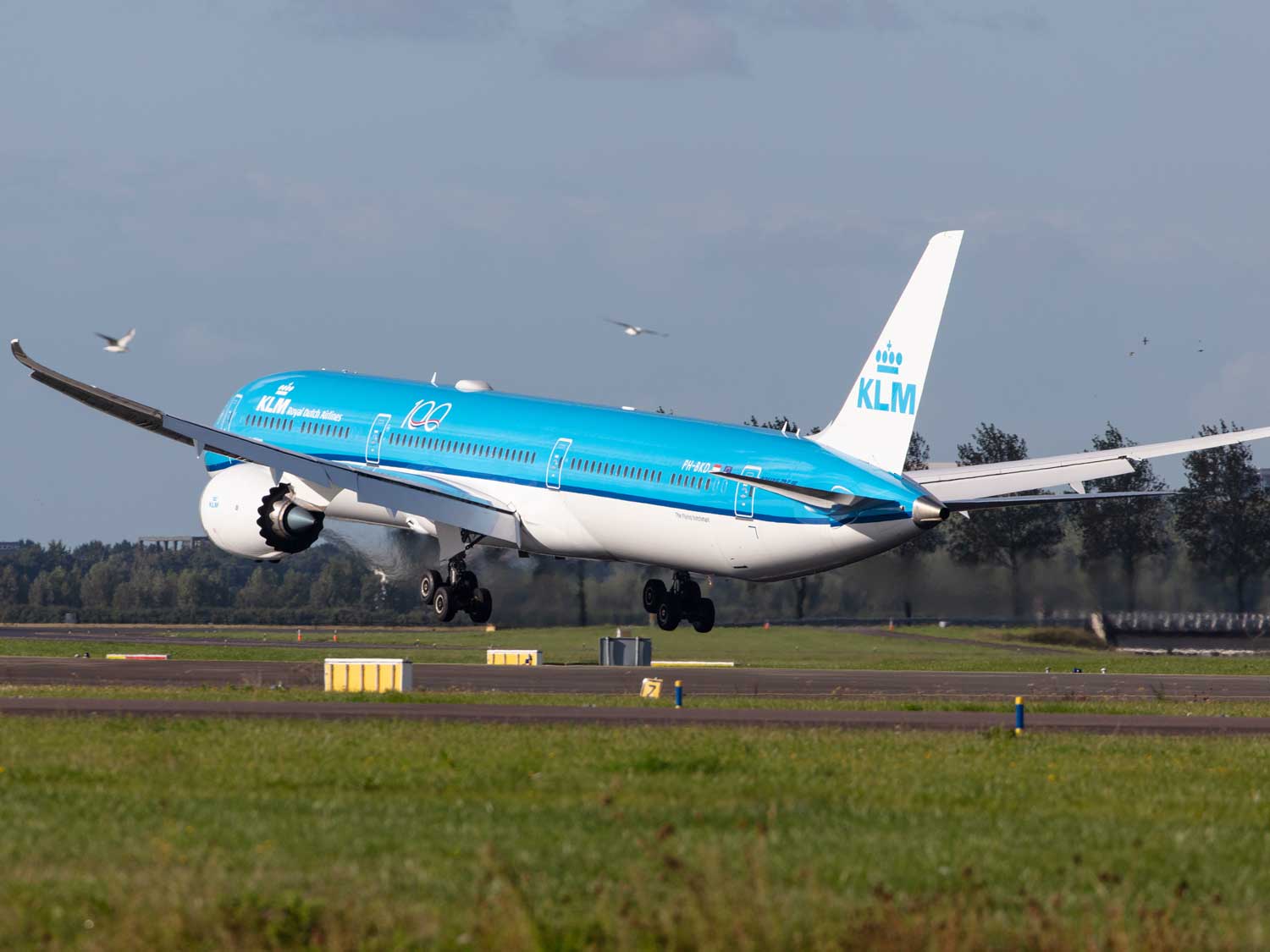
KLM Boeing 787 10 Dreamliner

Metro support successful sustainable flight challenge

Having joined the Air France KLM Martinair Cargo Sustainable Aviation Fuel (SAF) programme in December, we are extremely pleased to support their second sustainable flight challenge, which will generate new insights in accelerating the transition to a more sustainable airline industry.

On the 17th May KLM operated a Boeing 787-10 Dreamliner flight from Amsterdam to Los Angeles and on the 23rd May Air France embarked an Airbus A350-900 from Paris to Atlanta, with both flights carrying Metro client cargo in the most sustainable manner possible.

The Sustainable Flight Challenge seeks new ways to make flying more sustainable, under the SkyTeam alliance umbrella, to encourage member airlines and partners to take part. 

The first Sustainable Flight Challenge was organised in 2022, with 17 of the 19 affiliated SkyTeam airlines operate the most sustainable flight possible. 

This year’s sustainable flight challenge will see 24 affiliated and non-affiliated partner airlines joining the Challenge to conduct flights in the most sustainable manner possible. 

All of the knowledge and insight acquired will be shared with the stakeholders, fostering cooperation and enabling the entire industry to work together towards creating a more sustainable future.

In addition to using Sustainable Aviation Fuel, the KLM and Air France flights implemented a variety of initiatives to boost sustainability, which is of critical importance to our participating, automotive brand customers.

Optimise cargo load
The position of the centre of load gravity has a direct impact on fuel consumption, which means that effective cargo load planning reduces overall aircraft weight, because less fuel is carried, which further reduces emissions.

HVO Trucks
Hydro-treated Vegetable Oil (HVO) fuel reduces carbon footprint.

Sustainable cargo operations
Paperless handling (eAWB), with electric transport in the warehouse and electric tractors to transport cargo to the aircraft.

Weight reduction
Cargo operations use lightweight nets, cardboard board cases, cardboard beams, lightweight unit load devices (ULD), and re-usable covers for cargo pallets.

Eco paperboard pallets
Using cardboard pallets instead of wooden ones generates weight savings of 5 to 8 kilograms per pallet. The pallets are made from recycled paper (94%) and are easy to recycle.

Running the individual elements through the MVT ECO module shows that Flight One to Los Angeles achieved a 37.2% reduction in CO2, while Flight Two to Atlanta achieved a 37.5% reduction in CO2.

Metro is achieving CO2 neutrality by measuring, reporting and offsetting our CO2 emissions and the same ECO technology we use is available ‘free of charge’ to our customers.

The ‘free of charge’ ECO module, that sits in our MVT supply chain platform, monitors the energy emissions, emission costs and CO2 equivalent emissions, of every Metro consignment, by every mode, globally.

To request a demo or discuss your requirements, please EMAIL Simon George, who can outline our proven carbon reduction strategies and the availability of offset projects.

LHR terminal 5

New LHR Constant Climate Quality Centre

IAG Cargo has opened its new cargo handling facility, ‘New Premia’ at London Heathrow, which will double its capacity for time and temperature-sensitive consignments, with new IT systems and systems integration to regulate freight movements and a temperature-controlled Constant Climate Quality Centre.

The semi-automated facility of over 10,000m2 will handle more than double the amount of premium shipments, with 29 dedicated temperature-controlled chambers, in a Good Distribution Practice (GDP) certified facility, with a WDA licence issued by the UK Medicines & Healthcare Regulatory Agency. 

Metro’s airfreight teams in Birmingham and Heathrow work closely with the centre’s experts, with shipments loaded onto dedicated airside docks and served by a specialist fleet of refrigerated trucks in order to protect foodstuff, pharmaceutical and life-science products, from the cargo terminal to loading onto aircraft.

Constant Climate is IAG Cargo’s state-of-the-art cold chain product, specially designed for precision management of time and temperature sensitive products, with a dedicated team who handle bookings, advise on packaging solutions and ensure shipments meet the strictest of regulatory standards.

The ‘New Premia’ facility has been designed to handle more cargo as efficiently as possible, with 11 new land-side doors to speed up cargo collection and drop off. 

The temperature-controlled building includes a state-of-the-art Constant Climate Quality Centre (CCQC), with 29 dedicated cool cells and temperature facilities available from +2°C to +8°C (COL), +15°C to +25°C (CRT) and -20°C (FRO) ensuring sensitive shipments are held in a temperature-controlled environment at all times.

Operationally, four large ‘transfer vehicles’ pass through rapid-rise doors allowing cargo to be moved autonomously through the facility and into storage in advance of collection and delivery to the aircraft for exports and similarly the process works in reverse for imports.

Grand Liddell, Metro Managing Director, said. “We welcome the opening of IAG Cargo’s ‘New Premia’ and the addition of critical cargo handling capability at London Heathrow. The efficiencies it offers our time and temperature-sensitive shipments are significant and the benefits for our customers and operational teams in optimising the safe handling and movement of cargo could be huge.”

While our Heathrow team continue to handle increasing temperature-sensitive volumes, we use regional airports – and particularly our Birmingham hub – when it will benefit our customers, ensuring that strict handing requirements and timelines are met.

We find solutions for every critical shipment. EMAIL Elliot Carlile to discuss your situation and requirements, and we will present the best resolutions for your consignments to be in the right place at the right time, and at the right price.