Supply-chain leaders meeting in London have highlighted a significant shift in priorities, as resilience, visibility and flexibility move from operational concerns to strategic business requirements.
Recent years have tested international supply chains through pandemic disruption, port congestion, geopolitical conflict, Red Sea diversions, changing trade policies and extreme weather.
But one of the clearest messages from Supply Chain LIVE: The London Summit 2026 was that businesses are moving beyond reacting to individual disruptions and increasingly designing supply chains that expect change.
Some 2,500 attendees gathered at London's QEII Centre, with discussions spanning resilience, artificial intelligence, sustainability, global trade and supply-chain orchestration.
Contributions from senior executives at Siemens, Tate & Lyle, Babcock International, Kongsberg Maritime and other organisations highlighted how supply-chain management is evolving from an operational function into a strategic business capability.
Supply chain has become a boardroom issue
Supply-chain management was once primarily judged through operational measures: cost, inventory, lead time and service. Those measures remain important, but supply-chain decisions now have wider commercial implications.
Availability can determine whether production continues. Sourcing decisions influence exposure to geopolitical and tariff risks. Transport costs affect margins, while sustainability performance increasingly depends on information from suppliers and logistics networks.
Speaking about supply chain as a strategic growth engine, Tate & Lyle's Chief Supply Chain Officer, Kim Faulkner, emphasised the importance of looking beyond operational metrics to understand the wider business outcomes they enable.
Similarly, discussions on global trade and logistics highlighted how business continuity and strategic decision-making have brought supply chain into the boardroom.
That reflects what Metro is seeing across international freight.
Businesses are no longer asking only how cheaply or quickly goods can move. They are considering what happens when a preferred route, carrier, supplier or transport mode becomes unavailable.
Resilience increasingly means having options
Recent disruption has demonstrated how quickly established transport patterns can change.
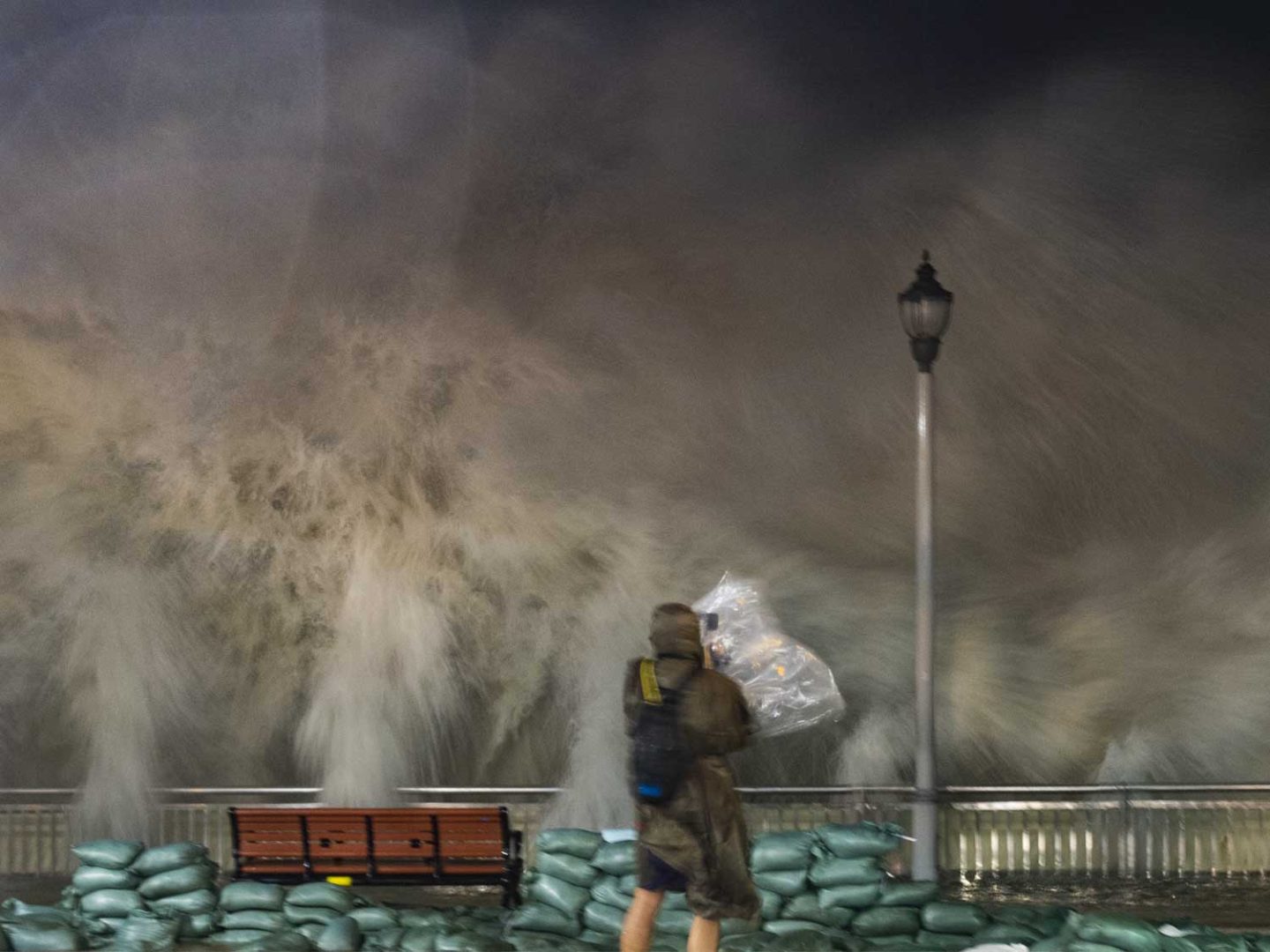
Red Sea diversions have absorbed significant container capacity, while Asian weather disruption and port congestion have affected vessel schedules and reduced effective capacity across shipping networks.
The result is an important distinction between capacity that theoretically exists and capacity actually available when and where shippers need it.
During the summit's discussion on supply-chain risk and resilience, Babcock International's Ewan Sime observed that many risks are not necessarily new, but the ways they emerge and affect businesses are changing.
This reinforces the need to prepare for different outcomes rather than attempt to predict every disruption.
Building resilience does not necessarily mean maintaining expensive inventory buffers or accepting permanently higher logistics costs.
It means creating alternatives before they become necessary.
Different carriers and gateways can provide options when services are disrupted. Consolidation can offer alternative routes to market, while airfreight can protect urgent shipments when ocean schedules become unreliable. Road, rail and multimodal solutions provide further flexibility.
More efficient routing, better utilisation and consolidation can also reduce unnecessary movements, supporting sustainability objectives while improving operational performance.
The challenge is identifying and developing these options before disruption occurs, rather than searching for solutions when capacity is already constrained.
Visibility has to lead to action
Technology featured prominently throughout the London summit, particularly artificial intelligence and supply-chain orchestration.
AI can process information faster, digital platforms improve visibility, and automation removes repetitive processes. But knowing where cargo is located is only the beginning.
The real value comes from combining information with the ability to act on it.
That distinction was reflected in Kongsberg Maritime's presentation, From Visibility to Resilience, where senior executive Rob Anthony emphasised the growing importance of adaptability and flexibility in responding to supply-chain risks.
A delayed vessel notification has limited value without an alternative. Identifying congestion matters more when another gateway can be considered. Anticipating tightening capacity becomes useful when space can be secured before conditions deteriorate.
International supply chains remain complex networks of carriers, ports, suppliers and transport providers operating across different countries and regulatory environments.
The summit also reinforced the continuing importance of people. Siemens' Alexander Tschentscher highlighted the essential role of people in delivering effective supply-chain operations, even as technology becomes more sophisticated.
When disruption occurs, established relationships, experience and local knowledge remain essential.
Metro's technology provides customers with greater visibility and control across international movements, while its operational teams combine market intelligence, carrier relationships and local expertise to identify changing conditions and potential alternatives.
Technology can highlight a problem. Experience and operational flexibility help resolve it.
Globalisation is changing rather than disappearing
Resilience is also influencing where businesses source and manufacture.
Companies are reassessing dependence on individual countries, suppliers and trade lanes, supporting increased interest in India, Turkey, North Africa and manufacturing closer to end markets.
But diversification does not necessarily mean de-globalisation. New manufacturing locations create new trade flows, often introducing additional logistics requirements and infrastructure challenges.
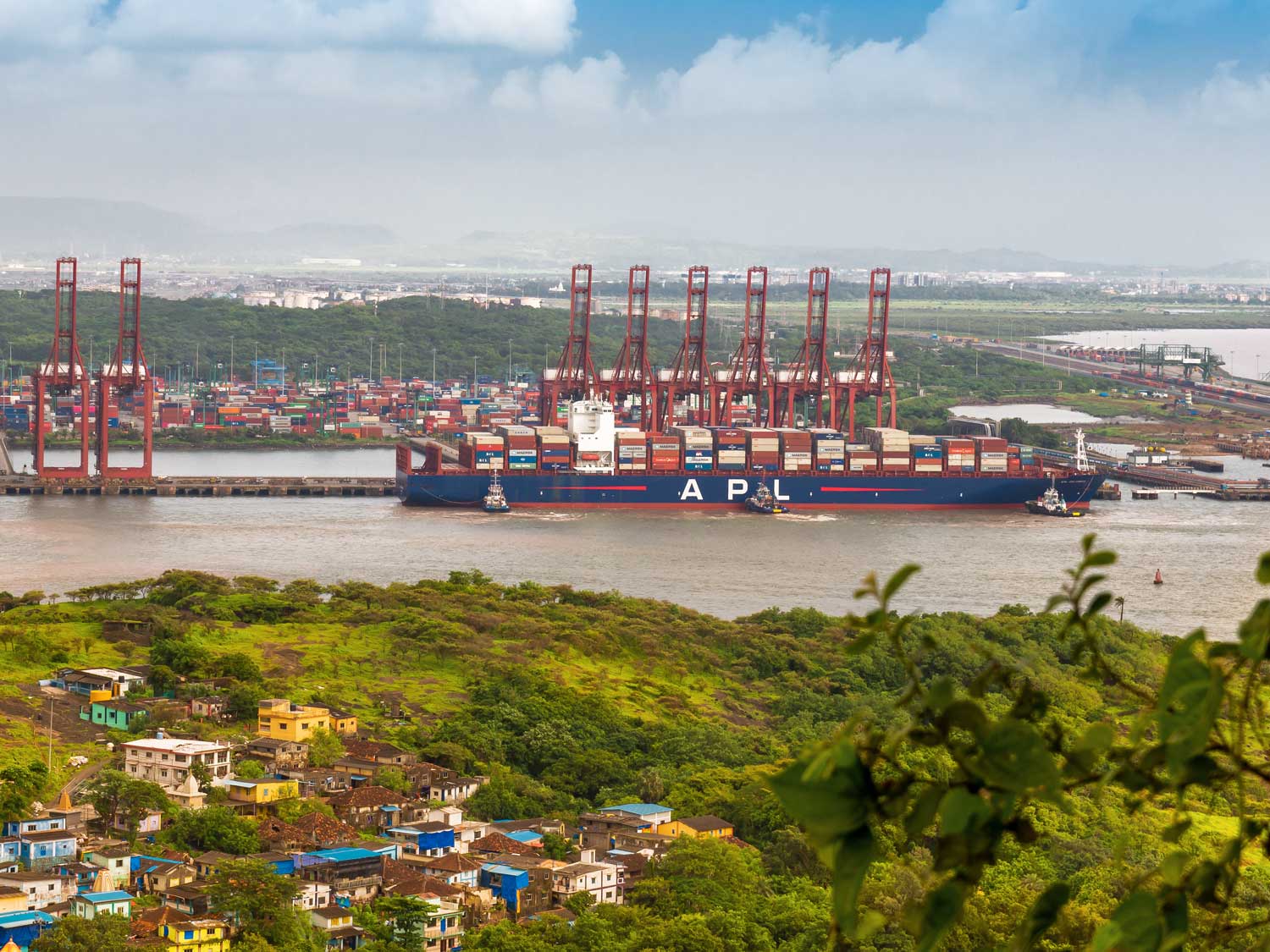
India provides a good example. Its expanding manufacturing and export economy offers significant opportunities, but rapid growth is also putting pressure on vessel capacity, container equipment and inland infrastructure.
Metro's expanding presence in India provides greater local visibility and connectivity as customers consider the country both as an alternative sourcing location and a growing consumer market.
The same principle applies elsewhere. Supply chains are becoming more geographically diverse, increasing the importance of local knowledge, reliable transport connections and coordination across international networks.
From reacting to disruption to designing for it
Perhaps the most significant change in supply-chain thinking is the recognition that disruption is no longer exceptional.
The causes may change – weather, geopolitics, congestion, tariffs or labour shortages – but volatility has become a recurring feature of international trade.
Businesses cannot predict every disruption, but they can improve their ability to respond through better information, earlier intervention and greater operational flexibility.
This is where Metro's long-standing investments in technology make a practical difference.
Through its digital MVT platforms, Metro gives customers greater visibility of international shipments, products flows, supply-chain performance and the intelligence needed to support more informed decisions.
Combined with Metro's global network, carrier relationships and experienced operational teams, that visibility helps customers identify emerging issues, assess alternatives and take action before disruption becomes a more significant problem.
For shippers, resilience is increasingly less about predicting the next problem and more about having the visibility, intelligence and flexibility to respond when it arrives.
Metro brings these capabilities together to help customers build more responsive, efficient and resilient international supply chains.