India’s export surge is tightening ocean capacity, creating equipment shortages and increasing pressure on the inland road and rail networks that supporting its container gateways.
Premier carrier sailings from West India, including Nhava Sheva and Mundra, remained largely sold out through September on key trades, with market conditions expected to stay firm as exporters compete for available capacity.
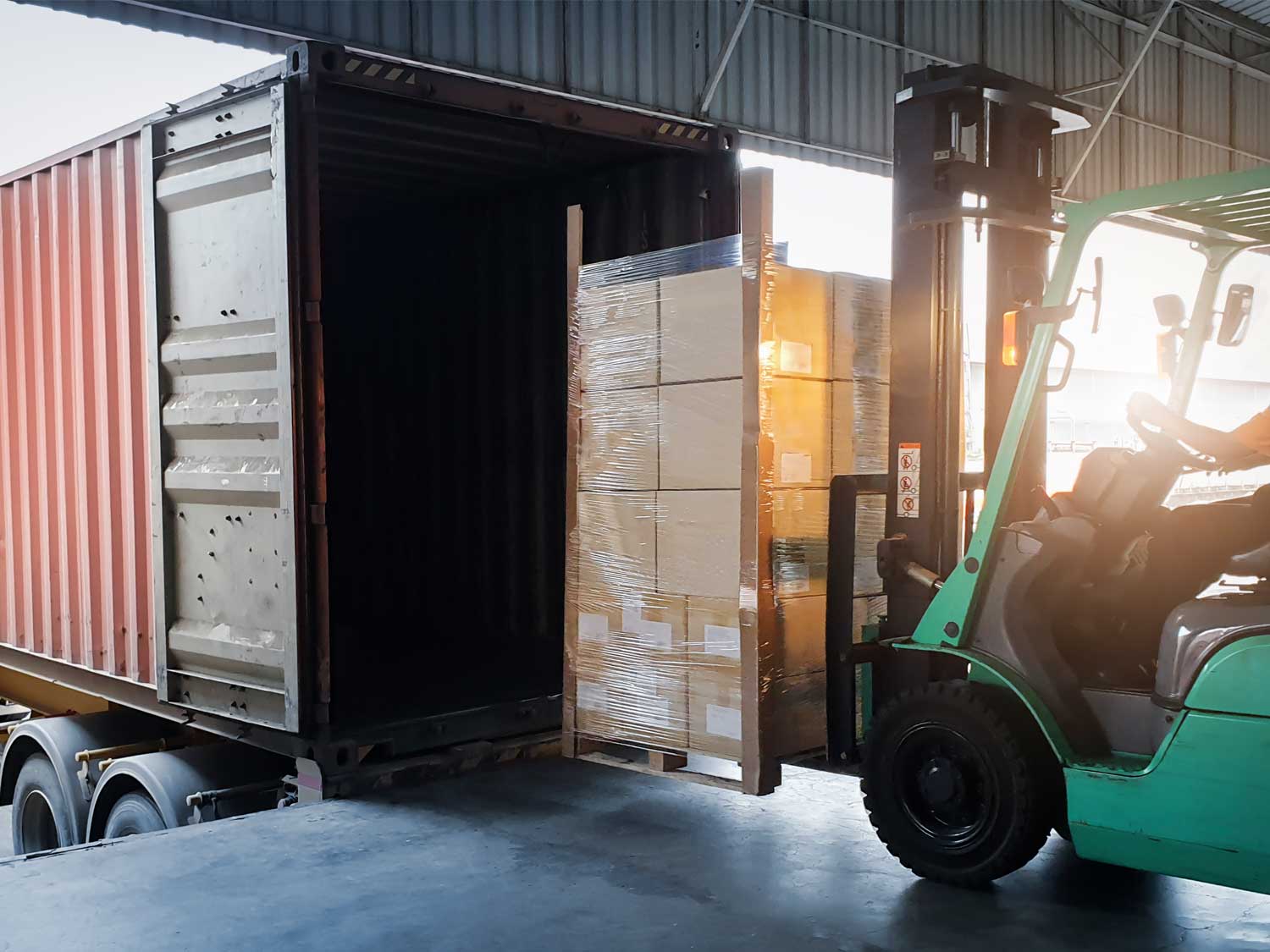
The pressure is particularly evident at JNPA, where exporters are reporting growing difficulties securing empty containers. Forty-foot equipment is proving especially scarce, while shortages have also been reported at inland container depots (ICDs) across northern India.
The result is a supply chain challenge extending well beyond ocean freight availability.
Record exports tighten the equipment cycle
JNPA handled a record 832,000 TEU in August, rising approximately 12% month on month and 20% year on year.
More unusually, export containers exceeded imports during the month. India traditionally operates as a container-deficit market and relies heavily on repositioned equipment and boxes arriving from the Far East to replenish stocks.
Stronger exports are therefore consuming available equipment faster, while disrupted vessel schedules are making it harder for shipping lines to return empty containers to the locations where exporters need them.
Freight stations around JNPA have reported vehicles waiting in long queues at container yards without being able to collect equipment. Similar problems are emerging inland, with difficulties securing empty boxes reported at several northern Indian ICDs.
With Indian exporters traditionally increasing shipments during the January-March final fiscal quarter to meet annual targets, equipment positioning and advance planning could become increasingly important over the coming months.
Port performance shifts attention inland
The pressure also highlights a broader issue facing India's rapidly expanding container trade, because moving a box through a port efficiently is only one part of the journey.
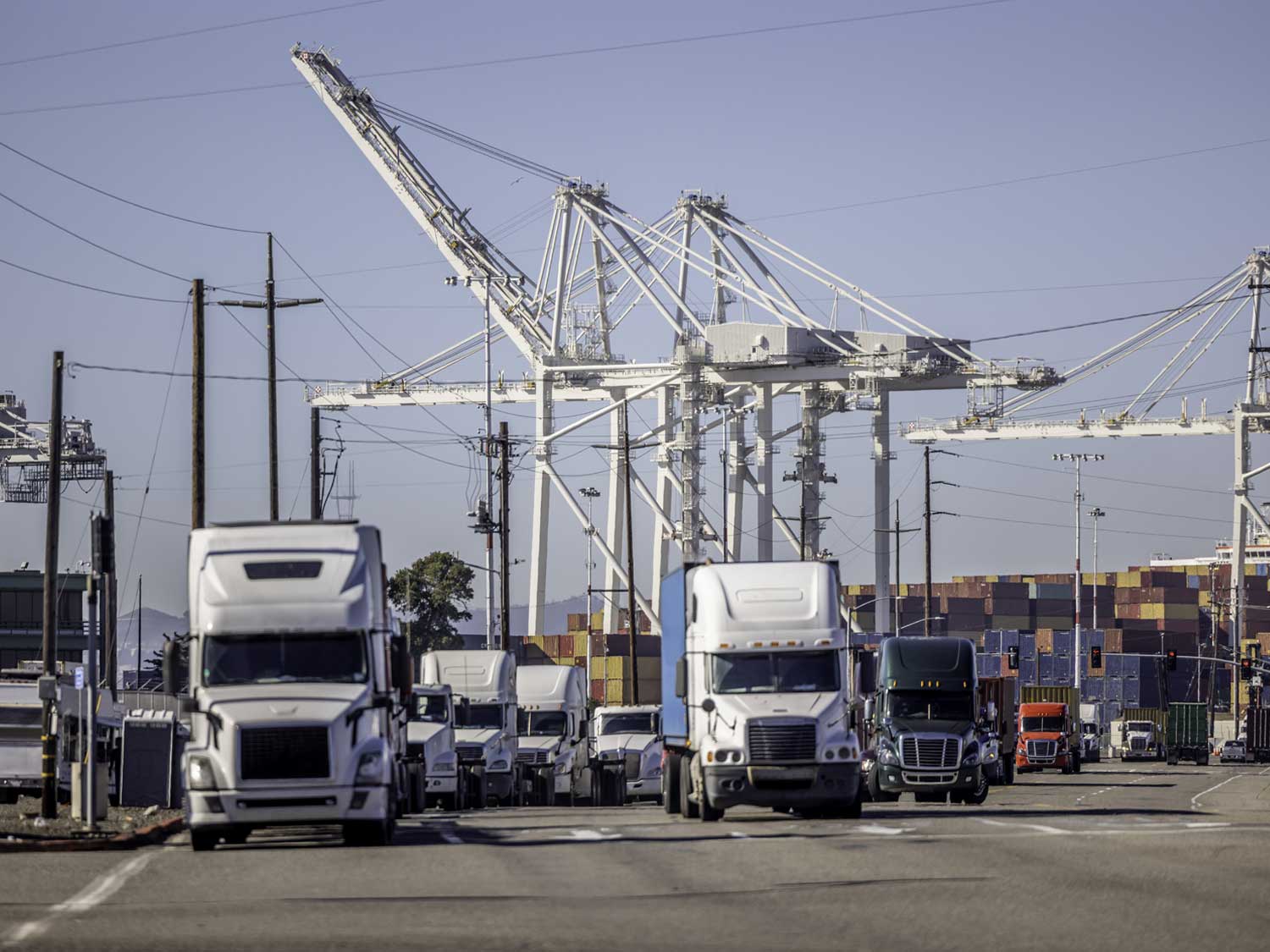
Around 20,000 TEU leave JNPA by road each day, compared with approximately 2,000 TEU by rail. As port throughput increases, that imbalance places additional pressure on highways, container freight stations and other supporting infrastructure around the Mumbai region.
Earlier disruption caused by trailer-driver shortages demonstrated how quickly the land-side network can become constrained, slowing container movements between terminals and CFS facilities even when quayside operations continue normally.
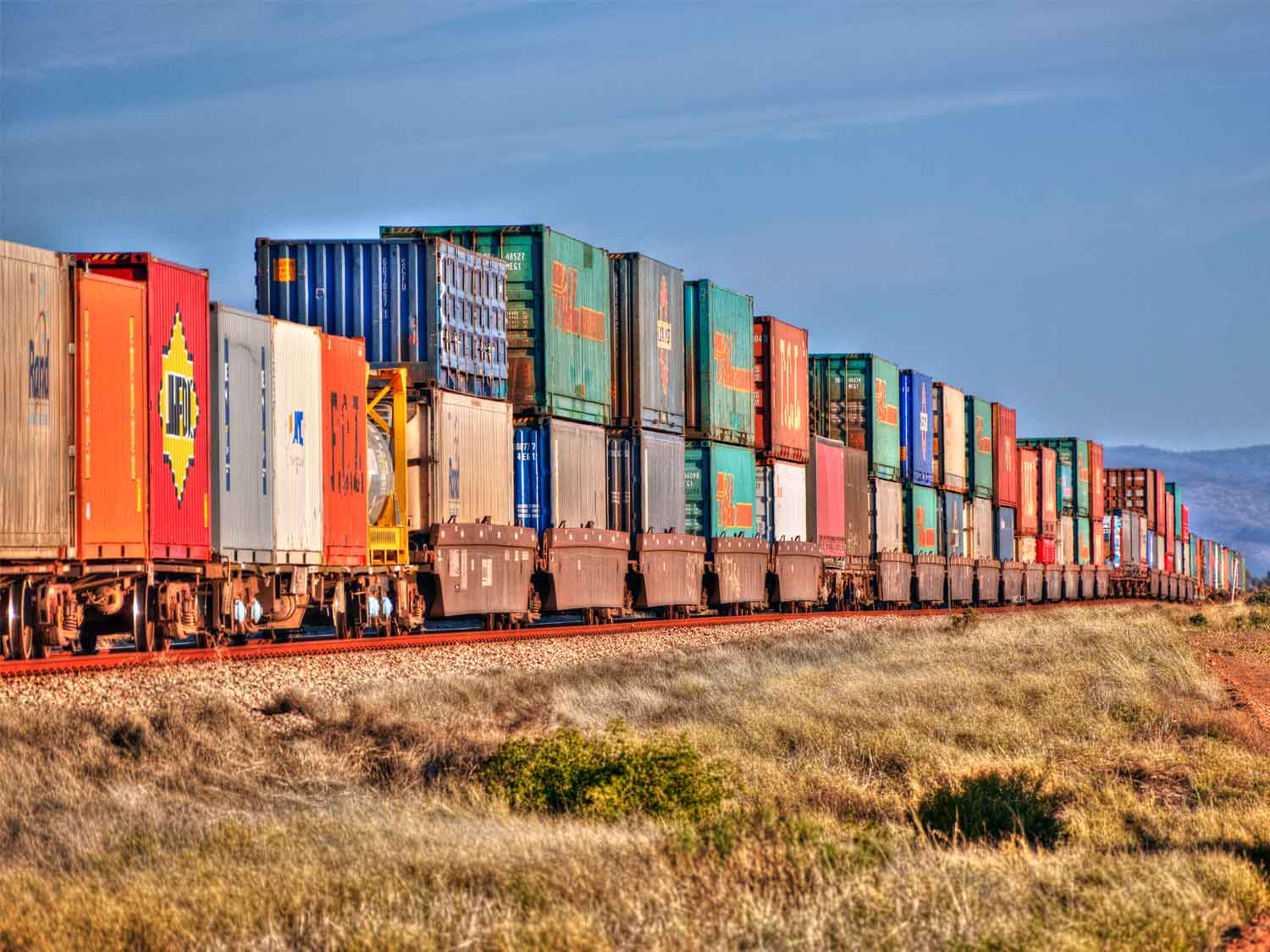
Mundra has faced its own challenges. Container train operators reported significant congestion earlier this year, including more than 16,000 TEU awaiting movement and a rail pipeline exceeding 60 trains at one stage.
More recent disruption affecting empty-container yards has reinforced the importance of looking at the complete land-side operation when planning Indian shipments.
Rail investment and demand is growing
The completion of the Western Dedicated Freight Corridor (DFC) connection to JNPA in September represents an important development.
The 1,506km corridor connects the Mumbai gateway with northern India's major industrial and logistics regions, allowing freight trains to bypass much of the conventional passenger railway network.
Together with the Eastern DFC, India now has almost 2,850km of dedicated freight railway. However, demand is building rapidly.
The two corridors averaged around 438 trains a day in August against nominal capacity of 480, representing approximately 91% utilisation. The Western corridor was operating at around 88%, while the Eastern corridor was approaching 95%.
Double-stack and longer trains provide additional throughput potential, but the figures illustrate how quickly India's expanding trade is absorbing new infrastructure.
Meanwhile, other gateways are working to increase rail's share of inland movements. Chennai has restored its container rail connection with ICD Sanathnagar in Hyderabad and is exploring further inland services, potentially providing shippers with additional gateway and routing choices.
India movements require end-to-end planning
India's expanding ports and dedicated freight corridors are transforming the country's logistics infrastructure, but the current export surge demonstrates that capacity cannot be considered in isolation.
Sold-out sailings, shortages of export equipment, pressure at container yards, busy inland terminals and congested road connections can all influence whether cargo reaches its vessel as planned.
For importers and exporters, that increases the value of booking early, maintaining visibility of equipment and inland conditions and considering alternative gateways, routings and consolidation options where appropriate.
Metro India: local reach, global options
Metro's extensive footprint across India connects customers with the country's principal ports, ICDs, manufacturing regions and logistics centres, supported by established global carrier relationships and an international freight network.
Our local teams combine ocean and air freight, consolidation and inland transport capabilities to manage the complete movement. When capacity, equipment availability or congestion affects established supply chains, we can assess alternative carriers, gateways, routings, modes and consolidation options to help keep cargo moving.
If you have shipments moving to, from or across India, talk to Metro about current conditions and the options for protecting your upcoming movements.