
Date:
Weather Disruption Intensifies Across Global Supply Chains
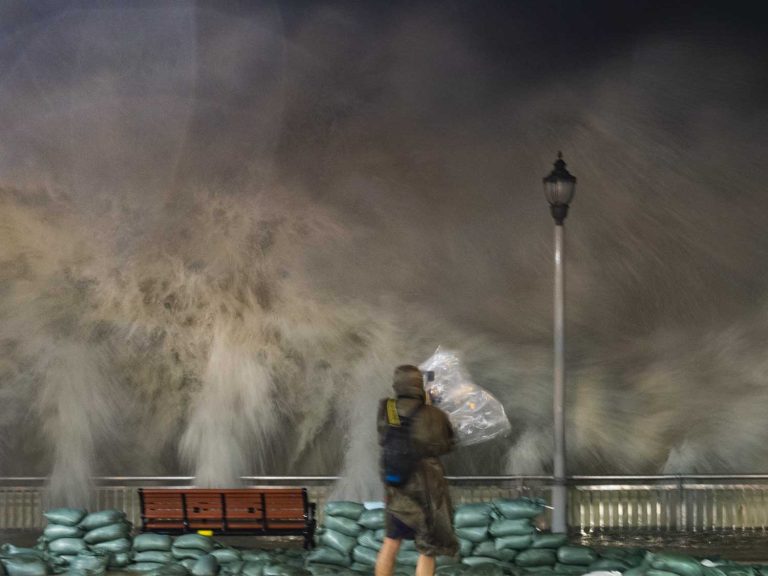
High-impact storms, floods and late-season tropical systems across Asia, Europe and the Americas are no longer isolated shocks: climate-linked weather volatility is increasing in frequency, severity and geographic spread, and is now considered a structural threat to logistics reliability.
Storms in South and Southeast Asia, flooding across Europe and the UK, and continued drought and storm systems affecting North and Central America have already triggered multi-day port closures, inland transport disruption and delays to export manufacturing in Q4.
In November, floods and landslides across Indonesia, Thailand and Malaysia slowed movement of containerised exports, creating congestion around major gateways and extended cross-border trucking times. These delays are likely to carry into Q1 2026 as regional logistics networks recover.
Typhoon Ragasa, which closed Hong Kong International Airport for 36 hours continued to disrupt flows into late Q4 as electronics and tech manufacturers struggled to stabilise output ahead of the holiday peak.
Sri Lanka was hit by Cyclone Ditwah at the end of November, closing the Port of Colombo for 72 hours and reopened facing a queue of vessels and average 2–3 day berthing delays.
India’s east coast, including Chennai and Tuticorin, also reported weather-related slowdowns, with terminals operating below normal productivity during periods of high winds and heavy rain.
Late-season storms in the Pacific and Atlantic continue to trigger temporary port closures and schedule disruption, adding to congestion pressures that were already elevated due to blank sailings, labour actions and vessel bunching.
In Europe, flooding from Storm Claudia in mid-November disrupted local road and rail corridors, affecting last-mile and parcel networks in several regions, with unpredictable weather patterns expected to continue shaping lead times into the new year.
Climate scientists warn that extreme weather events, storms, heatwaves, floods and drought cycles, will increase in frequency as global temperatures rise.
How shippers can mitigate weather-related disruption
A combination of structural planning, operational readiness and financial protection provides the most effective approach.
- Mapping weather and climate risk across suppliers and lanes
- Diversifying sourcing locations and building multi-node networks
- Increasing buffer stock ahead of high-risk seasons
- Pre-agreeing alternative ports, modes and routings
- Enhancing control with effective supply chain management tools
- Explore parametric insurance to respond and recover faster
With extreme weather now a structural feature of global trade, proactive planning and rapid response capabilities are essential to protect service continuity through 2026.
Extreme weather events consistently highlight the vulnerability of supply chains and the importance of robust contingency plans and marine insurance to protect against risk.
We have been maintaining supply chain resilience in the face of unforeseen challenges for decades. To learn how we can develop and support your supply chain resilience EMAIL our Chief Commercial Officer, Andy Smith.