
Chemicals
Experts in the safe, effective and environmentally compliant handling and transportation of hazardous and challenging products.

K+
TEU

M+
Kilos

K
Consignments
Safety
- N Qualified and trained personnel
- N Fully compliant logistics
- N ISO Quality standards
Logistics
- N Specialist chemical facilities
- N Documentation and 4PL solutions
- N Industry approved equipment
Compliance
- N IATA DGR, IMDG, ADR
- N Environmentally sustainable solutions
- N Industry regulated
Learn more

Chemicals News & Insights

Container and RoRo flows disrupted as Gulf remains closed
The effective closure of key Gulf shipping routes has halted vessel access to major regional hubs, leaving ships anchored or diverted and forcing carriers to discharge cargo at alternative ports across Oman and the UAE. These ports are now acting…
Middle East overland networks under strain
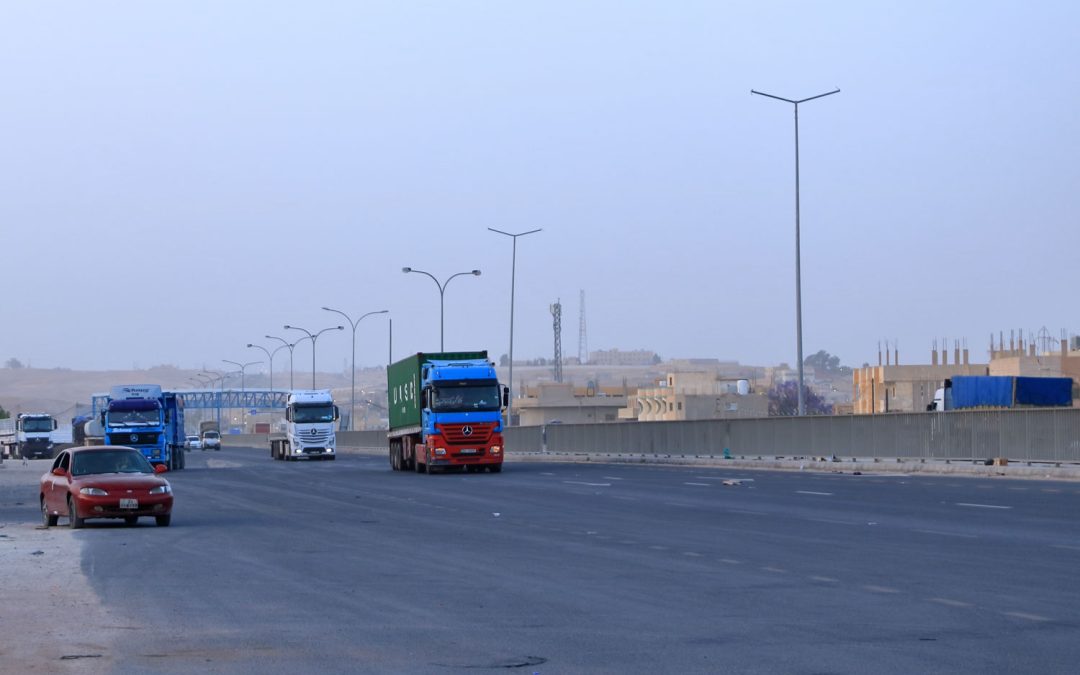
Overland transport across the Middle East has moved from a contingency option to a critical component of regional supply chains, as disruption to ocean and air networks forces cargo onto road-based alternatives. The result is a rapidly tightening environment, where…

Trade growth in a fragile environment
The latest Global Trade Observatory Outlook, based on insights from more than 3,500 senior supply chain executives, highlights a contradictory confidence in trade growth, while the conditions that support growth are increasingly fragile. Global goods trade reached record levels in…
Middle East disruption continues to reshape global supply chains
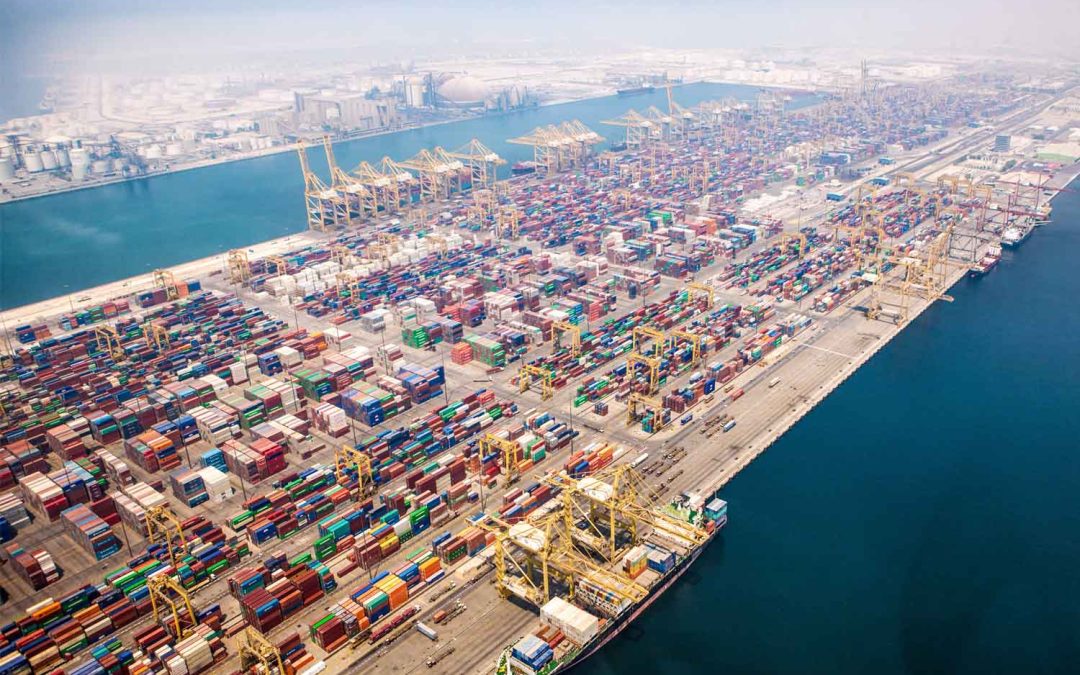
Middle East linked disruption extends well beyond the region, with growing implications for global supply chains. As capacity tightens, routes are reconfigured and costs come under pressure, supply chains are entering a more complex and less predictable phase. Air freight…
Cross-Channel rail freight set to strengthen UK–Europe intermodal links
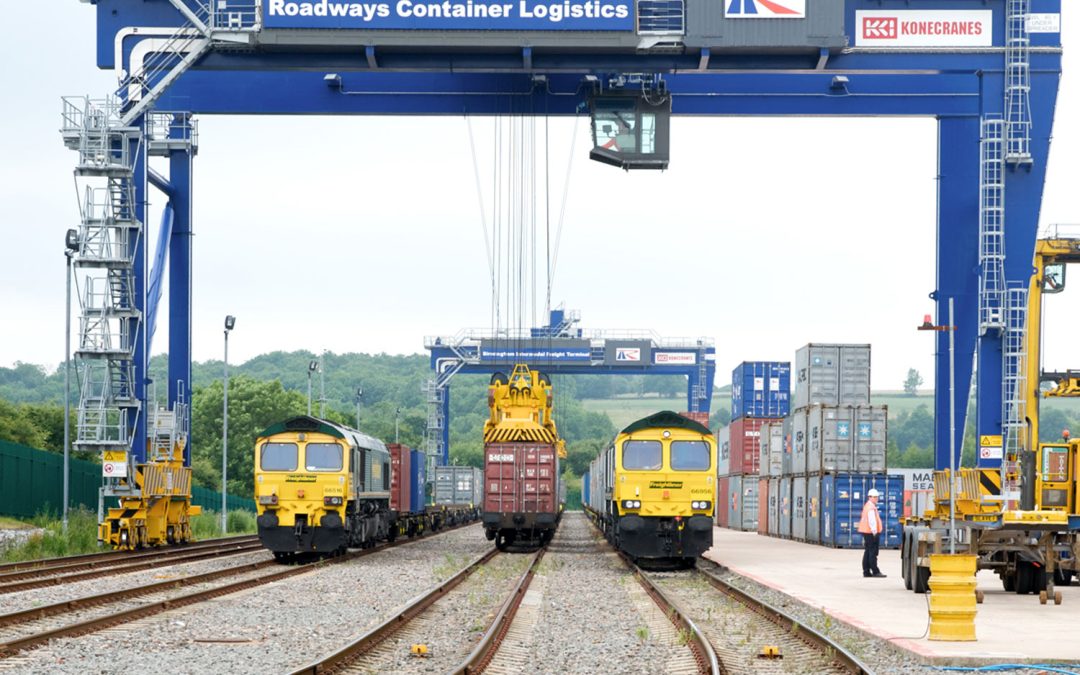
Plans to reintroduce regular cross-Channel rail freight services are moving forward, signalling a potential shift in how goods move between the UK and mainland Europe. As investment in infrastructure gathers pace, rail is re-emerging as a viable complement to established…

US tariff refunds move closer as customs systems adapt to process large-scale repayments
The process of refunding tariffs to US importers is beginning to take shape following the Supreme Court’s decision to strike down duties imposed under emergency powers. US Customs and Border Protection (CBP) is developing a dedicated system within its Automated…
Drones strike Gulf hubs as air and sea freight networks tighten
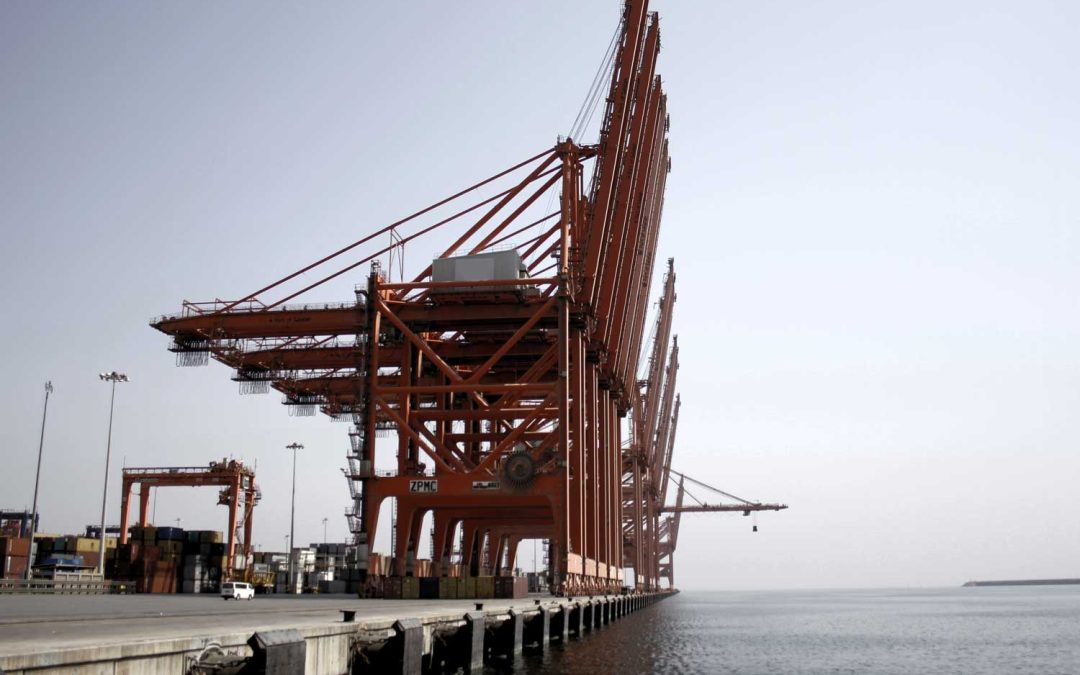
Security incidents on 11 March have added further pressure to global freight networks already affected by disruption across the Middle East. A drone strike at the Port of Salalah in Oman hit fuel storage tanks, forcing the suspension of port…

Turning disruption into decision advantage
The simultaneous disruption in the Persian Gulf and continued Red Sea avoidance is creating a supply chain shock without modern precedent. Metro’s latest application release is giving you unprecedented visibility. With vessels held or diverting, Gulf-bound cargo potentially discharging at…
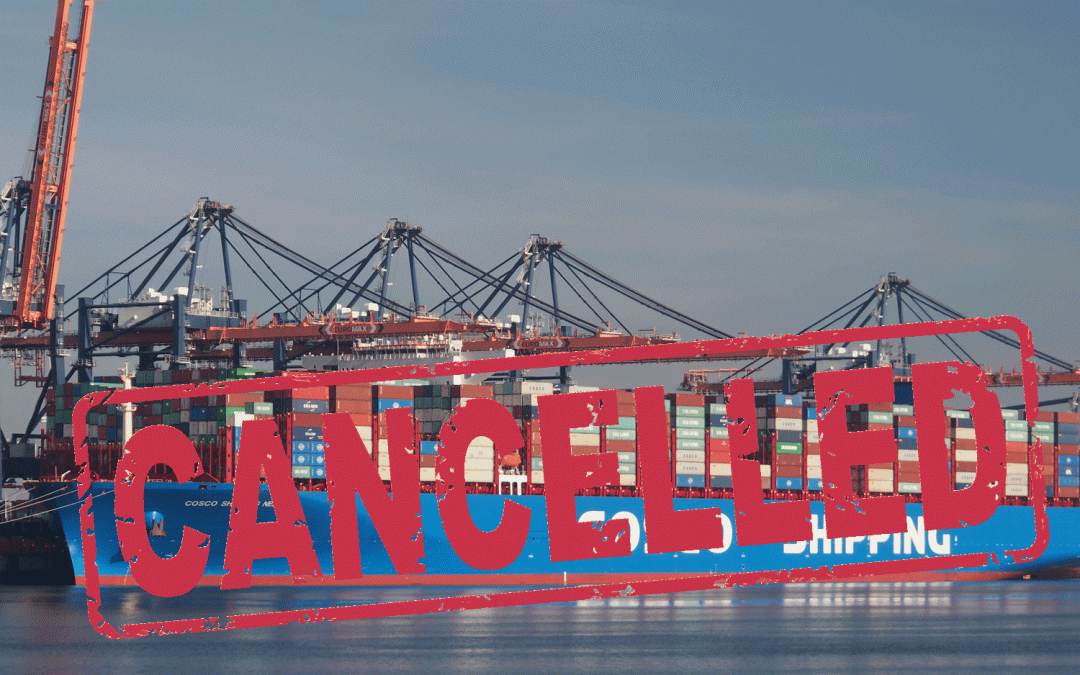
Blanked sailings surge as congestion and reliability continue to constrain capacity
Container shipping capacity remains under pressure as carriers increase blanked sailings, schedule reliability weakens and port congestion ties up vessels across key gateways. According to maritime researchers Drewry, 136 sailings were cancelled in February across the transpacific, Asia–Europe and transatlantic…

US winter disruption ripples through truck, rail and intermodal networks
Severe winter weather across the United States has triggered the sharpest short-term trucking spot rate spike in more than three years, with disruption now filtering upstream into inland rail and intermodal hubs. Snow and ice blanketing large parts of the…

Customs is the bottleneck in global trade — Metro is removing it
The Global Trade Observatory Outlook 2026, based on insights from more than 3,500 senior supply chain executives globally, delivers a clear message: customs is now the single biggest operational constraint in global trade. According to the report: At a time…
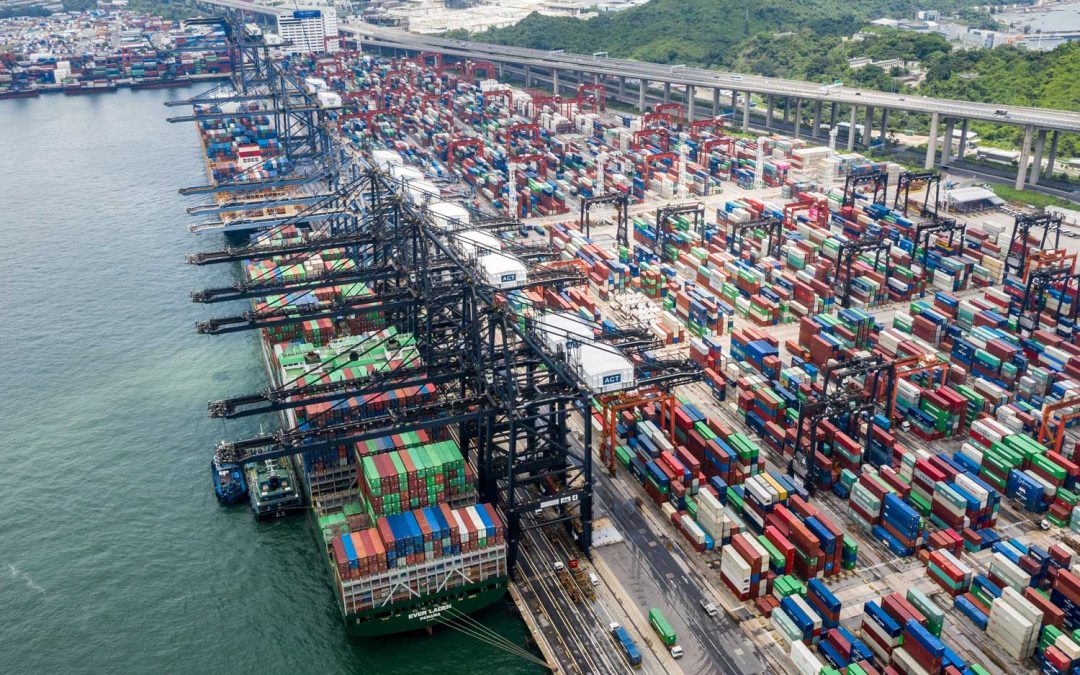
Pre-CNY sea freight reliability is breaking down at origin
Chinese New Year 2026 falls on Tuesday, 17 February, marking the start of the Year of the Fire Horse. While the official public holiday in China runs from 17–23 February, the operational impact on global supply chains is far longer….
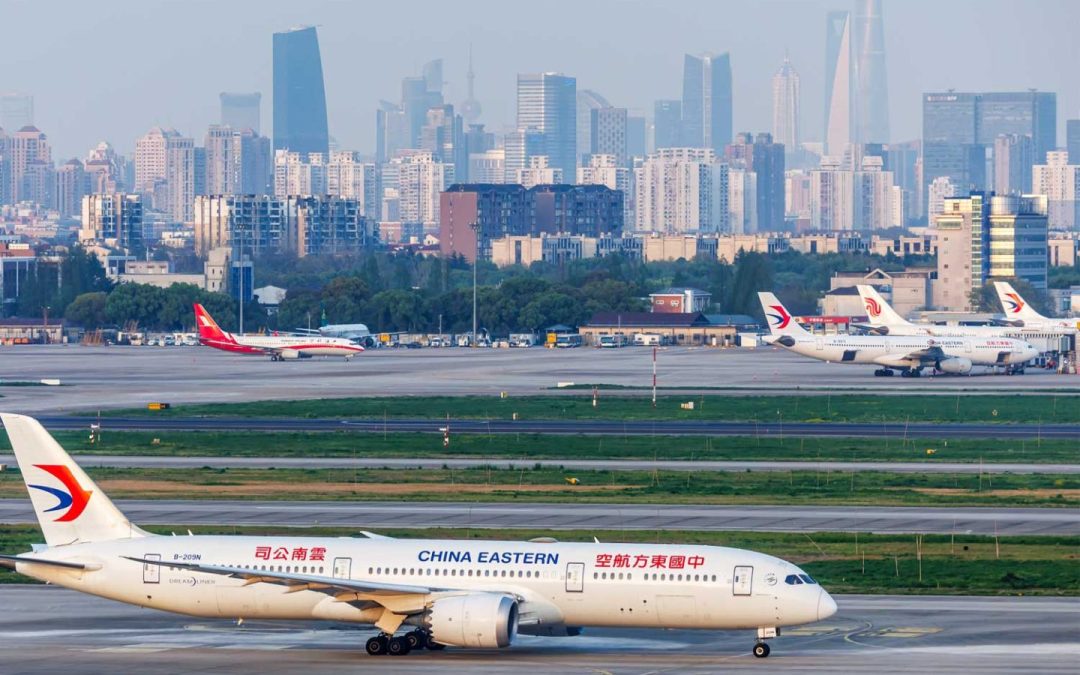
Air freight markets firm as Chinese New Year front-loading reshapes early-year demand
Air freight markets have entered the new year on firmer footing than many expected, with volumes rebounding sharply through January as shippers accelerate movements ahead of earlier-than-usual Chinese New Year factory shutdowns. While underlying demand remains uneven, front-loading has concentrated…

Global trade powers towards a record 2025 with 2026 looking stronger
With the flow of goods providing the real momentum, global trade closed 2025 at record levels, with the outlook for an even more robust 2026. Despite geopolitical tension, shifting trade policy and lingering supply-chain risk, the movement of physical goods…
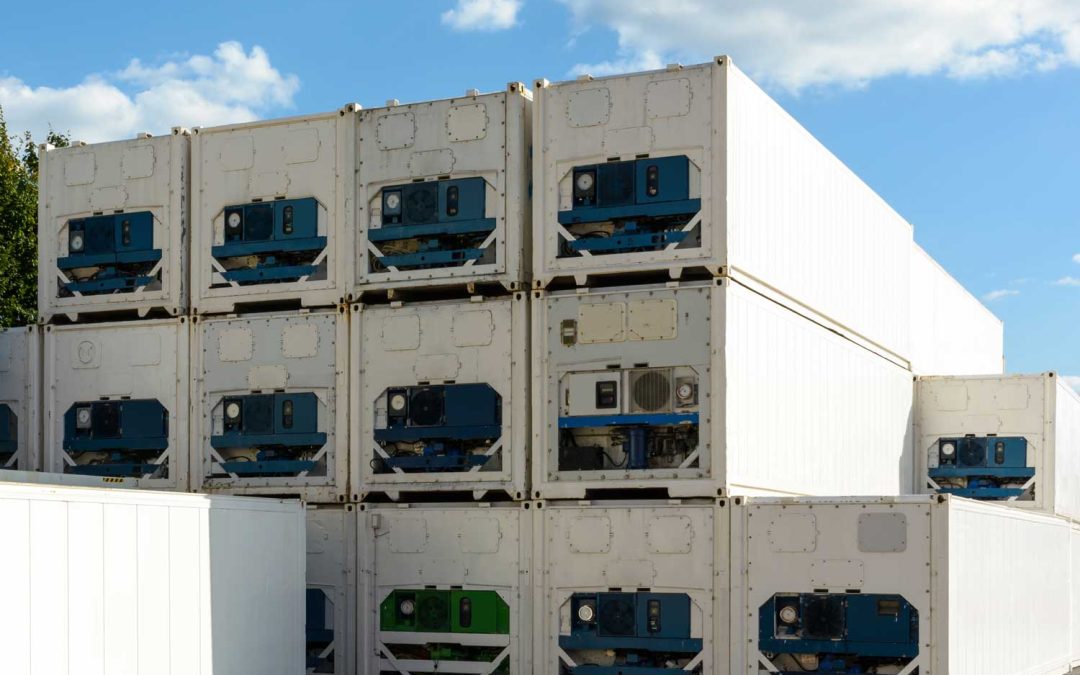
Refrigerated container market update
While headline capacity and rate volatility have eased, equipment positioning, schedule reliability and geopolitical uncertainty continue to shape outcomes for temperature-controlled chemical cargo. Reefer demand remains structurally resilient. Unlike typical consumer goods, temperature-sensitive chemicals, additives and intermediates move within mission-critical…
Cautious CNY trans-Pacific surge
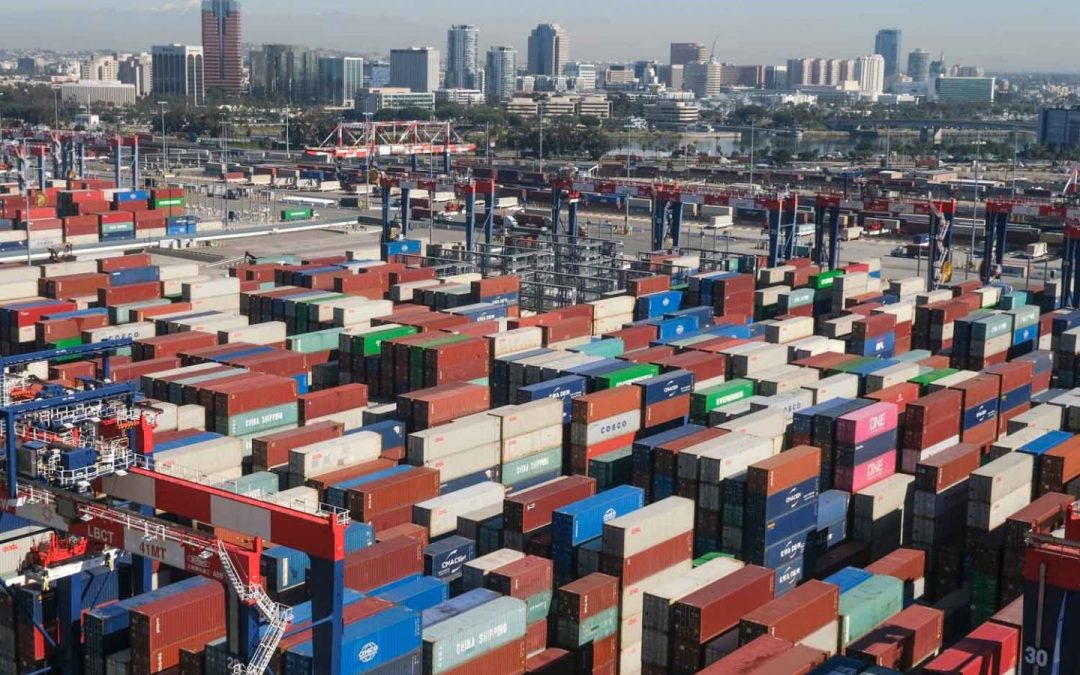
The trans-Pacific sea freight market is entering 2026 with pre-Chinese New Year volumes rising earlier than usual, spot rates climbing sharply and carriers leaning on capacity discipline to manage risk. Despite Chinese New Year falling later than usual this year,…
Disciplined capacity management shaping CNY sea freight
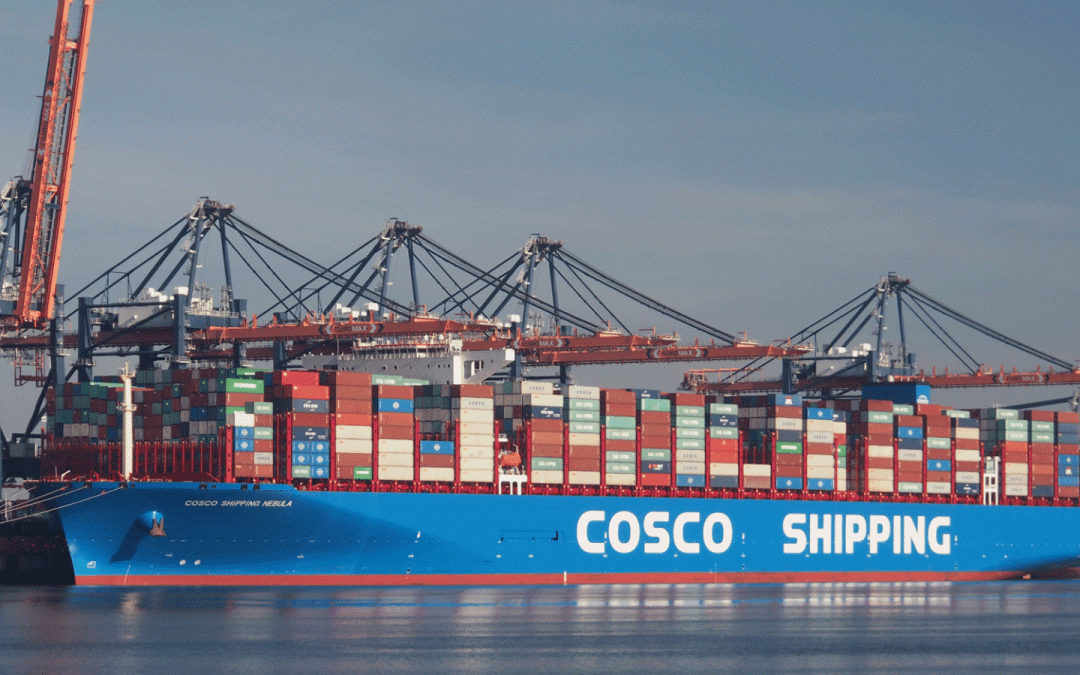
As Chinese New Year approaches, sea freight markets from Asia to Europe and the United States are being shaped less by price competition and more by carrier control. This year’s seasonal peak has arrived earlier than normal, with demand pulled…
Balance tilting towards UK hauliers
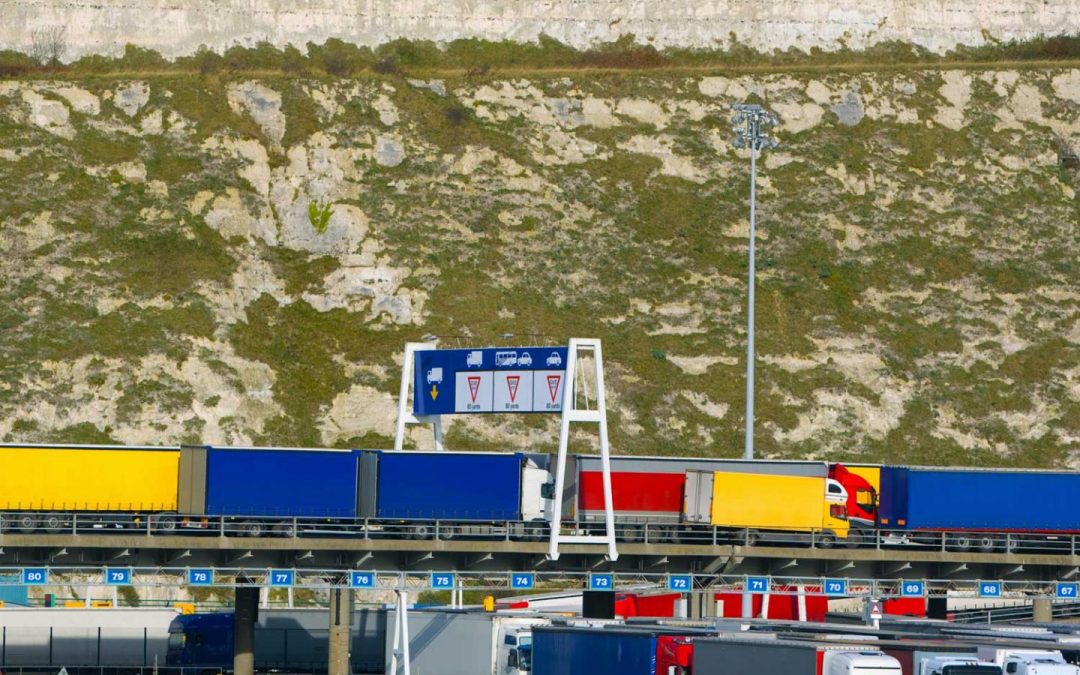
After years of competing on an uneven post-Brexit playing field, UK international hauliers are entering 2026 with structural advantages finally moving in their favour. Regulatory change, rising cost pressures across the EU and tighter controls on cross-border movement are beginning…

UK supply chain policy is reshaping shipper risk and resilience
Government support for supply chains is increasingly being framed as a matter of national capability rather than short-term intervention. That shift was made explicit in June 2025, when the government’s Modern Industrial Strategy earmarked £600m for logistics sites, signalling that…

Smart 2026 supply chains are being engineered for pressure
Supply chains are no longer judged on efficiency alone, in 2026 they will be expected to anticipate disruption and adapt at speed to actively support growth. The experience of the past year confirmed that stability is no longer a realistic…

Rising Freight Crime Sparks Industry, Government and Police Action
Road haulage operators are on high alert as criminal activity peaks during the dark winter months, with investigations revealing how organised gangs are posing as legitimate operators, buying haulage companies, and infiltrating supply chains to steal trailer loads. The scale…
Case Study
Adding pinpoint visibility to additives
This leading speciality chemical client operates 59 production sites in 33 countries, with clients in a further 70 countries and a fleet of ISO tank-tainers constantly moving between factories and customer sites. Despite onboard GPS, the client had limited visibility of these critical assets, which made it difficult to manage deployment and achieve turnaround times or service levels.
Metro’s technical solutions team linked the onboard GPS devices to the MVT supply chain management platform and created geo-fencing perimeters at factory, customer, workshop and store locations to define whether tanks were at designated sites, in transit, or exceeding agreed time.
MVT monitors ISO Tank progress, highlighting non-conformities and automatically resolving or alerting personnel. The client has improved profitability by increasing turnaround times and reducing redundant dwell time, which increases the ROI generated by these key assets.