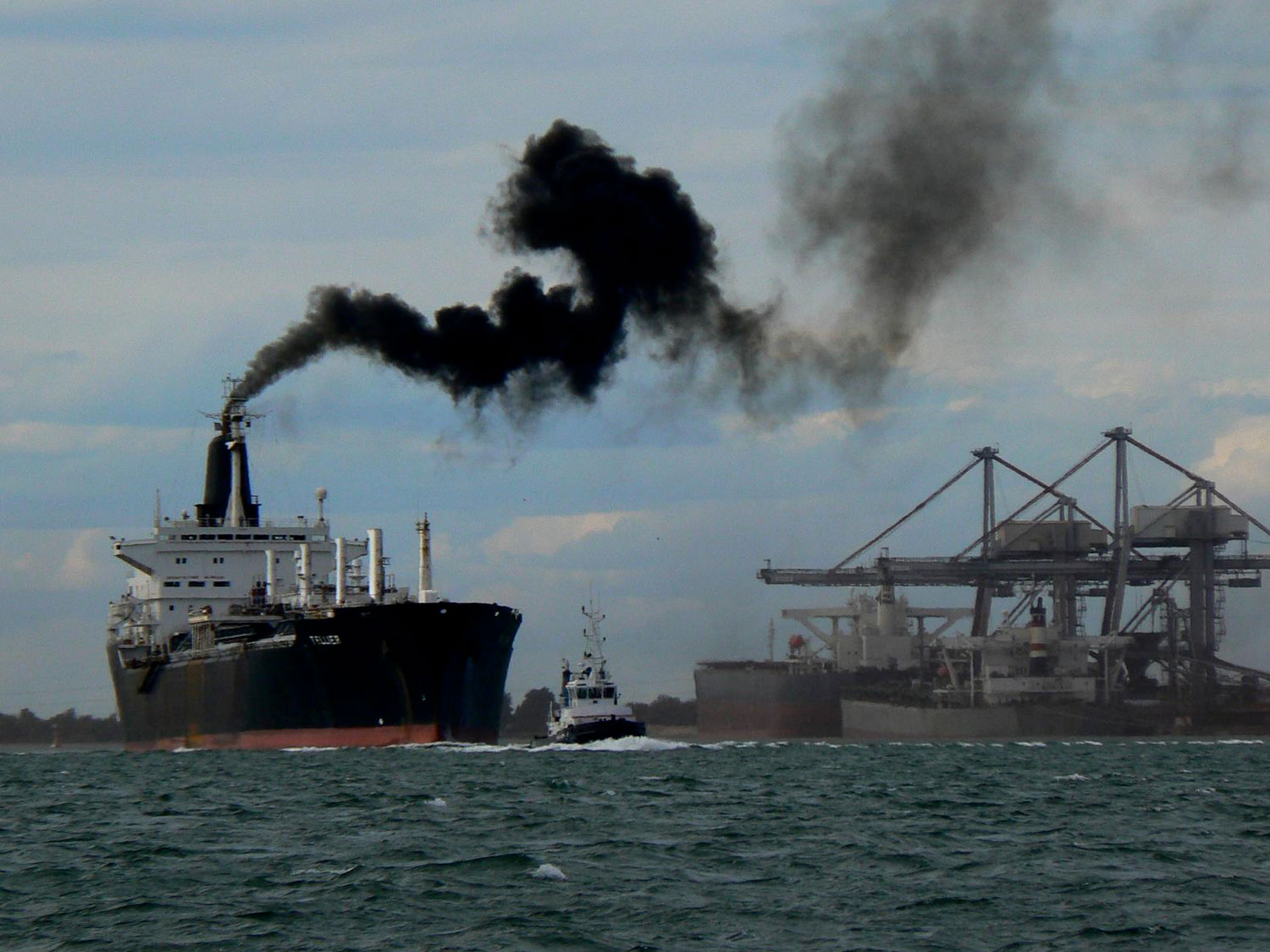
2020 bunker changes

Reduce emissions and improve your bottom line

Environmental strategies and carbon emission reduction activities have been core elements in multi-national trading reports for some years and more shippers are beginning to realise that they can adapt their supply chain to be environmentally friendly and save money in the process.

Cutting emissions is often directly related to creating efficiencies and cutting costs, activities that are more interesting than usual.

Reducing CO2 emissions starts with a thorough review of supply chain operations, volumes, routes, modes and performance.

Understanding the ‘big picture’ provides visibility of the simple fixes and quick-wins, like more consolidation, mode switching, or mixing.

Road transport accounts for the bulk of of CO2 emissions with 73%, air cargo follows with 12%, while sea freight accounts for 10% and rail at 2%. 

The extensive manufacturing, demand and transport disruption triggered by the Covid pandemic has highlighted the vulnerability of extended supply chains and prompted some to espouse near-shoring, which may offer some environmental benefit, but omits the economic case for off-shoring in the first place.

Some near-shoring is inevitable, when the efficiencies and costs are too compelling to ignore, but many shippers will persist with extended supply chains and look to their suppliers for environmental policies that support their eco-ambitions.

Metro are continually review our environmental policy and work with fully audited and approved partners with effective carbon emission reduction policies. We measure all movements against acceptable levels to ensure minimum environmental damage in the movement of your goods. Metro is aiming to be a carbon neutral organisation in the very near future. 

Even the biggest shippers can’t influence an airline or shipping line’s environmental strategy, but the International Maritime Organisation (IMO) and the International Civil Aviation Organisation (ICAO) have set ambitious goals and it is straightforward to favour the most engaged carriers.

Metro are developing tools, as part of our MVT supply chain management platform, that will calculate the carbon ‘cost’ to and from any global point, by any mode, or modes of transport, so that our shippers can monitor and reduce their carbon footprint.

Using the same toolkit we can analyse supply chain volumes, routing and mode characteristics and recommend options that will reduce costs as well as carbon emissions, including modal shifts, reducing distances and better utilisation of transport transportation assets. 
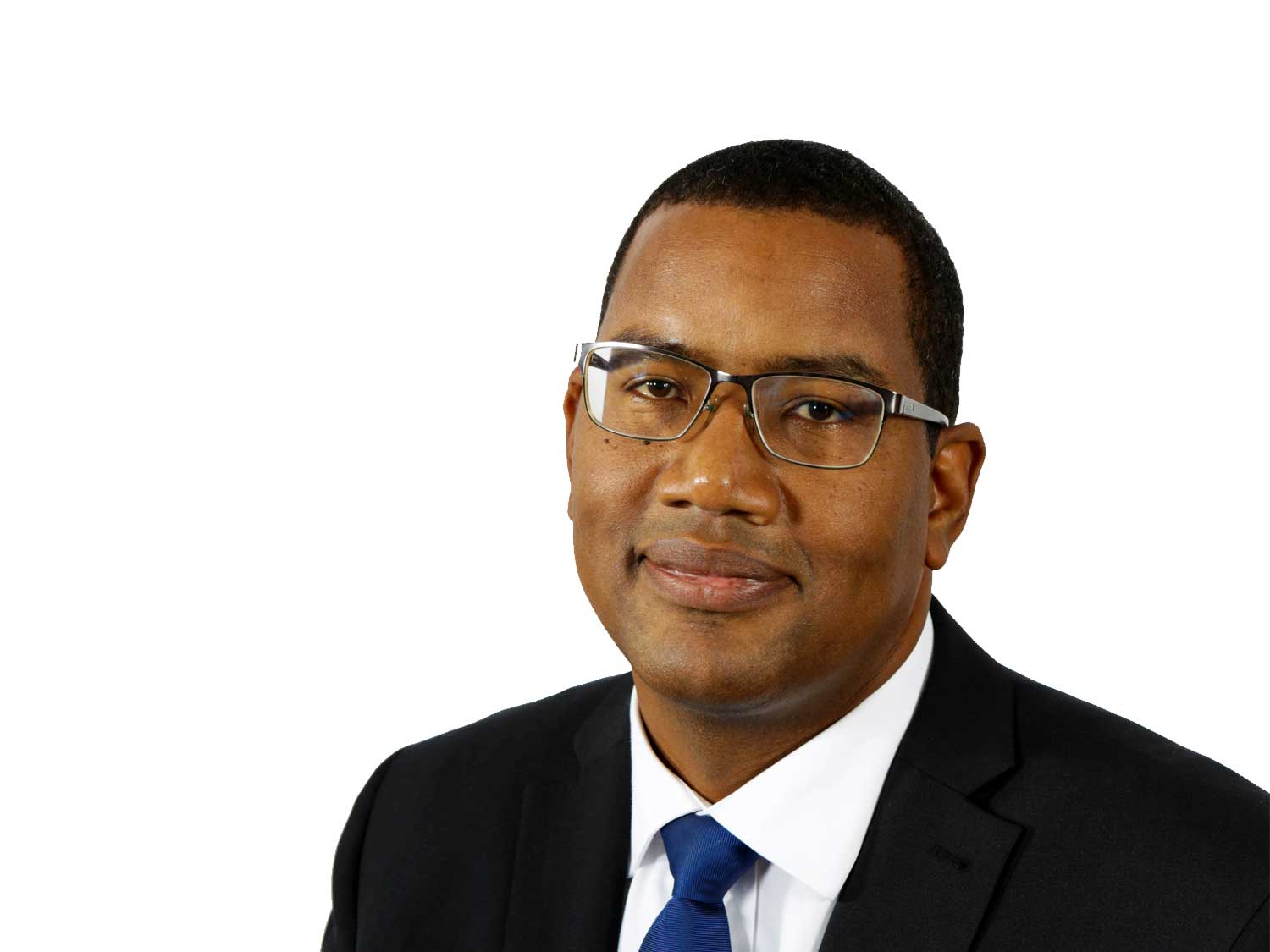
Aston Thames

The Metro team talk: Aston Thames

During the lockdown the Metro team had to adapt quickly to new ways of working and engaging with customers. Technology was the critical success factor.

IT Manager Aston Thames’ professional career began in accounting, but his passion for computing and information technology ultimately prevailed, with Aston making his career change into IT in 2000.

Joining Metro in 2016, Aston’s two decades of IT experience across multiple disciplines and technologies has been put to good use.

Aston has been a key member of the technical team that prepared and managed the migration of Metro Shipping systems to the ultra-secure cloud platform, that ensures the protection, resilience and availability of our data.

Metro’s journey to the cloud was in its infancy when Aston joined, beginning with the transfer of the business’ onsite email system and strengthening IT Security protocols with policies, controls, procedures and technologies, that Aston co-ordinates to protect all our cloud-based systems, data, and infrastructures.

As IT Manager, Aston responsibilities embrace the Disaster Recovery and Business Continuity processes that have been critical in optimising Metro’s operational capability throughout the epidemic and lockdown. 

Empowering our global team to continue to do their daily tasks while operating remotely and maintaining access to our operations systems, has ensured Metro’s service effectiveness and guaranteed the efficient maintenance of our customers’ supply chains.

‘’ Aligning our systems supports our business processes and ensures that our Disaster Recovery, Business Continuity and Risk Management planning keeps us agile, scalable and resilient, to continually support our customers. I am sure that, with the team that support me, we will continue to make this possible.’’
Aston Thames

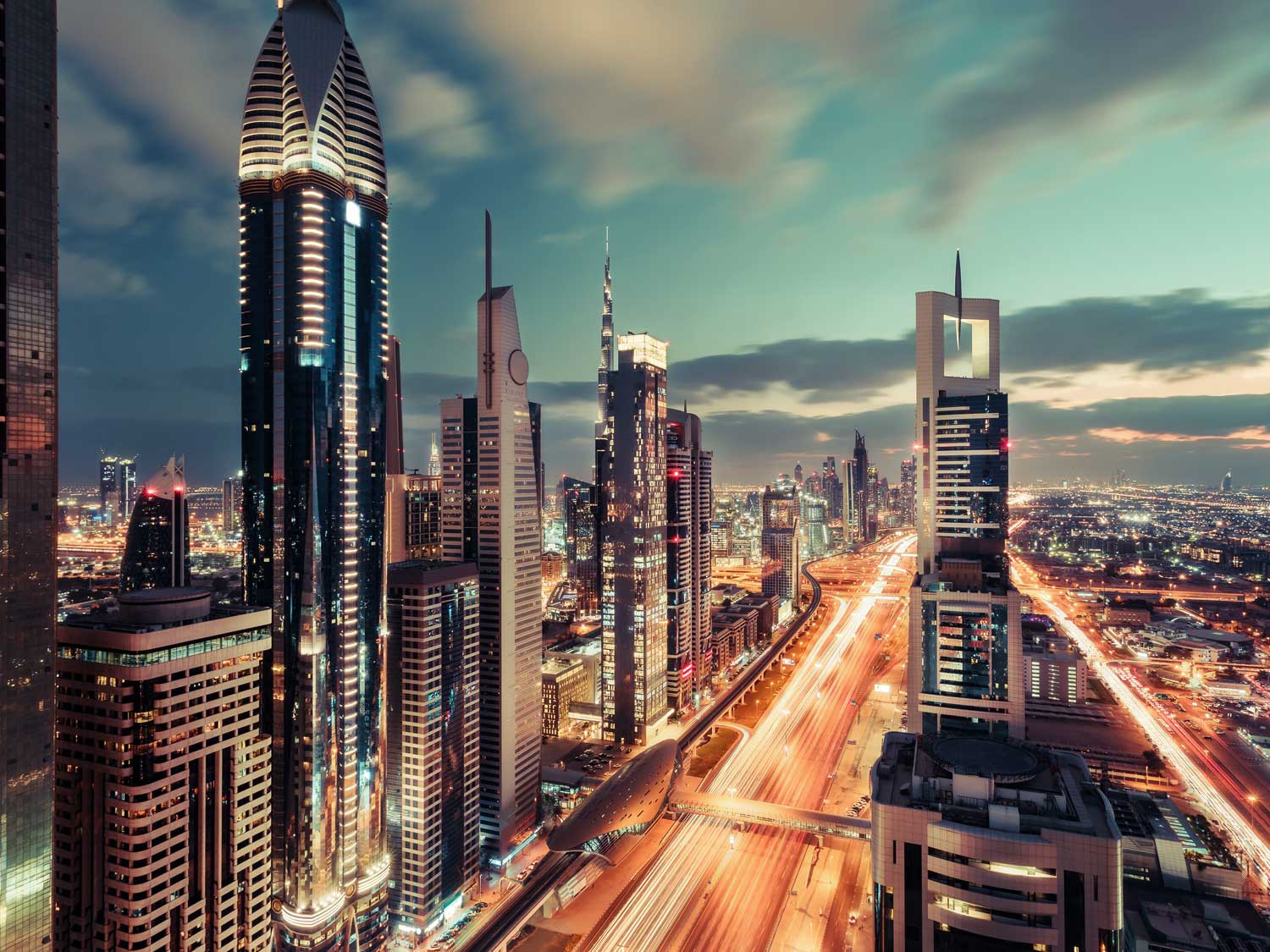
Dubai

Sourcing and export support

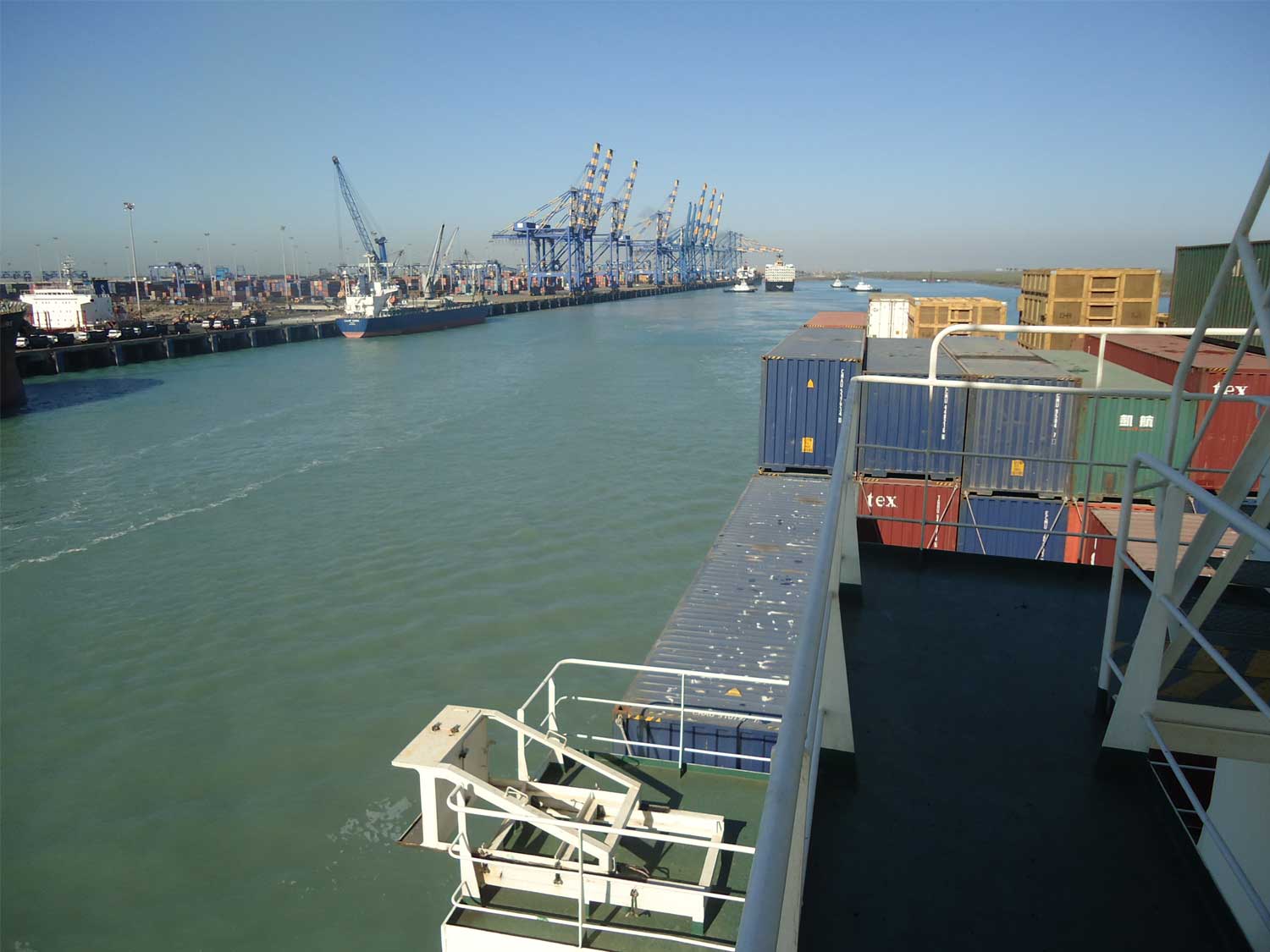
The container ports and airports in the Middle East and Indian subcontinent are some of the busiest in the world. Their continuous growth underlines the strength of international trade enjoyed by both regions. 

The Middle East and Indian subcontinent generate around £80 billion of the United Kingdom’s international trade and is why Metro has been providing import and export services across both regions since our inception 40 years ago.

While both territories are key sourcing regions for many products, they are also key export markets, driven to some extent by extensive ‘Commonwealth’ connections and, in the case of the Middle East, significant demand for luxury brands and British brands.

The UK is actively seeking trade agreements with many countries across both regions and especially in those countries where it has strong commercial relationships, cultural and historic ties.

The Middle East accounts for £50 billion of the United Kingdom’s trade, which could rise sharply after Brexit, with the UK pursuing independent trade deals.

Attempts to draw up an EU free trade deal have faltered since negotiations began more than 20 years ago, so the UK will hope that its own attempts will prove more fruitful. 

Even without a free trade agreement, the Middle East represents an attractive market, with £30 billion worth of new opportunities annually for British businesses in defence, health care, medical devices and digital technologies.

We move cargo to and from the region, with regular sea and air services, operated n conjunction with our established partner network. 

Metro has competitive agreements with all the major alliances, across all primary ports and airports, to give our customers reliability and choice, which is especially important in the current environment of blank sailings. 

The core Metro verticals of retail and fashion, automotive, chemicals, industrial, and manufacturing are all key commodities in both regions, providing essential knowledge and experience in managing our clients supply chains. 

In addition, our excellent customer service teams and digital platform MVT enables our customers and their partners to gain much needed data, real time visibility, and an array of online management tools to closely manage their supply chains during times of service uncertainty.

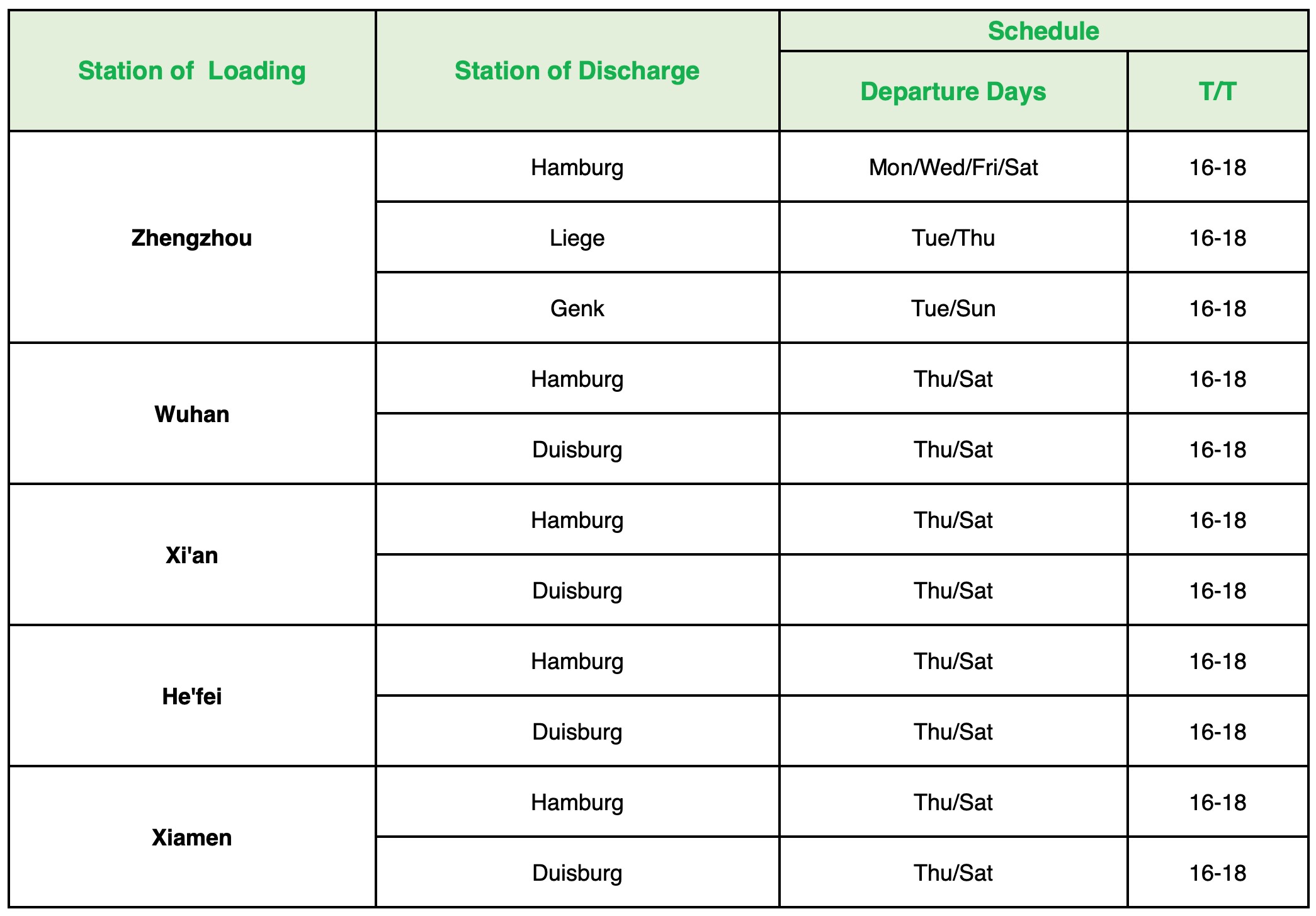
China rail

New China rail services added

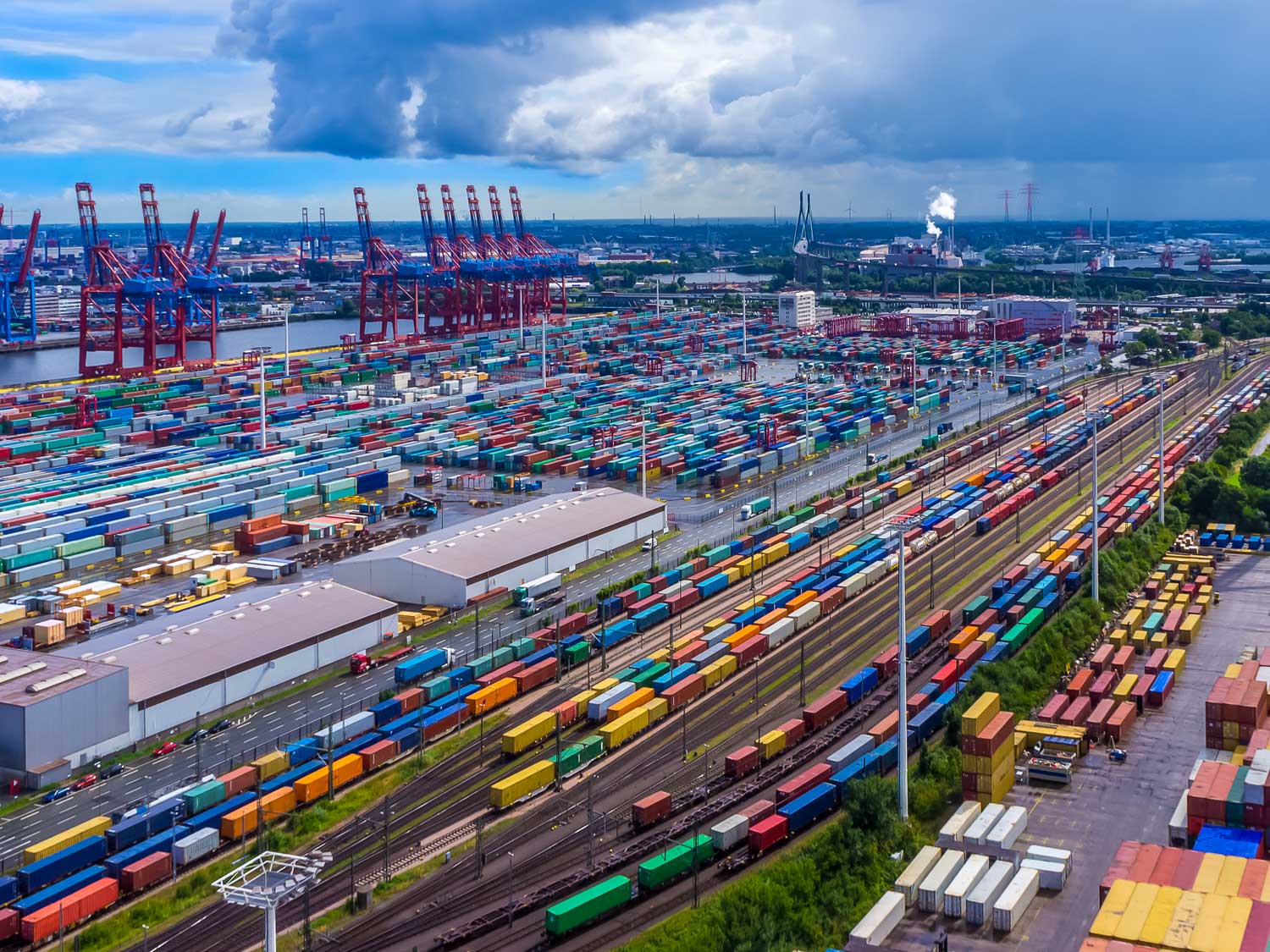
Supply chains between Europe and China continue to face significant pandemic-related disruption, leading to an upsurge in interest for rail freight solutions from the region. Reacting to expanding demand, we are increasing our rail freight coverage, to embrace all major China sourcing regions.

The increased load factors (number of containers) on each arriving vessel is creating spikes in demand, which are increasingly overwhelming the ports’ capability to handle the vessel discharge and container movements to release.

While the inbound volumes are considerable, the primary issue is the reduction in operating capacity, as essential working practises must adhere to social-distancing and “Covid 19” cleansing routines.

Container ports operate 24/7, but at the end of every shift equipment and all common areas must be removed from service for extended periods for a deep-clean, which immediately diminishes the port’s capacity and operational working time. 

A typical example would be between 0500-0700hrs, where no activity occurs. 

In reality for road operations (VBS-Vehicle booking Slot), these are reduced the hour prior to allow terminal operations to reduce and after shift change to recommence. 

If a vehicle is on the quay before the cleaning period, there is no guarantee that it would be handled before.

This has led to greater pressure on the availability of booking slots at peak periods and vehicle delays, which may be longer than the transit time to delivery point. 

This is against the background of a container haulage industry, which has struggled throughout with a number of casualties.

Hauliers are working to redeploy furloughed drivers and review fleet operations, to meet these challenges, but at the same time they have to address the additional costs that the restricted operations at ports and inland DC’s are creating. 

The fluctuating volumes and spikes, combined with a notable reduction in PM work, means that port capability can only be defined cautiously, as we head into Q4 with limited flexibility and much uncertainty.

The restricted operations that the ports are labouring under, are adding to the demands faced by haulage operators and will quickly exceed capacity resulting in delays, making recovery even more challenging.

Metro continue to work closely with our haulage and intermodal partners, to minimise any negative impacts on our customers and while we have seen limited effect to date, we will maintain our maximum efforts, to safeguard your supply chain from this deteriorating situation. 

Click HERE to download our rail service schedule