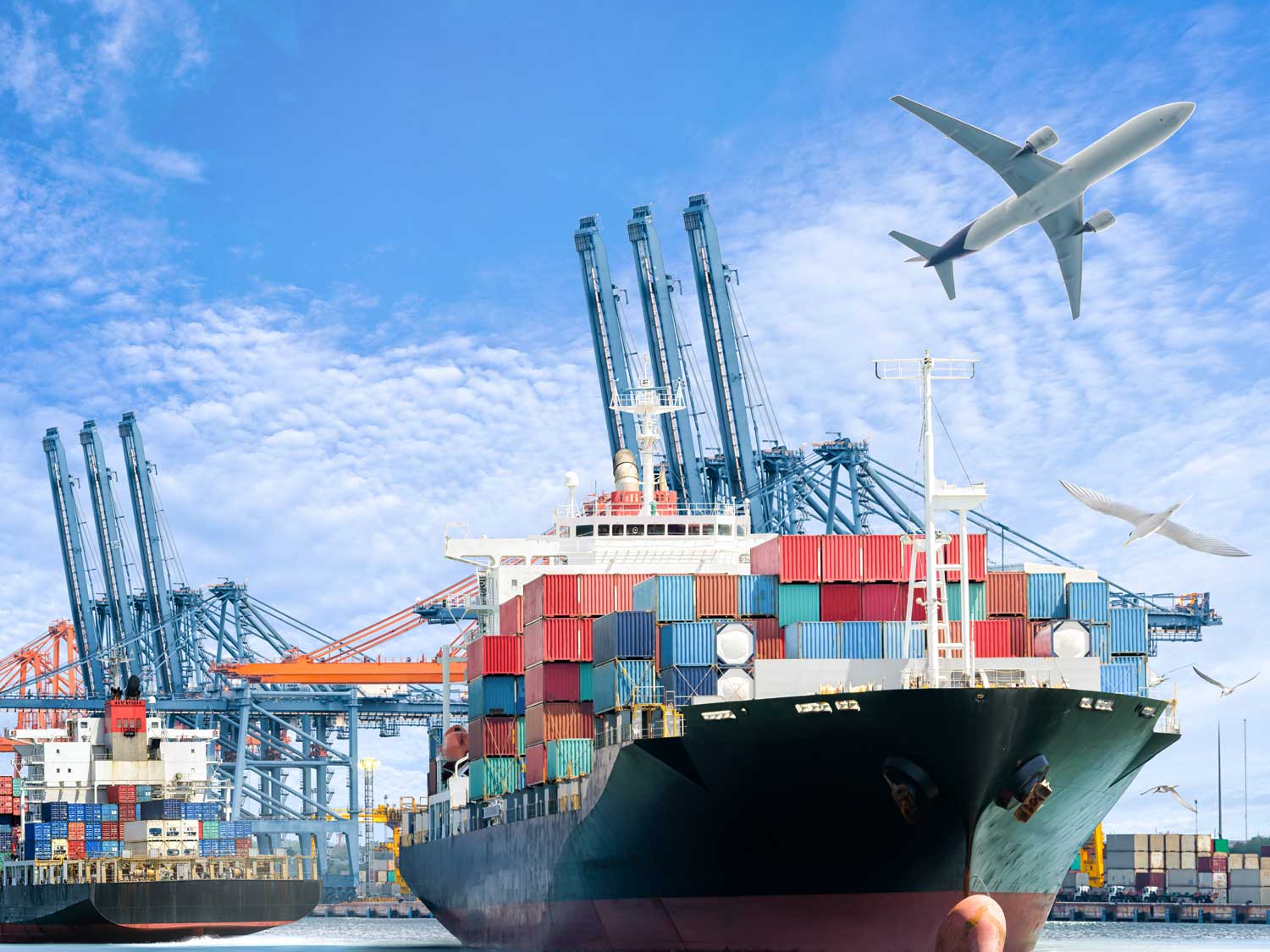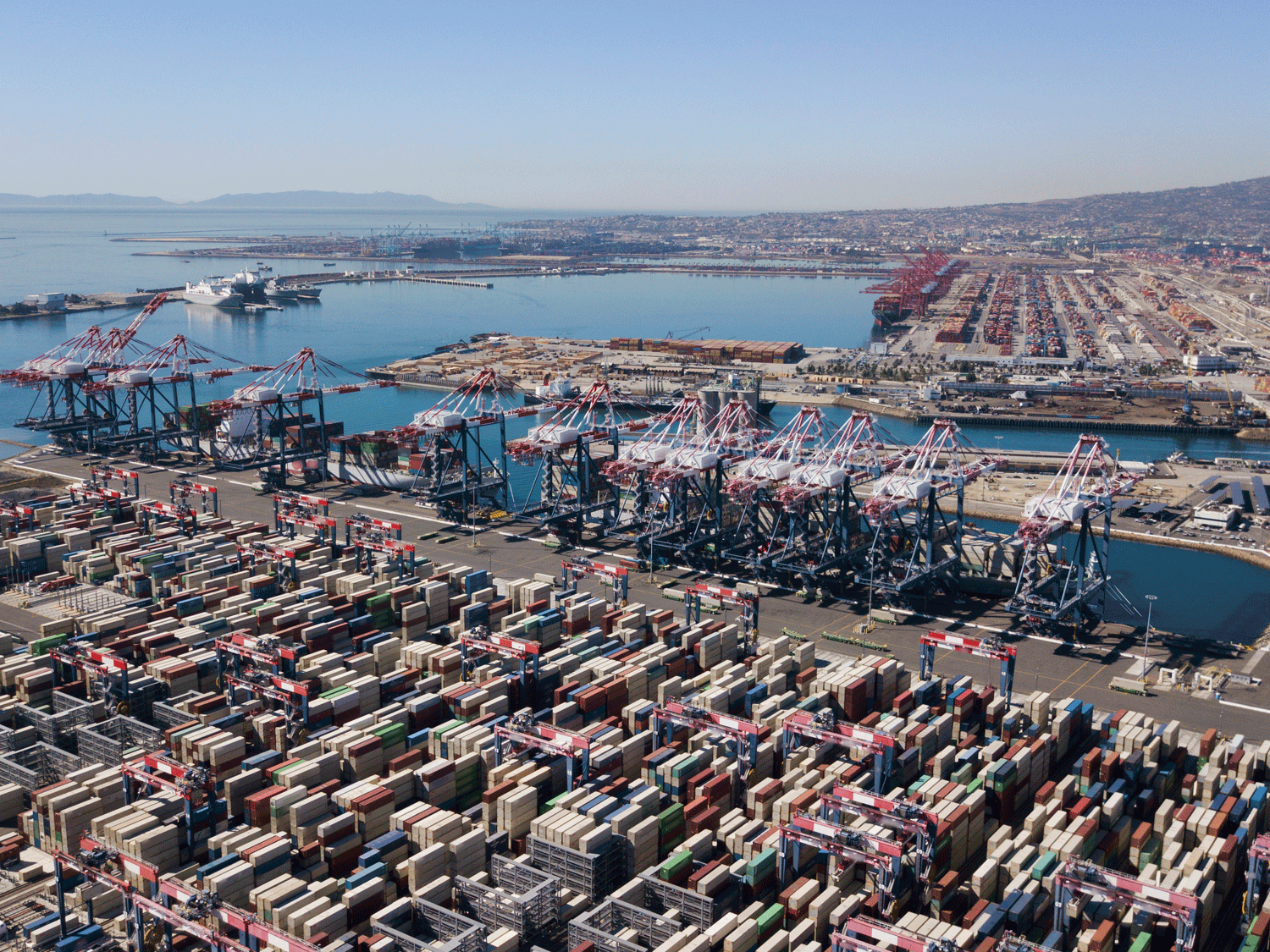
LA an d Long Beach

Demand and equipment shortages driving up Trans-Pacific rates

Driven by demand surges and equipment shortages contributing to capacity constraints, container freight rates are rising to 2020 highs as carriers on the eastbound trans-Pacific implement the fourth GRI since the 1st June.

Anticipating a continuation of weak demand, carriers blanked 63 sailings from Asia to North America from the beginning of June through to the end of July 30 to manage capacity, but US imports began to surge in late June, as some states began to reopen following their COVID-19 lockdowns. 

Reacting to the demand surge, carriers implemented GRIs on 1st June, 15th June and 1st July, driving rates up 98% and 25%, compared to a year ago, to the west and east coasts respectively. 

Demand for personal protective equipment (PPE), products for at-home offices and back-to-school remote learning are driving much of the spike in freight pricing. 

Equipment shortages in Asian ports, as well as in US gateways, are also driving spot rates higher.

Analysts suggest that we are seeing a second wave of PPE, representing 10-15% of all inbound cargo. PPE shipments originally surged in April and May, backed off a bit in June, and then began its second spike in July.

The ports of Los Angeles and Long Beach continue to handle the bulk of the import surge as time-to-market is crucial for just-in-time shipments destined for large consuming populations in the US interior. 

Transit times from Asia to West Coast ports are about 10 to 14 days faster than to East Coast ports.

Although spot rates to the East Coast are climbing, the differential with the West Coast, which is normally close to $1,000 per FEU, is now only about $500, which indicates import volumes are strongest to the West Coast.

Equipment shortages are contributing to capacity constraints, with exporters in Shanghai, Taiwan, and Vietnam having trouble securing 40’ and 40’ high-cube containers. 

In the US gateways, it’s a chassis shortage or dislocation problem, mostly in Los Angeles and Long Beach.

Carriers have announced only three more blank sailings to the West Coast and three to the East Coast in August and September, which should relieve some of the vessel capacity issues in Asia.

The United States is the UK’s biggest trade parter after the EU. Metro move large volumes of cargo to and from the US, with regular sea and air services, from the UK, Asia and other key cross-trade locations. 

Metro has competitive agreements with all the major alliances, across all primary ports and airports, to give our customers reliability and choice, which is especially important in the current environment of blank sailings. 

Despite the claims of equipment shortages in Asia, we have not experienced any issues in positioning the equipment of our choice. We continue to monitor the situation across all trades and will report any significant developments.

In addition, our excellent customer service teams and digital platform MVT ensure that our shippers and their stakeholders have real-time visibility and access to an array of online tools to closely manage their supply chains during times of service uncertainty.
The future of freight a UK strategy

The COVID19 supply chain challenge

When we saw supply chain challenges begin to rise in China, due to Coronavirus containment measures, there was no indication of the massive scale of Global disruption that would unfold in the coming months and how our customers in the medical sector have coped.

The initial supply interruptions from Asia were swiftly replaced by massive global demand for PPE and essential medical goods and the challenges of moving product as modes of transport and particularly air freight became much harder to secure.

Ultimately, the experience managing supply chains through 2020's spread of COVID-19 and beyond may provide a good business case for companies to further evolve their supply chain operations.

For many customers a critical challenge has been managing a level of demand for COVID-19 products, while maintaining supply for their standard business.

Focusing on relationships with primary suppliers has been key in growing capacity with their existing supply base, and creating relationships with the lower tiers of suppliers to grow faster.

In most cases they didn't have a relationship with these lower tier suppliers, so they were contacting them for the first time, introducing themselves and asking suppliers to increase capacity by the highest possible multiples, to meet the massive demand we saw as the Virus gripped the UK.

Key takeaways from every earlier natural disaster and public health crisis have underlined the importance of stockpiling, but memories are short, which means that very few businesses had sufficient inventory, when the demand floodgates opened.

When you run into a disruptive event like COVID-19, the benefits of lots of inventory is clear, because you’re protected from transport disruption and suppliers that can't manufacture because they can't get workers into their factories.

For many, holding excessive inventory is simply bad business and companies are trying to refine their demand forecasting and make it more frequent, given that so many historical measures have gone out the window.

But advance visibility into customers’ needs has been difficult to stay on top of and the only solution is to shorten the supply chain, driven by faster production turnaround and efficient transportation.

Supply chain connectivity and visibility is critical in real-time control and insights. If you can see where your product is at all times you can manage demand and expectations. It is what Metro does and one of the fundamentals of our business model.

The silver lining for something like COVID-19 is the opportunity to take advantage and make a compelling business case to pursue ideas like digital solutions and supply chain visibility.

Metro’s multi award-winning MVT connects shippers to their entire supply chain, providing real-time visibility, milestone event management, control and intelligence, in a secure cloud based environment.

MVT streamlines global trading and ensures every aspect of the supply chain is transparent and measurable.

Please contact our Technical Solutions Director Simon George for further details on how we can assist your business in the future with bespoke digital solutions.

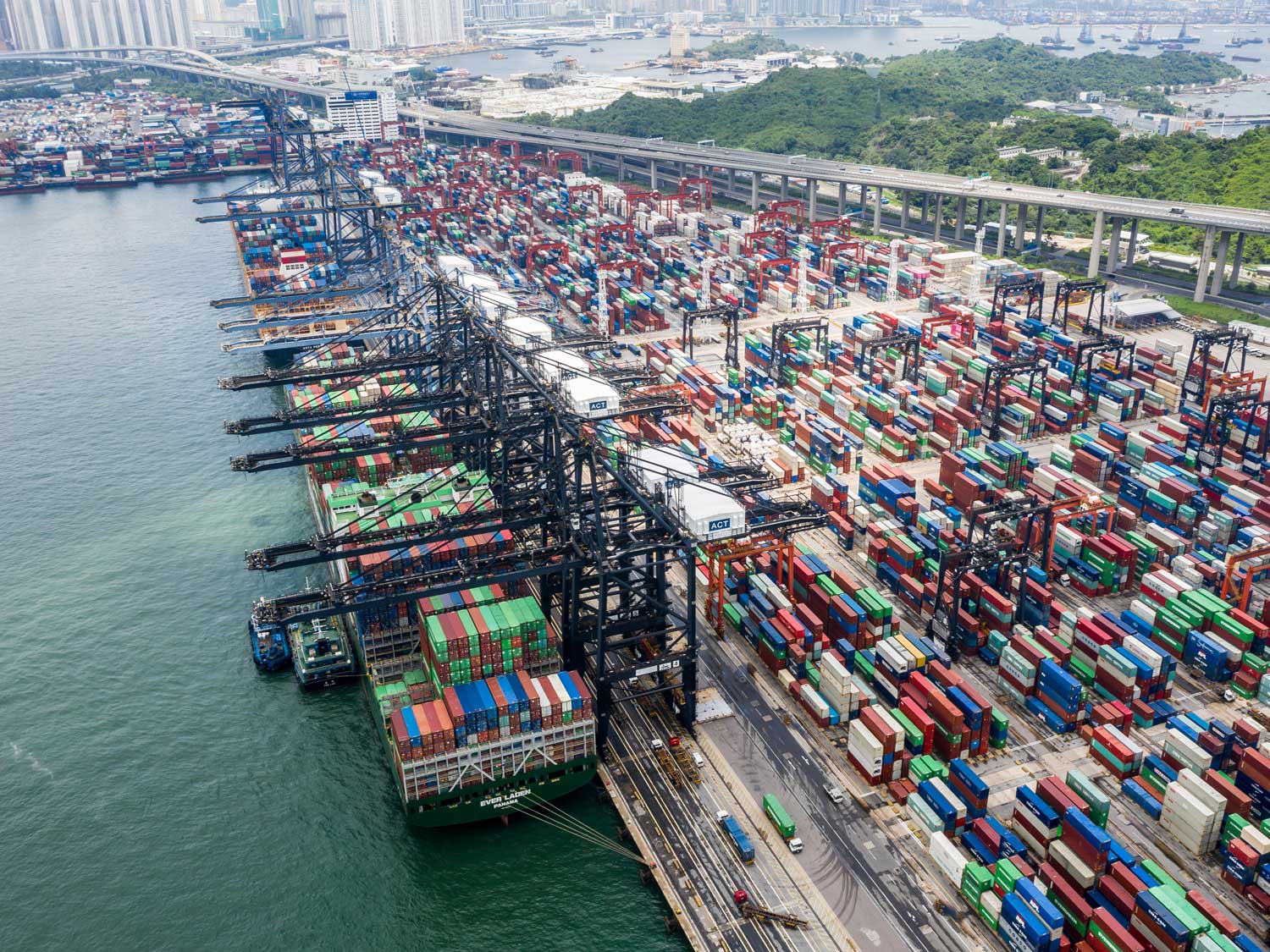
HKG port

Carriers tighten screws

Westbound Ocean Freight Capacity tightens as carriers turn screws and demand advanced bookings

The unexpected surge in East and Westbound demand in June, exacerbated by carriers withdrawing close to half the market’s capacity in May, to match expected low demand saw China to North Europe and UK rates spiking and the highest Transpacific rates achieved from Asia to The USA on record.

July’s import volumes continue to increase, following their rebound in June and this increase in demand means that many lines are now taking bookings two or even three weeks in advance of vessel closing. Some are even rejecting bookings regardless of rate level.

Carriers are now in the position where they can simply refuse to take late bookings and are imposing premiums on shippers desperate to get late cargo booked. During the Pandemic crisis the shipping lines in all three alliances have tactically and strategically balanced their capacity utilisation supply against demand and at the current time it is definitely a carrier driven market.

While we continue to get all our containers lifted, we are recommending 14+ days MINIMUM advanced notice to guarantee bookings and ensure we have secured allocations to load containers from Asia and The Indian Subcontinent.

In these challenging times it is more important than ever that we have visibility of customers’ shipping forecasts and planned container requirements. We request that you please supply a weekly update and priority list of all known movements and purchase order to ensure that we can manage your shipments, and of course your expectations!

Because lines are now only taking bookings two, three or even four weeks in advance of vessel closing, we need a minimum 14 day booking window to allocate capacity.

We work with our carrier partners on fixed validity long-term contracted capacity and pricing, to provide supply chain stability, but we rely on the support of our clients, in providing forecasts and early notice of booking requirements, in what remains a very volatile and torrid market.

To match the increase in volumes, carriers reinstated some previously blanked sailings and have left more ships active in July compared to June, but FAK spot rates still rose early this month, before settling at stable, but higher rate levels. 

So this year’s unusual peak season appears to have begun, though projections are that volumes will stay flat through to November. However, the surge in COVID-19 cases in recent weeks makes predictions difficult. 

Air freight rates from China have been rising again over recent weeks/ months, as capacity was withdrawn from the market and are now levelling, though no significant reductions are expected before the return of passenger services. 

We note increasing numbers of LCL bookings, indicating that importers are replenishing their inventory and possibly gearing up for peak season. For urgent shipments requiring proactive micromanagement please highlight these to your Metro colleagues so that we can put under scrutiny.

We are also experiencing increases in Sea/Air bookings as importers of time-sensitive shipments take advantage of falling rates from the Indian Subcontinent and Far East, via Singapore and Dubai.

Please provide as much visibility as you can on all known shipments in August through to November and assist us in assisting you to ensure on time delivery is always achieved through careful management. Forecasts are an essential tool for us to deliver seamless service.

For further information, market updates, latest schedules and much more please contact Chris Carlile or Grant Liddell for further details and we will be delighted to arrange a meeting, teams call or alternative communication to provide you with the latest market position and detail.

Sea Air

Take advantage of Sea/Air savings

Falling rates makes sea/air a very attractive commercial option, at 50% of the cost of pure air freight, from the main manufacturing areas within the Indian Subcontinent and Far East/China.

Over the last few weeks Far East air freight rates have continued to harden, as capacity has reduced from China and South East Asia. 

The Indian subcontinent has remained stable, but at high rates, due to the lack of flights into the region. Continued restrictions in trade, with local lockdowns, is impacting airport/port activity, reducing the number of air cargo carriers operating in the market.

At the same time the strategic global air freight hubs, Singapore and Dubai, have been adding air freight capacity.

This new capacity includes full cargo flights, freighters and belly-hold space, with the return of passenger flights to these major transhipment hubs, as increasing passenger demand to areas that are considered safe to travel, transit the two hubs for connections. 

This has resulted in air freight rates from these regions reducing over recent weeks making sea/air a very attractive commercial option at 50% of the cost of pure air freight from the main manufacturing areas within the Indian Subcontinent and Far East/China.

Sea/Air is a hybrid mode where the first part of the transit is undertaken by ocean freight to the midway hub and then transferred from ocean freight container to the airport to be moved on the final leg by air freight. 

Sea/Air is particularly popular with large volume shippers of time-sensitive product and those with valuable cargo, because it is both swift and ultra-secure.

The sea container is locked and sealed at the freight terminal and remains in secure areas at all times, including the sea/air transfer point, when the container is backed up to the air freight terminal, within a secure perimeter, for direct transfer to airline pallets and loaded to the aircraft. 

Singapore and Dubai offer excellent hubs due to the proximity of the sea port to the airport and also because of the large volumes of airlines that use the airports as transit hubs, that do not necessarily terminate their flights in the two countries.

Metro operate established sea/air services from The Far East and Indian Subcontinent through both Singapore and Dubai, with transits varying between 10 days (Singapore) to 20 days through to door UK/Europe and currently at 50% of the market rate of air freight. 

So a fast turn around and a relatively low cost alternative to pure air freight and the slower ocean freight platform.

Sea/Air services have not been particularly prevalent during the pandemic as both Dubai and Singapore were on full lockdown and demand was lacklustre. However with market conditions and dynamics now changing there is a resurgence in the demand and need for sea/air as an option.

For further information please contact Jimi Copperwheat Metros express product manager who will talk you through the service options, variety of different routings and cost available in the current market.