elearning

What’s happening in the world of training at Metro?

Metro has been providing internal and external training since inception, but never in such challenging circumstances.

Traditional training in the current climate has simply not been possible and while the benefits that follow learning for the individual and the organisation make the effort of finding alternative methods a worthwhile investment, the Metro training team have overcome significant challenges in continuing to train, inform and educate at a critical time.

Freight System Migration

The rollout of Metro’s new operating platform coincided with the start of the pandemic and the first tranche of the business has successfully transitioned to the new freight platform, training through the lockdown period.  

The latest software introduced is a powerful, deeply integrated global logistics execution platform, that executes highly complex shipping transactions across multiple users, functions, offices, countries, currencies and languages, which is why it is the first choice for the world’s largest forwarders.

Metro’s training team condensed Cargowise training down to six modules, which it delivered by Microsoft Teams to staff working from home, in various disciplines from bookings for sea and air freight, managing haulage and generating and transmitting documents and data within our supply chains.  

By adapting the training to action end-user acceptance testing, the team kept implementation on target and at the same time provided valuable problem solving experience for our learners…double duty training!!

Supplier and Agent Support

Microsoft Teams again proved invaluable in supporting Metro’s MVT supplier and agent users in Dubai (manufacturing garments) and Tunisia (food stuffs).

MVT enables Metro customers to manage their supply chain to SKU level, managing global inventory and and maintaining effective stock levels. 

Brexit

Metro are creating a dedicated brokerage team to handle the massive increases in import and export declarations to the EU, that begins in less than 90 days.  

The Metro training team has developed a bespoke three week induction programme to provide graduates with the knowledge and skills required to deliver this new service to customers trading with the EU.  

As this is a new team, we are increasing the people skills elements (team building, relationships, problem solving, engagement) to aid their integration across the business.  

The induction will also include a newly updated version of our Cyber Security Awareness training, to meet increasing cyber-threats, by enhancing Metro’s human firewall.  

As this is one course we have to do face-to-face we have adapted an open plan area of our HQ that will allow the new starters to maintain social distancing, whilst allowing us to provide practical exercises and team-working exercises, while keeping our people safe.

Externally Accredited Training

Our role in the supply chain means that we have staff who need to be accredited to fulfil their daily role. Throughout lockdown we have been working with providers to put staff through Dangerous Goods by Air, Air Cargo Security, ISO 14001 as well as the office based accredited training for Fire Marshal, First Aid and AED. The challenge has been to make the most of this window of opportunity before a second lockdown.

Reallocation of People

As some industries cut back as a result of Covid-19 others increased their freight movements and volumes, which meant that Metro had to reallocate our human resources across the business to maintain customer service levels and keep up with demand.  

For some of our people this meant that they had to quickly develop new skill-sets, such as evolving from importing focus to exporting.  

This change of skill set meant that the staff and managers needed support from our Training & Career Development Manager, to help them negotiate the change transition and enable the departments to maintain service delivery. So far so good.

2020 has been a year when learning & development has taken a big hit but like all aspects of Metro’s business, it has adapted to new ways of working, to be there when our people need us.

Metro is recognised within the logistics industry as one of the most progressive and pro-active businesses to focus on training and improving colleagues knowledge. 
FXT slave loading

Vehicle booking improvements at Felixstowe

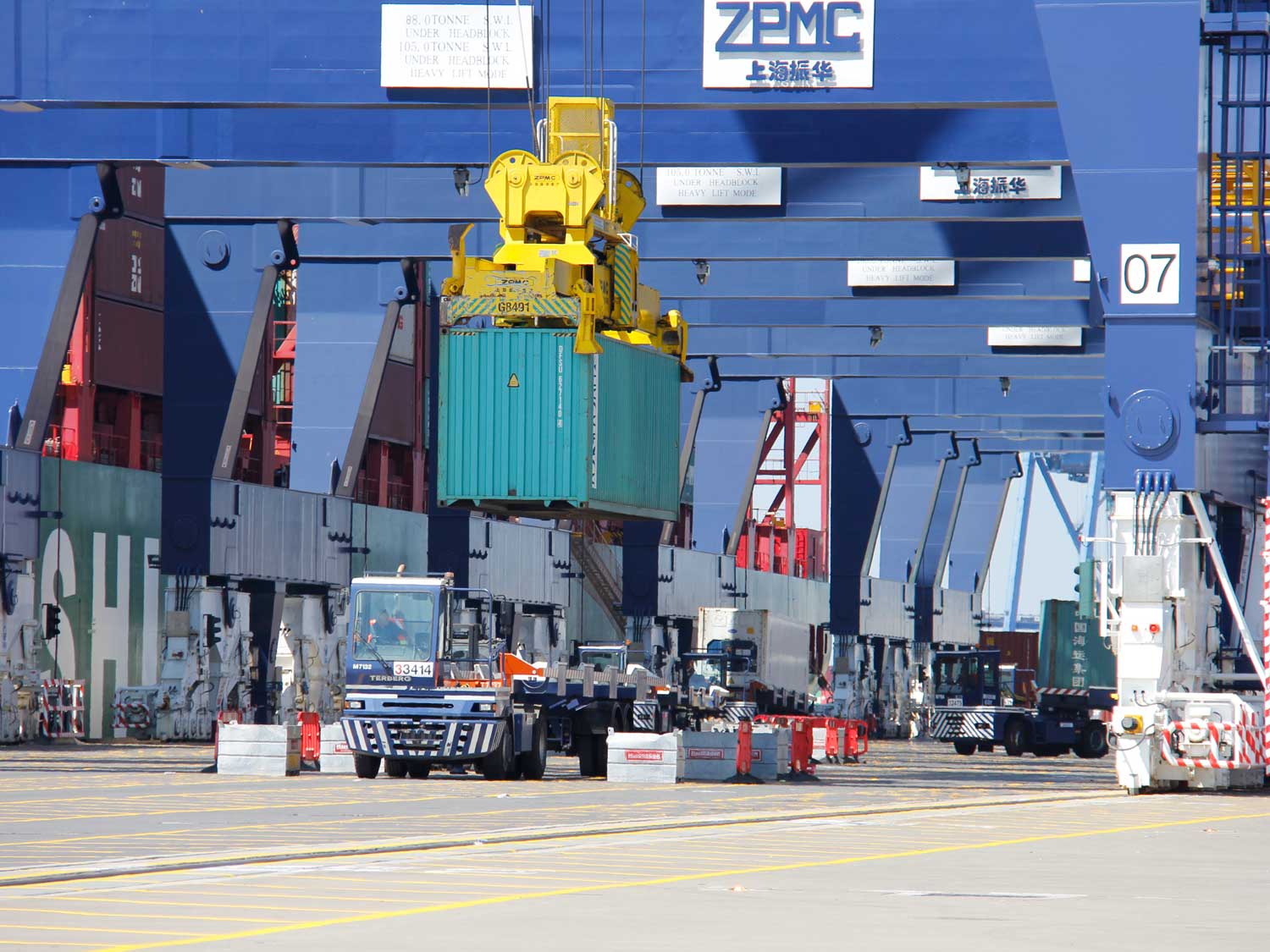
In light of the recent criticism and industry-wide complaints concerning delays and service levels, the Port of Felixstowe – the UK’s largest and busiest container port - introduced vehicle booking changes on Monday, to improve service and lessen the delays on its terminals.

One of these changes is to the ports VBS (Vehicle Bookings System), which is primarily used as a real-time appointment system for hauliers to deliver or collect containers from the port. 

The system allows hauliers to select an available time for their visit, which should allow the port to proactively manage demand and provide an efficient turnaround. 

Although VBS has been used at the port for around seven years now, it has traditionally suffered with its own challenges such as available slots at peak times, hauliers booking more slots than they may need and slow turn times. 

To try and resolve this, the port released 1,600 additional vehicle booking slots (VBS) in the last few weeks, extended Sunday opening hours and claim that on average, 749 VBS slots remain unused each day, despite the large number of containers waiting collection.

The large number of unused booking slots has been blamed on some hauliers securing as many bookings as they can and then returning unwanted bookings at the last minute, by which time they are of limited benefit to other hauliers. 

In one week 11,704 bookings were returned and 6,679 bookings were unused.

Felixstowe has increased the number of bookings available on both terminals and, to ensure a more equitable and efficient distribution of bookings, they introduced the following changes to vehicle booking slots (VBS) on Monday:

  • All bookings between 11:00 and 19:00 without a container associated with it four hours before the time of the booking will be lost and automatically reclaimed by the system; all other hours remain unchanged
  • Reclaimed bookings will be re-released for general use but it will be mandatory to attach container details at the time of booking

The port has also committed to making additional information available on its website to show the number available, the number taken, and the number that went unused during the day.

Whilst the port hopes that these changes will improve its efficiency, there will still be some scepticism from its users, and many hauliers, shipping lines and cargo owners will want to see the evidence of these improvements in the coming weeks. 

For hauliers, it may initially create some additional administration work as they will need to have the container number associated with the booking within four hours, or lose it, but there are other benefits such as less need to book days ahead to ensure getting a slot. 

We welcome the increased availability of VBS slots increase, but a scarce haulage resource is now spread even thinner, with the recent vessel diversions from Felixstowe into London Gateway, and Southampton, or simply omitting the UK entirely, impacting operations at these ports. 

Metro has established relationships with our shipping line and haulage suppliers, enabling us to use a combination of line, merchant, and preferred road & rail haulage and ensure we are proactive in our intermodal solutions. Our dedicated teams and multimodal experts are always on hand to make sure that our service and communication can keep your supply chains moving.

Colombo

India’s container shortage spreads

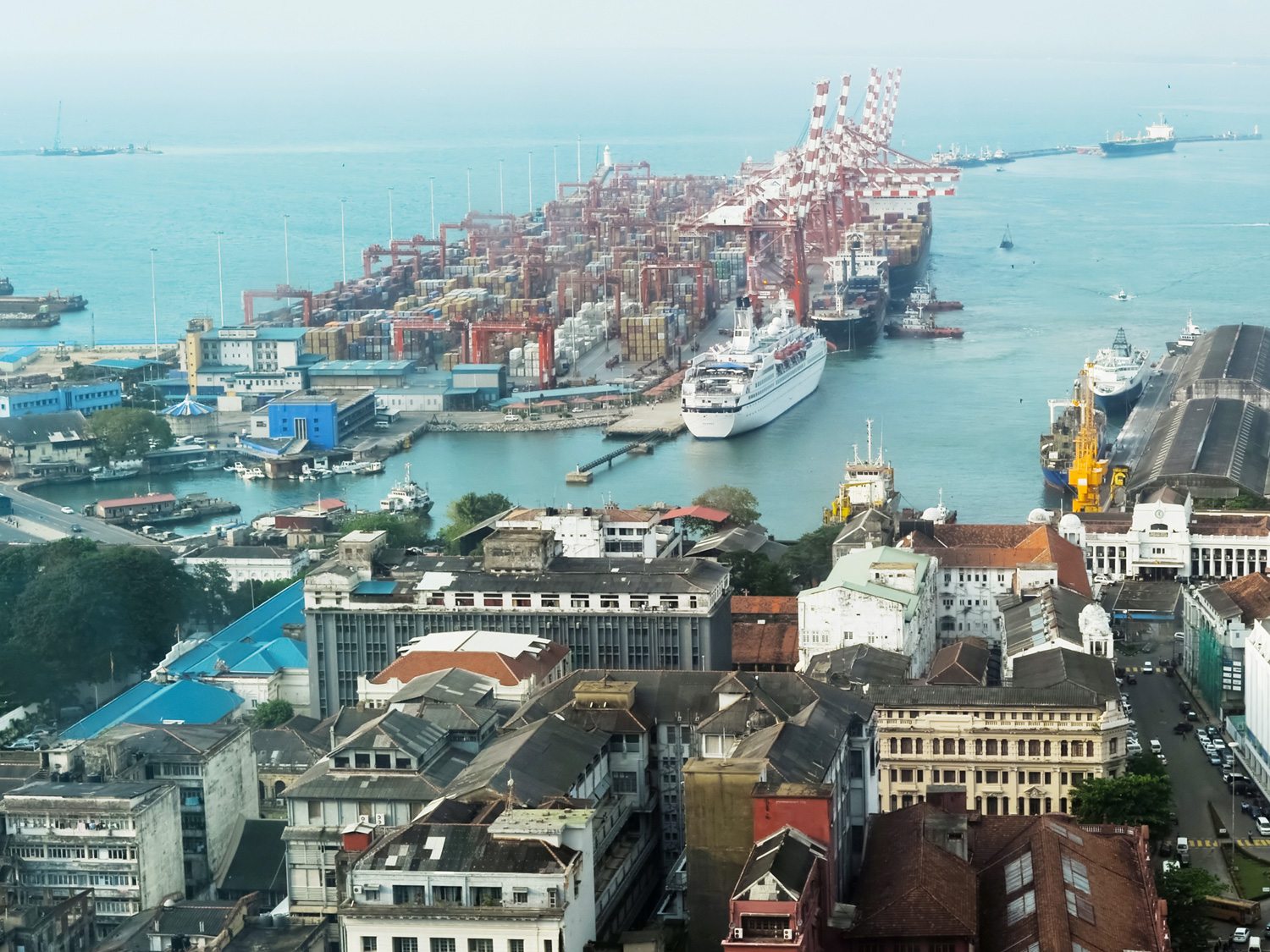
The anticipated equipment shortages in Asia are spreading as importers in the United States and Europe struggle to return empty containers to Asian manufacturing hubs, with India, Sri Lanka and Bangladesh hit particularly hard.

The container imbalance followed the spike in imports to the US and Europe, after the reopening of their economies and now carriers are having difficulties repositioning empty containers for return to load ports across Asia.

While western economies began reopening early in the Summer many Asian economies, most notably on the Indian subcontinent remained in pandemic-induced lockdown, followed by trade disruption and significant falls in imports, which has contributed to the shortage of containers that is affecting exports to Europe and the US, with some Indian exporters having to wait for 5 to 10 days for containers as compared to 0-1 day pre-Covid.

We are aware of reports from Colombo of a waiting period of three to four weeks for further connectivity of containers, which has resulted in congestion. 

The lockdown induced drop in demand for imports encouraged shipping lines to divert vessels, which had been idled during the Covid lockdown, to more profitable trades,  exacerbating supply and demand gaps on the major intra-Asia trading routes.

And with a lack of containerships calling at Indian ports, many carriers have cut short their container lease positions, which has made the shortage even more acute and led to additional costs and time to reposition boxes.

With high demand on almost every route, delays and freight rates are increasing, with no sign of earl respite.

Shortage of equipment from all shipping lines is expected to continue for the next two to three months.

China to India rates are almost double pre-Covid levels, leading shipper representatives to call on the government to set up a regulator to rein-in what many feel are the “monopolistic” practices of shipping lines.

Metro are doing all we can to mitigate container shortages, by working with partner carriers that support us as a VIP customer. In addition, we are encouraging customers to provide forecasts of containers so that we are able to pre-book equipment release at each origin at least 14 days in advance of collection. 

For further information, please contact Ian Barnes or Grant Liddell who are monitoring the global container markets on a daily basis. 

container lorry queue

UK container ports continue to struggle

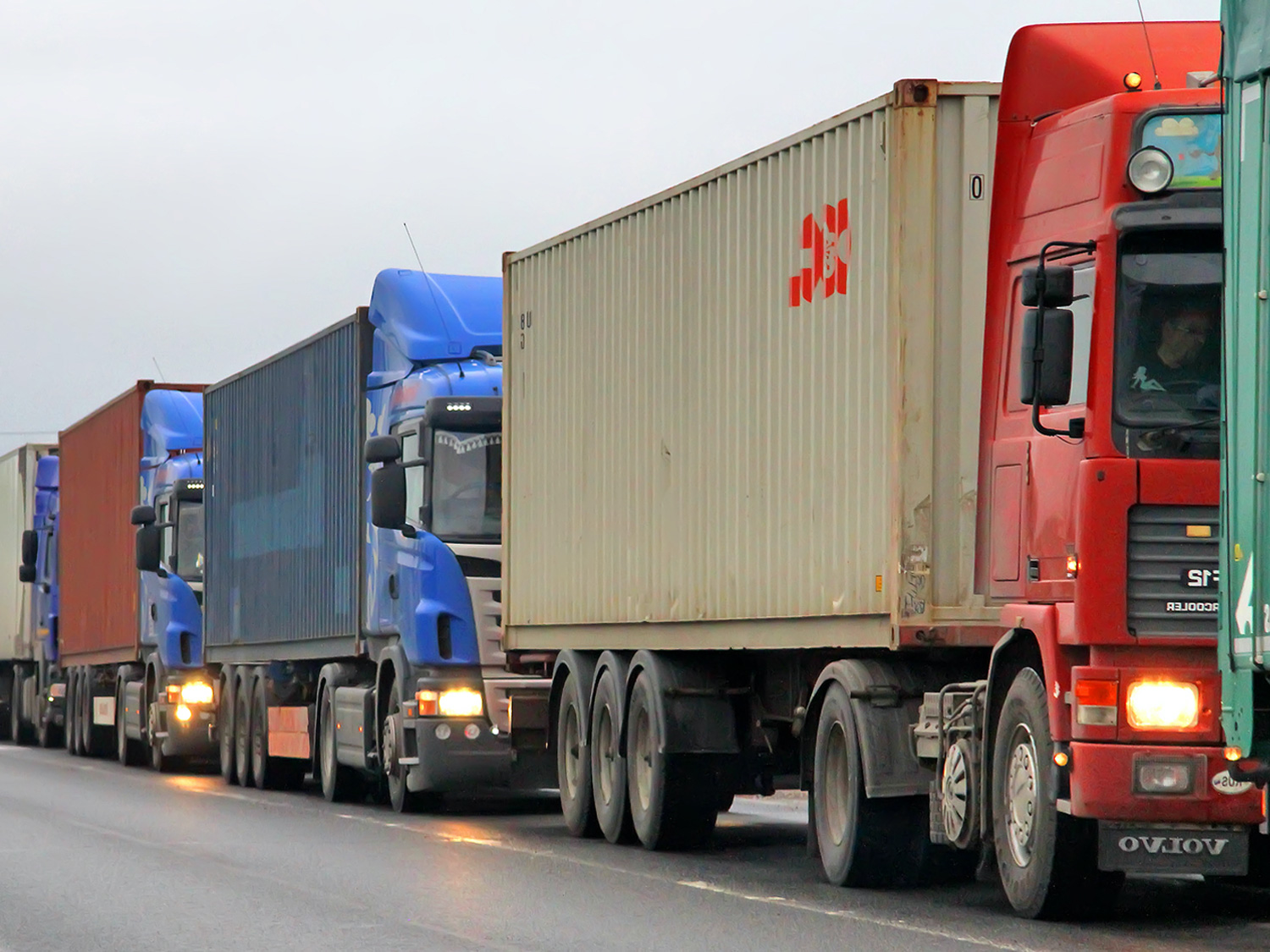
After weeks of complaints from port users, shipping lines, hauliers and cargo owners, there is some hope that Felixstowe’s service levels may be improving, but similar challenges are now being experienced at other key container ports.

After the recent well-documented service issues, delays, and industry frustrations surrounding the performance of the Port of Felixstowe, blamed on a sharp spike in volumes and a high proportion of late vessels, there is hope that the worst may be over. 

Increasing numbers of vessel diversions, added to port user complaints, seem to have encouraged the ports management to take steps, that will address the situation. 

The Felixstowe container yard remains at a high density, but measures have been introduced to manage the flow of containers to and from the port which were reported to be having a positive impact.

The port has released over 1,600 additional vehicle booking slots (VBS) in the last few weeks, extended Sunday opening hours and claim that on average, 749 VBS slots remain unused each day.

The reintroduction of empty restitution is welcome and we have seen the availability of VBS slots increase, but turnaround times for our drivers remains slow, and Covid changeover/peak times are still unchanged. 

Port management claim to have handled increasing numbers of containers through their rail terminals and are working with all operators to further improve the volume of containers moved inland during the coming days.

Labour availability at the port is improving and they welcomed the first intake of new operational staff since lockdown measures eased at the end September, with100 additional equipment drivers being recruited.

Overall empty container evacuation is increasing as carriers reposition much needed empty containers back to Asia, where export volumes to Europe and the US remain very strong.  

The recent vessel diversions from Felixstowe into other ports, including London Gateway, and Southampton are impacting operations at these ports, as they try to accommodate the unplanned additional volumes. 

VBS availability is reducing at peak times and there may be some handling delays where park areas are limited in the number of units per hour by area.  

Southampton also has challenges, with import volumes now 30% higher on average than in August. 

Volume on the quay is very high - overall yard capacity (import/export and empties) is at a record level - and dwell time is increasing as haulage capacity is reached, creating challenges for delivery availability.  

Metro has strong working relationships directly with the ports, carriers and haulage partners, that ensures we are informed and can react swiftly to any issues the ports may face. 

Keeping our customers informed through their account management team and via our award winning MVT supply chain visibility tool means we can limit the issues they face, to keep supply chains moving and avoid unnecessary costs.