China shipping container

Trans-Pacific demand impacting Europe trade

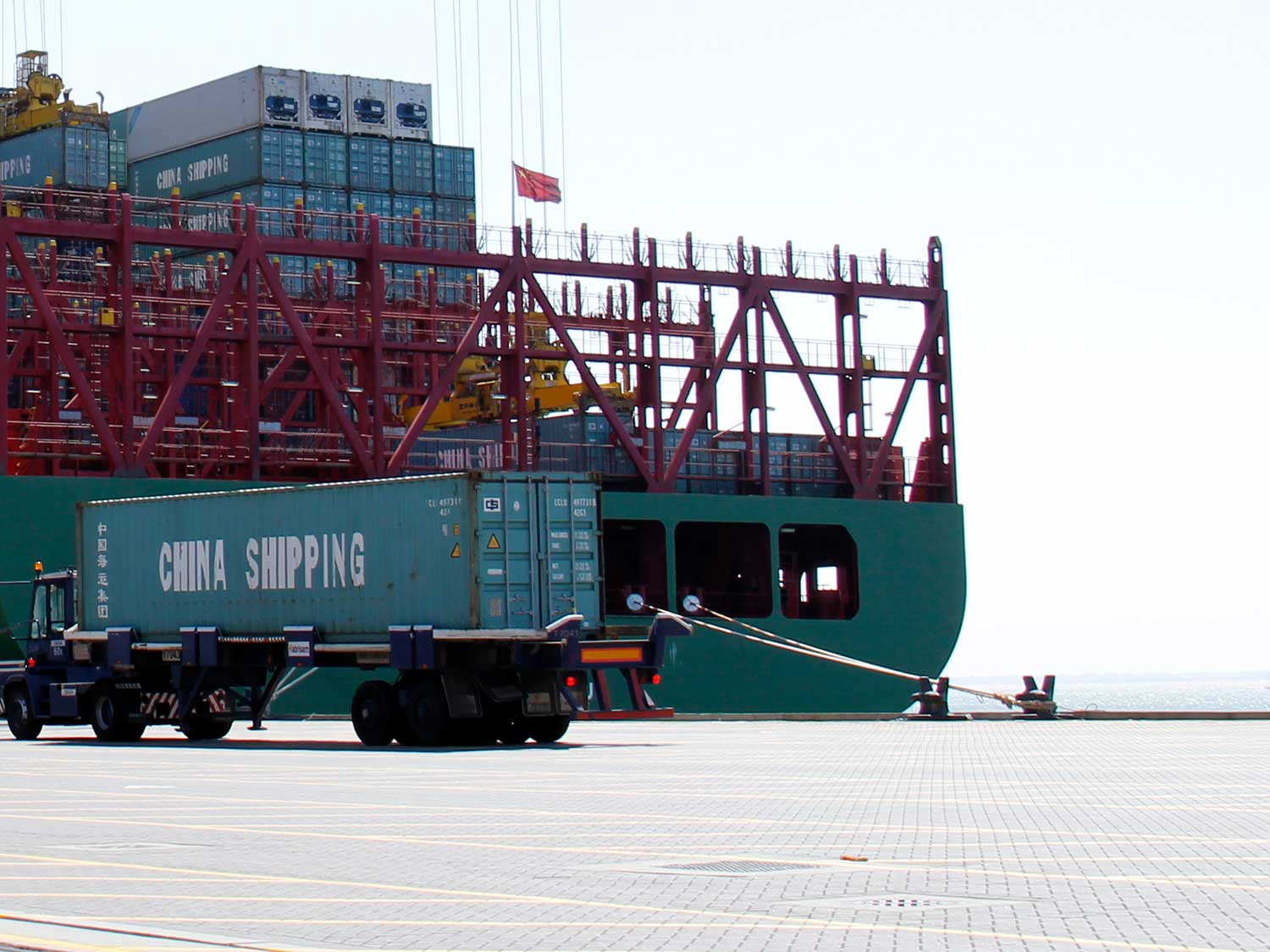
The large numbers of empty containers stranded in Europe, due to blanked sailings, has led to equipment shortages in Asia, which is being exacerbated by shipping lines diverting empties to more profitable trans-pacific services.

On the 10th September we reported how UK port operations had been severely diminished and inland distribution massively disrupted by the coronavirus, lockdowns and safe-working practices, delaying the unloading of containers and repositioning of equipment back to China.

As European importers struggled to return empty containers to China, fears grew of container shortages threatening supply chains in the peak shipping season.

The unexpected US and European demand spikes in July and August that followed the reopening of the economy, had left carriers struggling to reposition empty containers in Asia and especially China, leading to equipment shortages, particularly in India and the sub-Continent.

With rates almost 200% higher than 2019 on the trans-Pacific trade, many carriers are diverting empties in China and have begun to move empty containers from other Asia origins, including India, into China to serve the lucrative trans-Pacific trades, increasing equipment shortages spread on the Europe trade and across Asia.

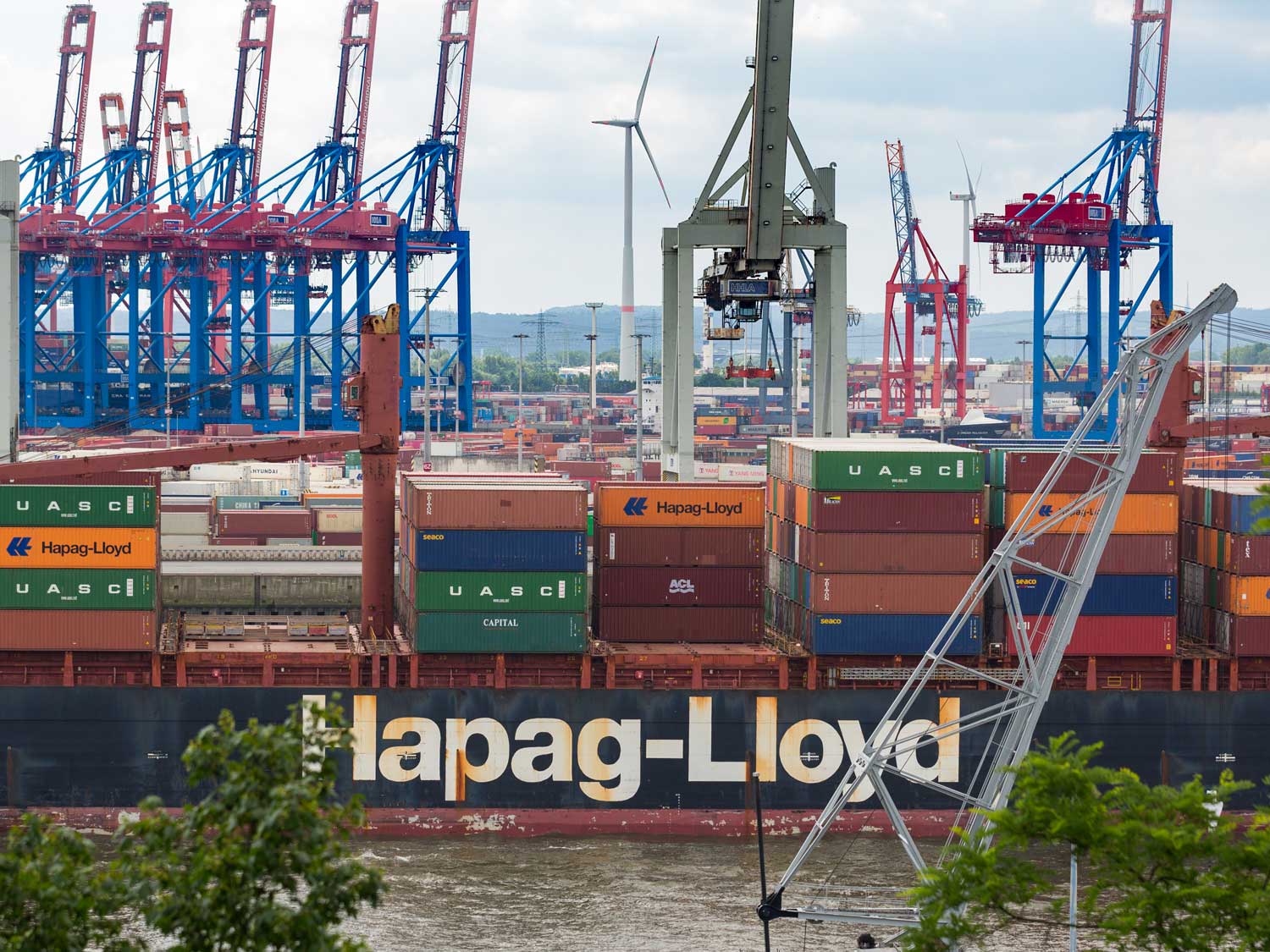
Efforts by the lines to maximise the revenue potential from China not the US has seen Hapag-Lloyd suspend liftings of some agricultural shipments in order to rush empty containers back to Asia, leaving exporters to express concern that other carriers may follow.

Containers are a finite resource, and with US importers willing to pay the most for a container, many lines won’t move a container westbound when it can be moved on the US trades for up to four times the price.

The situation has been exacerbated because so many empties in the UK and Europe have been stranded after the carriers withdrew extensive amounts of capacity to match anticipated weak demand during and after COVID-19 lockdowns, leaving containers stranded at the wrong end of the supply chain.

Container availability varies by type and locations, with many in short supply across many Asian hubs. The situation has been particularly acute in Shanghai, Shenzhen, Ningbo, Dalian, Tianjin, Qingdao, Xiamen, and Fuzhou. 

The current US import surge has actually resulted in a 20% increase in capacity on 2019, which many observers think is not sustainable and could result in excess capacity in the trade, but not until early 2021, which means that equipment shortages could persist for some time.

We continue to do everything possible to locate our customers preferred equipment, by working closely with partner carriers and we would urge shippers to pre-book equipment as early as possible. 
Hapag Lloyd

Rates – reliability = frustrated shippers

Container shipping rates from Asia to Europe have soared to a five year high, while reliability falls to the lowest ever level recorded.

The rapid recovery in post-lockdown demand has driven up volumes on the trans-Pacific and Asia-Europe trades, with global volume rising for the first time this year in August, up 1.5% on 2019.

It is expected that the carriers’ third-quarter earnings will see the lines take another step towards the industry’s best annual financial result in years, predicted to be about $9 billion if rate levels can be maintained.

At the same time their profitability is reaching giddy heights, the container shipping lines’ schedule reliability plummeted to its lowest ever level in August.

According to the latest Sea-Intelligence’s schedule reliability report, global average on-time performance dropped from 79% in 2019 to 63.7% in 2020. The lowest level recorded since the inception of the report in 2011.

In their defence, the lines will likely suggest that this failure is large part due to demand and operational issues stemming from the COVID pandemic, but it is important to note that Sea Intelligence’s reporting is measured by actual time of arrival against the published schedules and blank sailings are not included. Volumes of blank sailings reflect schedule integrity, rather than on-time performance.

Only 7 out of the 60 carriers measured in both July and August 2020 showed an improvement in reliability in August versus July, and they were all smaller niche carriers.

For individual trade-lanes the measurement is done on a rolling 2-month average basis to eliminate volatility. Yet even with this, the July/August performance had 5 trades where reliability dropped more than 20% compared to same period last year and another 16 trades where the decline was more than 10%.

And while Hapag Lloyd are sharing their performance publicly on their website and working to be accountable, they are dependent on the performance of their alliance partners, to assuage shippers who have experienced sharp declines in service quality at a time when freight rates are setting new record highs.

Excessive demand has seen cargo rolled on the busiest routes, a situation that is exacerbated by the poor shipping line reliability highlighted in this article.

Our account management teams work closely with origin teams, to monitor changing local conditions and their commercial colleagues to assess the best carrier options for their customers’ forecast shipment bookings.

It is in situations like these that our supply chain management tool, MVT, is invaluable, because it provides critical supply chain visibility and makes it simple to adapt product flows to new routing opportunities.

For further information contact Ian Barnes who will be happy to help. 

food study

Air Freight Demand Continues to Fly

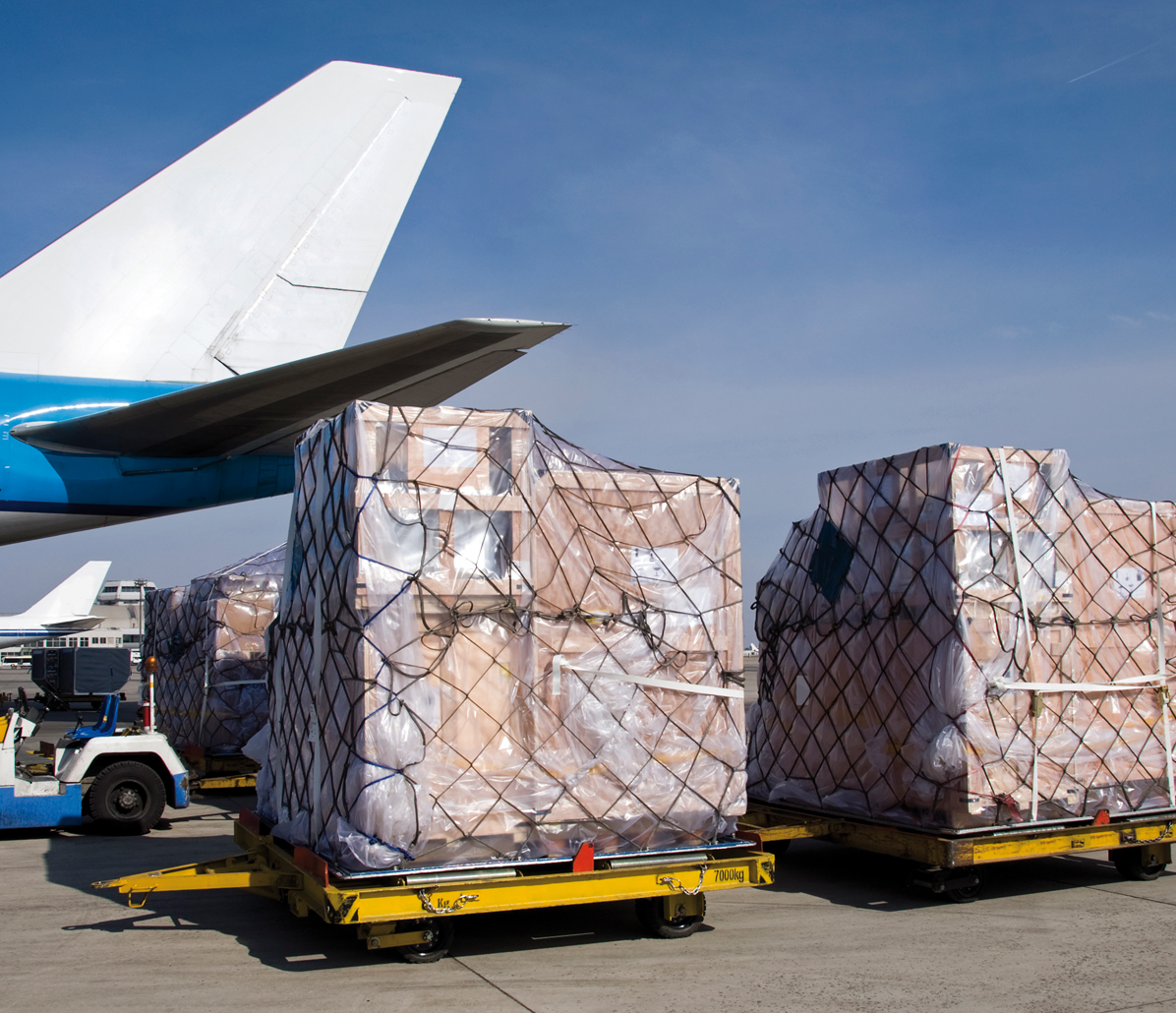
Further to recent reports of increased demand for air freight from Asia and generally around the Globe we have seen a continued increase this week in demand from China and the Asia Region.

There have been many launches of tech products by Apple, Samsung and Sony and most are running later than expected so air freight has become the prime mode of transport. In addition general business and products required by retailers and manufacturers due to depleted inventory have soared over recent weeks as we go deeper into the final quarter of the year.

The result has been carriers, both full freighter operators, Passenger freighter carriers and the still very limited passenger flight airlines have increased significantly with an average of a USD2 per kilo rise from China this week alone, in the last 72 hours.

The air freight market is also seeing demand further increased, as ocean freight shipments are transferred to air freight, to reduce transit times that have been extended by vessel delays, port blanking’s and the interruption of component and raw material supply chains to manufacturers.

In addition it has been announced today that Brazil will be taking a vaccine called ‘Coronavac’ from China and we anticipate this will have a profound impact on the air freight market from the region, especially if more nations begin to procure the vaccine in huge quantities.

We are also seeing a resurgence of PPE products in the air cargo market as the pandemic continues to increase its hold globally which are being ordered by national governments to stock up for the winter period.

Exacerbating the situation, air cargo capacity is still limited, with a ceiling created by  grounded passenger fleets, which remain idle due to the lack of passenger demand.

The air freight market has probably not been this busy generally on a global basis in the last 30 years.

Metro have taken several measures to protect our clients during this period, including chartering of full and part aircraft, creating and using unique routings and reintroducing  dedicated Birmingham airport hub.

We are also increasing capacity agreements with partner airlines, particularly from our sea/air hubs in Singapore and Dubai which remain very competitive, offering accelerated transits over ocean and rail freight.

It is absolutely imperative that you provide forecasts for your ocean freight and air freight as far ahead as possible, but at least over the next few weeks, so that we can block capacity and ensure we have the appropriate solutions in place to meet your transit expectations and deadlines. 

For further information please contact Grant Liddell and Chris Carlile for latest news relating to the air freight market conditions.

container haulage

The perfect storm threatening container haulage is continuing

All parts of the UK have been impacted, including ‘essential’ freight, logistics and supply chain sectors, but the container haulage industry has been hit particularly hard, with many challenges still to be overcome.

Six weeks ago Metro wrote about container haulage operations and how it had been impacted by massive increases in demand, at a time of reduced capacity, all of which had been further complicated by the COVID-19 pandemic.

We have to report that despite the passing of time and lifting of restrictions in many regions, container haulage operations continue to be impacted and are showing no signs of improving any time soon.

It is of particular concern that issues with the vehicle booking system (VBS) continue at Felixstowe, despite the port claiming that the system has spare capacity each day.

Our direct experience is a continuation of delays in getting containers off the port and our haulier partners insist that the “spare” VBS slots are either at the wrong time of day, or the wrong terminal. 

We understand that the port has had significant challenges to overcome in recent times, but so has the whole UK logistics infrastructure and it is disappointing that they continue to make public statements that are totally at odds with port users’ experience.

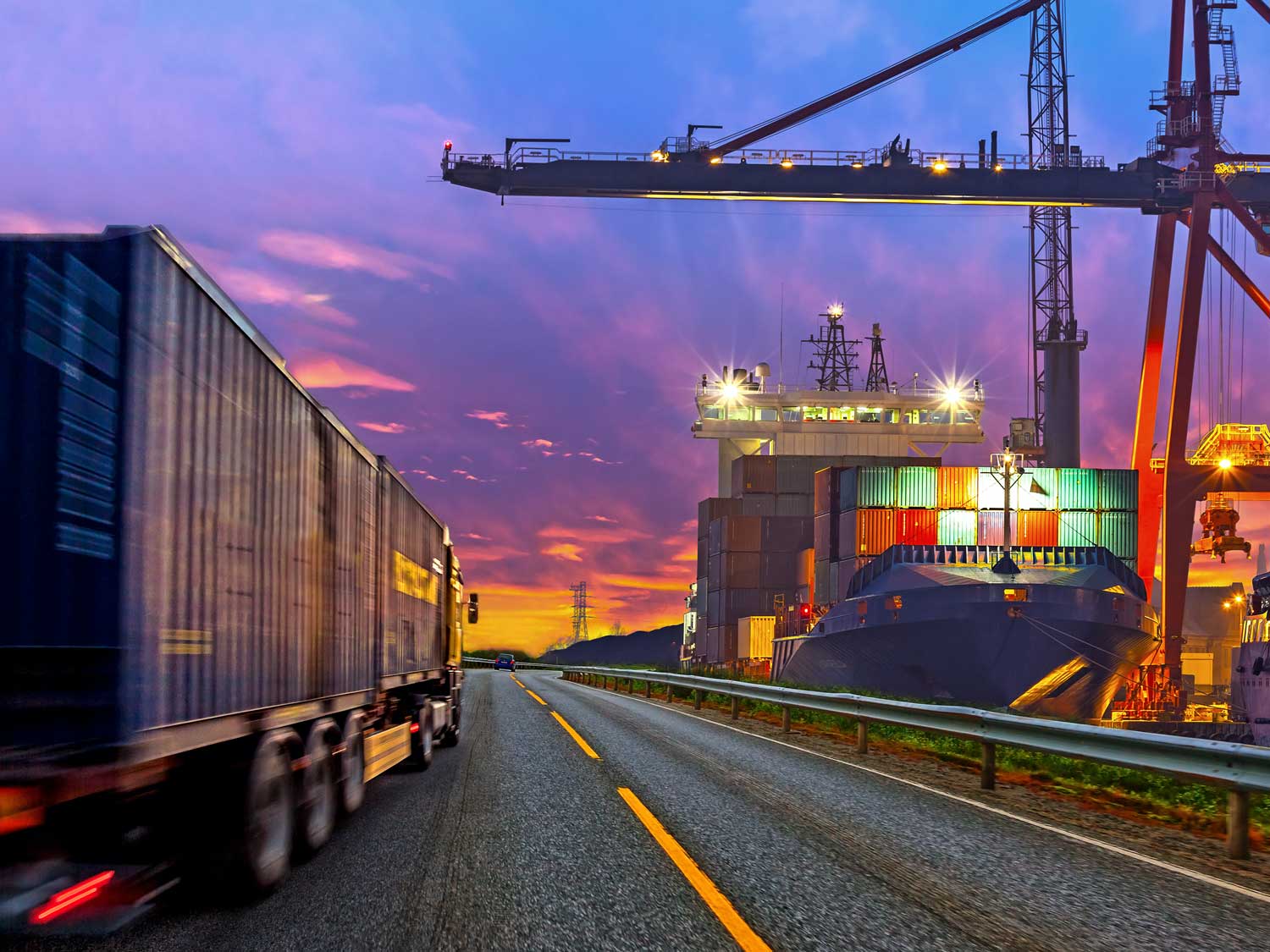
Increased demand on road haulage

  • Almost 25% of containers move inland by rail. Services have been reinstated, but Felixstowe in particular have capped rail capacity to provide a sustained service following port congestion.
  • Inland rail terminal congestions, recently at F/liner Manchester the empty back log from Felixstowe closure and the overall volume lead to serious haulage delays, with train service diversions or cancelled.  
  • Increasing high volumes of ‘peak season’ containers – particularly at Felixstowe and Southampton – have no rail connections, creating congestion at the terminals and putting greater pressure on pure road transport.
  • Vessels schedule disruption, due to earlier changes to transit, weather delays and Covid related issues, are disrupting haulage forecasts.
  • Vessel call time increasing, 3-4 days in port not uncommon leading to issues over container discharge time vs delivery.
  • Congestion and port disruption means vessels are being increasingly diverted from original port of destination, putting pressure on new port of arrival and exacerbates road performance, as equipment is out of position.
  • Rail failures as vessels arrive late, with trains scheduled to depart, but booking windows impacted as containers are not available as expected.

Reduced road haulage capacity 

  • Trailers handed back during the pandemic are not being returned, which is really impacting drop and swaps.
  • Drivers who were furloughed have moved into other sectors which pay better, reducing the pool of qualified drivers available to the container sector.
  • Agency drivers are available, to fill some of these gaps, but the container sector can’t afford to pay them, particularly as many hauliers lowered tariffs during the lockdown, under pressure from the lines and cannot now recover rates.
  • Many EU drivers that have travelled overseas for holidays have not returned due to Brexit transition and quarantine regulations.
  • Delivery booking windows
  • Depending on port and destination, haulage booking window whether carrier or Merchant can be 10 days +

Ports

  • Vehicle booking system (VBS) availability and vehicle turnaround times are restricting hauliers collecting imports, on time performance reducing and the vehicle productivity reducing  placing pressure on haulage.
  • Increased costs and rates.
  • Operations slowed - through increased volumes and carriers are struggling to accommodate empty receipt back at the ports and a number are having to use off dock solutions, resulting in congestion and delays.   

COVID related impacts

  • Regular operational pauses for deep cleaning and COVID safe working practices at all ports means that terminal operating hours have been slashed, creating delays in all areas.
  • DC and warehouse social distancing measures are resulting in much slower container unloading, creating delays inland and reducing the numbers of collection/ deliveries drivers can make, including complete cancellations due to drivers hours.
  • DC’s and warehouses struggling to cope with late arrivals and still working with reduced hours and social distancing resulting in unload failures and then having an effect on next day delivery/ collections.

We anticipate that the current situation will continue through October and into November and then potentially improve as volumes taper and adjustments are made to the haulage fleets, providing service levels improve at Felixstowe.

At Metro we are working proactively with our customers, partner hauliers and rail providers to avoid delays or disruptions to first/final mile movements and transport movements nationally. 

Please contact Grant Liddell or Ian Barnes for the latest updates and market position.