Climate volatility is becoming an increasingly important cold-chain risk, as extreme temperatures, disrupted transport networks and the developing El Niño pattern threaten the reliability and cost of moving perishable goods.
For food and beverage supply chains, weather has always influenced production and logistics. What is changing is the frequency, severity and interconnected nature of that disruption.
Higher ambient temperatures put refrigeration equipment under greater strain, while floods, storms, drought and infrastructure disruption can extend transit times and increase the risk of temperature excursions. At the same time, changing weather patterns are affecting where food is produced and how it reaches major consumer markets.
El Niño could amplify those pressures through late 2026 and into 2027, just as Europe and North America become increasingly dependent on refrigerated imports from Latin America.
Cold-chain trade is shifting south
The geography of refrigerated container trade is changing. North-south reefer trades are growing faster than traditional east-west flows, with North America and Europe importing 1.49 million TEU of refrigerated goods from Mexico, Central America and South America during 2025 – an 8.9% increase year on year.
South America is becoming increasingly important for products ranging from fresh fruit and vegetables to meat. West Coast South America–North America reefer trade has grown 24% over five years, while Peru has emerged as an increasingly significant source of refrigerated imports.
That growing dependence means disruption to Latin American production or shipping can have consequences thousands of miles away.
El Niño could disrupt harvests and shipping
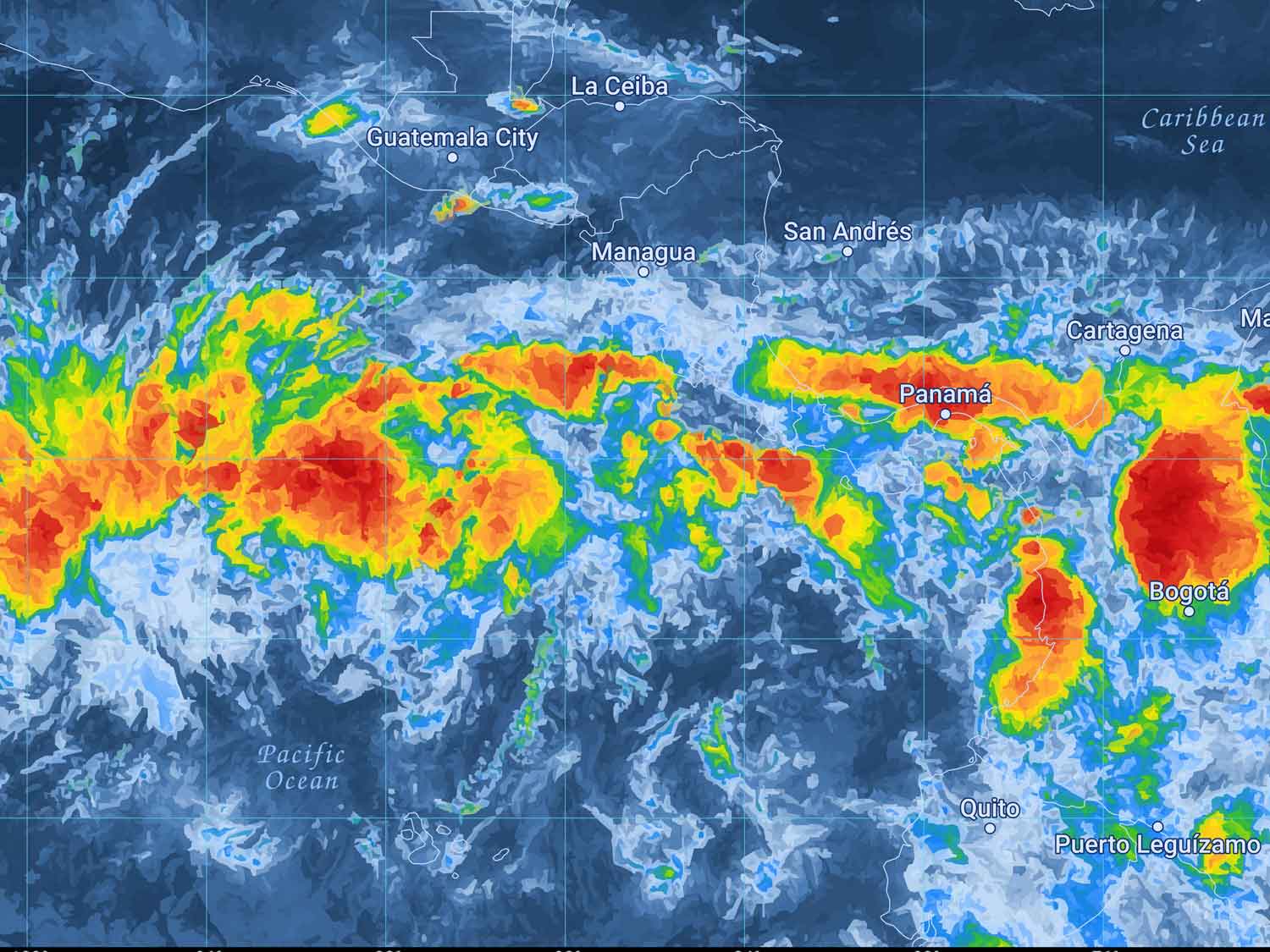
The developing El Niño pattern creates risks at both ends of the supply chain. Its effects are forecast to peak during the fourth quarter of 2026 and first quarter of 2027, coinciding with the Southern Hemisphere harvest season.
Parts of South America could experience alternating drought and coastal flooding, threatening agricultural production and export flows. Chile, Colombia and Peru are among the markets considered particularly exposed.
Demand for food does not disappear when production is disrupted. Buyers may instead need to switch sourcing regions, creating sudden changes in trade flows and demand for refrigerated equipment and vessel capacity.
The Panama Canal adds another complication. Falling water levels and tighter transit restrictions can reduce vessel intake and disrupt schedules on an important route connecting Latin American production with Northern Hemisphere markets.
Heat increases the risks in transit
Climate pressure does not end once produce has been harvested. Higher ambient temperatures increase the thermal load on refrigerated containers, warehouses and transport equipment. Refrigeration systems work harder, energy consumption rises and equipment operating close to its limits becomes more vulnerable to reduced efficiency or failure.
The points between temperature-controlled environments become particularly important. Loading, unloading and other handling processes expose cargo to ambient conditions, reducing the margin for delay when outside temperatures rise.
Extreme weather can simultaneously close roads, disrupt ports, interrupt power supplies or delay vessels. For temperature-sensitive food, an extended journey is not simply an inconvenience: it can affect quality, shelf life and ultimately product viability.
Reefer capacity is already under pressure
These risks are developing against an already firm refrigerated freight market. Reefer plug availability remains limited in some locations, alongside supporting equipment such as chassis gensets. Elevated fuel costs and strong overall container demand are also adding pressure.
The composite refrigerated freight index for the third quarter of 2026 is 20% higher than a year earlier.
For lower-value agricultural commodities, freight inflation can become particularly significant because logistics represents a greater proportion of the product's value.
Weather disruption could tighten the equation further. Changes in harvest volumes, sourcing locations and shipping routes can create sudden demand for reefer equipment in places where it was not originally positioned.
Cold chains need to become more adaptable
As historic weather patterns become less reliable, cold-chain planning increasingly needs to account for conditions outside traditional assumptions.
Real-time temperature monitoring can identify excursions before they compromise cargo, while greater visibility across transport legs helps businesses respond when delays occur.
Contingency routing and alternative sourcing can reduce dependence on individual gateways or production regions. Reviewing refrigeration performance, backup power and thermal protection can also help identify vulnerabilities before extreme conditions expose them.
For importers, the objective is increasingly to understand the entire cold chain – from changing conditions at origin through ocean transport and port handling to final delivery.
The coming El Niño cycle provides a timely reminder that temperature control alone does not create cold-chain resilience. Sourcing, capacity, routing, equipment, monitoring and contingency planning all need to work together.
Protecting temperature-sensitive supply chains
Metro has extensive experience supporting the food and beverage sector and managing complex temperature-controlled supply chains from origin to final delivery.
Our global network, cold-chain expertise and access to alternative carriers, routes and solutions give customers the flexibility to respond when weather changes production, capacity or transit conditions.
When product integrity and shelf life leave no room for error, EMAIL Andrew Smith, Metro’s Managing Director, about building a cold chain designed to keep performing when conditions do not.