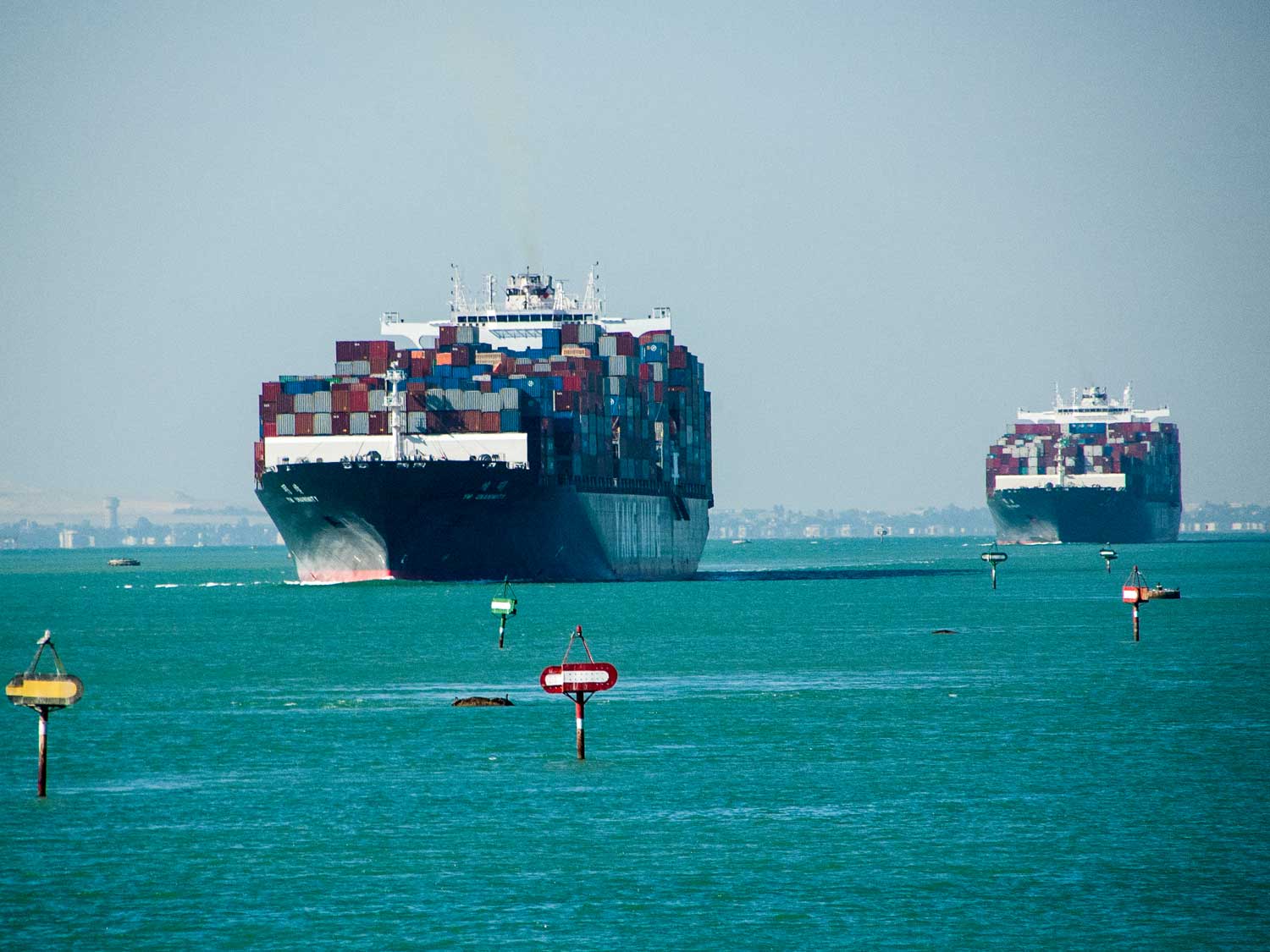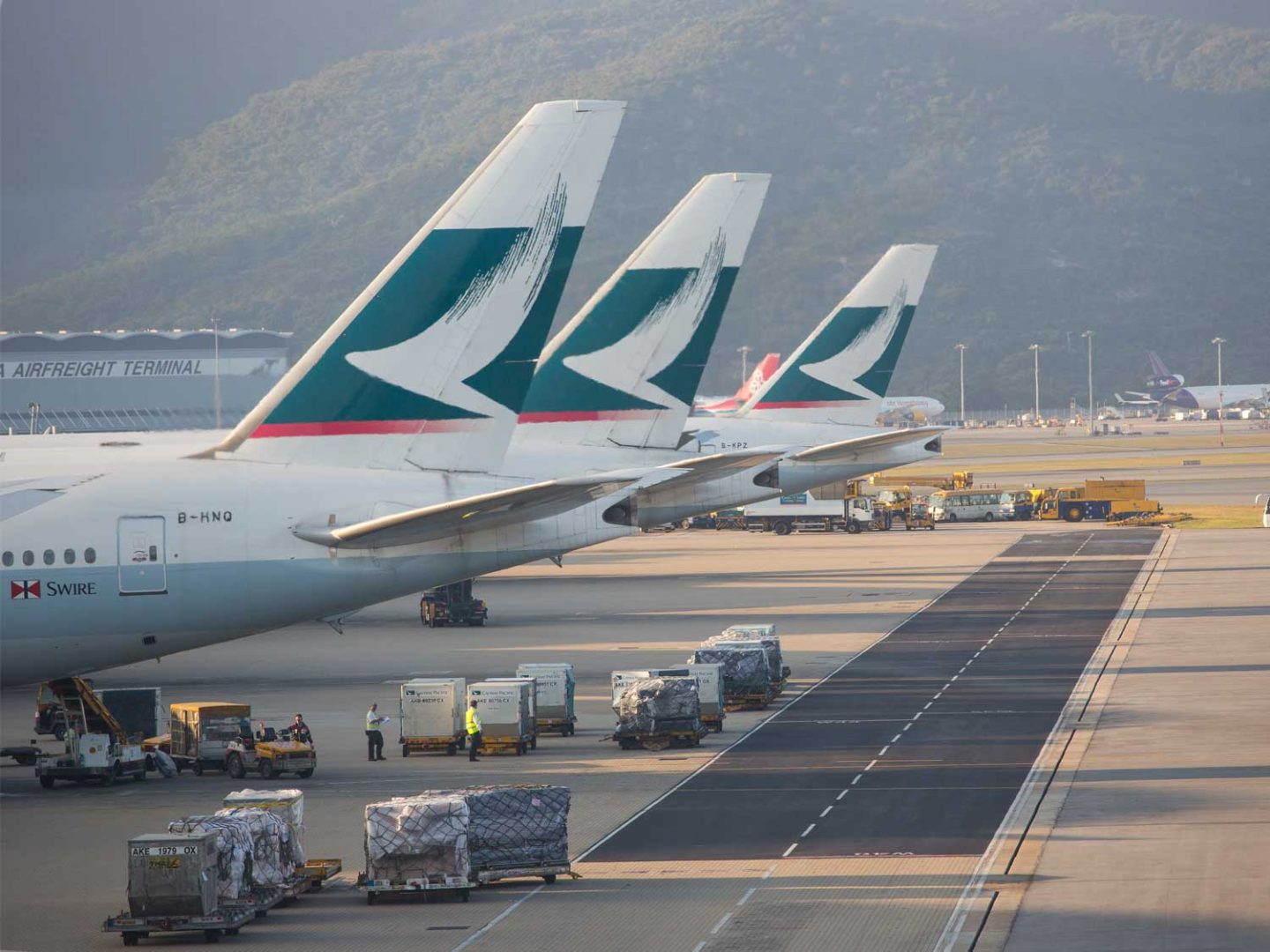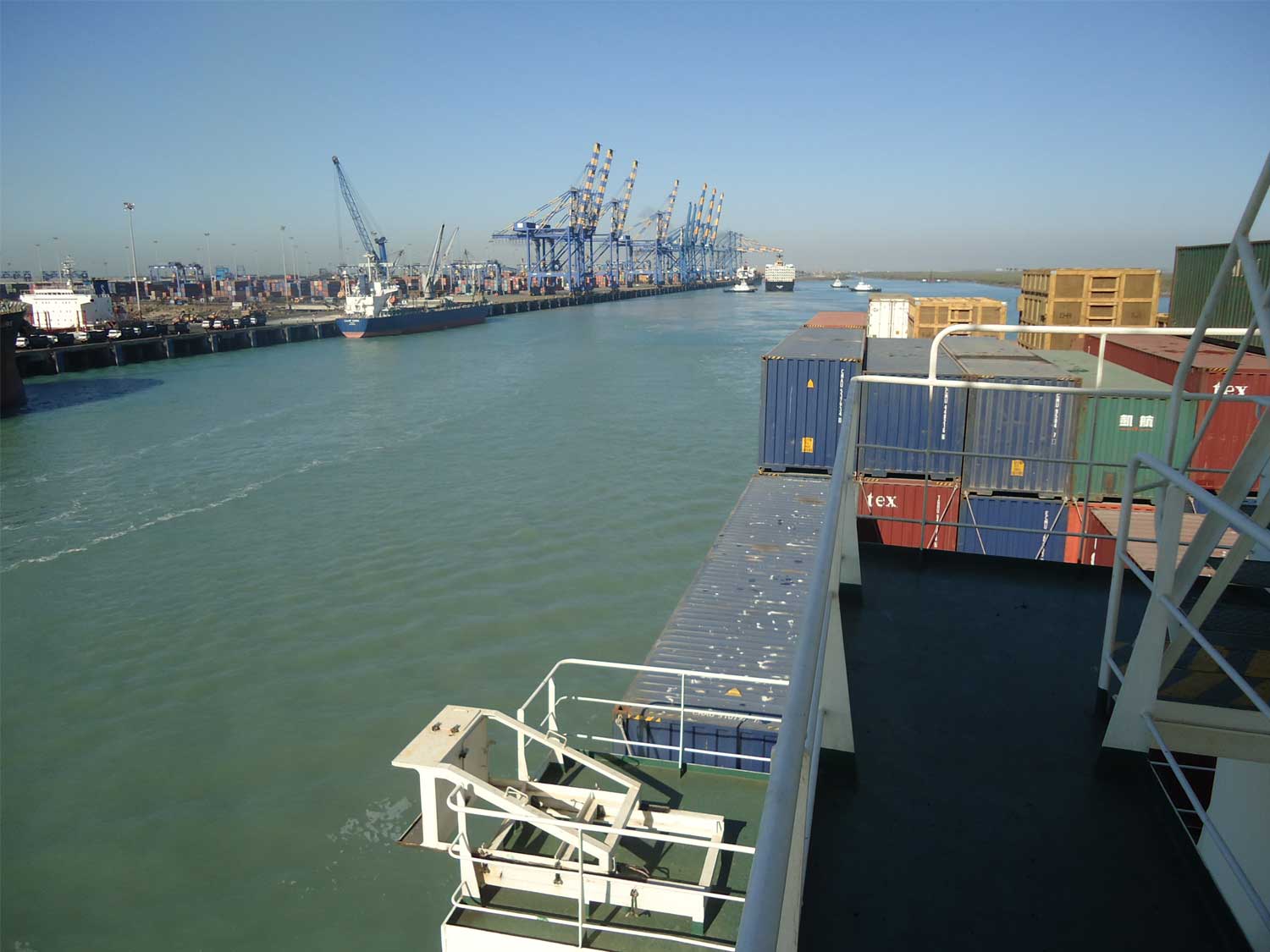
Instead of easing, market pressure is intensifying as carriers implement another round of July increases and vessel space remains scarce across major east-west trades.
The combination of front-loaded orders, fuel-related adjustments and ongoing uncertainty has extended this year's peak season well beyond its traditional boundaries. Rather than a short-lived spike, supply chains are facing a prolonged period of elevated demand and restricted capacity.
Fresh carrier increases introduced during June triggered another round of double-digit spot market gains on Asia-Europe and transpacific services. Spot rates into Northern Europe rose by around 15% over the past week, while Mediterranean routes increased by approximately 12%.
The transpacific market has seen similar momentum. Rates to the US West Coast have climbed by almost 30% over the past week, while US East Coast pricing has increased by roughly a quarter. Broader market indices show more moderate gains, but still recorded weekly increases of around 10-15%.
The latest increases have been supported by strong booking activity as importers continue bringing cargo forward ahead of July fuel adjustments and amid concerns over available space.
New carrier pricing announcements for July indicate that further upward pressure is likely during the first half of the month, with market conditions expected to remain firm before gradually softening later in the summer.
Space matters more than price
Shippers across Asia-Europe and transpacific trades are increasingly finding that securing capacity is becoming more important than negotiating the lowest rate.
Many vessels are already heavily booked several weeks ahead, while lead times continue to lengthen. Rolled cargo and delayed departures are becoming more common as carriers carefully manage allocations to maintain vessel utilisation.
Despite tight conditions, carriers have introduced relatively few blank sailings on Asia-Europe routes, suggesting that strong underlying demand is supporting current capacity levels. On the transpacific, however, additional blank sailings indicate carriers are already positioning themselves to protect pricing should demand begin to weaken later in the year.
The result is a market where availability, rather than rates alone, is increasingly determining supply chain performance.
Peak season has become a moving target
Traditional seasonal patterns are becoming harder to identify.
Geopolitical uncertainty, changing tariff regimes, fuel costs and shifting inventory strategies are creating multiple demand waves throughout the year. Strong booking levels through July are expected to keep pressure on vessel utilisation well into August, while later seasonal events could create further spikes in demand during the second half.
Even where capacity additions have been made, their impact may prove temporary as carriers continue adjusting networks and reallocating vessels to follow demand.
For supply chains, this means fixed peak season planning is becoming less relevant. Flexibility, earlier booking and greater visibility are replacing traditional calendar-based approaches.
Planning ahead has never mattered more
Businesses that continue to rely on last-minute bookings risk finding themselves at the back of the queue when markets tighten.
Successful supply chains are increasingly securing space earlier, diversifying routing options and building greater resilience into inventory strategies. In today's market, the cheapest rate can quickly become the most expensive option if cargo misses a sailing or fails to reach customers on time.
Metro monitors market developments across all major trade lanes and works proactively with customers to secure capacity before disruption becomes a problem.
If rising costs, restricted space or changing market conditions are affecting your supply chain, EMAIL our Managing Director, Andrew Smith, directly. Sometimes the most valuable conversations happen before a shipment becomes urgent.