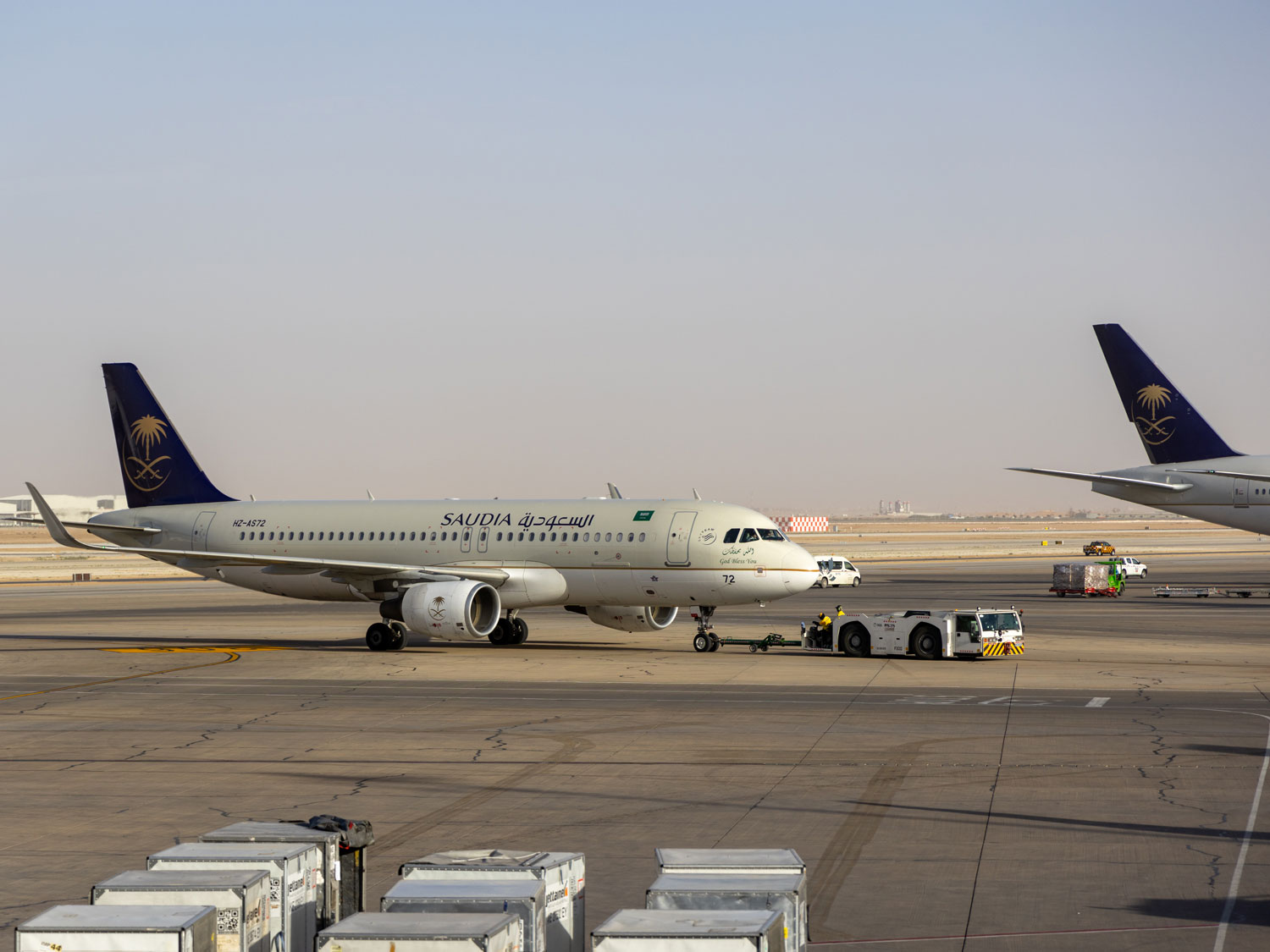
Air freight markets are entering a more volatile phase as disruption across the Middle East removes critical capacity from the system, forcing rapid network adjustments and driving sustained upward pressure on rates.
The immediate impact has been a sharp contraction in available lift. Middle East carriers, which play a central role in connecting Asia, Europe and Africa, have significantly reduced operations, with some periods showing capacity declines of up to 49% week-on-week.
Globally, capacity remains below pre-crisis levels, still down around 11% compared with early February, despite partial recovery from initial losses. Although airlines are adding direct services on alternative routings, including Asia–Europe and transpacific lanes, these increases are not sufficient to offset the loss of hub connectivity through the Gulf.
Strong demand and rising costs drive rate pressure
The result is a tightening market where demand continues to outpace supply. Air freight volumes had already been growing steadily, with global demand up by around 6–8% in the early months of the year.
This combination of constrained capacity and resilient demand is now feeding directly into pricing. Spot rates on key lanes have risen sharply, with Asia–Europe pricing increasing by around 30% in recent weeks, while India–Europe and India–US routes have seen increases of between 50% and 80%. In some cases, rates have more than doubled compared with pre-disruption levels.
India has been particularly affected, where capacity reductions of up to 70% at major gateways have created acute shortages of available lift. With limited freighter capacity and reduced wide-body schedules, competition for space has intensified, pushing pricing higher and making it increasingly difficult to secure capacity at short notice.
Rising fuel costs are adding further pressure. Jet fuel typically accounts for 30–40% of airline operating costs, and increases linked to the disruption are being passed through into freight rates, reinforcing the upward pricing trend.
Backlogs build across global supply chains
Beyond pricing, the operational impact is becoming more visible across global supply chains. Cargo backlogs are building at origin, transit and destination points as shipments compete for limited space.
At the same time, disruption in ocean freight networks is driving modal shift into air freight, adding further demand into an already constrained market.
Even with some capacity returning, recovery is expected to be gradual. Aircraft repositioning, schedule rebuilding and the clearing of accumulated backlogs will take time, meaning disruption is likely to persist even if conditions stabilise in the near term.
Overcoming air freight disruption
By combining strong carrier relationships with real-time market visibility, Metro is securing capacity across constrained trade lanes, identifying viable alternative routings and implementing multimodal solutions where traditional air networks are under pressure.
Through Metro’s MVT platform, customers benefit from enhanced tracking, milestone visibility and data-led decision-making, helping to maintain control even as conditions change. Where disruption is most acute, Metro works proactively to reposition cargo, manage backlogs and protect transit times.
With global coverage, local expertise and the ability to adapt quickly as networks evolve, Metro helps you stay ahead of disruption rather than react to it.
To discuss your current air freight requirements or contingency planning, EMAIL Andrew Smith, Managing Director,