While headline capacity and rate volatility have eased, equipment positioning, schedule reliability and geopolitical uncertainty continue to shape outcomes for temperature-controlled chemical cargo.
Reefer demand remains structurally resilient. Unlike typical consumer goods, temperature-sensitive chemicals, additives and intermediates move within mission-critical supply chains, where continuity and compliance matter more than short-term price movements. That dynamic has supported steadier reefer market conditions even as the wider container market remains under pressure.
Rates remain stable, but lane-specific
Reefer freight rates have largely decoupled from the sharp swings seen in dry cargo. Global indices show only marginal year-on-year decline of around 1% in Q4 2025, reflecting a market supported by high vessel and plug capacity and lower fuel costs. However, this stability should not be mistaken for softness.
For chemical shippers, pricing remains highly lane-specific and sensitive to local supply-demand balances, equipment availability and carrier allocation discipline. Seasonal tightening around key export regions can still trigger short-term pressure, particularly where chemicals compete with food or pharma cargo for limited reefer slots.
Equipment availability is the key constraint
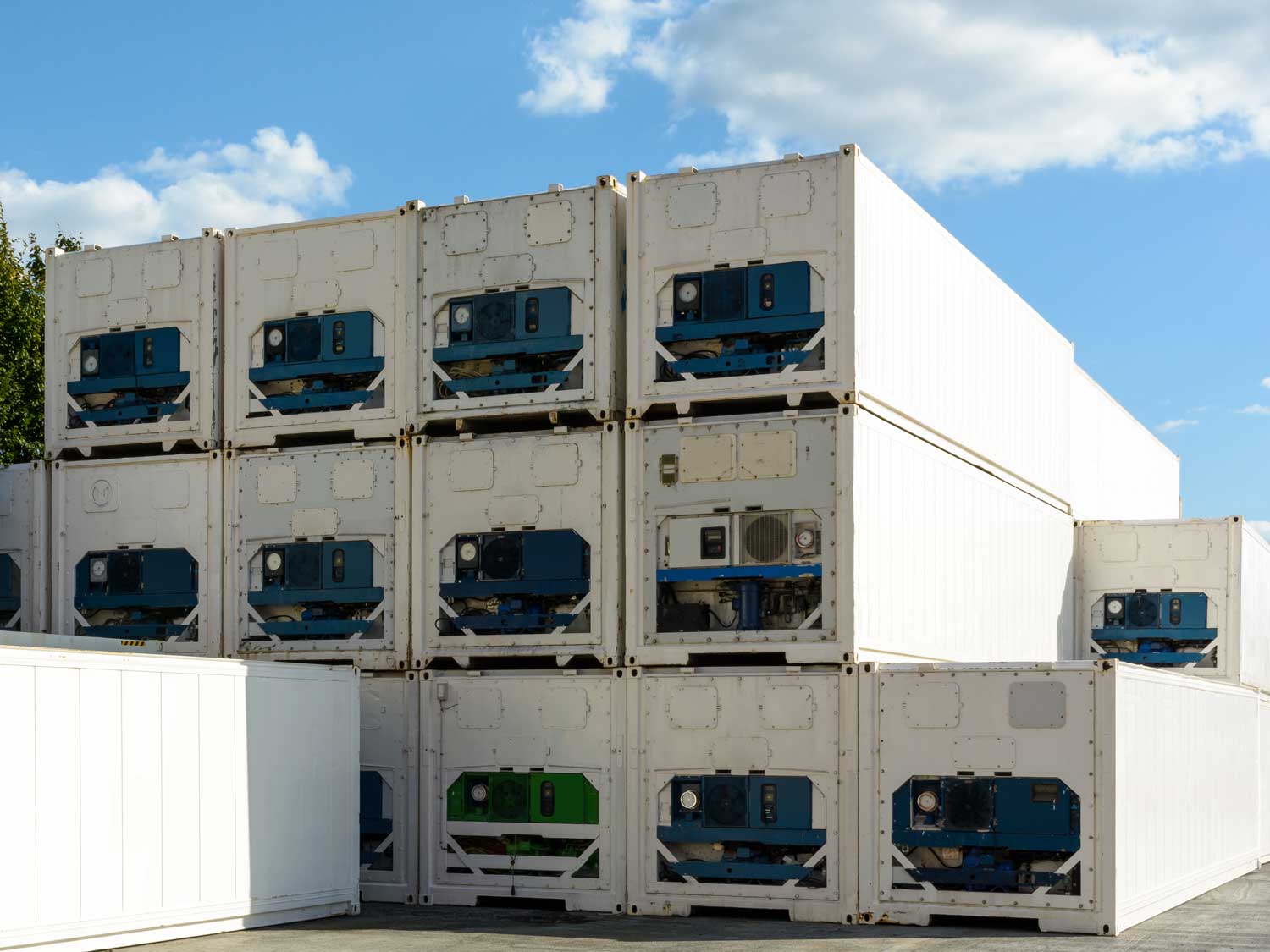
The primary constraint in the reefer market is no longer vessel capacity, but equipment positioning. While global reefer plug capacity is ample, industry estimates suggest that up to 60–65% of reefer containers remain concentrated on East–West trades, while demand growth is increasingly driven by North–South flows. This imbalance continues to create shortages at origin in regions such as Latin America and parts of Africa.
For chemical shippers, this translates into longer lead times to secure suitable units and greater exposure to repositioning delays. Access to 40’ reefer units can be particularly challenging in export-heavy locations, reinforcing the need for early booking and flexible loading strategies.
Schedule reliability has improved but remains fragile
Carrier schedule reliability improved through early 2025 but has since plateaued. Missed connections, feeder delays, omitted port calls and weather-related disruption continue to reduce effective capacity, even where services are technically operating as scheduled.
Winter conditions in Europe and congestion at selected hubs increase dwell-time risk, which disproportionately affects temperature-sensitive chemical cargo with strict stability thresholds. As a result, operational resilience and contingency planning remain critical.
While hopes of a full return to Red Sea and Suez Canal routings have faded again, the 2026 chemical reefer market is stable, but unforgiving of poor planning. Rates are predictable, but equipment is unevenly distributed. Capacity exists, but reliability varies. And geopolitical risk remains an ever-present factor.
Resilient supply chains will increasingly depend on proactive booking strategies, strong carrier relationships, flexible routing options and clear visibility across the cold chain.
Metro’s dedicated chemical logistics team at subsidiary Elite Digital Logistics focus exclusively on the petrochemical and chemical sector.
Through a global network of specialised chemical hub operations they provide the control, visibility and risk management required for temperature-sensitive and regulated cargo — from equipment planning and routing strategy to contingency management and end-to-end execution.
Backed by Metro’s global freight forwarding network, Elite Digital Logistics helps chemical shippers protect cargo integrity, manage volatility and maintain continuity across international supply chains.
EMAIL Managing Director, Andrew Smith, to learn how Elite Digital Logistics can support your chemical reefer requirements and ensure your supply chain is prepared for the challenges of 2026 and beyond.