PPE shipping is evolving

PPE shipping is evolving

The transport of personal protective equipment (PPE) and essential medical products, particularly from China, may be less frenetic than at the pandemic’s peak, but it remains continuous and is just as critical, with Metro already successfully importing and distributing over 200 million units throughout Europe and UK.

In the last few month’s the Metro team in the UK and at origin, have overcome a multitude of challenges to keep the most essential of supply chains running, including; desperate shortages of capacity, haggling over charters, changing export processes and delays at origins and destinations.

Having used charters (mainly wide-bodied converted PAX ‘preighters’) freighters, pure freighters and remaining scheduled airline capacity, the critical PPE demand is beginning to subside and global air freight capacity is slowly recovering from below unprecedented lows.

While global demand is generally stabilising, individual items can be in short supply, requiring the most urgent transport, particularly when there’s a medical dimension.

Nitrile gloves are most commonly used in the medical sector due to their high puncture resistance, and dexterous strength and are in hugely short supply, which is why Metro’s latest chartered aircraft is carrying 100 million gloves and masks.

In addition to stocking the NHS, Metro has been supplying retail clients with PPE ahead of re-opening their retail sites and manufacturers ahead of opening plants across Europe.

Until scheduled passenger capacity recovers further, charters will continue to be a strategic choice for the most urgent and biggest requirements, but with the establishment of sustained supply chains for most medical products over the last two months, sea freight is being widely used.

Metro have dedicated PPE and medical goods task team, that have been established over the crisis offering solutions by all modes of transport.

COVID impact on UK transport

COVID impact on UK transport

Shipping line CEO sees signs of June recovery

Shipping line CEO sees signs of June recovery

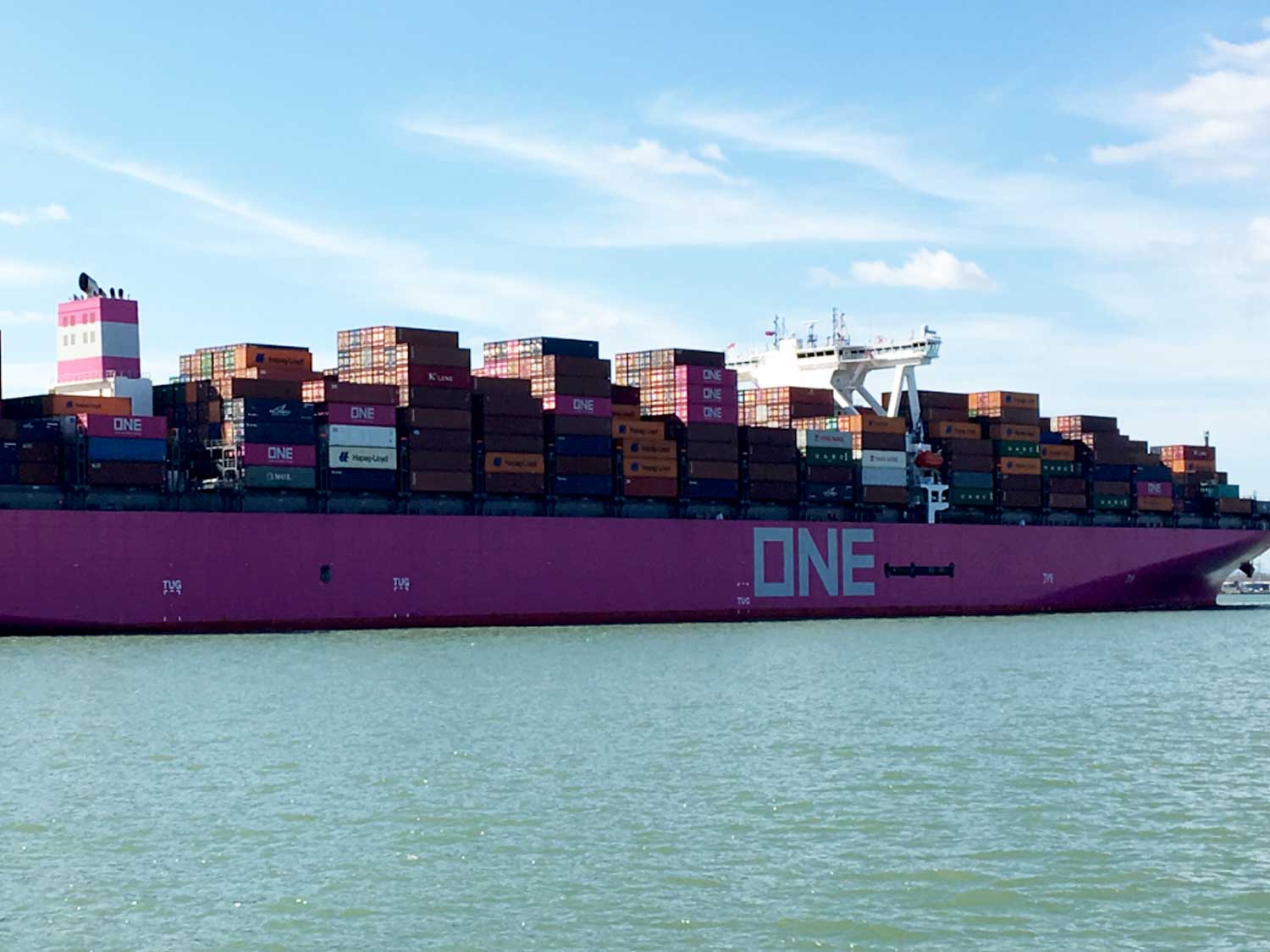
An increase in Chinese manufacturing in May, combined with seasonal demand for summer products, and a need to replenish inventories are the basis for optimism by container lines serving Asia exports markets, according to Jeremy Nixon, CEO of Ocean Network Express (ONE).

The need for replenishment isn’t evident in “all demand sectors and industry verticals,” but there is noticeable movement in food, household goods, machinery, and commodities, Nixon told the Journal of Commerce. That’s giving carriers, which this week announced a raft of additional blank sailings for the third quarter, hope that freight levels can recover in June.

“It’s tough to say we’ll see ‘100,’ with 100 being the gauge,” of so-called normal conditions, he said. “We may reach 100 in some weeks, but structurally, we may be below 100 for the rest of the year. And we will have to be careful and manage costs very well to manage the supply-demand picture.”

Asia export volume was down 25% across the container shipping industry in April, Nixon said, adding that while “June is looking a bit more encouraging now, it’s looking about 20% down. Then maybe July could be more optimistic. It’s very early days; it’s changing day by day.”

Metro negotiates commercial agreements with our partner shipping lines and alliances, to ensure that our clients have access to reliable capacity, consistent service and fixed validity rates that are tailored to their requirements.

Asia import volumes are more robust than exports, Nixon said, contributing to a narrowing of the balance of trade between Asia and North America and Europe.

Asia import volumes fell 1.7% year over year in April after tumbling 17.4% in March, while from January through April, total Asia import volume is down 7.3% compared with the same four-month period a year ago.

Mr Nixon was managing director of NYK Line during the 2009 financial crisis, which seems to have made him reasonably sanguine about this one, forecasting on the record in May that, while a repeat of 2009 V shaped recovery is unlikely, the recovery will be accelerated within months with inventory recovery.

Nixon also believes that the lines are better positioned to manage capacity, to meet demand, thanks to their size and the scale of the vessel-sharing alliances.

“I think back to 2010, we were running two to three sailings a week to North Europe and if you had to cut a sailing, that’s suddenly 33% of your capacity. With the setup now, we have eight sailings to Europe a week, 16 sailings to North America a week, we can flex up and flex down in increments like a gear change on a bike.”

mv ONE Grus by Goodwillgames is licensed under CC 4.0

Lines effectively write off 2020 peak season

Lines effectively write off 2020 peak season

It is clear that the container shipping lines are expecting weak demand to extend into the peak season, with the announcement of blank sailings for the third quarter global network schedule.

In total 75 blank sailings have been announced for Q3.

Maersk and MSC has announced the cancellation of their AE2/Swan and AE20/Dragon services for the full duration of Q3, which amounts to blanking an additional 13 round-trip voyages, equal to a capacity reduction of 22% between Asia and Europe.

MSC added neither loop would be reinstated “until further notice”, suggesting the suspensions could become permanent.

“Metro has negotiated contracts with all the major lines and alliances, to access more volume and service choices, to keep our customers supply chains moving with reliable and consistent schedules”

MSC added: “In order to accommodate the small, gradual recovery in cargo volume at this stage, MSC is pleased to announce the introduction of the Griffin service, spanning a combination of Asia-Mediterranean and Asia-North Europe port calls.”

The Griffin “sweeper” service will be fortnightly and will offset the cancellation slightly, with an approximate capacity reduction of 15-18% instead of 22%.

THE Alliance is blanking their FE4 service to North Europe for Q3, keeping capacity reduced by 28%, whereas the additional blanking to the Mediterranean is somewhat lower and not extended for the full Q3.

Additionally a raft of blank sailings are announced by THE for Transpacific, Transatlantic and other trades ranging into week 31.

THE also maintains that the FE2 service will continue to use the long route around Africa on the backhaul from Europe to Asia.

Overall, just now, 2M and THE Alliances combined have announced the blanking of 75 sailings for Q3.

It should be expected that 2M follows up with additional blankings outside the Asia-Europe service and also that Ocean Alliance will announce blankings.