Moving from lockdown

Moving from lockdown

Extensive business continuity plans are our bulwark against business interruptions, in a whole host of guises.

In many ways the coronavirus outbreak is the test for which our team has been planning and preparing for years.

Unlike any crisis we may have considered, though, this one has new elements which may yet bring about lasting changes in how we manage our teams, and how those people work.

As we start to come out of lockdown, we reflect on these challenges and the challenges that we, our customers and our partners have already faced and overcome in recent months.

The technical process for moving to home working was established and fundamentally straightforward across the business but managing teams remotely was not a challenge that many companies, or managers will have prepared for on the scale that was required.

All but a handful of our colleagues, at very short notice, were moved to home-working, and many for the first time.

Those that remained within our UK offices, to cover critical processes and to assist with tasks that could not be performed at home, faced a very different environment and challenge.

Stringent social-distancing and cleanliness routines, in an almost deserted office, these colleagues adjusted quickly to their new environment and communication challenges.

Communication was a critical success factor in successfully maintaining operations and service levels, and also in supporting our colleagues.

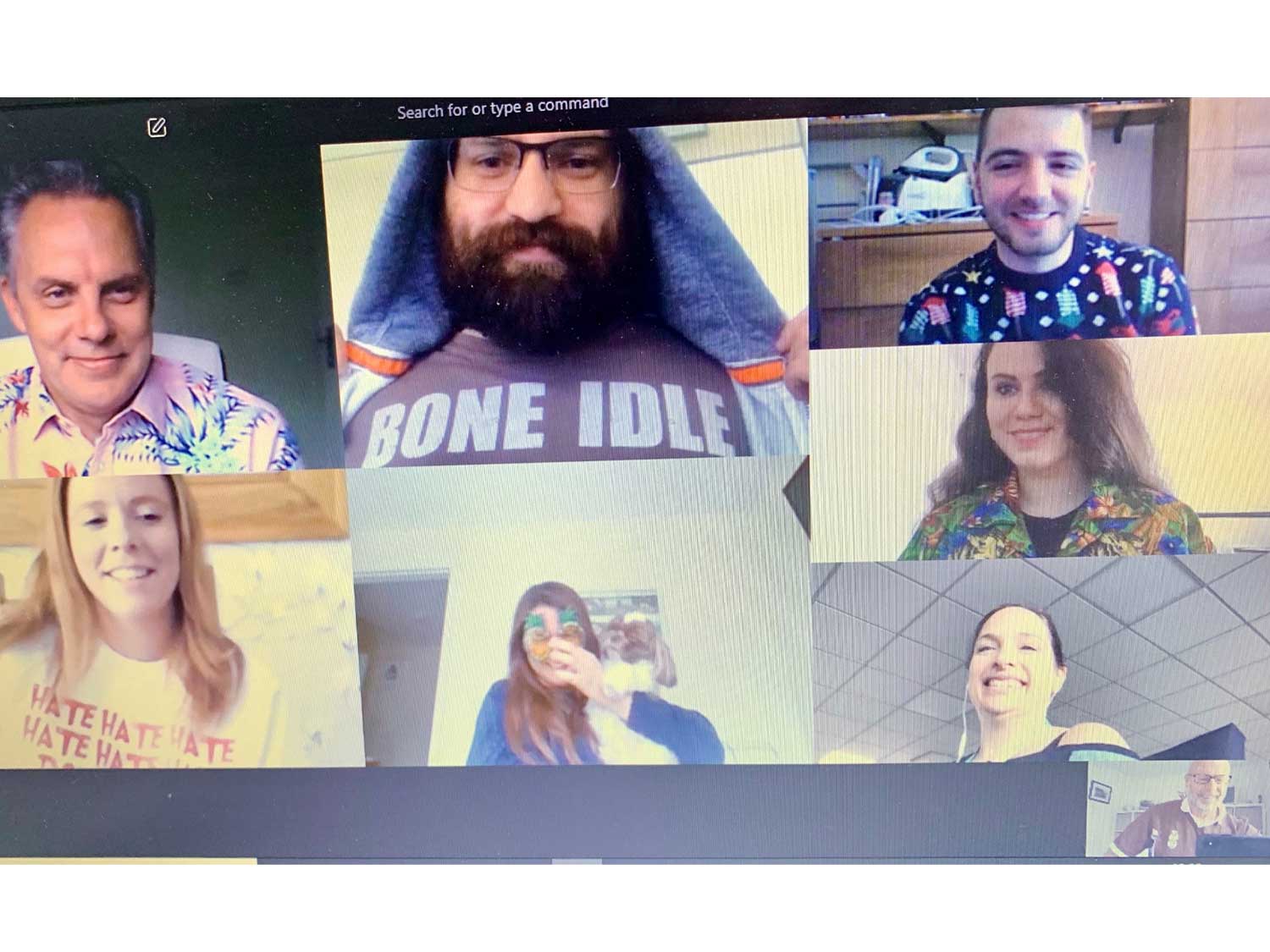
Much greater use of tools like MS Teams and Zoom maintained workplace conversations, updates and meetings, but also replicated the informal aspects of office-life, team-bonding and social exchanges.

Maintaining team relationships has been an imperative, to keep colleagues grounded and valued and to ensure that no team member felt isolated.

Themed meetings and days including silly shirt day, Christmas jumper day and virtual tea breaks kept the conversation and laughter going.

Team members on furlough were part of the conversation, to keep them involved and engaged.

Keeping them informed of events and developments on the shop floor and within the industry, helps to prepare them for their re-introduction.

As we move into the next phase, with more colleagues returning to our offices, other challenges will now need to be overcome. From managing the avalanche of holiday requests, that will doubtless follow the end of lockdown, to ensuring the safest possible workplace environment.

Metro has invested significantly in mitigating these risks, and making sure we all have a safe and inspiring place to work.

We continue to maintain a split of people working from home and working in the office and this is likely continue for a while yet.

Metro’s directors, managers and team members will continue to adapt and rise to the challenges as required, until we return to our new normal.
Whatever that may be.

Future resource planning is essential for all businesses.

Brexit will soon be upon on us, bringing its own challenges, as the way we do business evolves and changes, and we will evolve and change with it.
China export rates hit three year high

China export rates hit three-year high

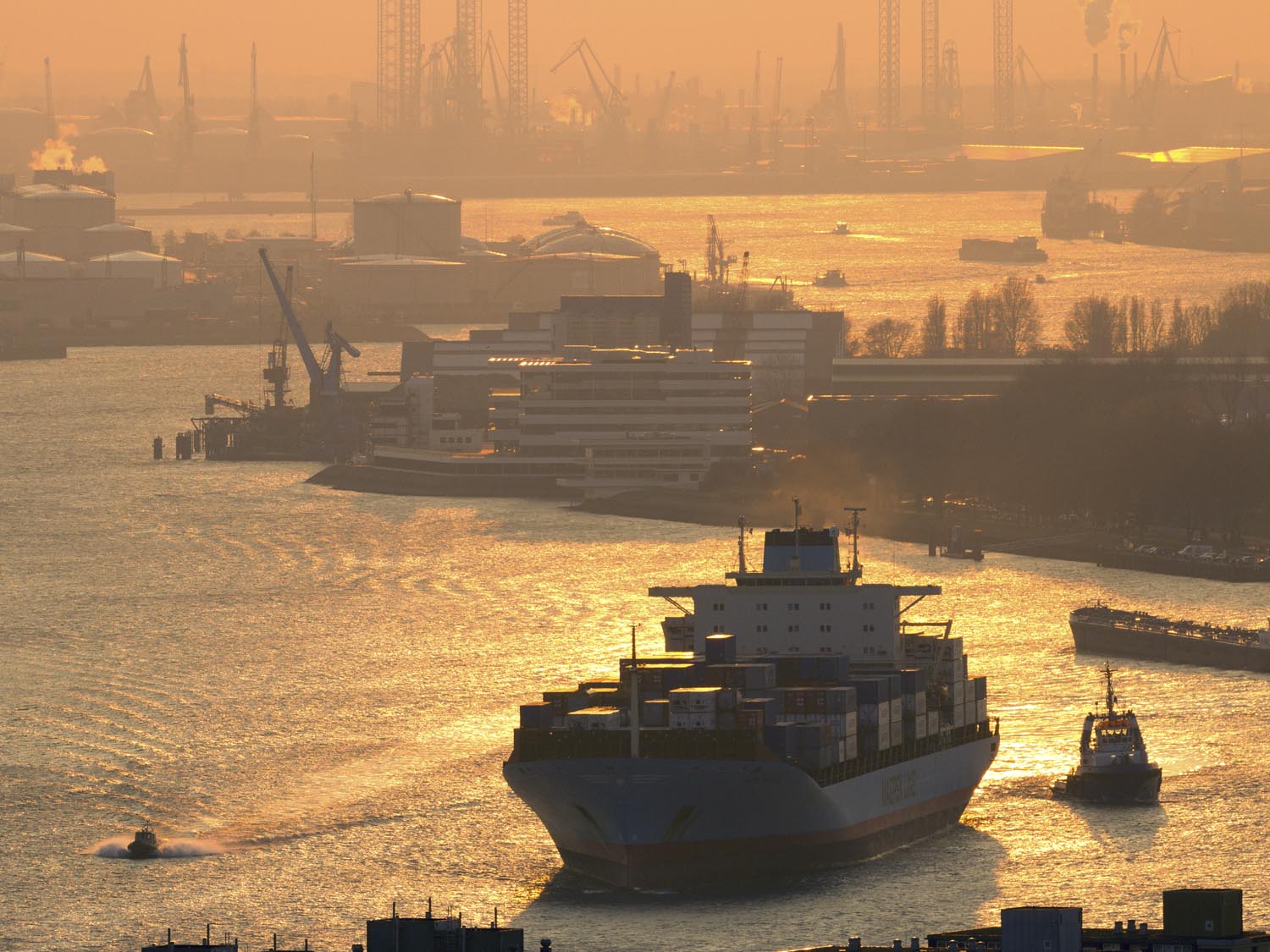
Sea freight rates have held up strongly on the Asia–Europe trade in both directions despite weak volume, with export prices performing especially well for the shipping lines.

Carriers have tightly managed capacity through the coronavirus pandemic, blanking an extensive number of sailings on the Asia–Europe trades to match plunging demand as economies in Europe were locked down.

Carriers will cancel 94 scheduled sailings on Asia–Europe routes from April through August as a direct result of the coronavirus. The Ocean Alliance has yet to announce its Q3 blank sailings program.

By removing so much capacity, carriers have been able to avoid a rate collapse and freight rates on the import and export Asia–Europe trades are now converging as carriers’ tight grip on capacity lifts eastbound prices to levels not seen in almost three years.

Spot rates from Rotterdam to Shanghai increased 10% over the past week, compared to the same week last year.

Metro negotiates commercial agreements across shipping lines and alliances, to ensure that our clients have access to reliable capacity and fixed validity rates that are tailored to their requirements.

The last time the export rate was at that level was October 2017. In comparison import rates are up 13% year over year.

And despite westbound headhaul rates increasing steadily since April, export rates are now equal to 74% of the import rate, which is well above the average of 53% over the past eight years.

In 2015/16 we did see spikes above 100% , but these spikes were driven by weakness in the import rate, not strength in the export rate.

Adding to the rate strength were Asia–Europe freight all kinds (FAK) rate increases in both trade directions imposed by some carriers on June 15, with a new round of eastbound and westbound increases set for July 1.

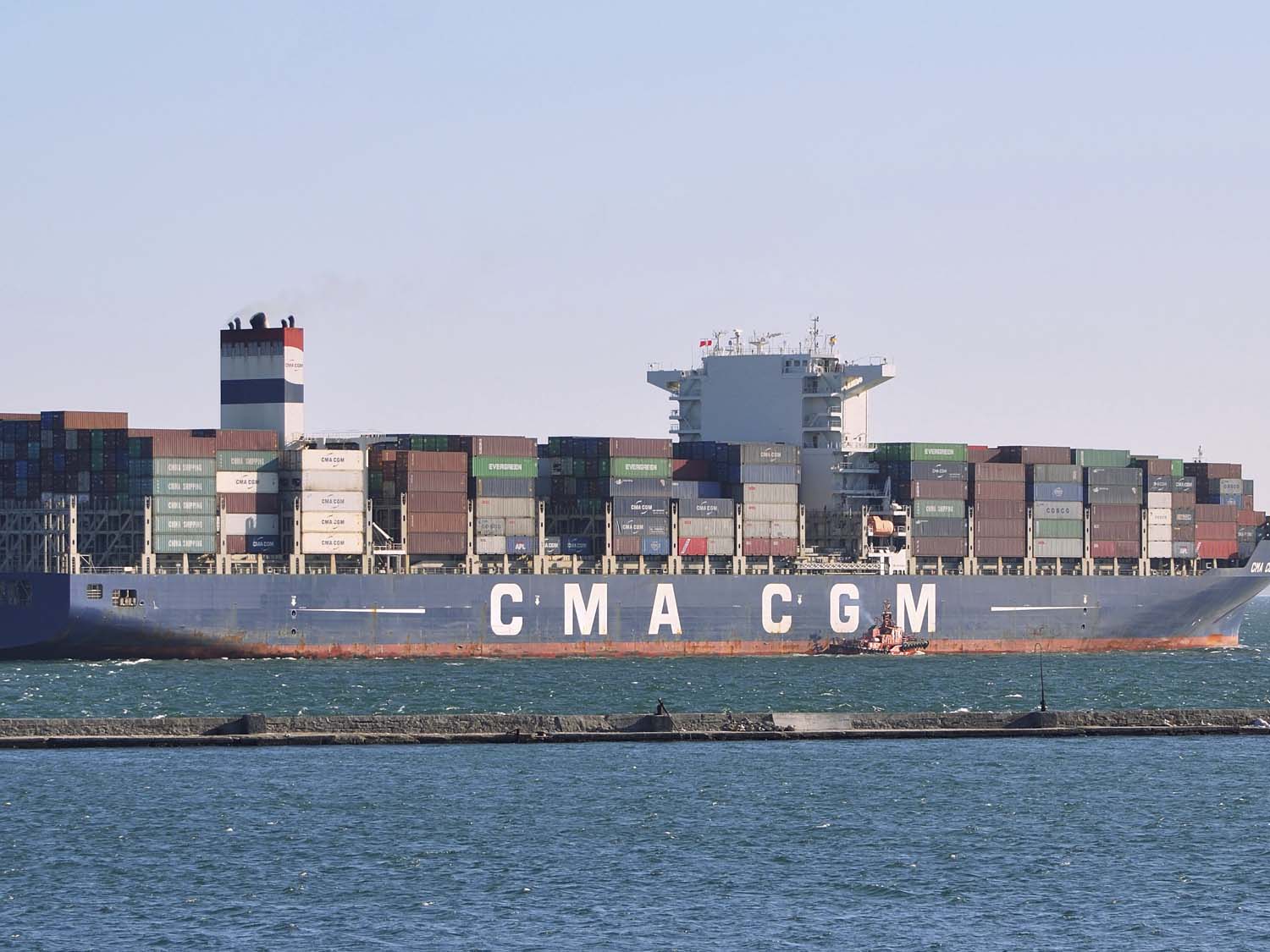
CMA CGM will even impose a peak season surcharge of $200 per TEU on the Asia–Europe trade on July 1.

As the container shipping industry continues to consolidate, we are seeing a small number of players controlling the market, making supply decisions based on demand and returns, and the end result is disciplined on capacity and pricing.

Demand for China rail accelerating

Demand for China rail accelerating

Rail freight services from China to Europe have seen a massive increase in volumes, as PPE driven demand for air freight resulted in congestion, lengthier transits and disrupted air cargo supply chains.

Rail cargo throughput from China to Europe during the recent peak increased by 40% over the same period year on year.

By train, importers in the UK are able to receive goods faster by rail than Sea, and rail also offers a good alternative to Air, which has recently experienced delays, and is more expensive than rail. Export flows have also been gathering pace, with a notable increase in enquiries in recent months.

Laden freight trains leave European terminals daily and Chinese terminals are still achieving between five to ten departing trains per week to Northern Europe, which has enabled many importers to continue operating close to business as usual.

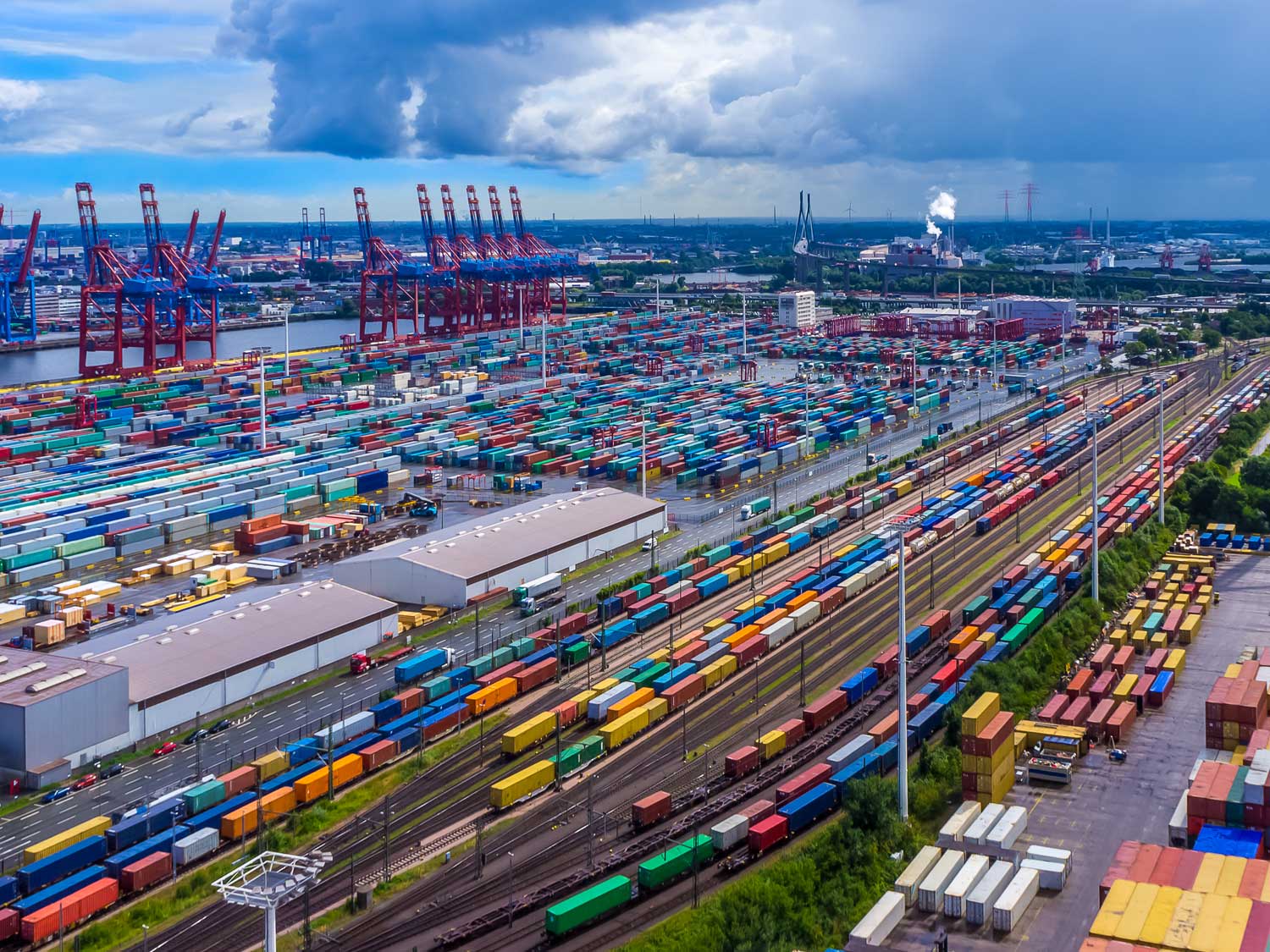
Metro believe that the future is bright for freight trains to and from China, as many other businesses start to recognise the benefits of this environmentally friendly transport alternative, which incorporates road transport for collection and delivery in China and between the European rail terminal and UK delivery/collection points.

The China-Europe freight train service has clear benefits and while it may not become the main means of transporting goods between China and Europe, it has distinct cost and transit benefits that should form part of every supply chain managers planning.

Metro is pleased to offer regular direct services to and from China and Northern Europe rail terminals, with dedicated onward delivery by truck to the UK.

COVID 19 driving surcharge down

COVID-19 driving surcharge down

The bane of many a shipping manager, the Bunker Surcharge, BAF or Bunker adjustment factor, refers to a floating part of sea freight charges which represents additions due to oil prices. Which, on the petrol station forecourt, have fallen off a cliff - but not, apparently in shipping.

With the world’s air and surface transportation coming to a near halt in mid-March and only now taking some tentative steps toward recovery, the global oil industry has been awash in sulphur fuels, flooding the bunker market and raising the possibility the container shipping sector will enjoy relatively cheap sulphur fuel for at least the next year.

The excess supply of very low-sulphur fuel oil (VLSFO) has resulted in a sharp decline in prices for some carriers since early March.

The fact that bunkers are a commodity driven market where sellers need to compete heavily to move product amid falling demand has only exacerbated the price drop.

Bunker prices went into freefall as crude prices plummeted when energy demand vanished amid the global COVID-19 lockdown.

The plunge in low-sulphur prices has focused attention on whether the bunker adjustment factor mechanism can still truly capture abrupt changes in fuel costs or just causes confusion for shippers.

While spot and FAK rates have been increasing, CMA CGM and Maersk Line are the only carriers to suspend low-sulphur fuel surcharges, with most liners deciding to leave the fees in place despite the free-fall in bunker prices.

Metro customers benefit from carrier reduction in Bunker Surcharges which are passed on regularly.

COVID-19’s impact on marine fuels has manifested itself more on the supply side than on demand, with marine fuel consumption globally down only about 5% since early March.

That decline has been driven mainly by scores of blanking sailings, with demand in the container shipping sector down just 10% so far this year.

According to the experts, the narrow difference in price for VLSFO-HSFO and overall lack of a supply crunch for low-sulphur bunker fuel, is not likely to change anytime soon and global demand will be negatively affected by COVID-19 for at least another year.