Get ready for Brexit

Get ready for Brexit

The border processes and way the UK trades with Europe is going to change significantly as we exit the EU transition period on the 31st December 2020, which is why we have developed an unprecedented web resource to get you ready for Brexit.

Understanding how your business will be impacted and the level of associated risk and opportunity will be critical in preparing for and managing those changes, to ensure the best possible outcome for your business in the new trading environment.  

Brexit will impact all businesses and those most profoundly impacted will include those that: 

  • Buy and/or sell large volumes of goods to/from the EU
  • Have highly integrated UK/EU supply chains
  • Manage complex European and cross-trade supply chains
  • Operate 'just in time’ UK/EU supply chains
  • Trade in regulated goods  such as chemicals, drugs and foodstuffs
  • Trade with any of the 50+ countries with which the EU has a Free Trade Agreement (FTAs)

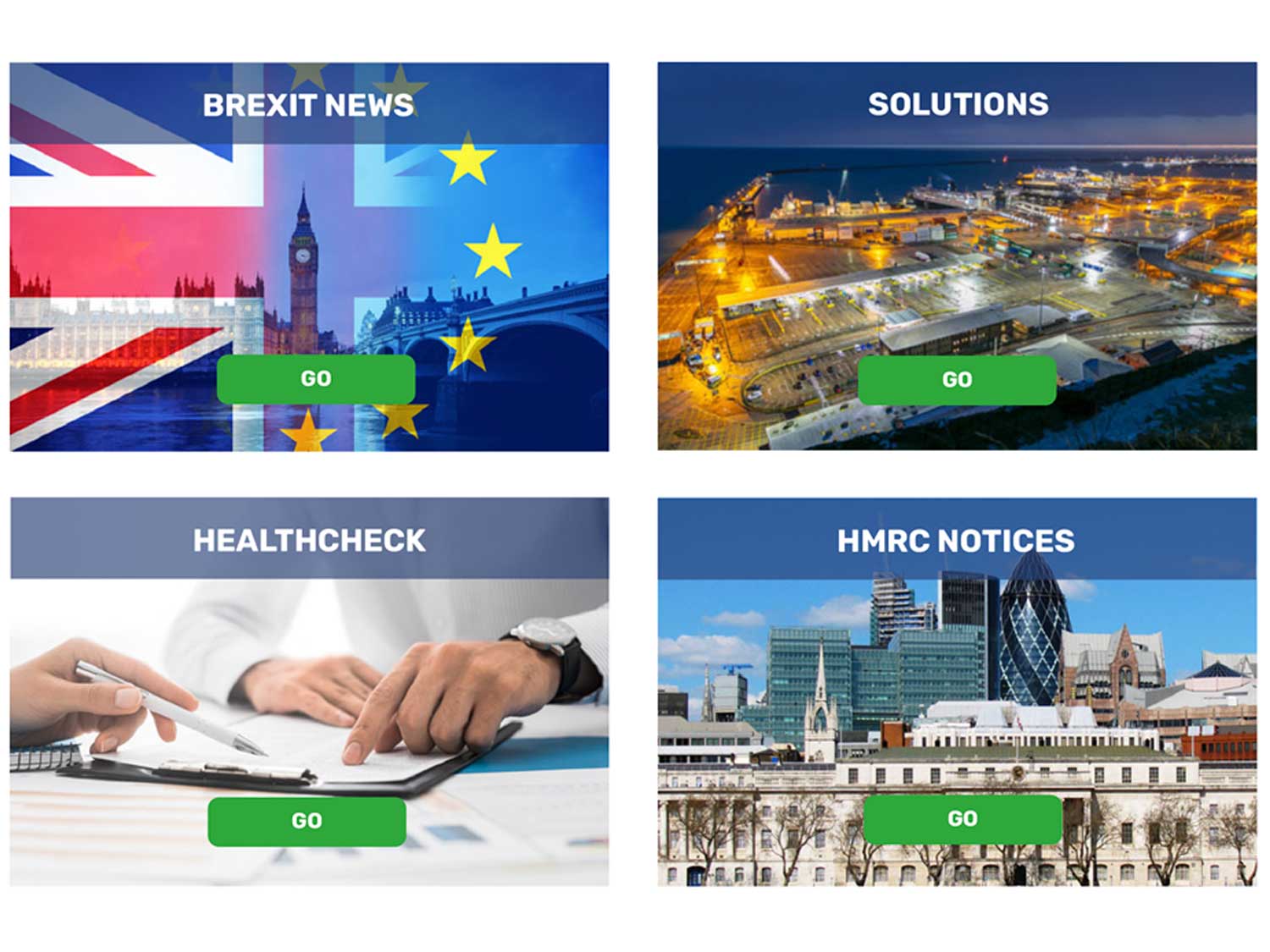
Metro’s ‘Brexit Ready’ web portal has been designed to give you all the information, insights, support and solutions you need to prepare your business and supply chain for the 1st January 2021.

BREXIT READY

Our unique Brexit ‘Healthcheck’ process considers your goods, trading partners and terms of trade, in identifying the documentation and new customs processes that will apply to export and/or import flows.

Any special requirements will be mapped and the financial/cashflow implications of VAT/tariffs illustrated.

Solutions for managing your transition to the new EU trading regime will be matched to your specific needs, from comprehensive custom broker support to the fully digitised service that is perfection for the largest volume traders.
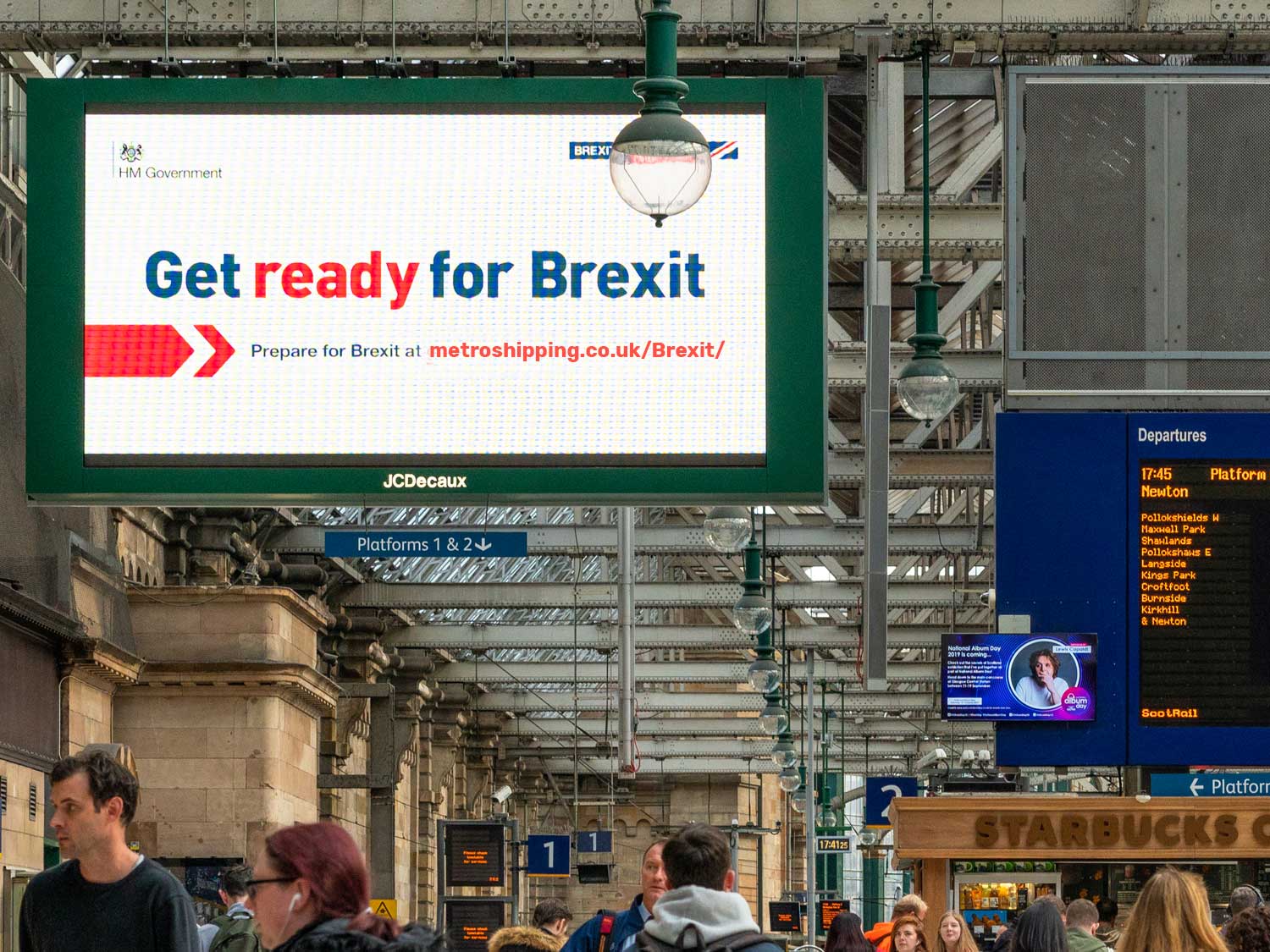
metroshipping.co.uk/Brexit/

Loadstar GL interview 2

Sharing the Brexit knowledge

With a readership approaching two million, including 0.25 million shippers, The Loadstar is one of the most influential supply chain media platforms in the world, which is why, when they want Brexit insights, they talk to our very own Grant Liddell.

The following article was originally published in The Loadstar on the 24th August 2020. The original article can be accessed in full HERE 

Q&A with Metro's Grant Liddell: Logistics in the post-Brexit era

Brexit has been something of a rollercoaster ride: from prime minister David Cameron initiating the process and throwing in the towel when it didn’t go according to plan, to Teresa May elongating it with futile negotiations to no avail, through to Boris Johnson trying to push through a withdrawal settlement in a matter of months.

The pandemic may have temporarily dampened Brexit’s potency, but the clock continues to tick.

So how will the post-Brexit era affect the logistics industry? The Loadstar asked Grant Liddell, business development director at Metro Shipping, an independent UK logistics provider.

Mr Liddell has worked in logistics for more than 30 years, ranging from deepsea and overland to general freight management.

“Trade won’t stop. It’s what we do. We’re a trading nation and we have been for the last 400 years”. Grant Liddell.

What is your stance on the Brexit situation?

“The UK now needs to ensure that a trade deal, alliances and networks are agreed with each individual country. A daunting task, but one where the logistics and freight industry is central in ensuring Britain continues to function as a prominent global player.

“You must note that Brexit isn’t just about leaving the EU, it’s about losing 41 trade deals covering 72 countries. Is it likely there will be a trade deal with Donald Trump in 2020? I doubt it.”

So how will this affect trade with nations outside the EU?

“Without a EUR1 –  something many people are forgetting – which allowed us to trade with these countries without imposing tariffs, there will be full duty rates with these nations too.”

Can technology anticipate and overcome the logistical challenges of a ‘hard’ Brexit?

“Technology will be key in the success of businesses operating in the post-Brexit world. Whether traders, importers, exporters, freight providers, customs authorities or other related businesses, data will be required and usually delivered ahead of the actual delivery of goods to their final destination.”

Is technology of more benefit in the case of a no-deal Brexit?

“The digital movement of data with customs at borders will be key to either outcome. You must realise that the physical movement of goods and cargo does not change. If this fails, either scenario will fail, certainly in the short term.

“HMRC and the government are developing Goods Vehicle Movement Services (GVMS), while transit accompanying documents (TADs) will become prevalent, a Customs Comprehensive Guarantee (CCG) will become a necessary evil and a New Computerised Transit System (NCTS) is needed to potentially close off the processes.

“The movement of goods will not be an obstacle – the movement of data related to these goods will.”

How are you planning on using these technologies?

“I can’t give too much away. However, Metro has been, and will continue to be, at the forefront of digital solutions, integration with participants in the supply chain, artificial intelligence and a global consistent standard to work with. Get this right – which we will – then we will continue to be at the forefront of the industry and delivering both reliable services and customers’ expectations.”

Will the potential complexity of the supply chain impact the logistics industry post-Brexit?

“Generally, from a freight provider’s perspective, the more complexities and milestones that enter global trade, the better. The more complex and irritating the supply chain and European and global trade becomes, then there are additional revenue streams created, as we offer solutions and add further value services to the supply chain.”

How much in the way of revenues do you think the UK freight and logistics industry stands to make from additional paperwork?

“Based on a need for a reported half a million additional customs entries per day, at an average cost of £35 per transaction, equates to £6.5bn in addition revenue for the industry. Obviously, there are related costs to consider. “

And who is paying?

“Ultimately, the traders and importers will be paying for these additional costs. However, it will undoubtably have to be passed on to the likes of you and me – the end consumer.”

Are EU logistics businesses also hoping to profit and develop technological solutions in the same way as UK companies?

“Good question, with a simple answer: yes. They will have to, from day one of the UK’s departure. In fact, the EU has stated full customs submissions will be required from 1 January 2021, with no leniency on implementation for goods entering or leaving the EU to the UK. With the value-added service delivered by freight providers, costs will be attached.”

Do you think Brexit will leave enduring problems for supply chain performance?  

“As the UK, European and global situation unwinds and, hopefully, progresses towards a better place, then the world of trade, transport and logistics will adjust to accommodate. It’s a dynamic and flexible industry that drives the global village and is key to underlying events, supply chains and the movement of goods. Whether it’s a vaccine from North America to go around the globe, or hi-tech devices from Asia, goods will continue to move. And so will European trade, facilitated by the freight and logistics sector.”

Do you believe the disruption and delay to be a long-term problem?

“In my opinion, the delays, issues and focus Brexit has had will be short-lived after Q1 21. 2020 has been the most unusual year for generations – 2021 I suspect will be a much more pleasant time to exist in and thrive, whether in the UK, Europe, or the rest of the world. There probably will be a month of pain, but that will soon be dealt with and another ‘new normal’ will be set in place and evolve to its surroundings. Well, let’s hope so anyway, for my children’s sake…”

Would you suggest that the logistical challenges from 1 January have been overstated by the media?

“The media continues to instil hysteria and will in the coming months. It is widely reported that there will be delays; with carnage at ports, shortages of food, chaos at borders, long queues of lorries parked on our motorways, Kent ceasing to function and a general shortage of essential products. Will this happen? I doubt it, as it can’t occur. Current circumstances with Covid-19 and what may come relating to this crisis, will not allow it. There are more important things at play.”

In what ways will the UK’s logistics providers landscape change?

“The final impact will depend on whether the EU and UK agree on a deal. Either way, a customs submission will be required for all movements, but the outcome could vary on a ‘no deal’ or ‘deal’. If trade volumes are affected and less cargo moves across our borders, there will be a negative scenario for the whole logistics industry. From my experience, with disruption and volatility comes opportunity. I would be hopeful that increased global trade post-Brexit, and the post-Covid-19 crisis for that matter, and will cause the industry to flourish.

“Logistics providers are agile and adaptable, and will facilitate the UK trading with Europe and the rest of the world. It is over to the government, the EU Commission, and negotiations to dictate the outcome driven by the consequences of their decisions. I am and will always be an optimist – so short-term pain will lead to long-term gain.”

Brexit ready panels

Brexit ready

Over the last 18 months, since Theresa May struggled fruitlessly to get her Brexit deal through parliament, we have published over 60 news, opinion and guidance articles and shared close to 200 social posts, on this critical subject and now we’re putting the finishing touches to our next Brexit support tool.

From the publication of the first draft UK Brexit tariff in February 2019, to the release of the UK Global Tariff (UKGT) that will apply from the 1st January 2021, we have reported on and predicted every major supply chain development of our departure from the European Union at the end of the year.

And it is clear that our efforts are well received, by news-hungry customers and wider shipper audiences, that has seen our social channels grow by 40%, our web traffic by 300% and industry news channels increasingly quoting us and our experts.

With the impending launch of our dedicated Brexit mini-site we anticipate these audience figures will grow further as we concentrate our Brexit news, guidance and solutions in a single place.

Metro’s ‘Brexit Ready’ site will provide importers and exporters with a unique resource. A portal that lay’s plain the changes they need to prepare for, details of the new export and import border processes and direct access to a host of critical resources and solutions.

Preparing you and your supply chain for Brexit is our simple objective. 

For shippers that want to be informed, we are ready to educate on everything from Authorised Economic Operator (AEO) to Transit accompanying Documents (TAD) and everything in between.

For those that want the easy life and reassurance that their European supply chains will operate as usual post-Brexit we detail a range of Metro solutions, designed to ensure they will be Brexit ready.

With 500,000 additional daily customs entries due to be submitted after Brexit, digitalisation and automation will be critical and the only practical way to ensure that the customs system and supporting infrastructure is not overwhelmed, which is why we have developed digital and automated solutions to eradicate Brexit risk, for the biggest importers.

BREXIT READY IS COMING………..

Tariff 2

The UK’s post-Brexit tariff regime

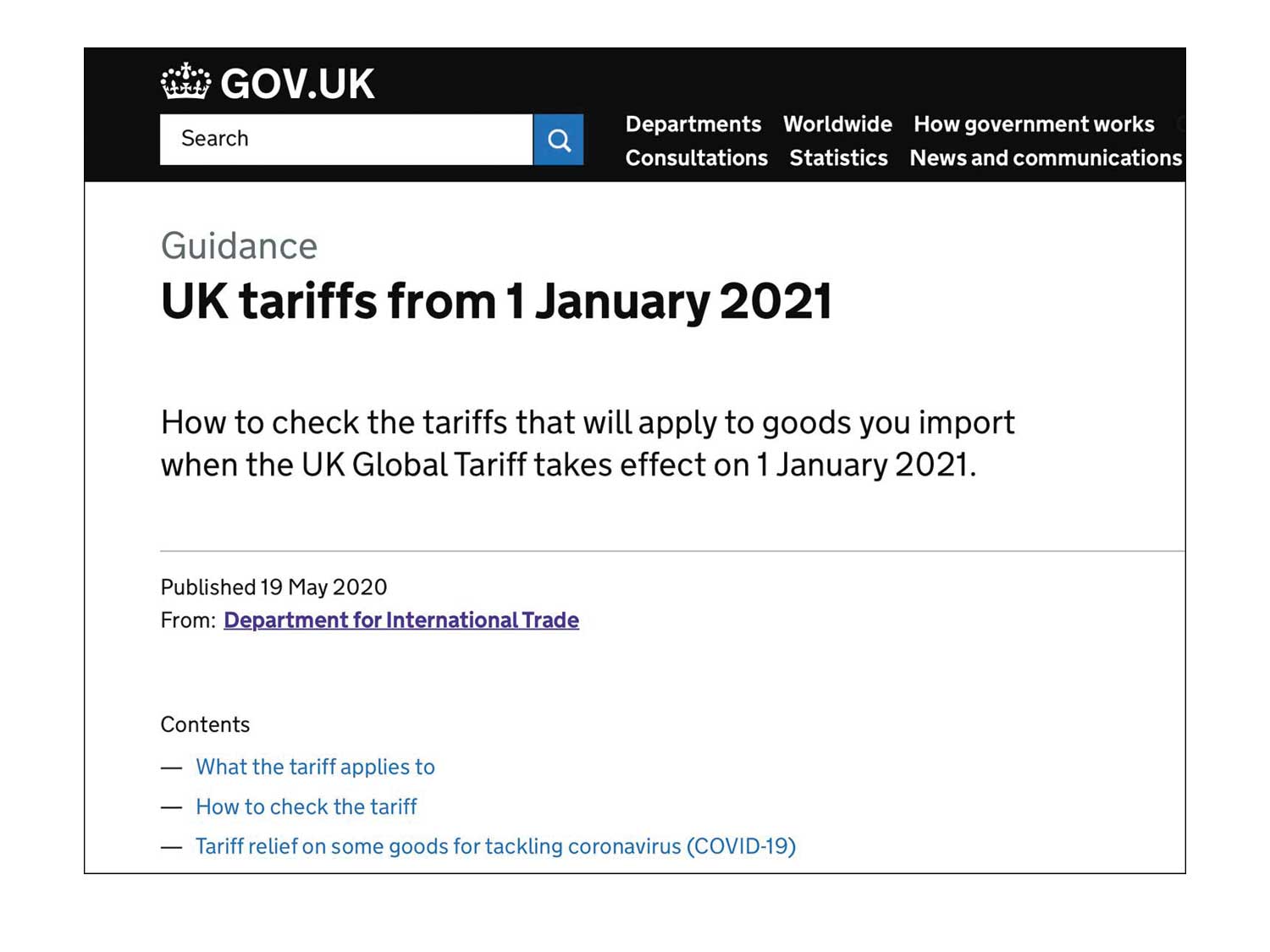
Announced in May, the UK Global Tariff (UKGT) is the UK-specific tariff regime that will apply to goods imported into the UK from January 2021, with tariffs on an additional £30bn of imported goods cut to zero.

During the Brexit transition period, until 31 December 2020, the EU Common External tariff continues to be applied to goods imported into the UK. 

Once the transition period is over, the UKGT will apply to goods imported into the UK from countries which the UK does not have a Free Trade Agreement and not covered by any other exemption.

Analysts reviewing the Border Operating Model released in July have uncovered indications that May’s UKGT may not be the final operational version.

The Border Operating Model confirms that “The tariffs applicable to UK importers will be published…when they are finalised and before implementation”. Which suggests, perhaps unsurprisingly, that the UK’s tariffs are part of the negotiation tactics and are unlikely to be the final version, until the outcome of the trade negotiations are known. 

It is still critical that businesses work with the best information available to prepare their Brexit modelling and understand the impact of the new UK Global Tariff on goods imported into the UK from 1 January 2021.

The UKGT includes a UK applied Most Favoured Nation tariff schedule that is intended to apply to all countries by default, although this may change with respect to EU countries depending on the deal reached by the UK with the EU.

The UKGT will not apply to:

 - Countries that the UK has a trade deal with

 - Countries that are part of the UK Generalised Scheme of Preferences (more information on this can be found HERE)

 - Where an exception applies, such as relief or tariff suspension

What are some of the key changes?

The net effect of the tariff regime according to a summary by the Department for International Trade is as follows:

 - 47% of products will be tariff-free, compared to 27% under the CET and

- Average tariffs will be reduced from 7.2% under the CET to 5.7% under the UKGT

This is achieved through changes to rates of tariff by lowering rates, reducing rates to zero or rounding rates down.

Outside of these changes, the UKGT will convert CET rates into GBP sterling and maintain tariffs in certain sectors including agriculture, ceramics and chemicals.

What could the UKGT mean for business?

The impact of the UKGT on business will depend on what the UK’s trade relationship looks like with the EU and the relevant business sector. This is currently a moving picture.

In the event of a no-deal Brexit, it is likely to become more expensive to import goods from the EU to the UK as tariffs will now apply to certain goods from the EU where they have not previously applied. With time in increasingly short supply, it is time to take stock (perhaps literally) to ensure additional costs are factored into the business planning process.

However, businesses importing goods from outside of the EU into the UK are likely to benefit from the UKGT due to the Government liberalising, simplifying and reducing tariff rates on a number of goods meaning importation should be comparably cheaper.

For further information and advice on our Brexit brokerage solutions, please contact Grant Liddell or Chris Carlile for assistance.